
Ghana's World Cup 2026 Mission: A Balanced Team with Star Power
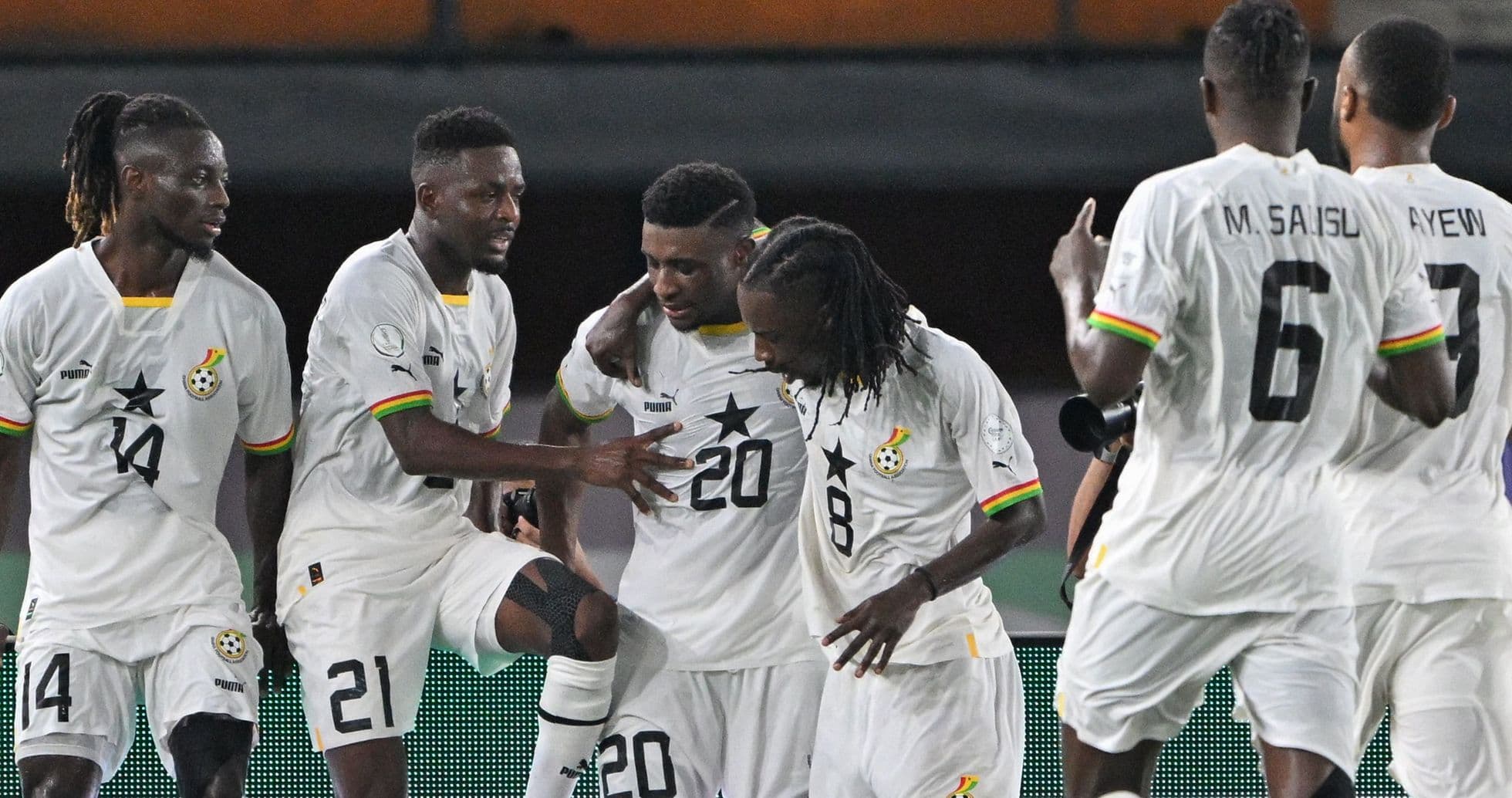
Ghana arrive at the 2026 World Cup with numbers that command respect: six goals conceded in 10 qualifying games. That is not a team merely surviving. That is a team built on a defensive structure that travels.
At the heart of it stood the partnership of Alexander Djiku and Mohammed Salisu, a pairing that gave the Black Stars a calm, uncompromising spine. Now, that calm has been shaken. Salisu’s ACL injury rules the Monaco defender out of the tournament and rips a hole in Otto Addo’s plans just as the world stage comes into view.
Djiku remains the constant. The question is who stands alongside him when the anthem plays in the USA, Mexico and Canada.
Defence: A Wall Rebuilt on the Fly
Ghana’s back line has been the quiet star of this cycle. Ten games, six goals conceded. Those are the foundations of belief.
Gideon Mensah has long owned the left-back berth, a regular presence whose energy and consistency have made him a trusted option. But his place is no longer untouchable. Derrick Kohn’s rise in the Bundesliga with Union Berlin has been hard to ignore. Strong in duels, sharp in transition, he has muscled his way into the conversation and into Addo’s summer plans.
The centre-back reshuffle is unavoidable. With Salisu out, Jerome Opoku of İstanbul Başakşehir steps into the frame as the likely partner for Djiku. It is a big ask, but Ghana do not lack alternatives. Patric Pfeiffer, Marvin Senaya and Derrick Luckassen have all been called into the squad for the pre-tournament friendlies, each handed a late, genuine shot at forcing their way into the final 26.
On the left, Mensah’s experience at Auxerre still counts for plenty. Yet Kohn’s emergence ensures that any dip in form will be punished. This is no longer a position owned by default.
Then there is the new generation. Kojo Peprah Oppong, the bright young defender who earned his first call-up after an impressive start to life with Nice, will be fighting to stay in the squad. His inclusion late last year signalled a shift: Addo is not afraid to trust youth if the talent is undeniable.
Behind them all, Benjamin Asare is set to start in goal. Reliable, composed, and now the man charged with marshalling a line that has lost one of its pillars but not its identity.
Midfield: Kudus, Partey and the Battle Against Time
If the defence gives Ghana structure, the midfield gives them personality.
Mohammed Kudus is the headline act. His goal against Comoros sealed World Cup qualification and underlined what everyone already knew: when the stage is big, he steps into the light. His club season with Tottenham has been dismal, marked by inconsistency and injury, yet the World Cup offers a clean slate. Ghana do not need the Kudus of Spurs; they need the Kudus who wears the Black Stars shirt like a cape.
Thomas Partey remains the old master in the middle. His minutes at Villarreal have been limited, but his influence in Ghana colours has not faded. In qualifying he was the metronome and the shield, setting the tempo, breaking up play, and guiding younger teammates through tense moments. He is one of the most experienced voices in the dressing room, and this squad still leans on that.
Elisha Owusu, a standout at Auxerre when fit, is another central piece. His injuries have stalled his momentum, but his intelligence and range make him a natural starter if he can put those problems behind him. The same goes for Ibrahim Sulemana, who timed his return to rejoin the squad for the March friendlies and will push hard for a place in the rotation.
Kwasi Sibo of Oviedo and Kelvin Nkrumah of Medeama add depth and bite, while Prince Owusu and Salis Abdul Samed offer options for different game states. Addo has variety in midfield profiles, but the structure is clear: Partey to anchor, Sibo to graft alongside him, Kudus to break lines and hurt opponents.
Not everyone will make it. Abu Francis, cruelly ruled out by a double leg fracture in a friendly against Japan at the end of 2026, will watch from afar. His absence is a reminder of how fragile these dreams can be, even for those on the brink.
Attack: Firepower, Legacy and the Ayew Question
If Ghana’s defence is disciplined and their midfield balanced, the attack is pure electricity.
Antoine Semenyo is the undisputed focal point. After lighting up the Premier League with Bournemouth, his January move to Manchester City only sharpened his edge. Goals, movement, relentlessness – and a Carabao Cup winner’s medal in his pocket by March. For Ghana, he is more than just a striker. He is the man expected to turn tight games into victories.
Around him, the names carry weight. Inaki Williams, the Athletic Club forward with tireless running and a nose for goal. Jordan Ayew, now at Leicester, the captain and leading scorer in qualifying with seven goals. Both are locked into Addo’s plans, both proven at club and international level.
Then comes the debate that refuses to die down: André Ayew. The veteran has not featured since AFCON 2023, yet his name still dominates radio phone-ins and fan discussions. At 36, his legs are not what they were, but his history with the Black Stars is long and decorated. Should loyalty and legacy earn him a final World Cup ticket, or should this be a clean break for a new generation? The manager’s decision here will say plenty about the direction of the project.
On the flanks, Ghana have pace and flair to burn. Abdul Fatawu Issahaku, a standout at Leicester, has caught the eye with spectacular goals and a fearlessness in one-on-one situations. Kamaldeen Sulemana, now at Atalanta, brings that low-slung dribbling style and velvet first touch that can unpick tight defences in a heartbeat.
Ernest Nuamah at Lyon, Brandon Thomas Asante at Coventry and Prince Adu at Viktoria Plzen deepen the pool of attacking options, while Christopher Bonsu Baah’s presence from Al Qadsiah adds another wildcard profile. This is a group built to stretch opponents, to run at tired legs, to change games from the bench.
The Likely Shape: A Front Three Built to Hurt You
Strip it all back and the picture becomes clear.
Benjamin Asare in goal. A back four of Alidu Seidu, Jerome Opoku, Alexander Djiku and Gideon Mensah – solid, aggressive, battle-tested. Partey sitting in front of them, Sibo alongside, forming the screen. Kudus pushed higher, the creative hub between the lines.
Ahead of them, a front three that can frighten anyone: Fatawu Issahaku from the right, Jordan Ayew through the middle, Semenyo from the left or drifting centrally. Pace, power, goals. A 4-3-3 that can morph into a 4-2-3-1 without a substitution.
Predicted Ghana Starting XI for World Cup 2026 (4-3-3): Asare; Seidu, Opoku, Djiku, Mensah; Partey, Sibo, Kudus; Fatawu Issahaku, Jordan Ayew, Semenyo.
The numbers say Ghana are hard to break down. The names say they can hurt you at the other end. The only real question now is whether this blend of steel and stardust can finally carry the Black Stars beyond promise and into something lasting on the biggest stage of all.
Related News
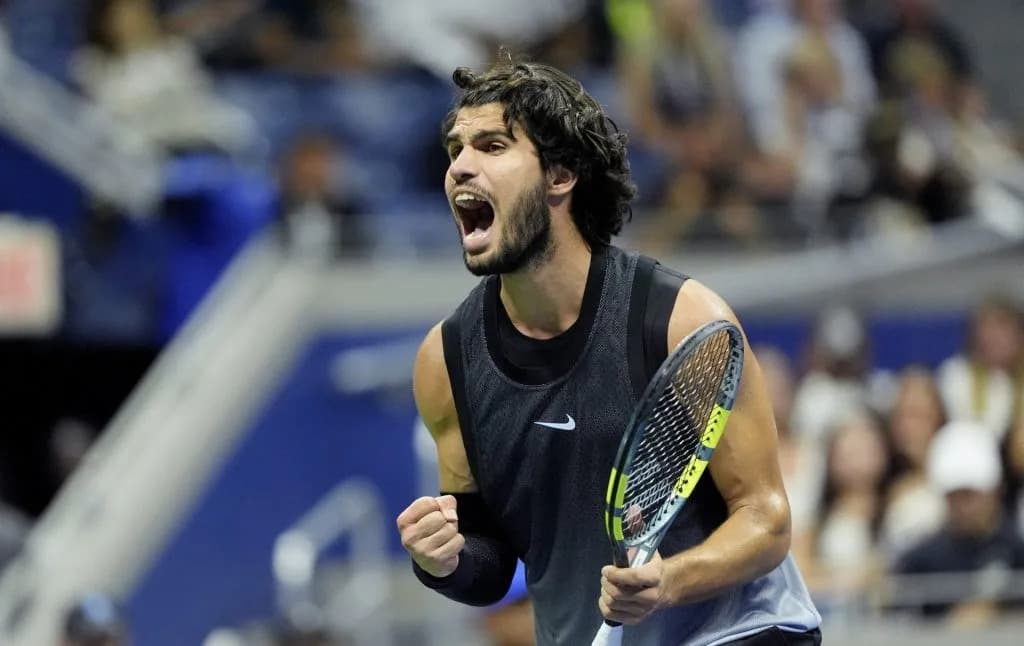
Carlos Alcaraz Urges an End to Matches Ending in the Early Hours
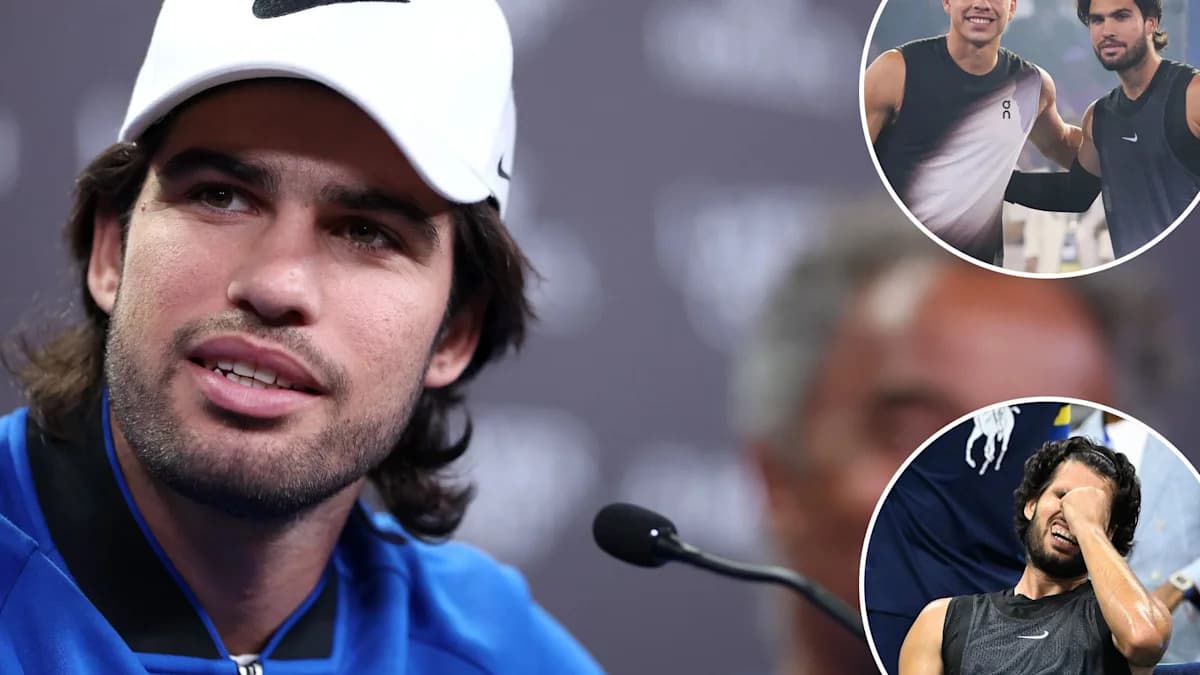
Carlos Alcaraz Criticizes Late US Open Finish After 3:30 a.m. Match
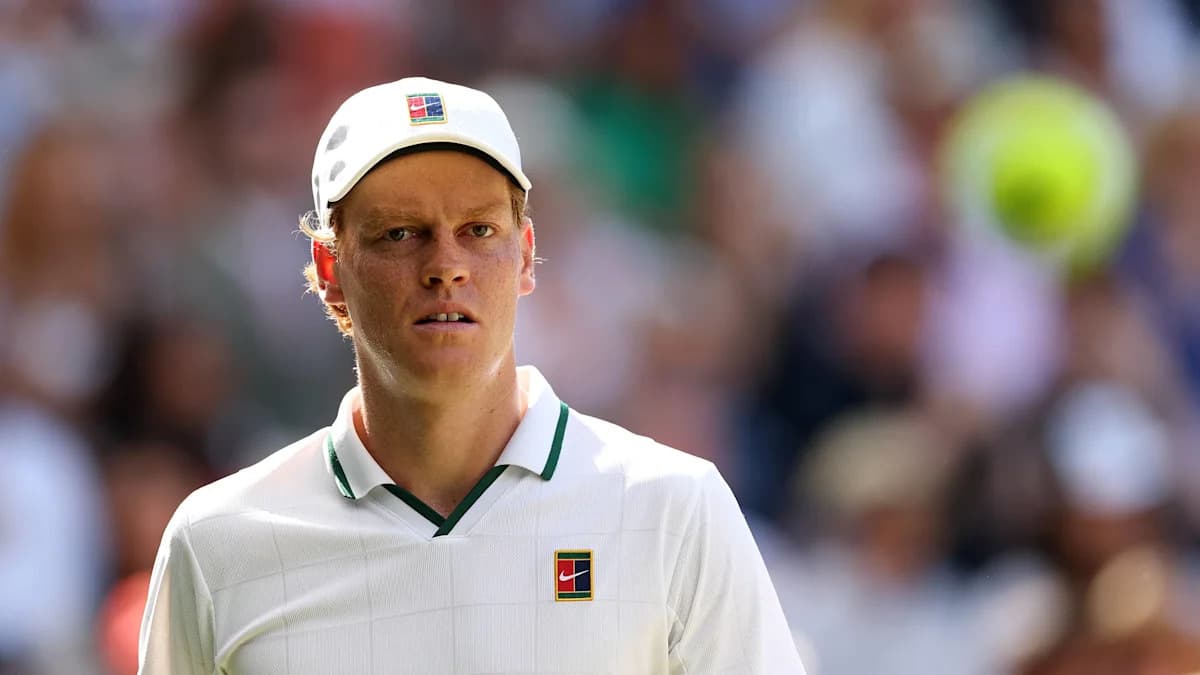
Jannik Sinner Set for ATP 500 Return in Beijing with Novak Djokovic Also Competing
Meet Iva Jovic: The American Tennis Prospect Making Waves
Flavio Cobolli Shares Insights on Practice Session with Jannik Sinner Ahead of Comeback
Till vs Romero: Fight Details, Undercard, and Viewing Info for This Weekend