
Gianni Infantino Abandons FIFA Forward Enterprise Plan
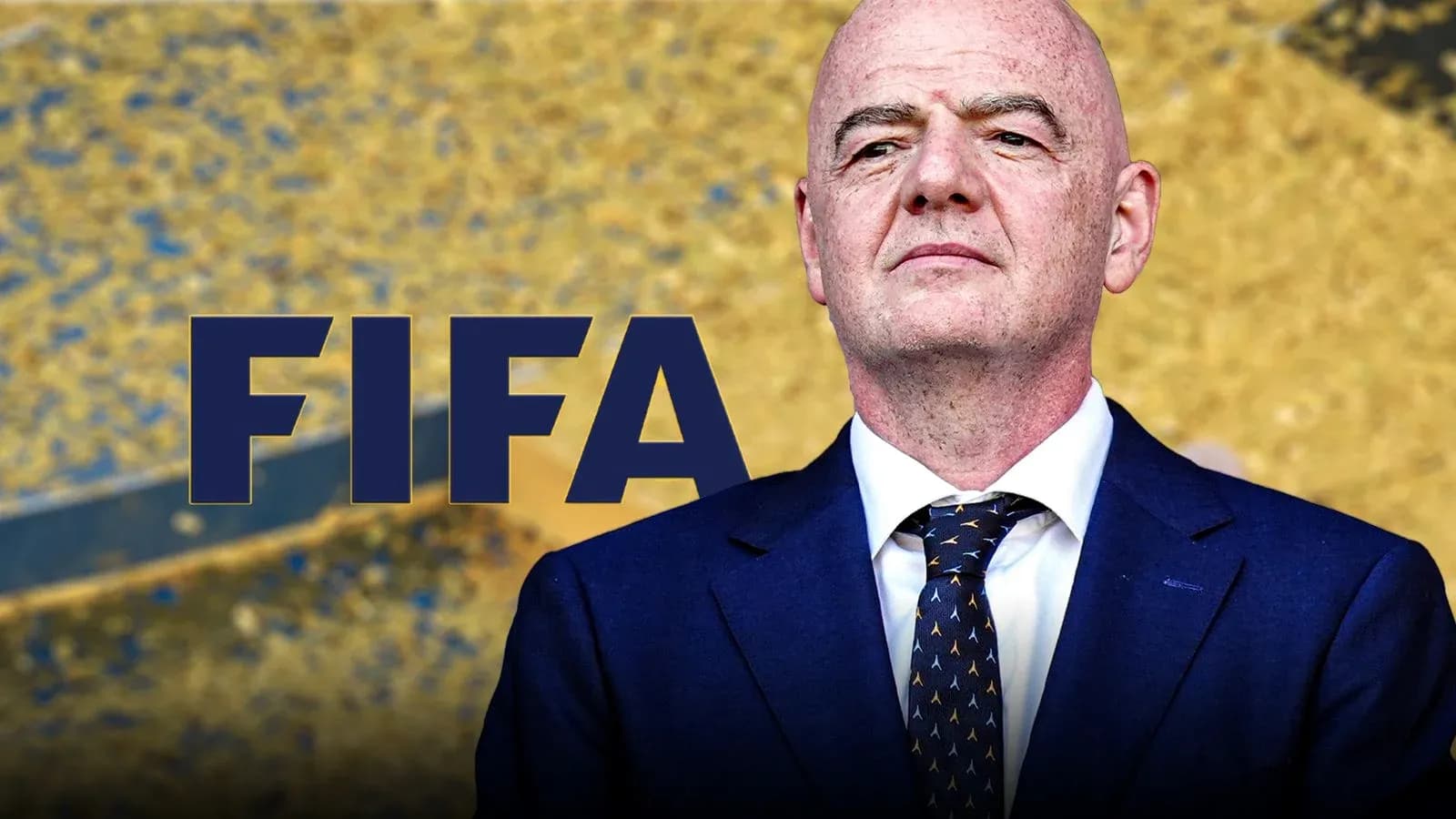
Gianni Infantino has scrapped his plan to sell a slice of future World Cup profits to private equity – a stunning climbdown from a FIFA president who rarely backs away from a fight.
The proposal, wrapped in corporate language and a new vehicle called FIFA Forward Enterprise (FFE), was supposed to be his next big play. Instead, it has triggered one of the most serious rebellions of his tenure and left his grip on power looking shakier than at any point since he took office.
A Project That Lasted Days
On Tuesday, FIFA unveiled FFE, a structure that would bundle together the sale of its commercial rights – broadcasting, sponsorship, ticketing and licensing – with the operational delivery of tournaments. The pitch to member associations was blunt: approve the sale of minority, non-controlling stakes in this new enterprise to external investors, and in return unlock a wave of development money.
FIFA said the project could raise up to $4.2bn (£3.1bn) from private equity, valuing FFE at around $20bn (£15bn). Over the next four years, the governing body argued, that could translate into more than $10bn in “football development funding” for its 211 member associations.
Infantino’s message to those associations came with a deadline and a sweetener. Back the plan by September 19 and there would be a £30.1m incentive on the table.
The backlash was immediate.
UEFA, CONCACAF and the Asian Football Confederation (AFC) lined up against the scheme. In England, Prime Minister Andy Burnham publicly condemned the idea and called for “an urgent review” of FIFA’s governance, while the FA voiced “deep concern”. On social media, Burnham’s verdict was simple: “football belongs to fans”.
By the early hours of Saturday, the project was dead.
Infantino Backs Down
Infantino’s statement, released at 12:30am BST and pointedly attributed to “the FIFA president”, tried to frame the retreat as a response to division, not defeat.
“The FIFA Forward Enterprise project was intended to provide a basis for further strengthening our FIFA Member Associations and our sport worldwide, especially in those countries where support is most needed,” he said.
He stressed that the plan was always conditional on support from a majority of associations and consultation with the FIFA Council, confederations and “wider stakeholders”.
“Having listened carefully to all the views,” the statement continued, “it has become clear that the project has created divisions of a nature that, regardless of the level of support, are no longer in the interest of the objective set out in the first place. Our purpose has always been – and will always be – to unite and improve.
“As a result, this proposal will not proceed.”
Infantino added that he now intends to “bring all interested parties back together in the coming days and weeks” with the aim of “growing football everywhere, particularly in those countries that mostly need our support”.
There was no apology. No admission of misjudgment. For a president already under scrutiny for his style of leadership, the omission was telling.
Confederations Push Back
The resistance from the confederations proved decisive.
On the AFC website, its president Sheikh Salman bin Ibrahim Al Khalifa welcomed FIFA’s U-turn and underlined how the project had overstepped accepted norms of governance.
“Any initiative that has the potential to impact global football will be presented and discussed with the Confederations, the FIFA Council, Member Associations and other stakeholders in a timely, transparent and meaningful manner,” he wrote.
“The future of global football must always be shaped through proper consultation, collective dialogue and respect for the established governance structures of our game.”
UEFA, CONCACAF and the AFC had already publicly criticised the sell-off concept. With three of the six confederations openly opposed, the political calculus for Infantino changed. The numbers that once looked secure no longer felt guaranteed.
Revolt From Within
If the confederations rattled the project, the internal revolt rocked Infantino himself.
Carlos Cordeiro, one of the president’s senior advisors, resigned in protest, describing the privatisation push as a “bad deal for football” and “for the long-term future of the game”.
“As a senior advisor to the FIFA president, a former banker, and a lifelong football fan, I cannot stand by while FIFA considers selling a stake in the World Cup,” he said in a statement to Sky News.
“Let me be clear: I had no involvement in this proposal, and I oppose it unequivocally.”
He was not alone. FIFA chief operating officer Kevin Lamour also broke ranks. Speaking to the Associated Press, Lamour said staff had been “deceived” by Infantino’s lack of openness and “deserve better than contempt and intimidation”.
Lamour called the World Cup sell-off “the project of one person” and urged football leaders to act.
These interventions came just hours after FIFA tried to calm the storm with a late-night statement insisting “nobody is selling football”. By then, trust had already started to fray.
A President Under Siege
Inside FIFA, this is now being read less as a policy defeat and more as a survival move.
Gianni Infantino has not abandoned FFE out of preference. He has pulled the plug to keep his job.
Pressure has been mounting from every direction: confederations, national associations, internal executives, and politicians. For a president who once counted on near-automatic loyalty from more than 200 of the 211 member associations, the last few days have been a rude awakening.
Under normal circumstances, the question would be how much this episode has damaged his reputation. Many in the game argue there is not much left to damage.
Removing a FIFA president remains difficult. Infantino knows that, and his instinct will be to cling on. But the political landscape has shifted.
There is a presidential election in March. Until this week, it looked almost certain that Infantino would run unopposed. He had the declared backing of more than 200 associations, including the English FA. After the FFE debacle, some of those federations are reassessing their positions.
Football leaders are now quietly scanning the horizon for an alternative before the November 18 deadline for candidates to declare.
In the meantime, Infantino faces an uncomfortable stretch of meetings and explanations – to FIFA staff, Council members, confederation presidents, national federation chiefs, and the investors who were courted behind closed doors for a project that has collapsed in public.
One name looms from outside football’s structures too: Donald Trump. Infantino had promised the former US president something he could not deliver. Trump, as those around him like to remind people, does not enjoy being associated with failure.
How long before even that relationship starts to cool?
Who Steps Forward?
Names are already circulating, even if no one has formally stepped out of the shadows.
Nasser Al-Khelaifi, the Paris Saint-Germain president and a powerful figure on the UEFA executive committee, has been mentioned. But those close to him insist he has no interest in replacing Infantino.
Sheikh Salman bin Ibrahim Al Khalifa is a more natural contender. He finished second in the FIFA presidential election a decade ago and now leads the AFC, which opposed the sell-off. His stance on FFE has only strengthened his credentials among those who want a reset.
Victor Montagliani, the CONCACAF president, is another option. With the last World Cup staged across three CONCACAF nations, his confederation has never been more prominent. Historically close to Infantino, CONCACAF broke ranks on Thursday by rejecting the FFE proposal. That shift will not have gone unnoticed.
Then there is Aleksander Ceferin, the UEFA president. He represents a completely different vision of how football should be run. Under Ceferin, there would be no hydration breaks packaged as spectacle, no FIFA Peace Prizes, no Qatari-owned private jets for the president, no $1m (£742,000) World Cup tickets.
On paper, he would be a popular choice. In reality, Ceferin has never publicly expressed a desire to move to FIFA.
For now, talk of successors remains just that – talk. Infantino is under serious pressure and fighting for his job, but the moment when rivals openly declare has not yet arrived.
What is clear is this: a president who once looked untouchable has been forced into a rare retreat, his grand commercial vision for the World Cup torn up in a matter of days.
The World Cup, and who controls it, is once again at the centre of a power struggle. The next move belongs to football’s leaders – and time is running out for them to decide whether they still want Gianni Infantino in charge of the game’s greatest asset.
Related News
Carlos Alcaraz Calls for Change After Laver Cup Court Conditions
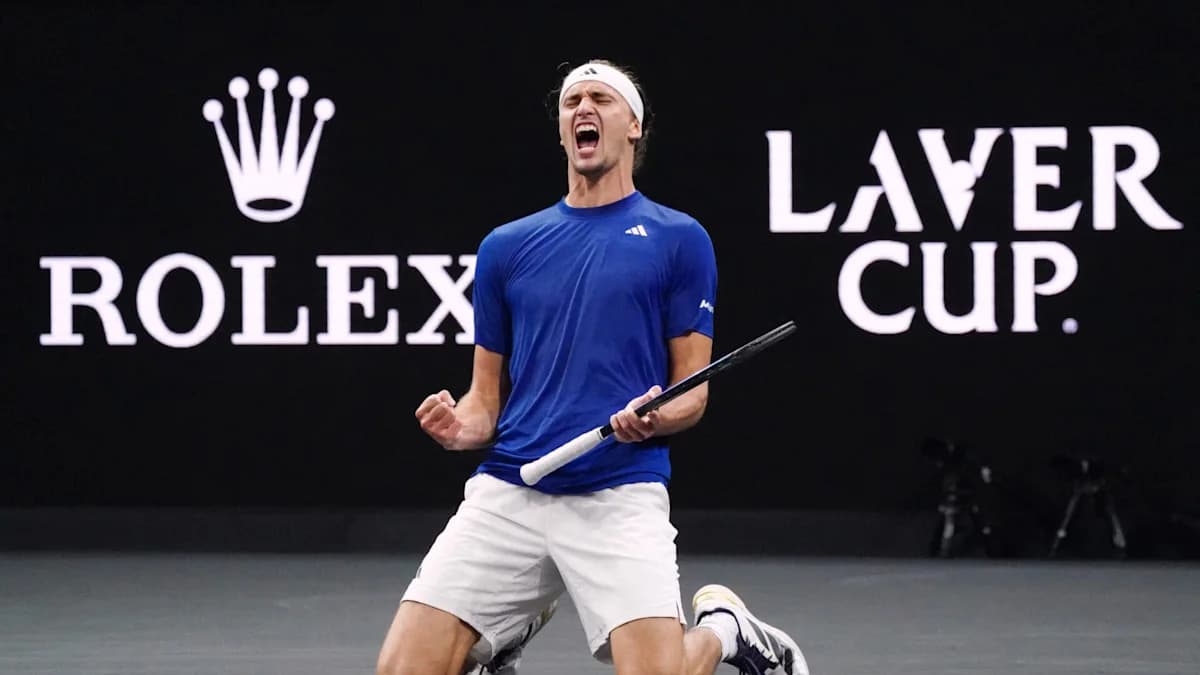
Alexander Zverev Secures Laver Cup Victory for Team Europe with Straight-Set Win Over Learner Tien
Novak Djokovic Shares Fitness Update Before China Open Return After US Open Upset
Shubman Gill's Captaincy Record Across All Formats: Tests, ODIs, T20Is, and IPL
Kuldeep Yadav Named Player of the Match Over Virat Kohli Despite Century in IND vs WI 1st ODI
India Advances to Asian Games 2026 Cricket Semi-Finals After Rain Washout Against Afghanistan