
Gianni Infantino Must Resign to Restore Football's Integrity
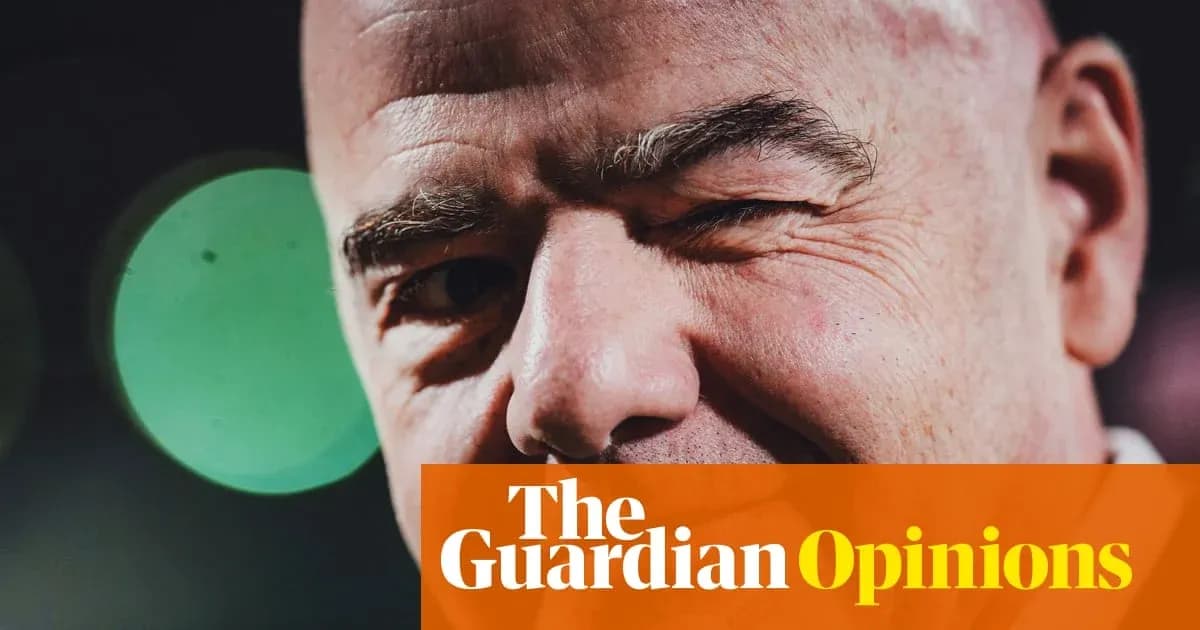
There is no polite way to frame it. Gianni Infantino has to go – by resignation or by force of law. The Fifa president has burned through the last reserves of trust in the organisation that runs the world’s game, and every extra day he clings to office drags football’s credibility deeper into the mud.
His latest retreat, announced on Saturday morning, only underlined the point. Having tried to carve up the World Cup and sell chunks of it to private investors through the Fifa Forward Enterprise (FFE) scheme, Infantino backed down, conceding that the project had failed and promising to resume talks on football’s growth “in the spirit of shared interest in our game”. The language was conciliatory. The intent was transparent: survival.
The climbdown arrived too late and from too weak a position. The very notion of hiving off influence over football’s future to venture capitalists – via a plan launched unilaterally and shrouded in opacity – would have toppled most leaders. For Infantino it was simply the latest entry on a rap sheet that has stretched patience in Zurich, Nyon and far beyond to breaking point. Fifa’s slogan, “football unites the world”, has rarely felt so hollow.
A president at odds with his own rulebook
Infantino’s problem is not just political. It is statutory. Article 10.3 of Fifa’s own regulations spells out what the president must do: safeguard Fifa’s objectives, mission, strategic direction, policies and values; protect and implement them sustainably; foster a positive image of the organisation; promote “friendly and peaceful relations within Fifa”.
On each count, the current incumbent stands accused of doing the opposite. Senior figures and entire federations have stepped back from him in recent days, some in open revolt, others in cold silence. The idea that he is uniting anything looks absurd.
The rules certainly do not sanction a president freelancing with private projects, repeatedly aligned with the current US administration or its satellites, pushed with minimal oversight and barely any explanation. Yet this has become Infantino’s operating model: move fast, bypass scrutiny, dare others to stop him.
From Balogun to Trump: a pattern of contempt
The Folarin Balogun affair pushed many already angry officials to the edge. It landed in a context of deepening unease.
There had been bafflement, then disgust, when Infantino handed the new Fifa peace prize to Donald Trump in December. The award came with scant detail about how the decision had been reached and with heavily disputed claims about the US president’s supposed achievements. It looked less like a carefully considered honour and more like a political gesture wrapped in Fifa branding.
Stakeholders were also left fuming by the sudden introduction of “hydration breaks” at this summer’s World Cup. The changes cut into the rhythm of matches and, crucially, arrived with minimal consultation. For many inside the game, it felt like Infantino was toying with the sport’s fabric on a whim.
Then came the 2034 World Cup bidding farce. The turbo-charged process that ended with Saudi Arabia’s candidacy effectively waved through in December 2024 drew fierce criticism. The speed, the lack of competition, the sense of a preordained outcome – all of it fed a narrative of governance done in back rooms, not boardrooms.
And now, topping off a chaotic 20 months, revelations that plans for a 64-team World Cup are well advanced. Another radical reshaping of the game’s showpiece, again driven from the top, again raising questions about who truly benefits.
Uefa’s breaking point
By the time Uefa released its blistering statement on Saturday, the mood had shifted from irritation to open confrontation. The European confederation demanded an end to “secret schemes on fast track timescales, cooked up by faceless individuals and of dubious benefit to the game”. It was a direct hit on FFE, but not only FFE. It was a verdict on an entire style of rule.
Words, though, were no longer enough. Uefa moved from rhetoric to leverage, pledging to boycott future Fifa tournaments if Infantino pressed ahead with his plan. That threat – united, public, and backed by Europe’s political and commercial weight – changed everything. Infantino folded.
For Aleksander Ceferin, Uefa’s president, the episode may come to define his own time in office. He proved he could marshal the confederation, stare down Fifa’s leader and win. Yet even that victory risks being hollow if Infantino is allowed to regroup, hire consultants, whisper new promises into the ears of wavering federations and slowly restore the old equilibrium.
No time for half-measures
Inside Uefa and across other confederations, there is a clear recognition: the pressure cannot ease now. Senior officials are convinced Infantino must not ride out this scandal. The next battleground is already in view – the letters of support that national associations sent endorsing him for re-election next March.
Most FAs had fallen into line, many under intense lobbying from Fifa. Those endorsements now sit like time bombs. If member associations begin recalling them in meaningful numbers, they would amount to a de facto vote of no confidence in the president. The mechanism is simple – a request to Fifa – but the symbolism would be seismic.
Plenty of associations would face embarrassment if their earlier declarations of loyalty were dragged into the public glare. Yet that discomfort is nothing compared with the damage of letting this moment pass. Member associations exist to protect the sport, not to shelter a president who has become a threat to its integrity. To retreat now would be to stop halfway up the climb and pretend the summit no longer matters.
A battle for football’s future
Uefa has already started sketching an alternative future. It has promised to design a new model for distributing Fifa’s vast wealth, tapping into the multibillion cash reserves without, as one phrase has it, “selling the family silver” to outside investors. Behind closed doors, discussions continue with other confederations to identify credible candidates to replace Infantino, people who could stand in next year’s election if he somehow clings on until then.
That is the opportunity hidden inside this crisis: to reset how football is governed, to rebuild trust in an institution that has lurched from scandal to scandal. But that opportunity only exists if Infantino is no longer in position to dictate the terms.
The alternative is bleak and familiar. Fifa staggers from one controversy to the next. The World Cup becomes a commercial asset to be sliced and traded. The global conversation around football keeps circling back to one man, his ego and his latest scheme.
At some point, the sport has to decide whether it is prepared to live with that – or whether this is finally the moment it says no.
Related News
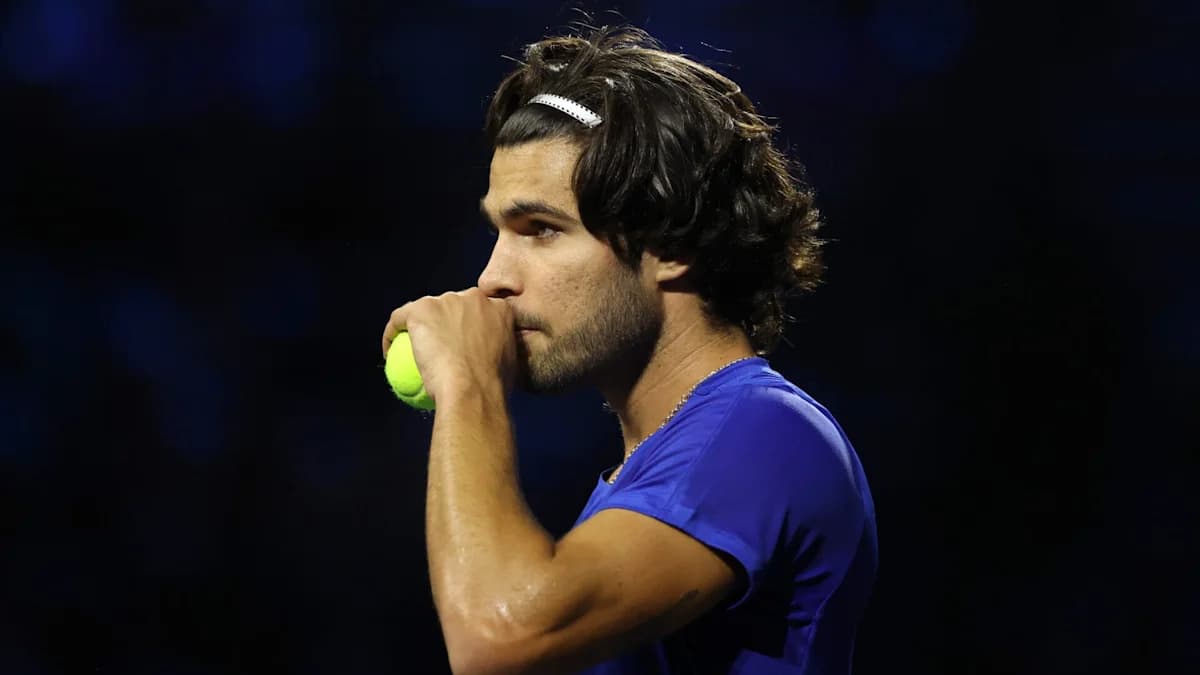
Carlos Alcaraz Calls for Change After Laver Cup Court Conditions
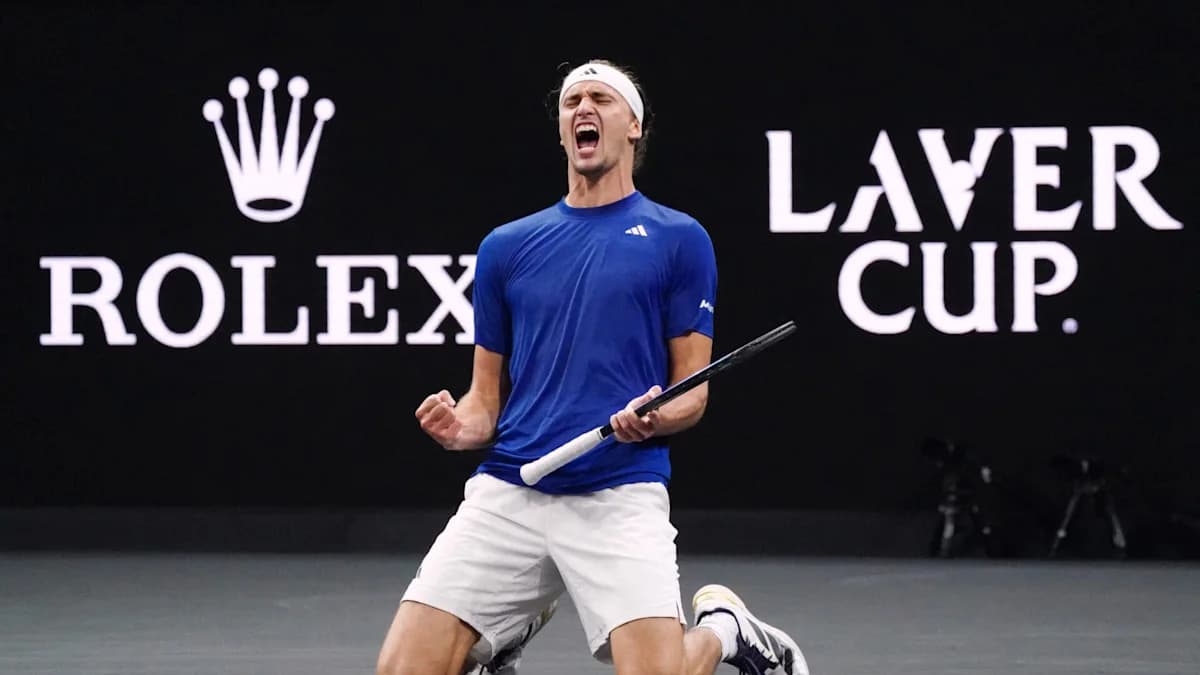
Alexander Zverev Secures Laver Cup Victory for Team Europe with Straight-Set Win Over Learner Tien
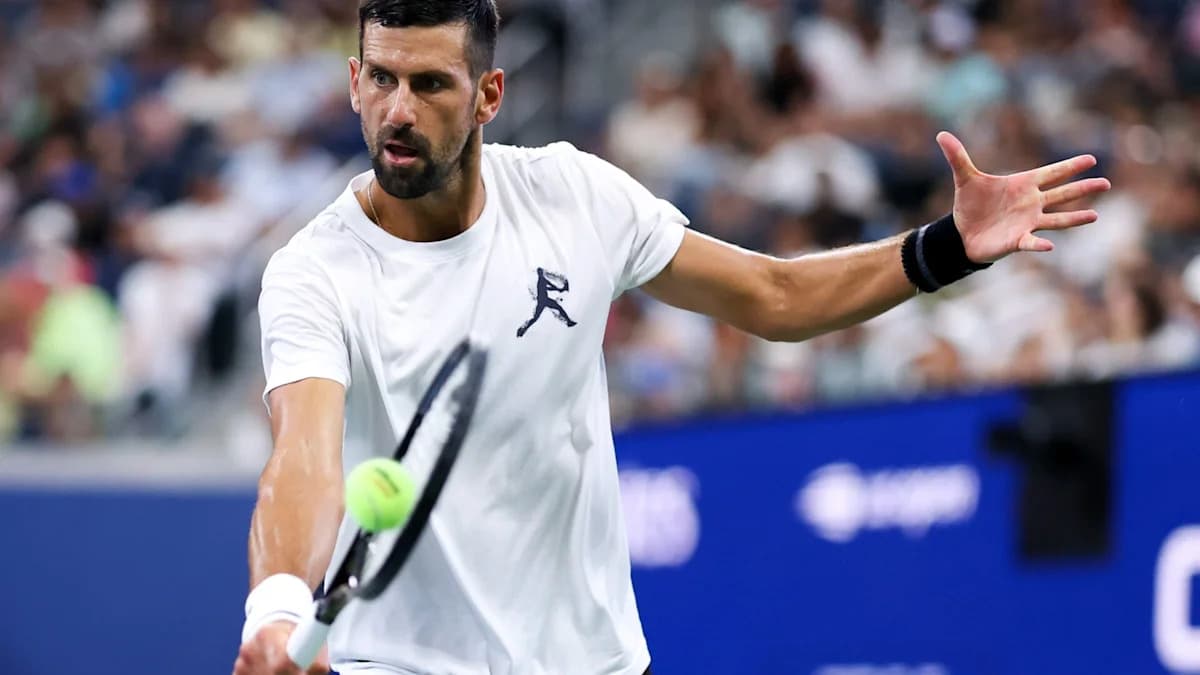
Novak Djokovic Shares Fitness Update Before China Open Return After US Open Upset
Shubman Gill's Captaincy Record Across All Formats: Tests, ODIs, T20Is, and IPL
Kuldeep Yadav Named Player of the Match Over Virat Kohli Despite Century in IND vs WI 1st ODI
India Advances to Asian Games 2026 Cricket Semi-Finals After Rain Washout Against Afghanistan