
Graham Potter's Resurgence with Sweden After Chelsea Stint
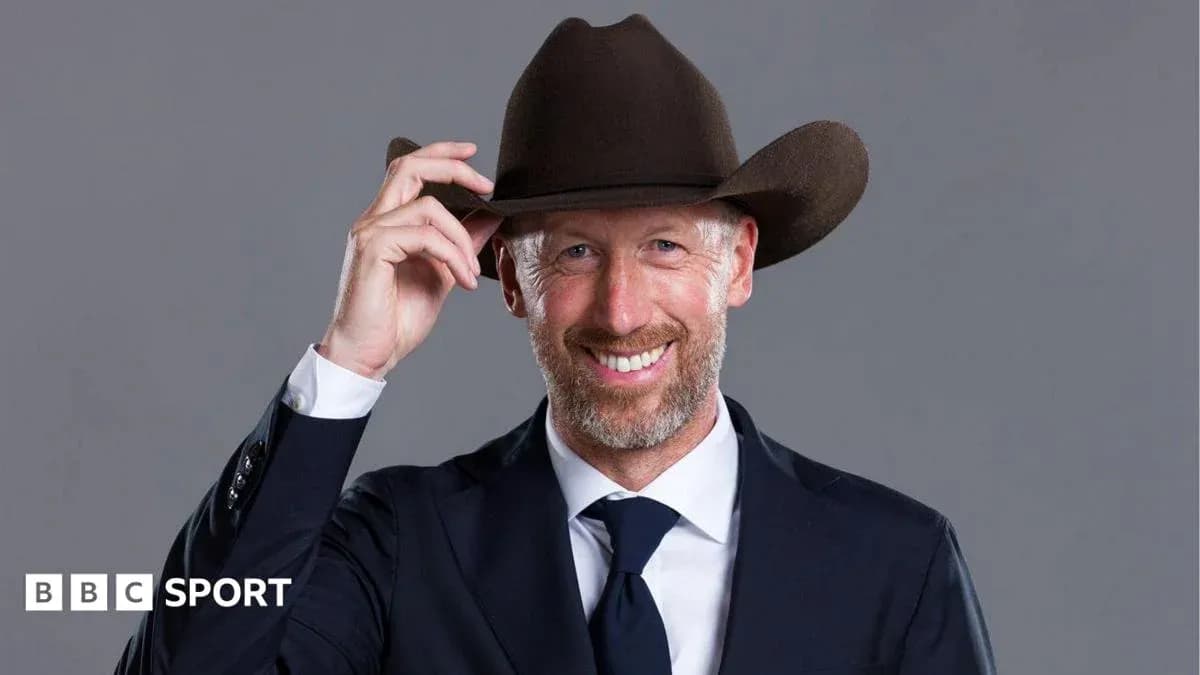
Graham Potter walked out to Sweden training in Texas last week wearing a Stetson. It was a joke, a bit of theatre to tap into the World Cup’s American backdrop. But it also invited an easy line: the cowboy hat for a coach drinking in last‑chance saloon.
At Estadio Monterrey, there was nothing jokey about him or his team.
Sweden ripped Tunisia apart, a 5-1 statement win that announced Potter’s return to the big stage with the kind of authority few saw coming after his bruising time in English football.
From sackings to a five-goal statement
Potter arrived in Mexico with his reputation dented. Chelsea had chewed him up. West Ham had spat him out. Two jobs, 15 months, and a manager seemingly drifting away from the elite conversation.
Yet here he was, orchestrating Sweden’s most explosive attacking display in years.
They scored five in one night against Tunisia – more than they managed in the entire group stage of their qualifying campaign, when they mustered only four under Jon Dahl Tomasson. That qualifying run had collapsed so badly that automatic World Cup hopes vanished before Potter even took charge.
By the time he was appointed in October, the damage was baked in. Sweden finished bottom of their group behind Switzerland, Kosovo and Slovenia, winless in six. It looked like a lost generation and a poisoned chalice.
The Nations League rankings, though, handed them a lifeline. Ranked 34th, Sweden slipped into the play-offs, and Potter suddenly had a door back into the World Cup – and back into relevance.
He walked through it.
Sweden beat Ukraine. They beat Poland. They earned their ticket to this tournament the hard way. Now they have opened it by dismantling their first Group F opponents.
“You never know, that's the truth,” Potter said after the 5-1 win. “You never know how things are going to go. We were optimistic because we felt confident in the work.
“But until the game is played you don't know for sure. That's the beauty of sport. We are delighted with how we performed tonight and it's a great start for us.”
The pressure that had followed him from London and east London felt a long way away.
A manager back where he feels at home
This was not how Potter’s season was supposed to look. He started it as West Ham head coach and was gone by late September, after just six wins in 23 Premier League games. That followed his short, draining spell at Chelsea, where the size and speed of the job swallowed the reputation he had built at Brighton.
In England, the Solihull-born coach had grown prickly in front of the cameras. The constant scrutiny, the noise, the churn of results – it wore him down.
Sweden feels different. It always has.
This is the country where he really learned the craft, turning Ostersunds FK from a fourth-tier side into top-flight cup winners and European participants. Seven years of building, adapting, surviving. Seven years that shaped him.
“I feel very Swedish when I'm working,” he told BBC Sport before the tournament. “I even look a bit Swedish. Two of my children were born in Sweden. I had seven unforgettable years at Ostersunds, with memories that will stay with me for life.
“I came from the fourth tier of Swedish football, which is quite low, and worked my way up through the system to the Allsvenskan.
“You almost become Swedish in a coaching sense because of the experiences you have. I think it has definitely helped.
“Now I'm working for the Swedish FA as head coach of the national team, so I feel very Swedish.”
His Instagram feed backs that up: lakes, forests, Nordic literature, cultural events. A man not just passing through, but plugged in.
Yet the work behind the scenes has clearly gone far beyond sightseeing. This Sweden side looked drilled, hungry and sharp. They looked like a team that had been prepared with care.
Isak, Gyokeres and a fearsome front line
The return to full fitness of Alexander Isak has changed the picture. A £125m Liverpool striker, back on the biggest international stage, linking with Arsenal’s Viktor Gyokeres – that is a front line with serious weight.
Against Tunisia, they played like it.
Isak and Gyokeres dovetailed, traded positions, and, crucially, traded assists. Each set up the other, a symmetry that will delight their manager. When those two move in sync, Sweden suddenly look like a side that can trouble anyone.
It is an expensive, formidable attack for a nation returning to the World Cup after missing Qatar 2022. If they stay fit and firing, Sweden become a far more awkward proposition than their recent history suggests.
The rest of the squad still needs knitting together. Experience at this level is thin. Only Victor Lindelof has actually played at a World Cup before, with goalkeeper Kristoffer Nordfelt an unused substitute in Russia in 2018. The majority are feeling this stage for the first time.
They will need guidance. They will make mistakes. But under this format, a five-goal opening win already puts them in a strong position to reach the last 32.
Tougher tests ahead
No one inside the Sweden camp will pretend Tunisia, ranked 56th in the world, represent the ceiling of this tournament’s difficulty. The real measure arrives on Saturday against Netherlands, one of the favourites and a team built to expose any looseness.
“We just focus on what we can do, we focus on our performances,” Potter said. “It doesn't matter what people think from the outside or opinions.
“That's the beauty of the World Cup everyone has predictions and forecasts but we have to focus on our job and how we play as a team.
“We will meet another top team at the weekend who are one of the favourites for the competition.”
History offers its own intrigue. Sweden’s best World Cup finishes – third place in 1958 and 1994 – both came with a twist. In 1958, they were led by another Englishman, George Raynor. In 1994, the tournament was staged in the USA, as it is again this time around.
Good omens? Maybe. What matters more is that Sweden look alive again, and Potter looks like himself again.
The cowboy hat might have started as a joke. Right now, it belongs to a coach who has ridden back into the World Cup with something to prove – and a team suddenly dangerous enough to help him prove it.
Related News
UFC 332 Preview: Natalia Silva vs. Wang Cong Fight Card, Odds, Start Time, and Details
Andy Roddick Responds to Andre Agassi’s Comments on Alexander Zverev at the Laver Cup
Knicks Prepare for Flexible Roles in Title Defense
Rui Hachimura Swaps Lakers Fans to Clippers in Surprising Jersey Exchange

Who Will Be the NBA's Next First-Time All-Stars? Top Picks and Long Shots for 2027
How Strong Is Your Team at Home? Check Out the 2026 Brasileirão Home Standings