
Haaland vs Kane: A Clash in Miami's Heat
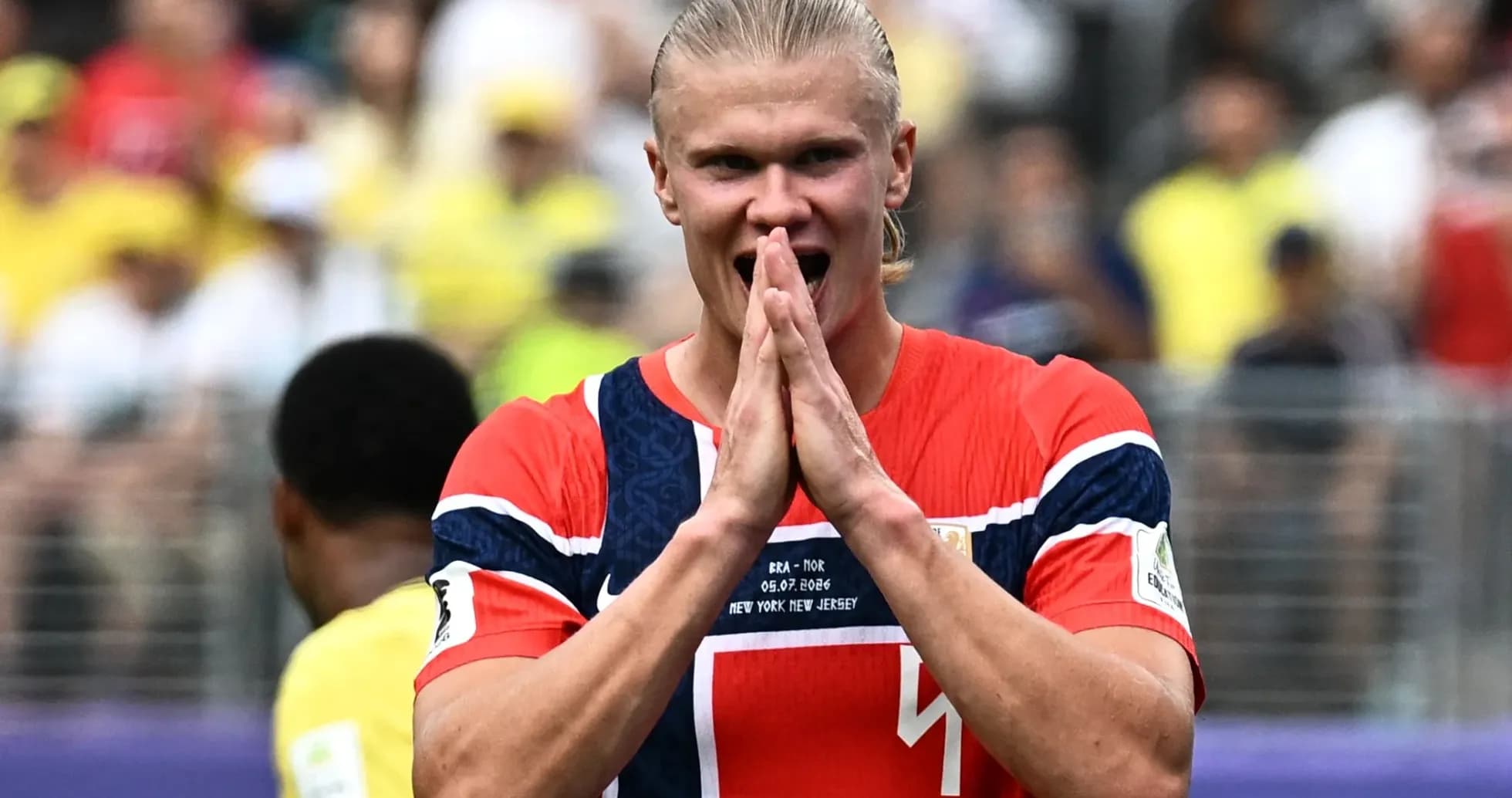
Miami will sweat. England and Norway will suffer.
On Saturday night in Florida, two very different World Cup stories collide: a seasoned tournament heavyweight trying to avoid yet another quarterfinal exit, and a resurgent outsider riding the kind of wave that usually belongs in myth, not in brackets.
Norway, back at a World Cup for the first time since 1998, have already ripped up the script. They have never been this deep into the knockouts before; now they arrive in Miami having knocked out Brazil, winning consecutive World Cup knockout games for the first time in their history. England, chasing a fourth semifinal, are trying to dodge an eighth elimination at this stage.
Between them stands the heat, the humidity, and two strikers who have turned the Golden Boot race into a private duel.
Haaland vs Kane: Golden Boot, golden stakes
For the first time at this World Cup, two of the leading Golden Boot contenders step onto the same pitch.
Erling Haaland should have shared a group-stage stage with Kylian Mbappé, but Ståle Solbakken had other ideas. With qualification already secured after wins over Iraq and Senegal, Norway’s coach left his star forward on the bench against France, denying neutrals a heavyweight shootout.
Haaland has been busy making up the difference ever since. He scored the winner in the first knockout game against Ivory Coast, then both goals in the 2-1 win over Brazil. That takes him to seven goals in four appearances at this tournament, extending a staggering personal run: 14 consecutive Norway games scored in, 27 goals in that span, 62 in 54 caps overall.
At 25, he arrives in Miami one behind Mbappé and Lionel Messi in the Golden Boot standings and one ahead of Harry Kane.
Kane’s tournament has been a slower burn, but no less decisive. Two goals against Croatia to open England’s campaign, another in the win over Panama that secured top spot, both strikes in the late comeback against DR Congo in the Round of 32, and then the penalty that proved the winner in the 3-2 epic against Mexico. At 32, he remains England’s heartbeat and their closer.
The parallels between the two are obvious. Three-time Premier League Golden Boot winners. Prolific in Germany. Relentless in the penalty area. Yet they have shared the pitch only twice, both in 2022/23, when Tottenham and Manchester City traded wins and both forwards found the net once.
Miami feels like the decider. The match will be framed as a tactical chessboard, a test of endurance in the heat, a clash of systems. Strip it all back and it still comes down to this: if either Haaland or Kane walks off with the match ball, the Golden Boot and the claim to being the game’s most ruthless striker tilt sharply in his direction.
The Haaland problem: is Burn the unlikely answer?
So how do you stop the most ruthless finisher on the planet?
Thomas Tuchel may have stumbled across a partial solution in the closing, frantic minutes against Mexico. Protecting a 3-2 lead with 10 men, England dropped deep and summoned Dan Burn. The 6ft 7in Newcastle centre-back, a latecomer to the international stage and a surprise pick in this squad, turned the final 15 minutes into a personal aerial clinic, heading away cross after cross and throwing himself into danger as Mexico piled on pressure.
Burn only made his England debut shortly before turning 33 in March 2025. His four starts have come against Andorra and Albania in qualifying, not exactly a proving ground for World Cup quarterfinals. Yet his size, timing and sheer awkwardness in the air give Tuchel something very few managers have: a defender taller than Haaland, with a track record of making life miserable for him.
Since Haaland joined Manchester City in 2022, he has faced Burn eight times: six in the Premier League, two in domestic cups. Across more than 10 hours on the pitch together, Haaland has scored just once, in their very first meeting in August 2022.
For a striker who averages a goal every 73 minutes in international football, that is not a coincidence to be brushed aside.
Burn is not alone in this. Ezri Konsa has also frustrated Haaland. Across five matches and 406 minutes against Aston Villa’s defender, Haaland has scored only once, again in their first encounter in September 2022. Given that the Norwegian has racked up 112 goals in 132 Premier League games over four seasons, with three Golden Boots, those numbers are gold dust for Tuchel.
The contrast with others is stark. Haaland managed seven goals in five matches against Marc Guéhi before the Crystal Palace defender joined him at Manchester City. He has never faced John Stones in opposition, having shared a dressing room with him at the Etihad since arriving in England.
Tuchel cannot build his entire plan around Burn and Konsa, but he has seen enough to know that specific profiles and duels can tilt the odds. England’s manager must decide: does he trust the data and throw Burn into the furnace from the start, or hold him back as the specialist closer, the man to see out a storm if England are clinging on late?
Odegaard vs Rice: control, pain and familiarity
If Haaland is the finisher, Martin Odegaard is the architect. His display against Brazil was a captain’s performance in every sense.
The Norway skipper carried the ball forward 61 times, dictating tempo and direction. He completed 101 of his 109 passes, while Brazil’s entire squad combined for only 331 passes at a much lower completion rate. Under his guidance, Norway squeezed the life out of the Selecao’s rhythm, restricting them to 33.6 percent possession – Brazil’s lowest ever share in a World Cup match.
Remarkably, that was still more of the ball than England enjoyed against Mexico. Down to 10 men and pinned back, Tuchel’s side recorded their lowest possession figure since records began, spending much of the final half-hour entrenched in their own penalty area.
If England are to reach a first World Cup semifinal since 2018, and only their third since lifting the trophy in 1966, they cannot allow Odegaard to script the night. They need to interrupt his flow, break his lines of sight, force him to play with his head down.
No one in the England camp knows Odegaard better than Declan Rice. The pair have shared the Arsenal midfield 117 times across the past three seasons, leading the club to a long-awaited Premier League title and a Champions League final. Rice has seen every feint, every disguised pass, every subtle shift of Odegaard’s body that signals danger.
Yet Rice is not at full tilt. Neural pain has dogged him for months, radiating through his lower back and hamstring. It has not stopped him playing – he logged 3,094 Premier League minutes this season, with England partner Elliot Anderson playing even more – but it has taken a toll.
Odegaard, by contrast, played just 1,369 league minutes. Fresher legs, fewer miles, and the confidence of a captain whose influence is peaking at exactly the right time.
Rice will read the patterns. He will anticipate the angles. The question is whether his body can match his brain when Odegaard starts gliding between the lines in Miami’s heat.
The Miami factor: who survives the furnace?
Miami has already staged the two hottest group games of this World Cup. It will not relent now.
At kickoff, the forecast sits around 33°C (91°F) with humidity at 58 percent and a real threat of thunderstorms. A 5pm local start means the players will step into the worst of the day’s lingering heat, with the air thick and unforgiving.
On paper, neither nation screams “tropical specialists.” Yet Norway’s route to this quarterfinal has given them a slight edge in acclimatisation. They opened in Boston against Iraq, then moved to New York/New Jersey for the win over Senegal. They returned to Boston for the defeat to France, where Solbakken rotated heavily, changing 10 players, before enjoying their only enclosed, climate-controlled match against Ivory Coast in Dallas. The win over Brazil came back in the humidity of New York/New Jersey.
England’s path has been gentler. They began under the roof in Dallas against Croatia, then played in Boston and New York/New Jersey against Ghana and Panama, both matches affected by rain. The Round of 32 win over DR Congo came in the air-conditioned comfort of Atlanta. The Mexico clash in Mexico City, despite a thunderstorm and a one-hour delay, was played in far cooler conditions than what awaits in Florida.
This quarterfinal will not just test tactics and talent. It will test hydration strategies, rotation decisions, and mental resilience when legs start to feel like concrete. The team that paces itself better in the furnace may not play the prettier football, but it might be the one still standing on Wednesday night.
Norway’s left vs England’s right: a fault line to exploit
There is another fault line in this game, running straight down England’s right flank.
Reece James, the only recognised right-back in Tuchel’s squad, has missed the last three matches after a hamstring injury against Ghana. With Tino Livramento ruled out by a calf problem before the tournament even began, England have been improvising ever since.
Djed Spence, Ezri Konsa, John Stones and Jarell Quansah have all been asked to plug the gap. At one point against DR Congo, even Declan Rice shifted out to the right to see the game home. Quansah’s red card against Mexico now removes another option, just as the stakes rise.
James is pushing to be fit for the quarterfinal. If he makes it, it will be a timely boost, but Tuchel cannot gamble recklessly with a hamstring on a night like this. If James does not pass muster, Konsa is the likely starter after impressing in the makeshift role during England’s defensive stand against Mexico.
Whoever lines up there will be targeted. Norway’s left side is a live wire.
Antonio Nusa, quick and elusive, loves to drive inside from the left and shoot with his right. His curling strike into the top corner against Ivory Coast in the Round of 32 was one of the goals of the tournament, the sort of finish that announces a winger to a global audience.
Yet it was his replacement against Brazil who truly shifted Norway’s last-16 tie. Andreas Schjelderup came on at half-time and delivered his best performance of the World Cup. The Benfica winger’s delivery and decision-making transformed Norway’s attacks. He supplied the cross that Haaland buried for the opener, then teed him up again on the edge of the box to lash home the second and seal the upset.
If James is rusty or absent, and if Konsa is dragged into one-on-one duels too often, that flank could become the game’s tipping point. Stop Nusa and Schjelderup, and you cut off a major supply line to Haaland. Fail, and England’s back line will be turning to see the ball in their own net.
England arrive with history on their shoulders and scars from previous quarterfinal exits. Norway come armed with belief, a ruthless No 9, and the freedom of a team that has already exceeded expectation.
In the Miami heat, with the world watching and the Golden Boot race woven into every attack, one question will decide the night: whose story keeps running, and whose stops dead in the Florida air?
Related News
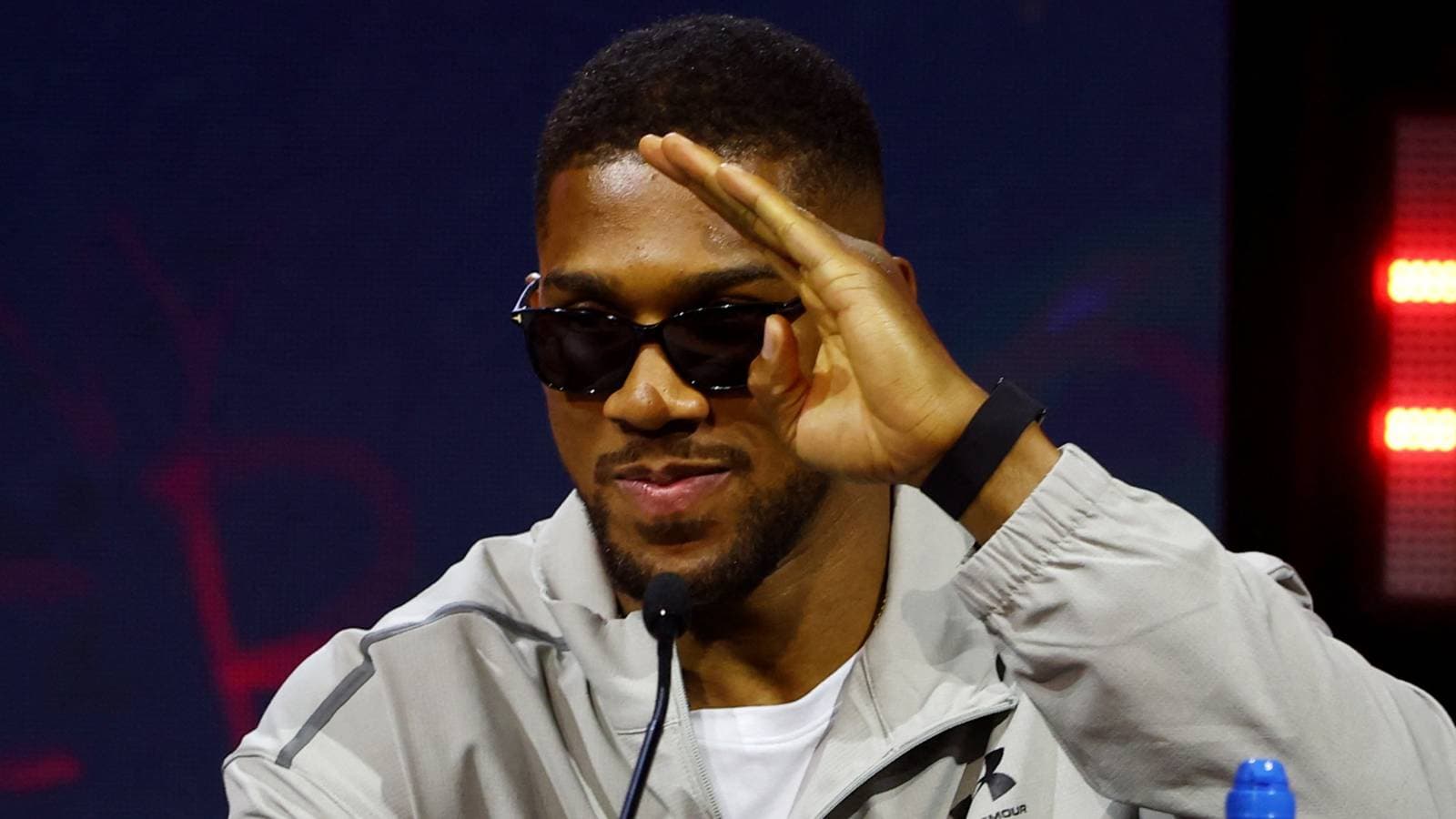
Anthony Joshua Names Murat Gassiev as Next Opponent if He Defeats Tyson Fury

UFC 332: Start Time and Fight Highlights for Natalia Silva vs. Wang Cong
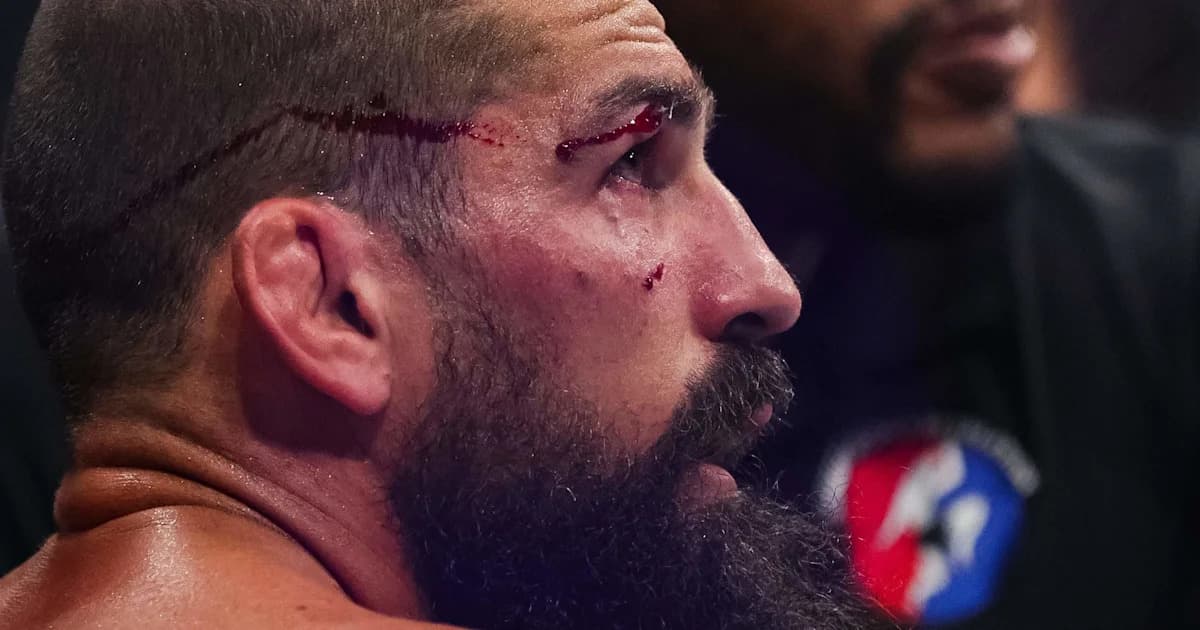
Court McGee Opens Up About Choosing UFC 332 as His Final MMA Fight
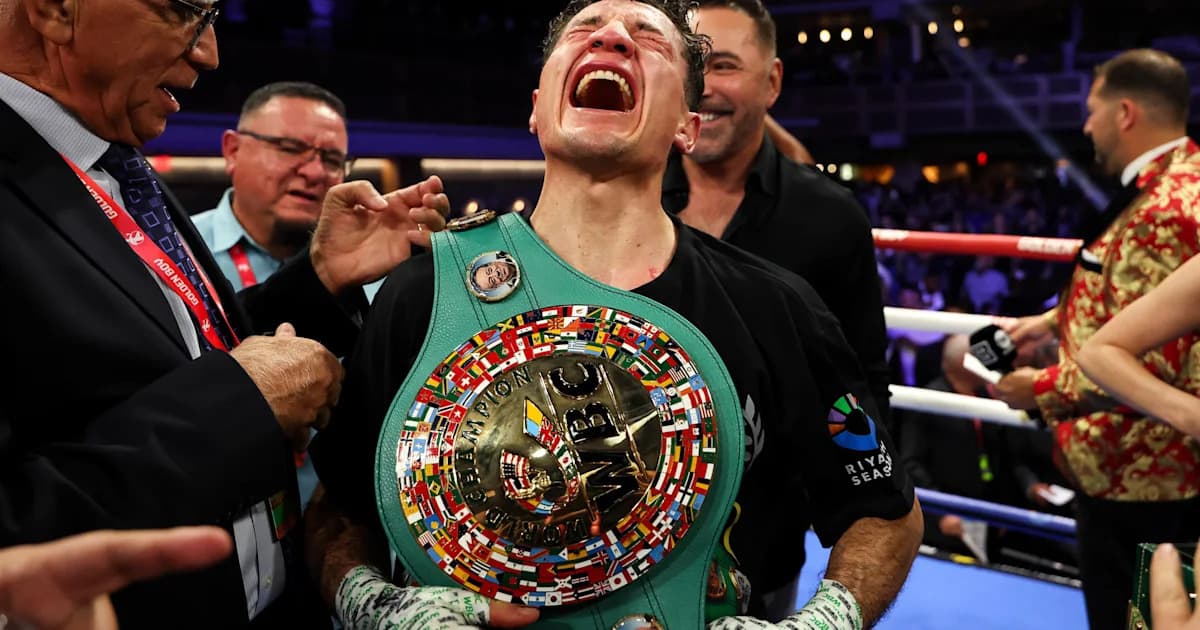
WBC Orders Lightweight Title Unification: William Zepeda vs Jadier Herrera
BCCI Pension List: Monthly Payments to Retired Indian Cricketers in 2025

Why Fury vs Joshua Is Set for Cardiff, and Dua Lipa’s Unexpected Role