
Houston Dynamo FC II Dominates Colorado Rapids II in MLS Next Pro
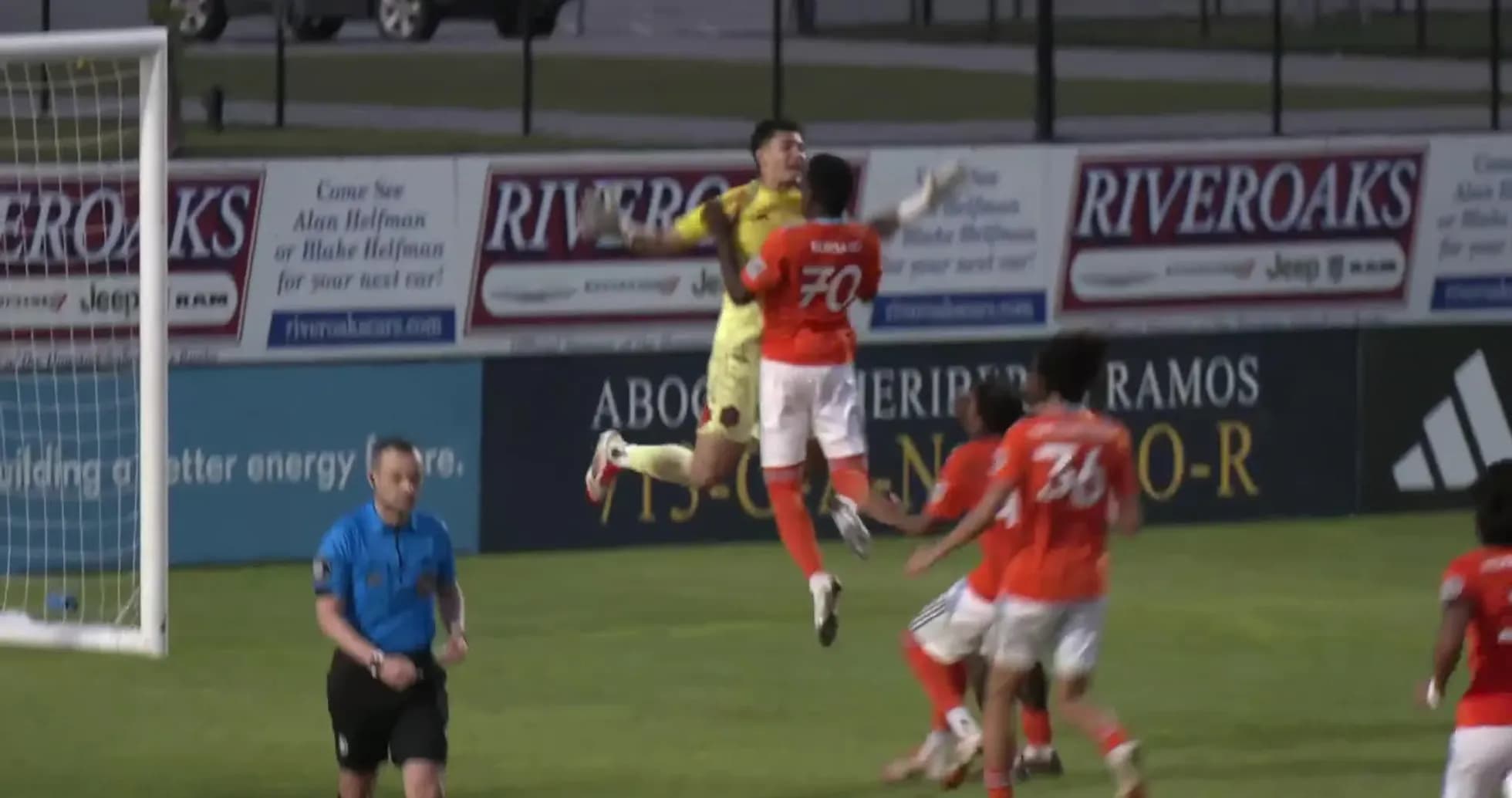
Under the lights at CIBER Field, this Group Stage meeting in MLS Next Pro felt less like a routine fixture and more like a study in extremes. On one side, Colorado Rapids II, rooted in struggle, came in with 0 wins from 8 and a goal difference of -13 overall (9 scored, 22 conceded). On the other, Houston Dynamo FC II, perfect through 8 matches, had carved out a ruthless identity with 21 goals for and only 3 against overall, riding an eight-game winning streak.
Following this result, the 3-1 away win for Houston only sharpened those contrasts. Colorado remain without a point in the Frontier Division, while Houston stay top with 23 points and a goal difference of 17 overall (20 scored, 3 conceded in the standings snapshot, 21 and 3 in the broader stats). The narrative is clear: a side trying to survive the current storm against one that has learned to dominate it.
I. The Big Picture: Styles Colliding
Colorado’s seasonal DNA is that of a team trying to play but constantly paying for defensive frailty. Overall, they average 1.1 goals for per game and 2.8 against. At home, they actually find the net at 1.3 goals per match, but they concede 3.0, turning CIBER Field into a venue of wild, often punishing scorelines. There are no clean sheets, home or away, and they have failed to score only once all season.
Houston’s profile is almost the mirror opposite. Overall, they score 2.6 goals per match and concede just 0.4. At home they are devastating, with 3.3 goals for and 0.0 against, but even on their travels they carry authority: 2.0 goals scored and only 0.8 conceded per away game. Five clean sheets in total, including one away, tell you how complete this side is across the pitch.
The 3-1 scoreline fits those long-term trends almost too neatly: Colorado’s attack flickering into life but overwhelmed by a superior structure and a more clinical edge.
II. Tactical Voids and Disciplinary Undercurrents
With no official list of absentees, both coaches leaned into their core groups. Erik Bushey’s Colorado Rapids II XI, with Z. Campagnolo in goal and a young outfield built around the likes of N. Strellnauer, K. Thomas, C. Harper and J. Cameron, looked like a developmental side still searching for cohesion. The midfield axis of A. Harris and N. Tchoumba, flanked and supported by A. Fadal, K. Stewart-Baynes, S. Wathuta and M. Diop, had energy but little evidence of a settled structure.
Marcelo Santos, by contrast, could field a Houston Dynamo FC II lineup that reflected their dominance: Pedro Cruz in goal; a back line featuring N. Betancourt, I. Mwakutuya, V. Silva and M. Dimareli; and a spine of G. Rivera and M. Arana screening and linking. Ahead of them, the creative and attacking trio of R. Miller, S. Mohammad, A. Brummett and J. Bell provided layers of threat.
The season-long disciplinary patterns hint at how each team experiences games. Colorado’s yellow cards peak in the 31-45 minute window at 35.00%, with further spikes between 61-75 minutes (20.00%). Their red cards are spread evenly across 31-45, 46-60 and 61-75 minutes (33.33% each), suggesting that when matches become stretched or emotionally charged, their control can fracture.
Houston’s yellows show a different rhythm: a late-game surge between 61-75 and 76-90 minutes, each accounting for 22.73% of their bookings. This is less about chaos and more about game management—fouls committed in the final third of matches to protect leads and disrupt momentum.
III. Key Matchups: Hunter vs Shield, Engine Room vs Engine Room
The “Hunter vs Shield” dynamic in this fixture is essentially Houston’s collective attack against Colorado’s porous defense. On their travels, Houston average 2.0 goals per game and have yet to fail to score. Colorado, at home, concede 3.0 goals per match and have not kept a single clean sheet. That structural mismatch played out again here: the away side’s front unit, with J. Bell stretching the line, S. Mohammad and R. Miller attacking spaces, and A. Brummett knitting moves together, repeatedly exposed gaps around Colorado’s back four.
For Colorado, the burden of resistance fell on players like K. Thomas and C. Harper in the defensive line, with J. Cameron trying to anchor and connect. But with the team conceding 12 goals at home across just 4 fixtures heading into this match, the back unit has been under constant siege. The 3-1 defeat only extends that narrative: even when they compete for spells, the structural leaks remain.
In the “Engine Room” duel, Houston’s double pivot of G. Rivera and M. Arana offered balance and control. Rivera’s presence in front of the back line allowed full-backs like Betancourt and Silva to step forward, while Arana’s ability to link with Brummett and the wide forwards gave Houston verticality. Colorado’s central trio—Harris, Tchoumba and Fadal—had to cover huge spaces, often forced backwards, limiting their ability to support Wathuta and Diop in transition.
IV. Statistical Prognosis and xG-Inspired Verdict
We do not have explicit xG numbers from the API, but the season profiles allow a reasoned tactical reading. Houston’s overall average of 2.6 goals for and 0.4 against, combined with Colorado’s 1.1 for and 2.8 against, point toward a recurring pattern: Houston generate more and better chances while conceding very few, and Colorado concede high-value opportunities too often.
On their travels, Houston’s defensive average of 0.8 goals conceded per match suggests that most opponents struggle to create clear chances against them. Colorado’s home attacking average of 1.3 goals shows they can produce moments, and their lone goal here fits that pattern, but the defensive side of the ball remains their undoing.
Following this result, the strategic outlook is stark. Houston Dynamo FC II look every inch a promotion contender, structurally sound and tactically mature, capable of controlling both the tempo and the risk level of games. Colorado Rapids II, still winless, must address their defensive framework—reducing the volume and quality of chances conceded—if they are to turn spirited performances into points.
In the story of this 3-1, the numbers and the narrative align: a relentless, efficient visitor against a host still learning the hardest lessons of professional development football.
Related News

MLS Winners and Losers: Cavan Sullivan’s USMNT Rise, St. Louis City SC’s Smart Moves, and Chicago Fire’s Hugo Cuypers Gap

MLS Winners and Losers: Portland Timbers' Historic Hat-Trick, Josh Sargent Shines, and Cavan Sullivan's Rising Star
Tacoma Defiance Injury List: Players Out and Return Dates vs Colorado Rapids II

Carolina Core injury list: Players out, potential return dates
Tacoma Defiance vs Colorado Rapids II Predicted Lineups and Team News
Orlando City II vs Huntsville City Predicted Lineups and Team News