
Indy Eleven vs Brooklyn: Key USL Championship Clash
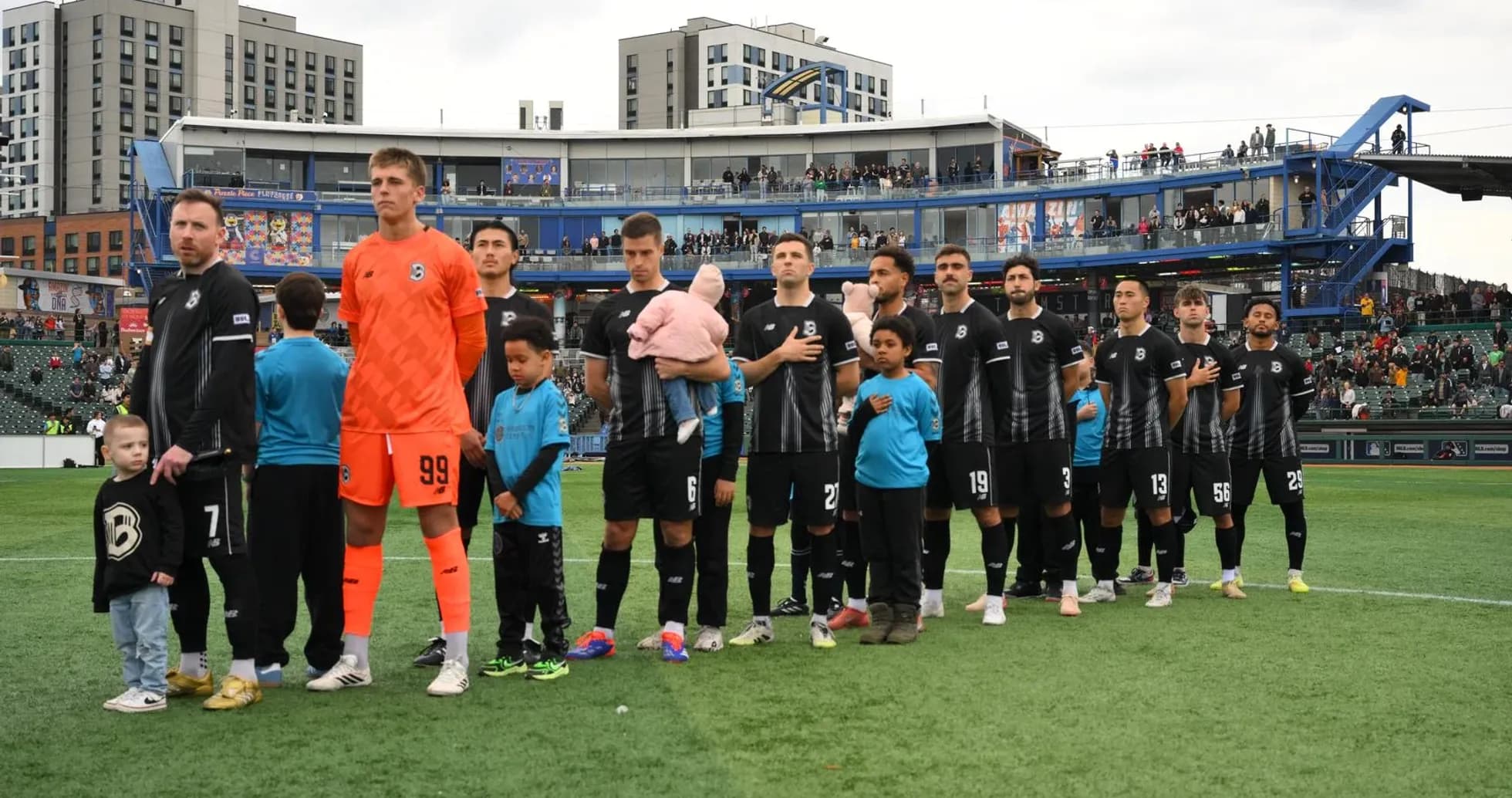
Indy Eleven host Brooklyn at Michael A. Carroll Stadium in a mid-June USL Championship group-stage match that already has direct implications for the promotion picture. In the league phase, Indy sit 6th in USL 1 with 18 points from 11 games (16 goals for, 12 against), currently tracking towards the promotion play-offs (description: “Promotion - USL Championship (Play Offs: 1/8-finals)”). Brooklyn arrive in 11th on 9 points from 12 games (13 goals for, 22 against), needing a result to keep touch with the play-off race and avoid being dragged into a season-long relegation battle.
Head-to-Head Tactical Summary
The only recent meeting on record in 2026 came on 8 March at Maimonides Park, where Brooklyn, at home, beat Indy Eleven 1-0. The match was controlled early by Brooklyn, who led 1-0 at half-time and preserved that scoreline through full time. That result underlines Brooklyn’s capacity to frustrate Indy despite the overall gap in the table.
Global Season Picture
- League Phase Performance:
Indy Eleven: In the league phase, Indy are efficient and solid: 5 wins, 3 draws, 3 losses from 11 games, with 16 goals scored and 12 conceded (goal difference +4). Their home record is a major strength: 5 wins and 1 draw in 6 home matches, with 12 goals for and only 5 against, making them a strong home-side contender in the promotion race.
Brooklyn: In the league phase, Brooklyn have struggled: 2 wins, 3 draws, 7 losses from 12 games, scoring 13 and conceding 22 (goal difference -9). Away from home they are particularly vulnerable, with 0 wins, 2 draws and 4 losses in 6 away fixtures, scoring 7 and conceding 17, a defensive record that leaves them exposed on the road. - Season Metrics:
Scope detection shows team_statistics games played equal the standings totals, so these figures are also In the league phase.
Indy Eleven: Their scoring profile (16 goals in 11 games; 1.5 goals per match) reflects a balanced, moderately effective attack, especially at home where they average 2.0 goals per game (12 in 6). Defensively, they concede 1.1 goals per match overall, with a tighter home figure of 0.8 per game (5 in 6), supporting the view of a compact, relatively stable defensive block. Discipline-wise, their yellow cards are spread across all phases of the game, with noticeable spikes between 31–45 minutes (5 yellows; 26.32% of their total) and 76–90 minutes (4 yellows; 21.05%), indicating an aggressive edge in high-leverage periods. They have 1 clean sheet and have failed to score in 3 matches, all away, underlining a clear home/away split in attacking reliability.
Brooklyn: Brooklyn’s output (13 goals in 12 games; 1.1 per match) is modest, but their main issue is a fragile defense, conceding 22 goals (1.8 per match) and a particularly weak away unit allowing 17 in 6 games (2.8 per match). This justifies describing their defense as leaky (22 goals conceded in 12 games). They have 2 clean sheets, both at home, and have failed to score 4 times (2 home, 2 away), pointing to an attack that can be blunted when pushed back. Their disciplinary profile is heavy: yellows are frequent late in games (6 yellows between 91–105 minutes; 23.08%), and they have already received 2 reds in that same late interval, suggesting potential loss of control in closing stages. - Form Trajectory:
Indy Eleven: In the league phase, the standings form string “LWWWL” shows a high-variance but largely positive recent run: three consecutive wins bookended by two defeats. The trend is of a side capable of strong winning streaks but still prone to occasional setbacks, usually away from home given their perfect home record in the standings data.
Brooklyn: Their “DDLLL” sequence reflects a team stuck in a negative spiral: two draws followed by three straight defeats. That pattern signals stagnation and a lack of momentum, with the inability to convert draws into wins or to halt losing streaks, especially problematic given their away vulnerabilities.
Tactical Efficiency
With no explicit comparison block provided, the tactical efficiency must be inferred from In the league phase statistics.
For Indy Eleven, the attacking efficiency is respectable: 1.5 goals per match overall, driven by 2.0 per game at home, and they have yet to fail to score at Michael A. Carroll Stadium. Combined with a concession rate of 0.8 goals per home match, this suggests a positive attack/defense balance at home, where their “attack index” clearly outweighs their “defense risk” (12 goals scored vs 5 conceded at home). The limited number of clean sheets (1 total) hints that while the defensive structure is generally solid, they often allow some chances, but their goal difference and home dominance indicate they manage game states effectively.
Brooklyn’s efficiency profile is inverted. Offensively, 1.1 goals per match is not catastrophic, but when paired with 1.8 goals conceded per match, the overall balance is negative. Away from home, conceding 2.8 goals per game while scoring only 1.2 creates a consistently unfavorable expected scoreline. This gap between attacking output and defensive leakage points to a low defensive index relative to their attack: even when they score, they rarely control space or limit chances enough to protect leads, as reflected in the -9 goal difference In the league phase.
Discipline further affects tactical efficiency. Indy’s yellow distribution indicates controlled aggression in key phases, without red cards on record, supporting a stable tactical framework. Brooklyn’s late-game yellow and red card spikes, especially the 2 reds in the 91–105 range, suggest their defensive structure and concentration deteriorate under pressure, amplifying the weaknesses already shown in their goals-against figures.
The Verdict: Seasonal Impact
From a seasonal perspective, this fixture is a pivot point for both clubs.
For Indy Eleven, a home win would consolidate their position inside the promotion play-off places In the league phase, pushing them beyond the 18-point mark with games still in hand on some rivals. Given their perfect home record in the standings (5 wins, 1 draw, 0 losses, 12–5 goals), maintaining that dominance would reinforce their profile as a credible contender not just to reach the 1/8 final play-offs but to secure a favorable seeding. Dropped points, especially a draw or defeat against an 11th-placed side with a -9 goal difference, would be a clear missed opportunity and could tighten the pack around the play-off line, increasing pressure on future away fixtures where Indy have been less reliable.
For Brooklyn, the stakes are more about survival in the play-off race and distancing themselves from the lower reaches of the table. Sitting on 9 points from 12 matches, another defeat would deepen the gap to the promotion zone and entrench their status as a lower-mid-table or relegation-threatened side. A draw would at least slow the negative momentum (“DDLLL” could become “DDLLD”), but it would not fundamentally alter their trajectory. A win, however, would be season-altering: it would double as a statement result away to a top-6 team and a platform to rebuild confidence after a run of poor results, potentially transforming their outlook from damage limitation to an outside push towards the play-off spots.
In strategic terms, the match profiles as a must-capitalize opportunity for Indy Eleven to turn strong home metrics into tangible separation in the promotion race, and as a high-leverage chance for Brooklyn to arrest a slide that, if unchecked, could define their 2026 as a struggle against the bottom rather than a chase for the top 4 or the play-offs.
Related News
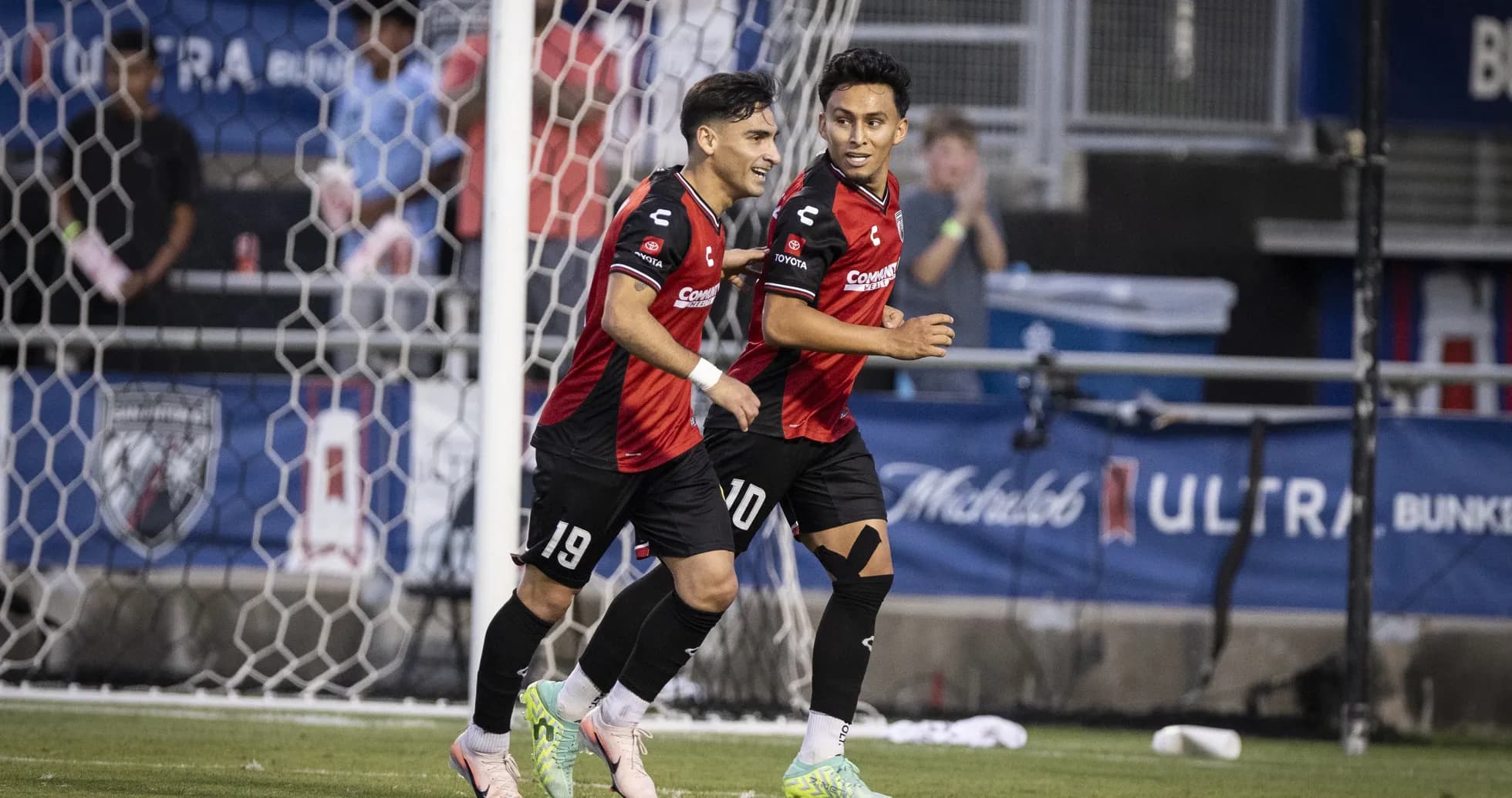
San Antonio's Tactical Edge Secures 2–1 Victory Over Colorado Springs

Charleston Battery Dominates Loudoun United 4–1 in Statement Win

Miami FC vs Orange County SC: USL Championship Clash Highlights
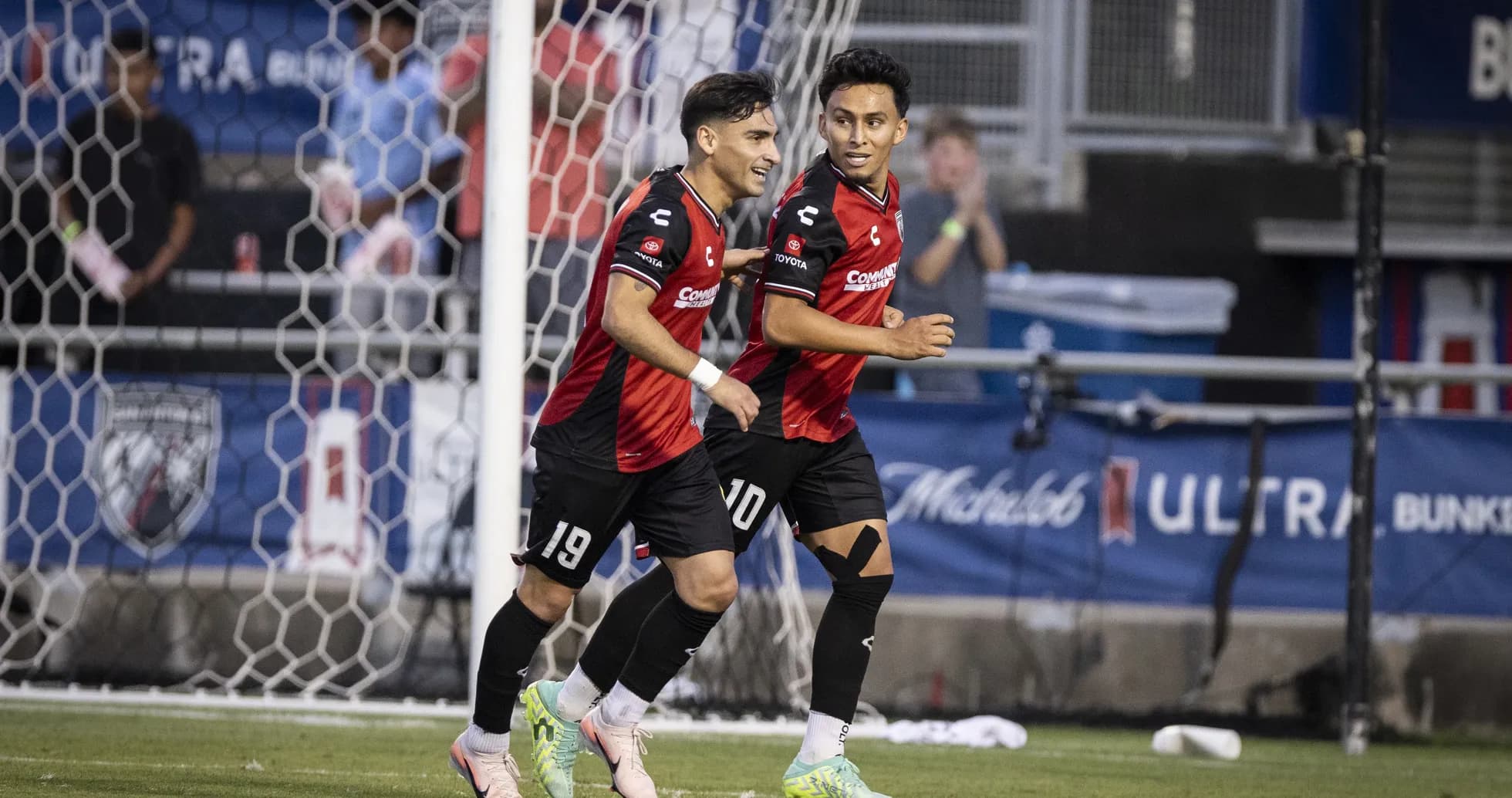
Colorado Springs vs San Antonio: USL Championship Group Stage Preview

Charleston Battery vs Loudoun United: Match Preview
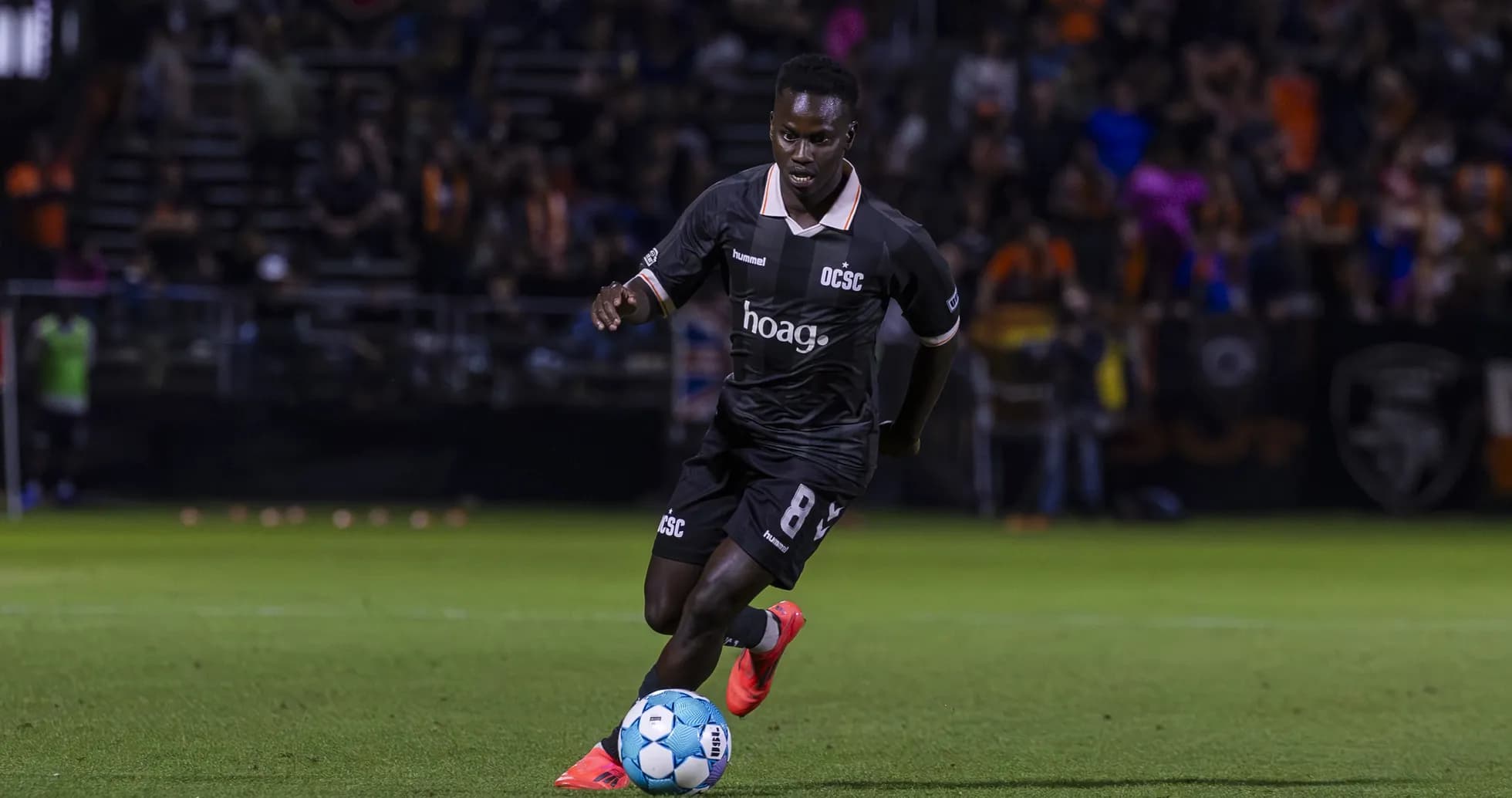
Miami FC vs Orange County SC Match Preview