
Inquest into Nobby Stiles' Death Confirms Traumatic Brain Injury
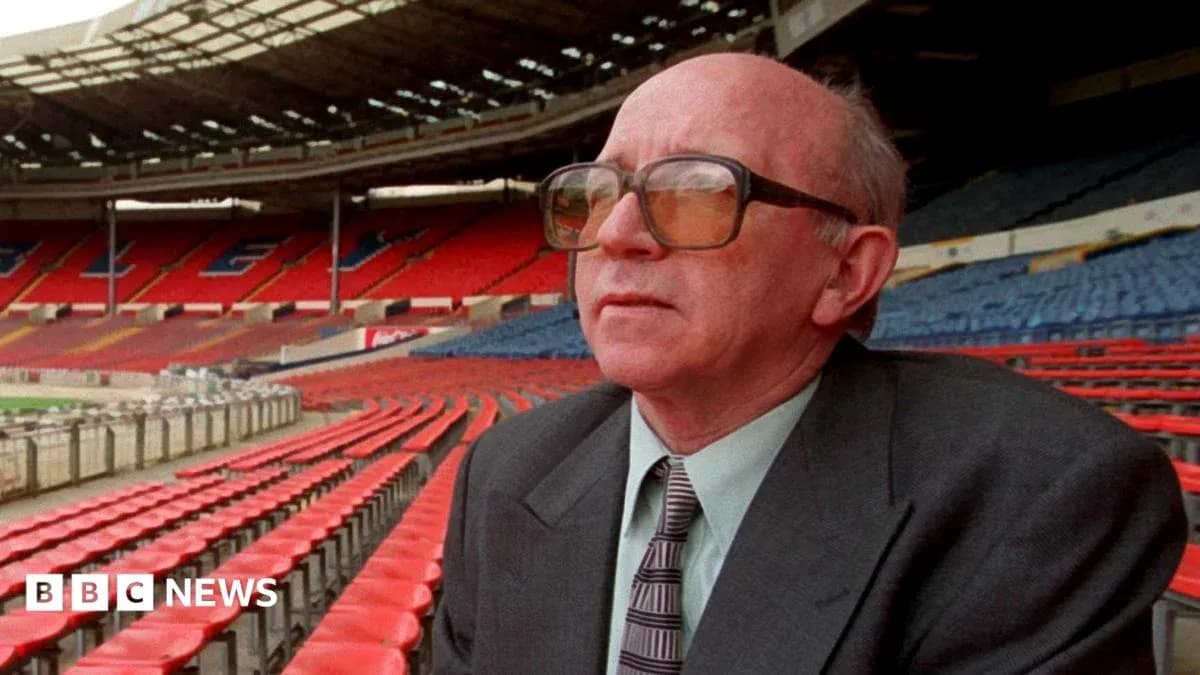
Nobby Stiles, the toothless terrier of England’s 1966 World Cup triumph, died with a traumatic brain injury and will now be the subject of a full inquest, a coroner has ruled.
Stiles, who passed away in 2020 aged 78, was found to have chronic traumatic encephalopathy (CTE) – a degenerative brain disease linked to repeated head impacts – alongside Alzheimer’s disease. The finding pulls one of English football’s most iconic figures deeper into the game’s growing concussion and dementia crisis.
Chris Morris, area coroner for Greater Manchester South, told Stockport coroner’s court that an inquest was required after a neuropathology expert examined Stiles’ brain and medical records.
“For reasons not entirely clear to me,” Morris said, Stiles’ death was not reported to the coroner’s office at the time. The investigation only began after new information from the family, who have been vocal and persistent in their campaign for the game to confront its past.
A World Cup Hero at the Heart of Football’s Reckoning
Norbert “Nobby” Stiles was born in Manchester in 1942 and became the embodiment of the uncompromising defensive midfielder. He was capped 28 times by England, played nearly 400 games for Manchester United and etched himself into football folklore with his ferocious tackling and famous jig at Wembley in 1966, clutching the World Cup trophy.
Decades later, his family say the game he gave everything to took everything from him.
His brain was examined by neuropathologist Dr Daniel du Plessis. After reviewing the tissue and Stiles’ medical history, Dr du Plessis concluded that the primary cause of death was Alzheimer’s disease. But the picture did not end there.
He found that Stiles’ death had been contributed to by high-stage CTE, together with what was described as “stage three limbic predominant age related TDP-43” and small vessel cerebrovascular disease. That combination placed traumatic brain injury squarely within the chain of events that led to his death.
On that basis, Morris said, the law left him in no doubt.
“On the basis of that cause of death, particularly the inclusion of a traumatic injury included in the cause of death, I’m satisfied an inquest is required into the sad death of Mr Stiles,” he told the court.
A full inquest hearing will be held on Wednesday at the same court.
Family Campaigns and a Legal Battle
For Stiles’ son John, this is not a new fight. It is the latest step in a battle he has been waging in public for years.
He has previously said that football “killed” his father. As head of Football Families for Justice (FFJ), he has become one of the most prominent voices demanding that football authorities support former players living – and dying – with the consequences of their careers.
The cost to his own family was stark. Nobby Stiles was forced to sell his World Cup winner’s medal to fund his dementia care. A symbol of national glory turned into a lifeline.
John Stiles is among dozens of former players and relatives suing the Football Association, the Football Association of Wales and the English Football League. Their claim is blunt: that the governing bodies were “negligent and in breach of their duty of care” to players by failing to protect them from known or foreseeable brain injury risks.
Lawyers acting for the families argue that football’s authorities knew, or should have known, for decades that repeatedly heading the ball in training and matches was likely to cause brain damage. The science, they say, has been building in plain sight.
The FA disputes that characterisation. In March, its lawyers told the High Court that it has “not been established by science” that heading a ball or “occasional” concussion can lead to permanent brain damage. The gap between lived experience and legal proof remains the battleground.
A Pattern That’s Hard to Ignore
Stiles’ case does not stand alone. It sits alongside a grim roll call of former professionals whose final years were dominated by neurodegenerative disease.
In January, an inquest into the death of Gordon McQueen, the former Scotland, Manchester United and Leeds United defender, found that heading the ball was “likely” to have contributed to a brain injury that played a part in his death at 70. McQueen, like Stiles, was diagnosed with CTE.
His daughter, TV presenter Hayley McQueen, has spoken starkly about what has happened to that 1966 generation. She said England’s World Cup-winning team had now been “pretty much wiped out” by neurodegenerative disease.
The numbers are sobering. A landmark study in 2019, co-funded by the FA and the Professional Footballers’ Association, reported that former professional footballers were three-and-a-half times more likely to die of neurodegenerative disease than people of the same age in the general population.
Those findings have already begun to change the sport. The FA is phasing out heading in youth football up to under-11s by 2026, a dramatic shift for a game once built on towering centre-halves and aerial duels.
The inquest into Nobby Stiles’ death will not decide liability for football’s past. It will, though, place one of the sport’s most cherished figures at the centre of a legal process that asks a blunt question: what did the game do to its own, and what must it do now to protect the next generation?
Related News

Anthony Joshua Names Murat Gassiev as Next Opponent if He Defeats Tyson Fury
UFC 332: Start Time and Fight Highlights for Natalia Silva vs. Wang Cong
Court McGee Opens Up About Choosing UFC 332 as His Final MMA Fight
WBC Orders Lightweight Title Unification: William Zepeda vs Jadier Herrera

BCCI Pension List: Monthly Payments to Retired Indian Cricketers in 2025

Why Fury vs Joshua Is Set for Cardiff, and Dua Lipa’s Unexpected Role