
Inter Miami's Future Without Messi: Why Planning Ahead Is Crucial
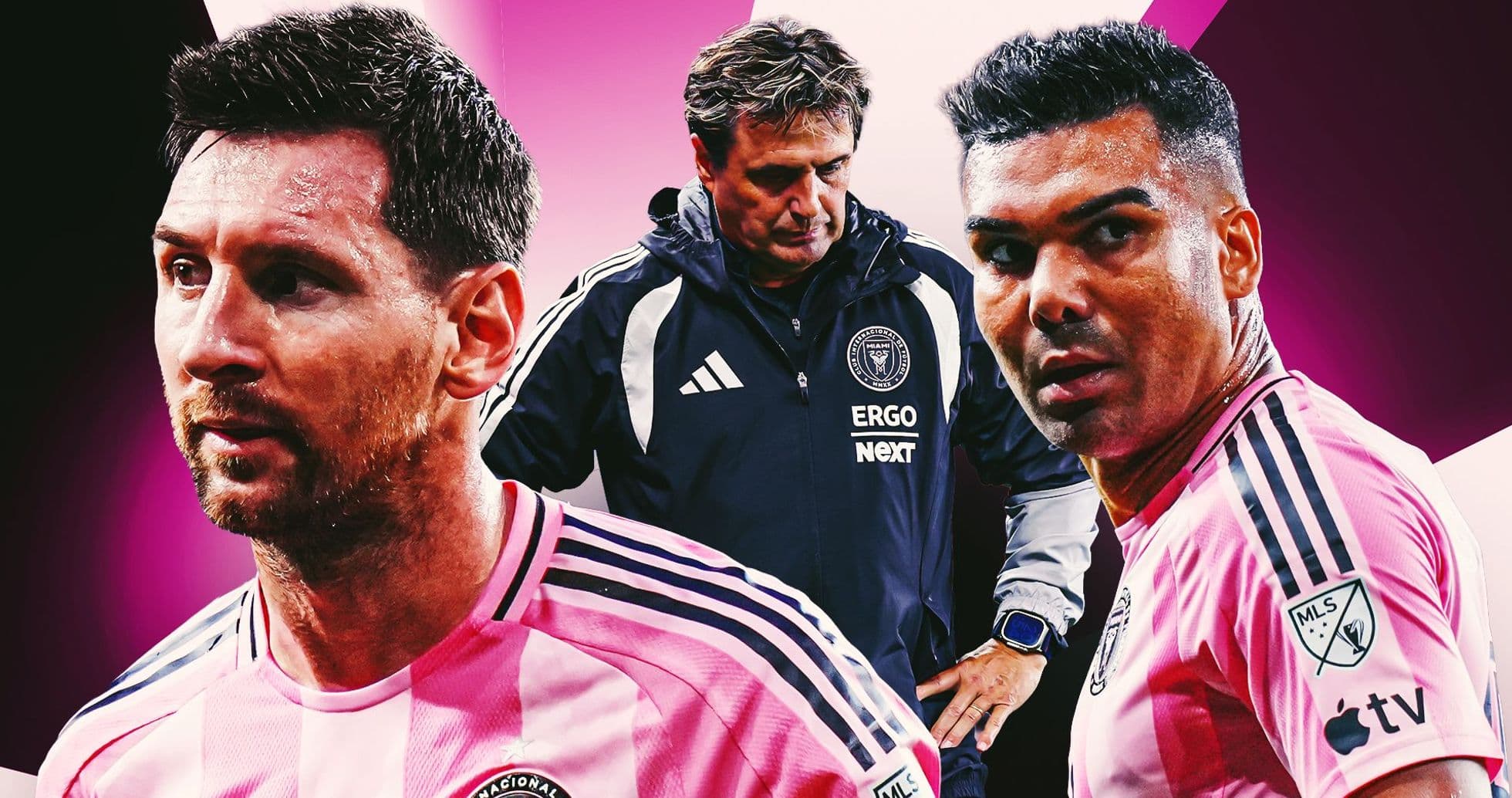
Lionel Messi has reshaped Inter Miami, turning them from one of MLS's weakest squads into champions and a worldwide phenomenon. His presence elevated the club’s profile tremendously, backed by Jorge Mas’s finances and David Beckham’s influence. But this success story is tied tightly to Messi’s career, and his future beyond Miami is uncertain.
At 39, Messi is nearing the end of his playing days. The 2026 World Cup likely marks the close of his international run, and recent personal reflections have sparked speculation about how much longer he intends to play. Though his contract runs through 2028, age and ambition leave no guarantees.
A Team Built Around One Man
Miami’s current squad reveals a concerning truth: without Messi, they struggle significantly. Their recent 4-1 defeat to Nashville highlighted major weaknesses. Despite dominating possession, Miami was vulnerable on counterattacks. The midfield lacked pace, and defensive organization was poor. Key players like Hany Mukhtar exploited their gaps, scoring twice.
Limiting Messi’s influence exposes Miami’s fragility. Players such as Luis Suarez, also 39, cannot cover ground effectively; Rodrigo De Paul works hard but can’t compensate alone. The defense shows stark contrasts in quality, with veterans like Jordi Alba outshining less experienced replacements like Sergio Reguilón. This isn’t something tactics can fix easily; Miami is an average playoff contender largely dependent on Messi’s brilliance.
Flawed Transfer Strategy
The club’s player acquisitions hint at a short-term focus on pleasing Messi rather than building a sustainable squad. Signings such as Casemiro and Berterame haven’t addressed core issues like midfield energy or attacking sharpness effectively. Young talents like Benjamin Cremaschi felt underutilized, which raises questions about development priorities.
Messi’s influence over signings is clear. In 2023, players like Sergio Busquets and Alba joined partly to entice Messi. De Paul admitted his move was motivated by the chance to play alongside Messi and prepare for the World Cup. Casemiro himself said he came "only to play with the best player of all time." This approach prioritizes Messi’s comfort over broader team planning.
What If Messi Leaves?
The possibility of Messi departing poses serious risks. Several Designated Players (DPs), including De Paul and Berterame, are signed through 2029 on expensive contracts. Losing Messi would leave Miami with costly players who don’t form a balanced core. Even if Casemiro doesn’t occupy a DP slot now, contract structures could limit flexibility.
Miami needs a successor who can carry both sporting and commercial weight. Julian Alvarez fits the profile: young, talented, marketable, and Argentine. Still, acquiring him seems unlikely given Atletico Madrid’s high asking price and recent transfer dealings. A switch to domestic stars like Christian Pulisic or Weston McKennie might be more feasible but won’t match Messi’s global appeal.
Messi’s role goes beyond the pitch. He drives sponsorships, ticket sales, and worldwide attention. A stand at DRV PNK Stadium bears his name, and his compensation reportedly includes ownership stakes. Miami has built its identity around him and hasn’t shown a clear plan for rebuilding when he eventually departs.
Looking Ahead
Before Messi’s arrival, Miami ranked near the bottom in MLS attendance and had never won a trophy despite signing some notable players. When Messi joined in July 2023, they were already far from playoff contention with a patchy roster and coaching changes.
The danger looms that Miami will revert to those struggles after Messi leaves. MLS is shifting to a Fall-Spring calendar in 2027-28, with possible salary rule adjustments. This could open opportunities for Miami to rethink its strategy seriously.
For now, Messi remains their cornerstone with at least one full upcoming season plus parts of two others. Still, recent performances show how challenging it will be for Miami to succeed without him. Each time Messi walks off after a loss, the question lingers: what will remain when he steps away for good?
Related News
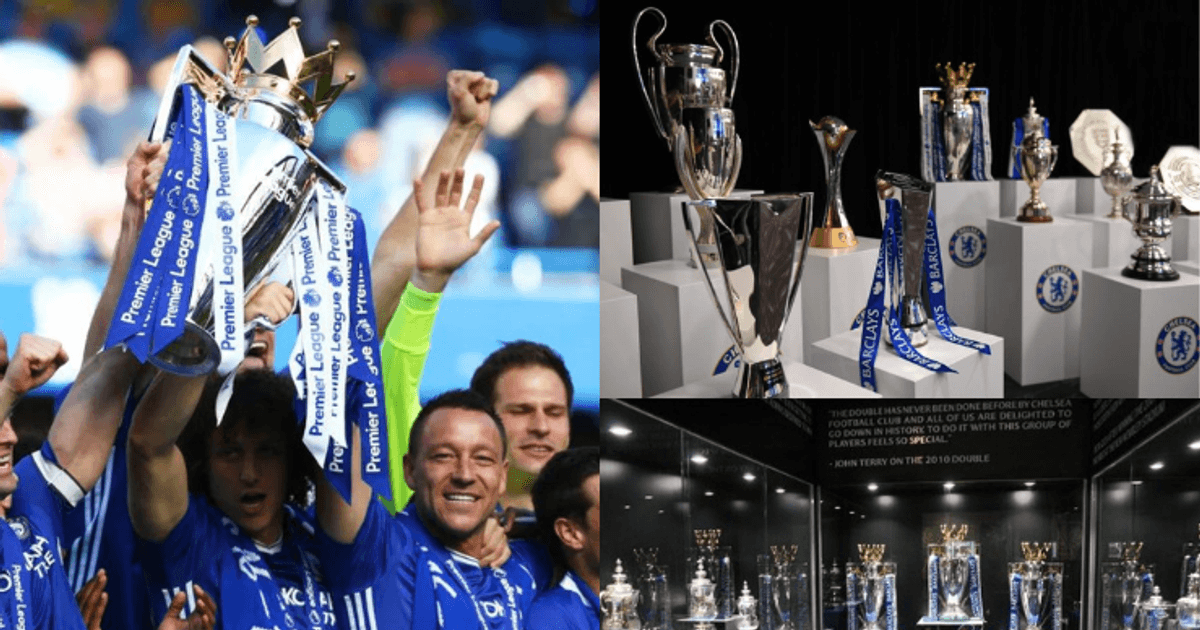
Complete Record of Chelsea's Trophy Wins Throughout History
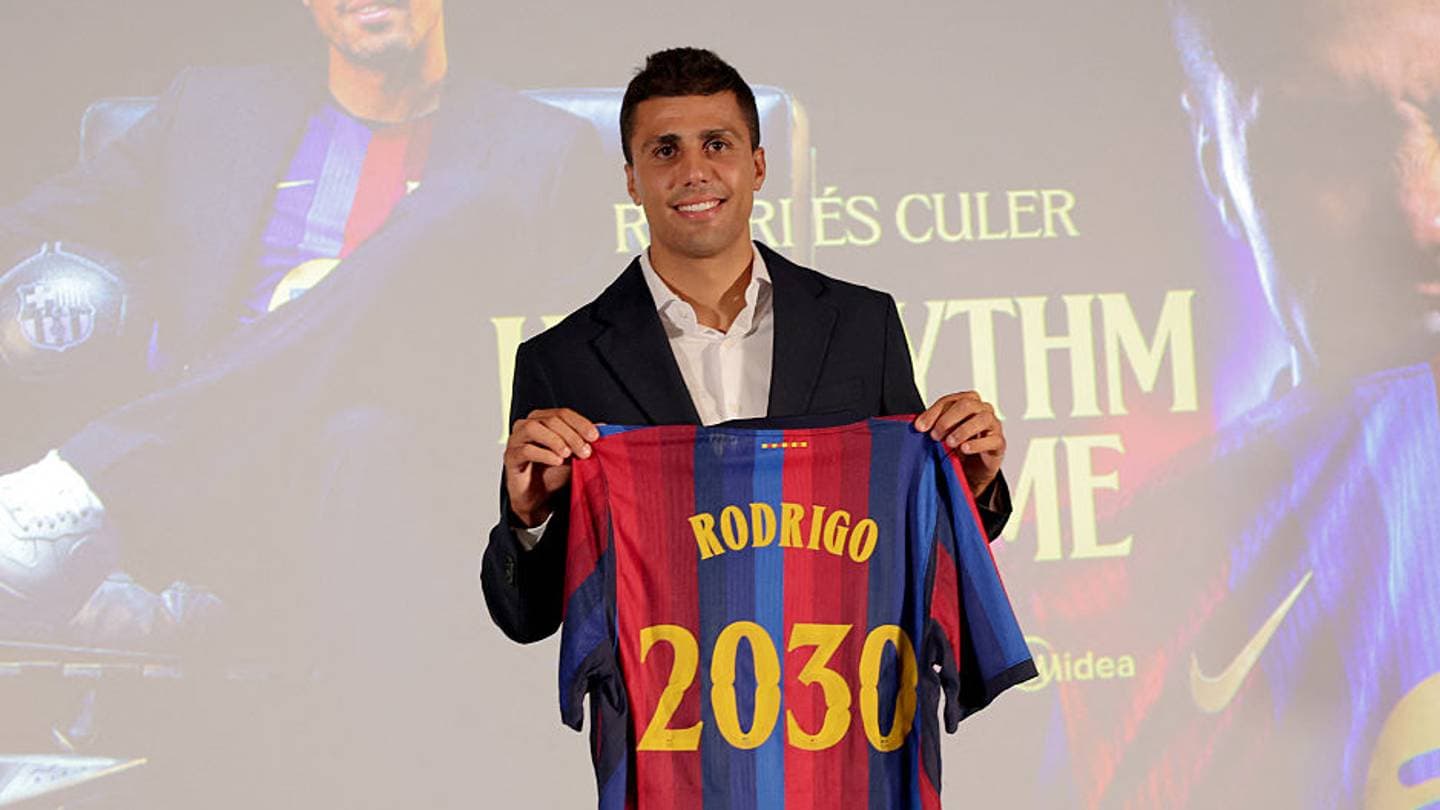
Rodri’s Move to Barcelona: Who Gains and Who Loses?
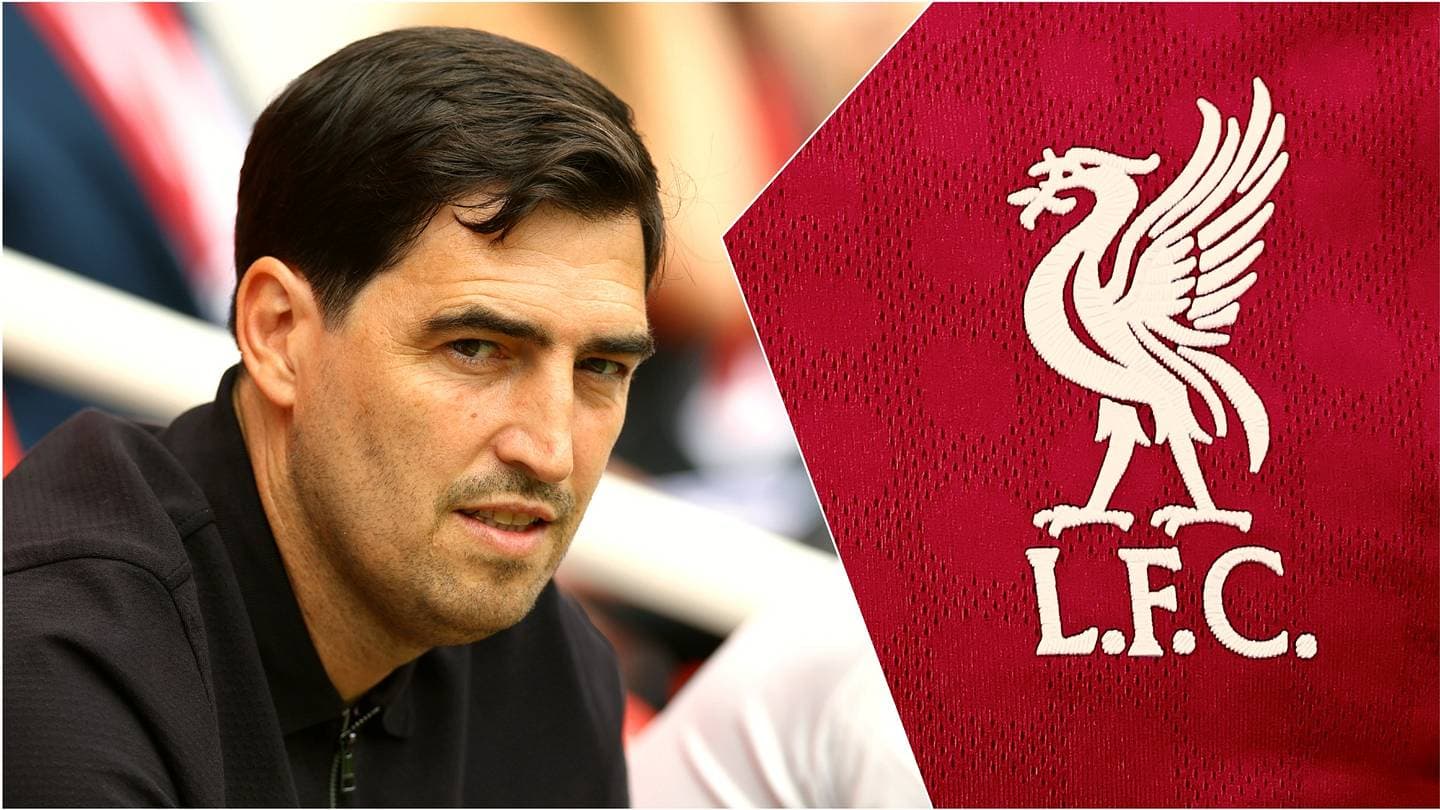
Liverpool 2026–27 Season Outlook: Cautious Optimism for Andoni Iraola’s First Year
Zavier Gozo Joins Crystal Palace as Rising American Soccer Talent
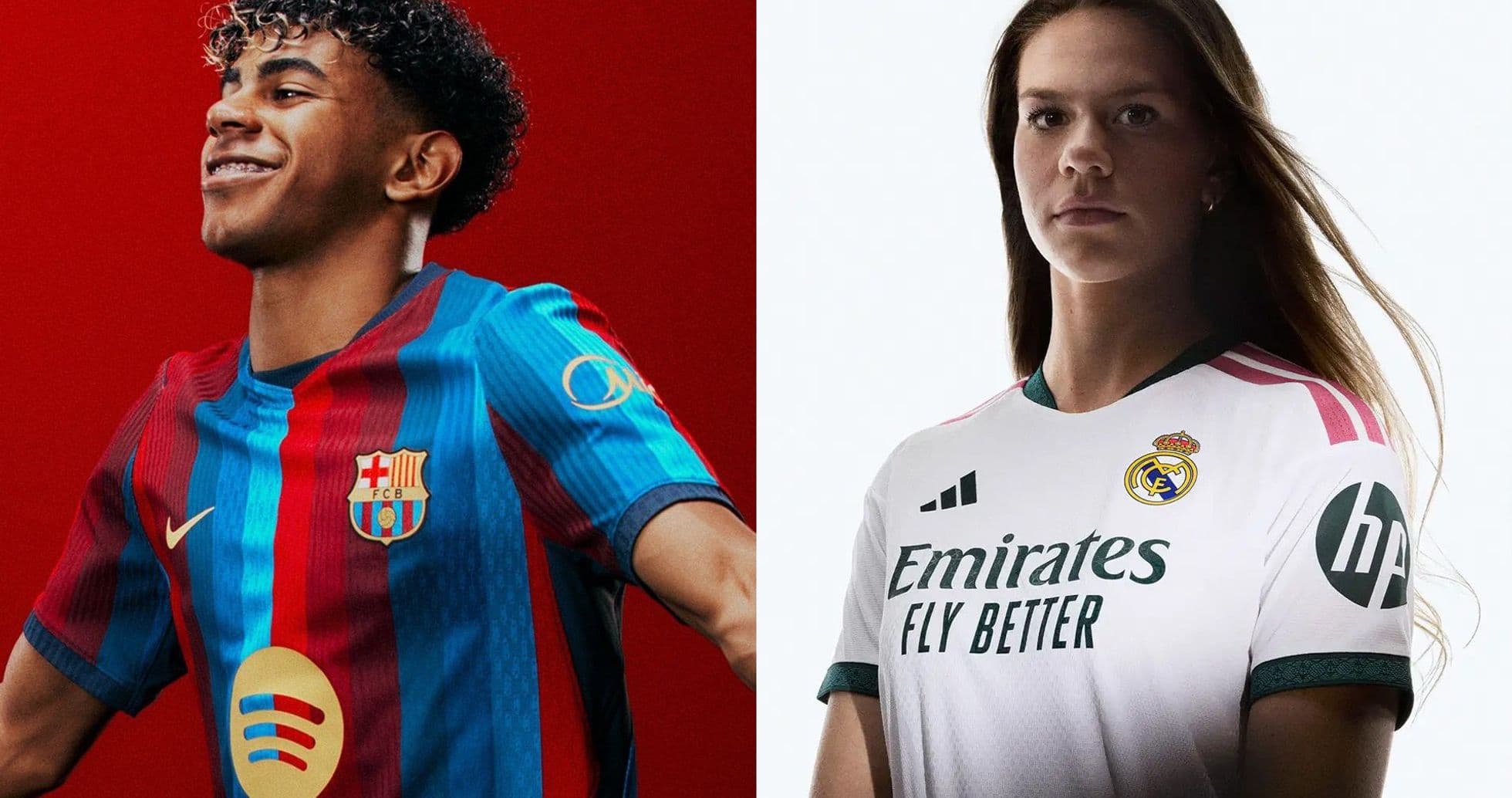
Revealing the 2026-27 Football Kits from Juventus, PSG, Bayern Munich, Borussia Dortmund and More
Rodri Explains Why He Picked Barcelona Over Real Madrid