
Ismaël Koné's World Cup Ends After Surgery for Broken Leg
The roar inside BC Place had barely died down from Canada’s third goal when the noise changed. It turned into something sharper, anxious. A 6-0 World Cup win over Qatar, a night that should have lived only in history and joy, now carries a brutal asterisk.
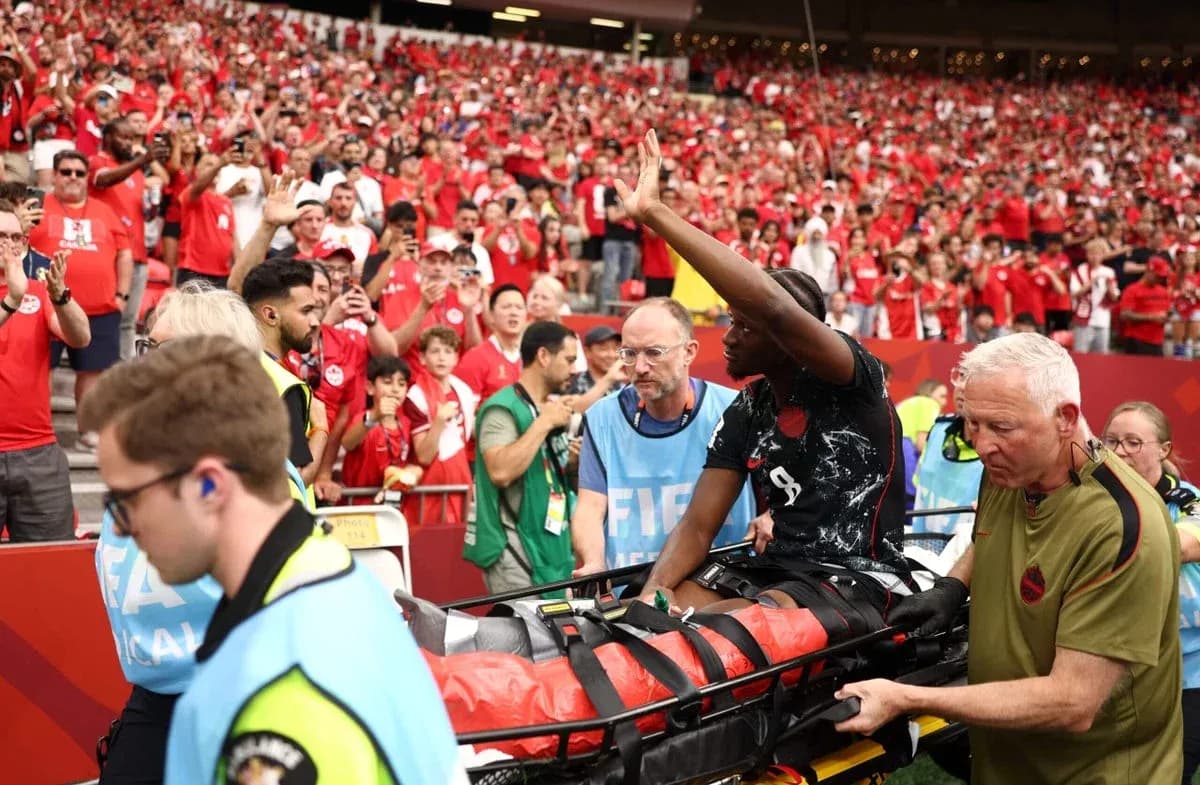
Ismaël Koné, one of the faces of this new, fearless Canada, has seen his tournament ended by a fractured left leg.
Canada Soccer confirmed on Friday that the 24-year-old midfielder underwent successful surgery after the injury he suffered in the 51st minute of Thursday’s group-stage match in Vancouver.
“Last night, Ismaël Koné underwent successful surgery to repair a lower limb fracture,” read the federation’s statement. “He is expected to make a full recovery but will miss the remainder of FIFA World Cup 2026.”
A historic night, a sickening moment
Koné’s injury came in a match that had, until then, showcased everything Canada want to be on home soil: aggressive, relentless, ruthless. They were 3-0 up. Qatar were already down to 10 men after Homam Al-Amin’s 33rd-minute red card for hauling down Tajon Buchanan and denying an obvious goalscoring opportunity.
Then came the tackle.
Koné collected the ball near the touchline in front of the Canada bench, pivoting away from pressure, exactly the sort of tight-space control that has made him so important to Jesse Marsch’s side. Qatar midfielder Assim Madibo arrived late from behind and caught Koné’s lower left leg.
The sound told its own story.
“You could hear the bone snap,” Marsch said after the game. “Your heart goes out to him. Everybody’s shaken for him.
“I don’t think he (Madibo) meant such a gruesome situation. I don’t fault him for that.”
Koné immediately clutched his leg and went down. Medical staff sprinted onto the pitch. Tempers flared. Richie Laryea confronted Madibo, players from both sides arguing as the severity of the injury became clear just a few feet from the Canadian dugout.
Madibo was initially shown a yellow card, but after a video assistant referee review, the caution was upgraded to a red, leaving Qatar with nine men.
Inside the hospital
By the time Marsch and staff reached Koné later, the midfielder was already being prepared for surgery.
“By the time we got to him, he’d already had some drugs to help sedate him a little bit,” Marsch said at a news conference after Canada Soccer’s announcement. “He was being prepared to go into the operation room. But he was in really good spirits and he was adamant that he’s going to be fine.
“(The surgery) took about an hour and a half and they had three surgeons. I think what happened is the surgeons watched it on TV and they saw what happened and they knew right away. And so they brought their top three surgeons to the hospital immediately to take care of him.
“So by the time he got there, the surgeons were there and they were ready. And then we just had to communicate with our medical team and make sure that the surgery was the best option that we thought. But I could see by meeting them and hearing what they had to say about the situation that he was in really good hands. So the surgery they said went really well.”
His club, Sassuolo, echoed that message on Friday.
“The operation to repair the fracture in his left leg was a complete success. The player will begin his rehabilitation programme in the coming days. The whole club sends Ismaël their best wishes for a speedy recovery.”
A team responds in real time
On the pitch, Canada had to adjust instantly. Nathan Saliba came on for his injured team-mate and, in a moment that captured the emotional swing of the night, scored Canada’s fourth goal around 10 minutes later.
He celebrated by lifting Koné’s No 8 shirt above his head, a simple gesture that cut through the chaos.
Canada did not ease off. Reduced to nine men, Qatar were overrun as Marsch’s side powered to a 6-0 win, a statement scoreline in a home World Cup that had just lost one of its central characters.
The cost of regulations
Koné had started both of Canada’s group matches and was a central piece of Marsch’s high-tempo, front-foot approach. Losing him would hurt any time. Losing him during a World Cup, with no chance to replace him, is brutal.
Tournament regulations mean Marsch cannot call up another outfield player. Any injury replacement for an outfield player had to be made 24 hours before Canada’s opening match. That window is gone. So is Koné’s tournament.
Canada now head into Wednesday’s game against Switzerland knowing a draw will secure top spot in Group B. They will do so without a midfielder their coach openly admits is unique.
“There is no like-for-like replacement for Kone,” Marsch said after the Qatar match, noting that Koné “can do things that no other player can do.”
How Marsch reshapes the midfield
The plan, at least initially, is clear. Saliba will be asked to step into the vacancy left by his close friend. At 22, he brings energy and directness, and his performance off the bench against Qatar showed he can handle the stage.
But Marsch’s adjustments will not stop there. Niko Sigur, often used at full-back for Canada, is expected to slide into central midfield to inject creativity and composure in possession. His positional intelligence and passing range will be crucial as Canada look to control games from the middle rather than simply overpower opponents.
The tactical puzzle is one thing. The emotional gap is another. Koné’s ability to break lines, to ride pressure and to turn defence into attack in a stride or two, has become a defining trait of this Canadian side. You don’t just replace that. You learn to play differently.
Canada’s World Cup story rolls on, bigger and bolder with every game. But from here on, it moves forward without one of its brightest sparks on the pitch — and with a squad determined to make sure his tournament-ending injury doesn’t halt their momentum.
Related News

Anthony Joshua Names Murat Gassiev as Next Opponent if He Defeats Tyson Fury

UFC 332: Start Time and Fight Highlights for Natalia Silva vs. Wang Cong
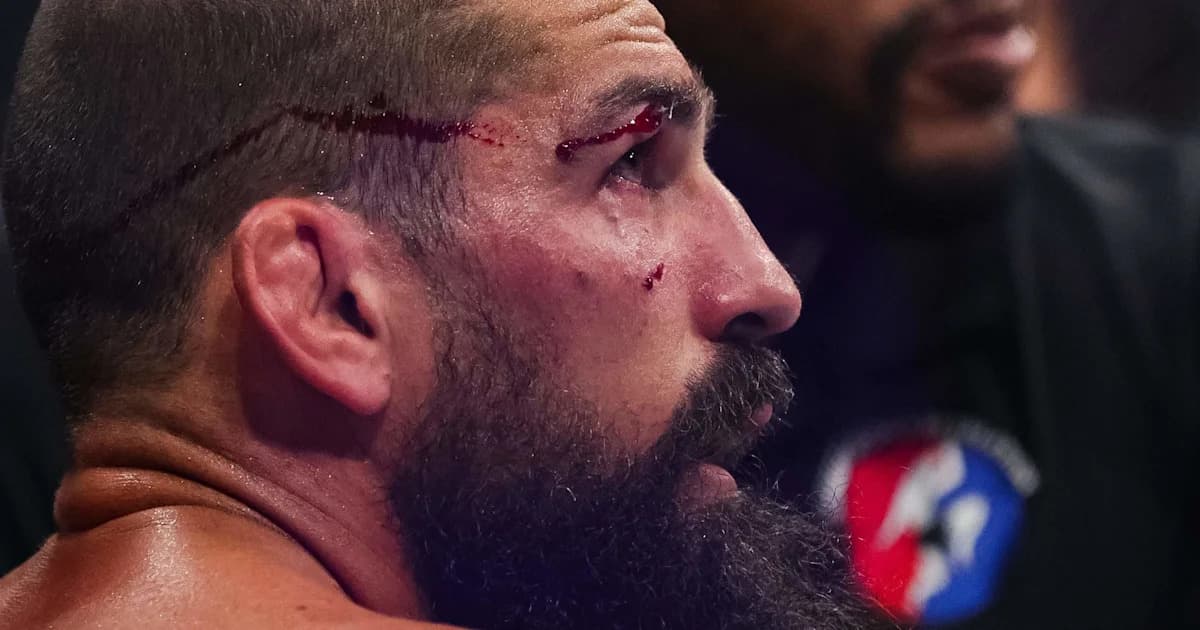
Court McGee Opens Up About Choosing UFC 332 as His Final MMA Fight
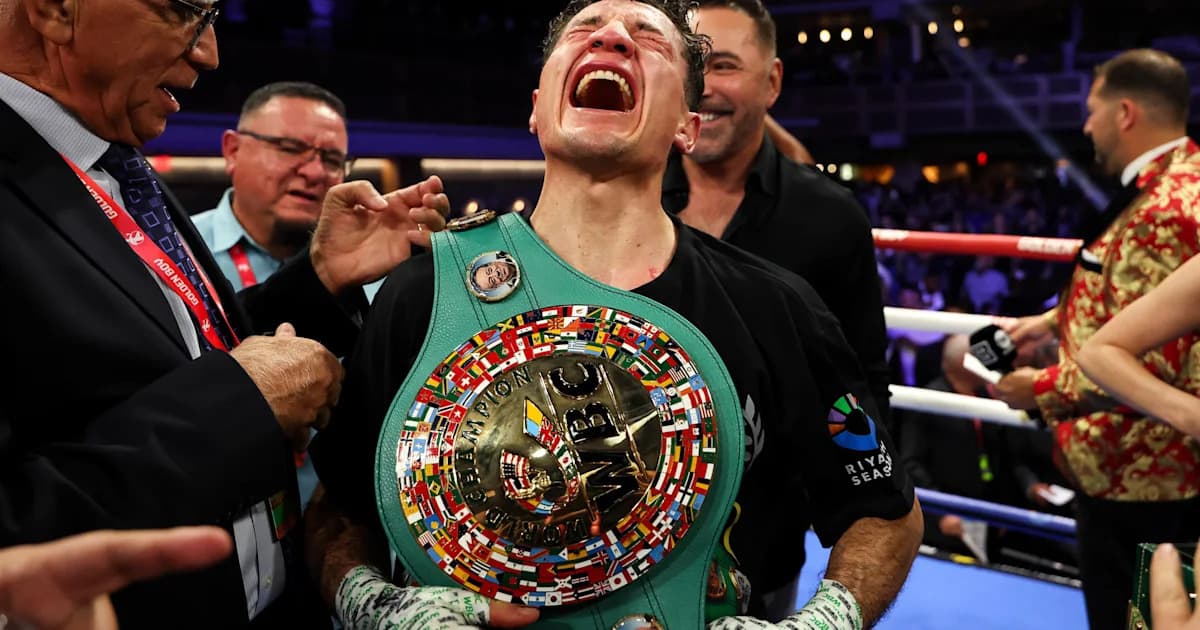
WBC Orders Lightweight Title Unification: William Zepeda vs Jadier Herrera
BCCI Pension List: Monthly Payments to Retired Indian Cricketers in 2025

Why Fury vs Joshua Is Set for Cardiff, and Dua Lipa’s Unexpected Role