
Jamshedpur FC Exits ISL: The End of an Era
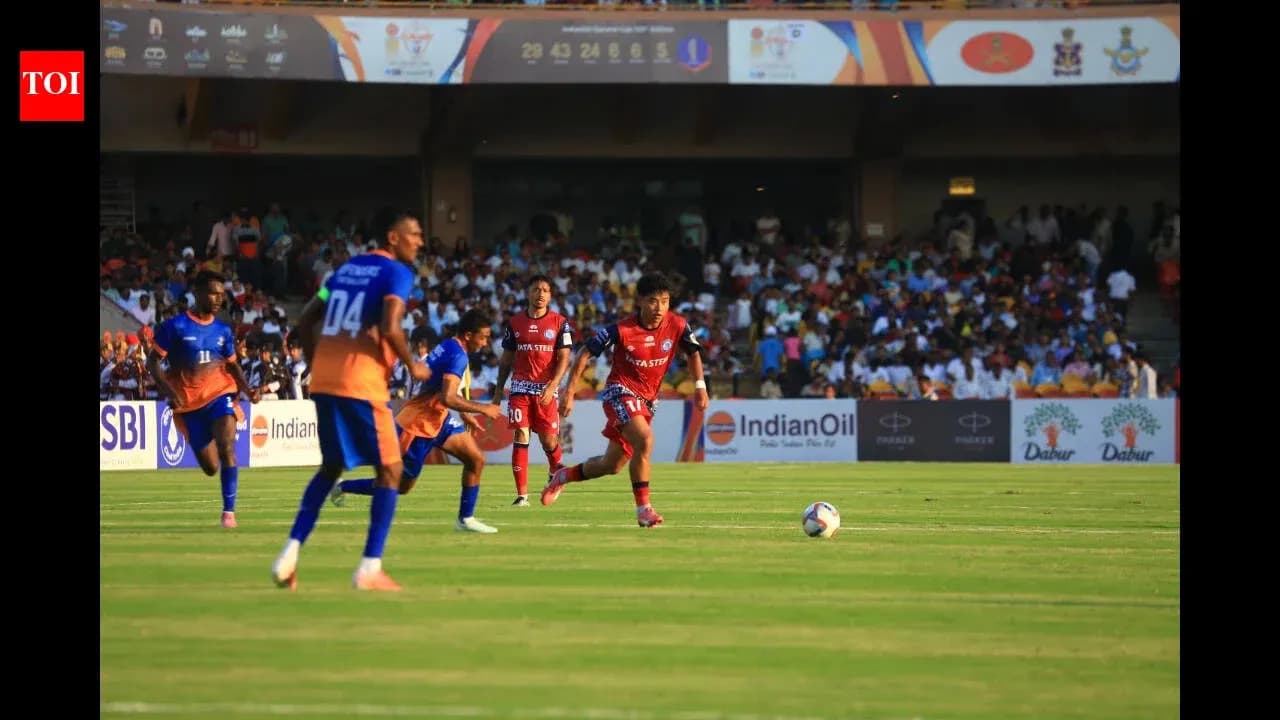
The Furnace will go cold.
Nine years after bringing top-flight football to Jamshedpur, Tata Steel has pulled Jamshedpur FC out of the Indian Super League, ending one of the league’s most distinctive projects and leaving a gaping hole in its new club-led era.
The announcement came on Friday, low on detail but heavy with consequence.
“Jamshedpur FC would like to confirm that it will not be participating in ISL from 2026-27 season onwards,” the club said in a statement.
The parent entity, JFSPL, stressed it would stay involved in Indian football “in other capacities” and underlined its commitment to grassroots development and youth pathways. The words were careful. The silence on the real reasons was louder.
Behind the scenes, the picture is starker. Those familiar with the situation point to mounting financial losses and growing unease about the league’s long-term sustainability. The decision has already been formally communicated to the All India Football Federation, and inside the club the impact is immediate and personal.
CEO Mukul Choudhari convened staff and delivered the news: the senior team would cease to exist. Close to 50 employees across administration, technical, youth, and grassroots departments were left staring at an uncertain future. For a club built around a factory town’s pride and a company’s sporting legacy, the human cost runs deep.
This is not just any team stepping away. Jamshedpur FC arrived in the ISL in 2017 after Tata Steel won the expansion bid, and quickly carved out a unique identity. Their home, the JRD Tata Sports Complex, became “The Furnace” — a stadium that lived up to its nickname with searing atmosphere and thick, unfiltered passion. Crowds flocked in, not for glitz, but for a team that felt rooted in the city’s working-class heartbeat.
The high point came in the 2021-22 season. Under Owen Coyle, Jamshedpur didn’t just compete; they conquered, finishing as champions and proving that a project grounded in structure and community could outlast hype. Now, as the ISL kicks off again in October, those champions will be absent from the top table.
The timing jars with the league’s latest structural shift. For the first time, the ISL is operating under a club-led model, with the participating teams collectively running the competition through a dedicated operating entity, while the federation retains a 10% stake. On paper, it’s a statement of maturity and shared ownership. In practice, one of those very clubs has just walked away, raising uncomfortable questions about the financial strain of staying in the game.
Inside the dressing room, the uncertainty is just as sharp. Jamshedpur have at least 12 senior players tied down on long-term contracts, and Coyle himself remains under contract after delivering the club’s greatest success. There is no clarity yet on how those deals will be handled or what comes next for the squad.
Several others were brought in on short-term contracts purely for the ongoing Durand Cup campaign: former India midfielder Raynier Fernandes, Abhishek Ambekar, Aman CK, Devendra Murgaokar, Leewan Castanha and Provat Lakra. They, like the rest of the group, are playing a tournament for a club whose top-tier future has already been signed off in past tense.
For Tata, this is not a casual retreat from a passing interest. The group’s ties with Indian football stretch back decades. Its Mumbai-based side once dominated the domestic circuit, lifting the Durand Cup, IFA Shield and Rovers Cup. The Tata Football Academy in Jamshedpur became a byword for elite youth development, producing close to 150 players for various Indian teams over nearly thirty years. Tata Steel even helped bring global heavyweights to Indian shores, arranging friendlies with clubs like PSV Eindhoven and Sao Paulo.
That heritage is precisely why this exit stings. A company that invested in the game long before television money and franchise bids has now decided that running an ISL club no longer adds up.
For the league, it is a warning shot. For Jamshedpur’s fans, it is a wrench. The Durand Cup campaign goes on for now, the senior team still pulling on the red shirt, still playing under a crest that will soon vanish from the ISL landscape.
When the lights eventually dim at The Furnace, Indian football will be left to ponder a hard question: if even Tata walks away from the top tier, who has the appetite to stay the course?
Related News
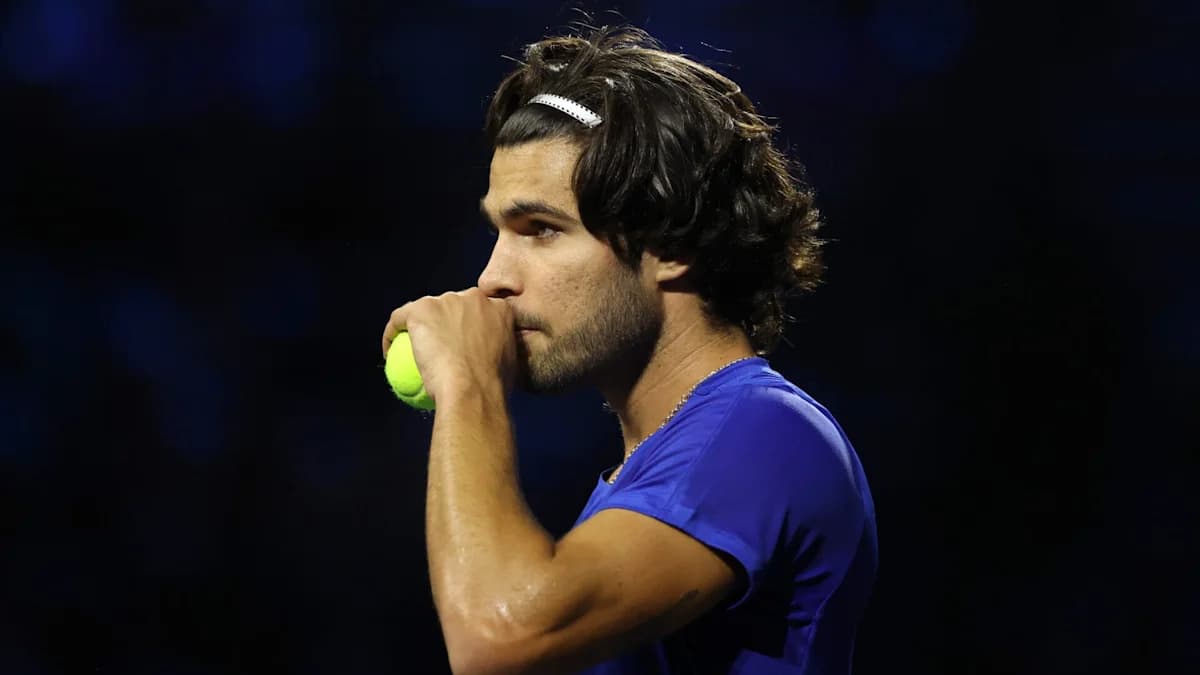
Carlos Alcaraz Calls for Change After Laver Cup Court Conditions
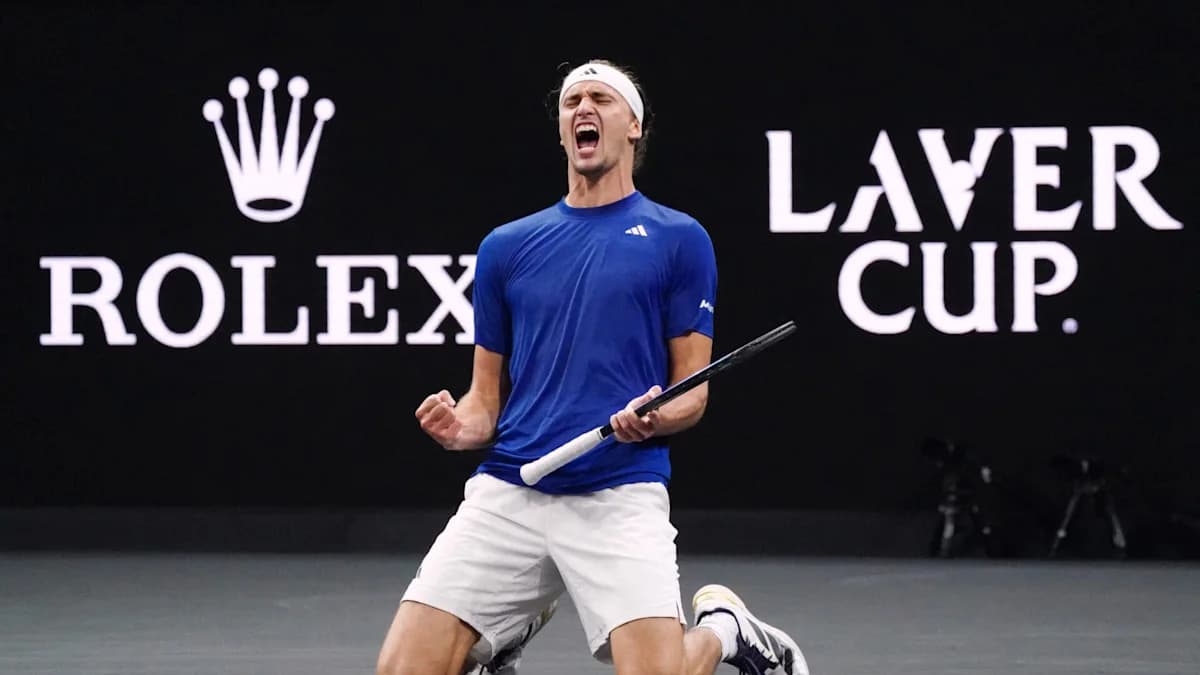
Alexander Zverev Secures Laver Cup Victory for Team Europe with Straight-Set Win Over Learner Tien
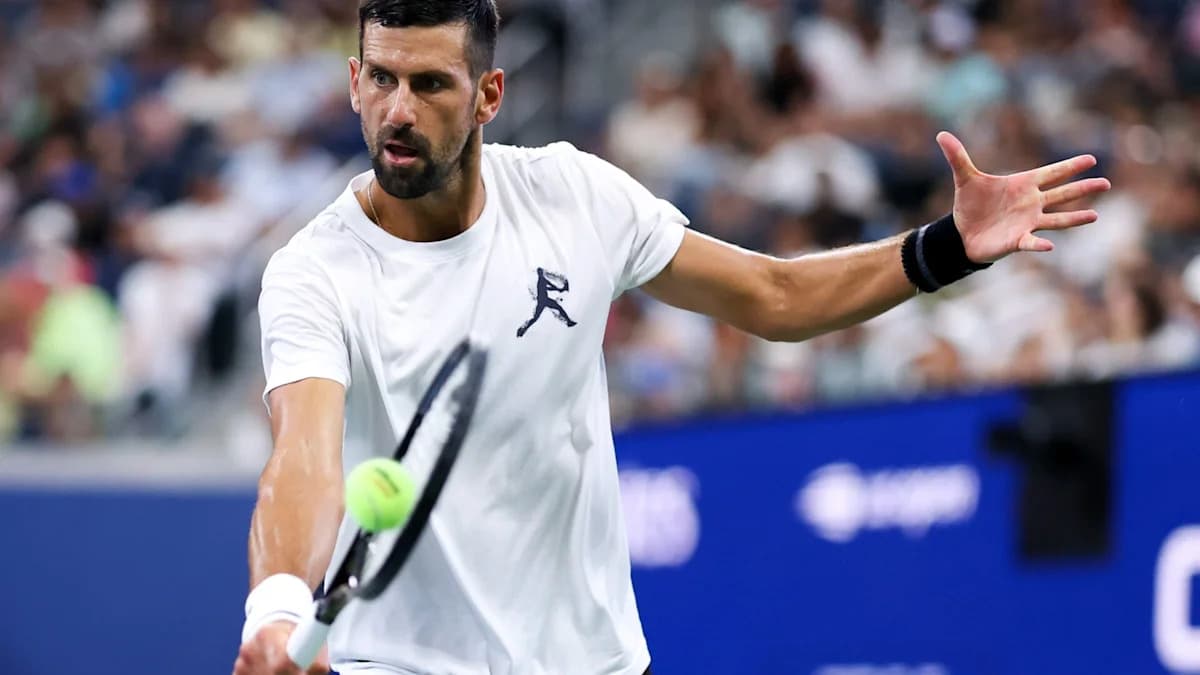
Novak Djokovic Shares Fitness Update Before China Open Return After US Open Upset
Shubman Gill's Captaincy Record Across All Formats: Tests, ODIs, T20Is, and IPL
Kuldeep Yadav Named Player of the Match Over Virat Kohli Despite Century in IND vs WI 1st ODI
India Advances to Asian Games 2026 Cricket Semi-Finals After Rain Washout Against Afghanistan