
Jordy Bos Shines in Australia’s Draw with Paraguay
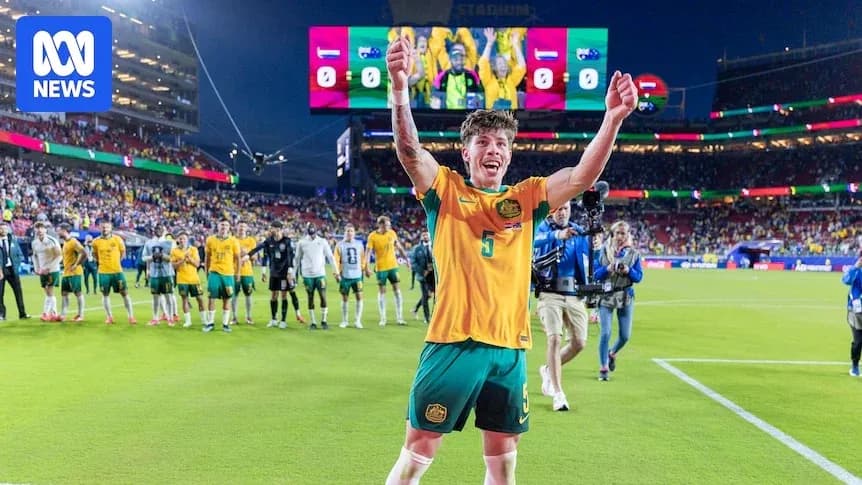
Australia’s goalless draw with Paraguay will not live long in the memory for its scoreline. For Jordy Bos, it might be the night his World Cup truly announced itself.
Asked to play out of position on the right of defence, the Feyenoord fullback treated the flank as his own private runway. He drove high, he drove hard, and he drove repeatedly at a Paraguayan back line that never quite worked him out.
He did not win player of the match. Inside the Australian camp, that hardly mattered.
“He’s the best player in the world, Jordy Bos,” Nestory Irankunda declared after the 0-0 stalemate. The praise sounded extravagant. His performance made it sound less so.
Bos created more chances than anyone on the pitch, unleashed the most shots and completed the most dribbles, combining sharply with Cristian Volpato down the right. From deep starting positions, he surged into spaces a winger would envy, stretching Paraguay and giving the Socceroos their clearest route to goal.
There were echoes of Gareth Bale in the way he roamed: a fullback by trade, playing with the freedom and swagger of a wide forward. The comparison surfaced around the team, but Bos’s own footballing inspiration lies elsewhere.
He grew up watching Arjen Robben, the Dutch master of the cut-in and curl. On this night, the finish deserted him.
“Unfortunately, I didn’t score like him, but I tried, tried my hardest,” Bos said. “I think I could have scored a couple, but I think from now on if everyone puts their best foot forward and we get chances, we just have to finish it. The sky’s the limit.”
The sky felt a little closer for Australia by full-time. The point secured progression to the round of 32, and it came with another significant milestone at the back.
Herrington’s quiet breakthrough
While Bos tore forward on one side, Lucas Herrington went about his work with a quieter authority on the other. No showreel runs, no wild gesturing. Just composure, timing and an 18-year-old playing as if the stage belonged to him.
In doing so, he became the youngest Australian to start a World Cup match, nudging Irankunda’s record aside almost as soon as it had been set.
Herrington’s rise has been rapid. Big European clubs have already circled, with Barcelona among those tracking his development. That noise will only grow after a performance like this, but the teenager wants none of it right now.
“I’m here at the World Cup, so that’s my main focus. I just want to help the team as much as possible, and we can deal with that after,” he said.
It is a mindset Irankunda recognises. Signed by Bayern Munich at 17, he knows how easily transfer talk can smother a young player.
“He’s so talented and I feel like this is just a glimpse of what he can do, a small glimpse of what he can do, and I feel like he can just get better from here and I feel like we’ll see a better side to him,” Irankunda said. “I’ve just told him to try to stay away from it.”
Herrington had to be patient for his moment. He watched the first two games from the bench, absorbing, learning, waiting.
“It’s my first World Cup at 18. It’s in probably everyone’s best interest for a young player just to watch and observe the first couple of games,” he said after his debut against Paraguay. “I’m just grateful my opportunity came out and I really enjoyed it. I loved it every minute.”
The numbers will show a 0-0 draw and safe passage to the next round. Inside the Australian dressing room, the story runs deeper: a rampaging Bos on the wrong flank looking entirely at home, and a teenager in Herrington stepping into the World Cup spotlight without blinking.
If this is only a glimpse of what they can do, as Irankunda insists, the real question for Australia is not how far they can go in this tournament, but how quickly this new generation can drag the ceiling even higher.
Related News
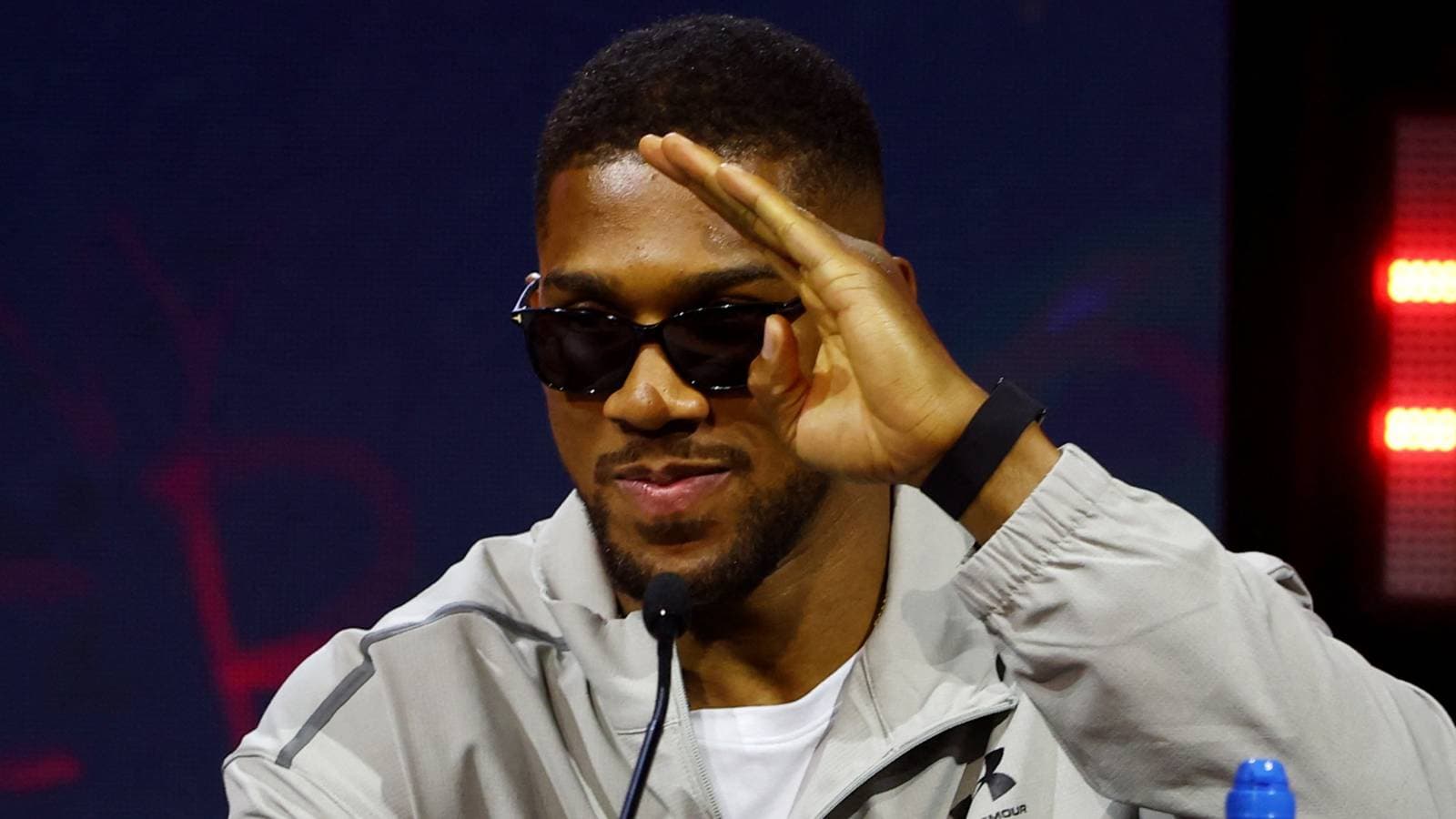
Anthony Joshua Names Murat Gassiev as Next Opponent if He Defeats Tyson Fury
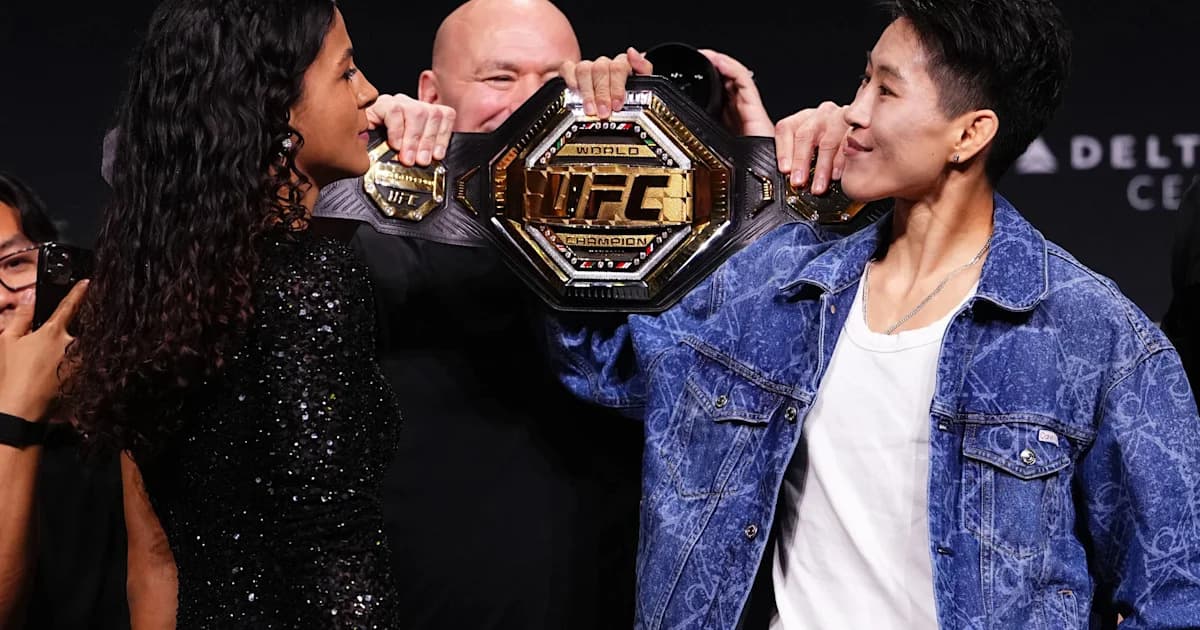
UFC 332: Start Time and Fight Highlights for Natalia Silva vs. Wang Cong
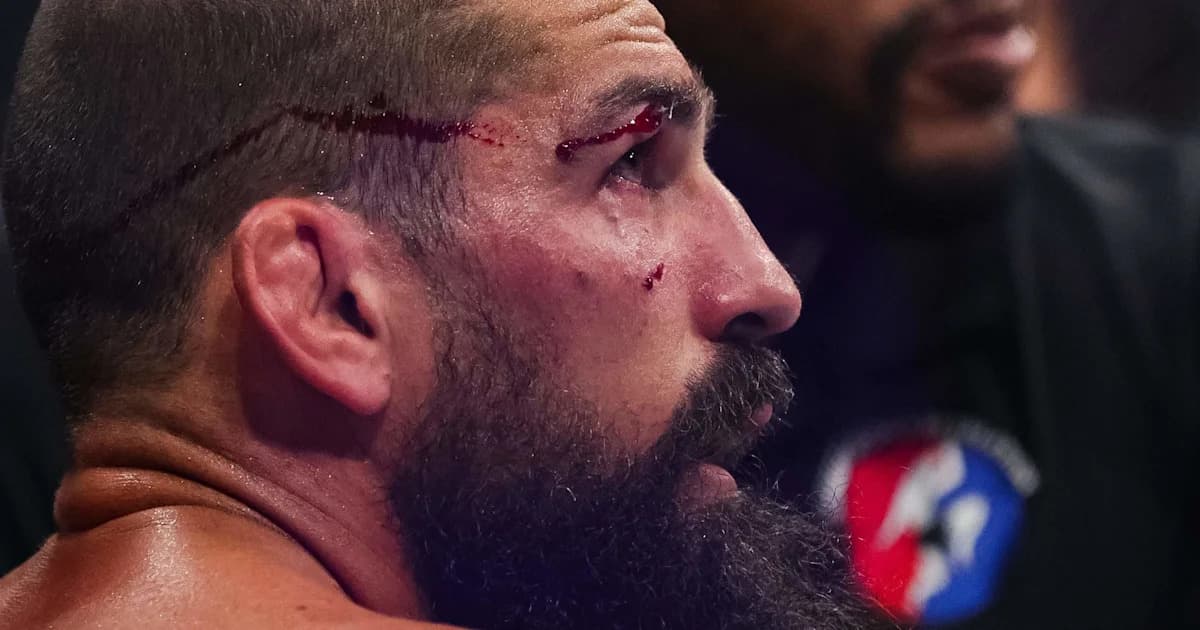
Court McGee Opens Up About Choosing UFC 332 as His Final MMA Fight
WBC Orders Lightweight Title Unification: William Zepeda vs Jadier Herrera
BCCI Pension List: Monthly Payments to Retired Indian Cricketers in 2025
Why Fury vs Joshua Is Set for Cardiff, and Dua Lipa’s Unexpected Role