
Jorge Jesus Takes Charge of Portugal National Team
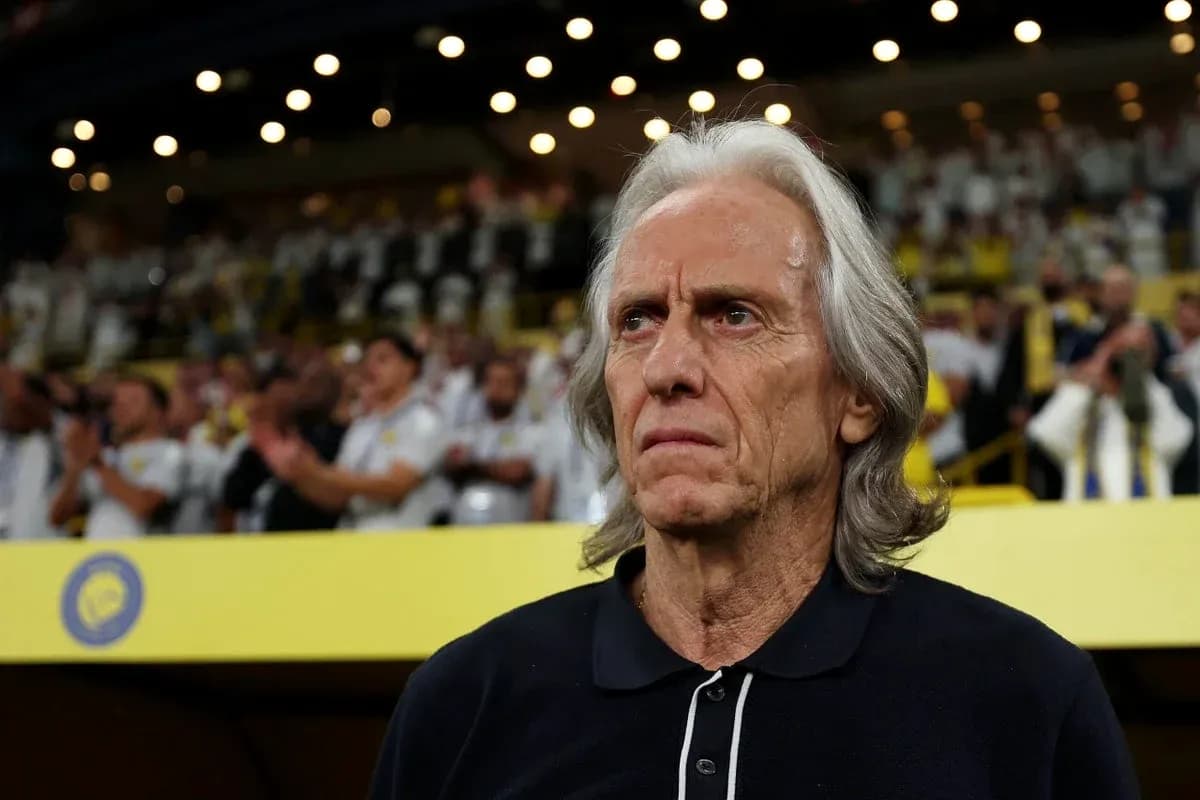
Jorge Jesus has been handed the Portugal job, returning one of the country’s most combustible and decorated coaches to the national stage after Roberto Martinez’s exit.
Martinez’s tenure ended with a whimper on Monday, a World Cup last-16 defeat to Spain cutting short a cycle that began at the start of 2023. For a federation that has not seen a World Cup semi-final since 2006, the patience snapped quickly. The response is anything but cautious.
They have turned to a 71-year-old who has spent 36 years prowling touchlines, arguing with fourth officials and collecting trophies.
A serial winner with a restless CV
Jesus arrives with a résumé that stretches across Lisbon, Rio de Janeiro, Istanbul and Riyadh. He built his reputation in Portugal, most notably across two spells at Benfica, where he claimed three league titles and turned the club into a relentless domestic force. His move across the city to Sporting CP in 2015, leaving Benfica for their fiercest rivals, remains one of the most dramatic managerial switches in Portuguese football this century.
His career since then has been anything but quiet. Jesus conquered Brazil with Flamengo, lifting the league title and adding South American pedigree to his portfolio, before heading to the Saudi Pro League. There, he collected championships with both Al Hilal and Al Nassr, underlining a habit: wherever he goes, silverware tends to follow.
Last summer, before joining Al Nassr, Jesus made it clear how that move came about. He said he “could not refuse the invitation” of Cristiano Ronaldo to coach the Riyadh club. It was a revealing line. Ronaldo still shapes Portuguese football decisions, directly or indirectly, and Jesus has already navigated the demands of coaching the country’s greatest player at club level.
At Al Nassr, he delivered again, guiding them to their first title in seven years before leaving at the end of the 2025-26 season. Ange Postecoglou has since stepped into that role, but Jesus departs Saudi Arabia with his reputation enhanced, not diminished.
Portugal at a crossroads
Portugal’s recent history is decorated but uneven. They have not touched the last four of a World Cup since that 2006 run with Luis Figo and a young Ronaldo, yet they carry a modern trophy cabinet that many nations envy. European champions in 2016. Nations League winners in 2019. And then again in 2025.
The standards are clear. Group-stage exits and timid knockouts are not tolerated for long, not with this generation’s depth of talent and not with a World Cup on the horizon that will literally come to their doorstep.
The 2030 World Cup, which Portugal will co-host with Spain and Morocco, looms over this appointment. Uruguay, Argentina and Paraguay will stage matches at the start of those finals, but the heart of the tournament will beat in Iberia and North Africa. The pressure on the host nations will be immense. Portugal’s federation has chosen a man used to operating under floodlights and fire.
Life after Ronaldo
One of the defining challenges for Jesus will be managing a national team finally stepping into a post-Ronaldo era.
Ronaldo confirmed earlier this month that he will not play at another World Cup. His numbers are almost surreal: 146 international goals in 233 appearances, both world records. For two decades, every Portugal manager has built around him, or at the very least with him in mind.
Jesus has already coached Ronaldo at Al Nassr. That experience does not solve the problem of replacing such an outsized figure, but it does mean he understands the gravitational pull Ronaldo exerts on a dressing room, even from a distance. Now, though, the task is different: he must build a Portugal that wins without leaning on the man who defined an era.
The job he did not take — and the one he has
This is not the first time Jesus has hovered around one of the game’s biggest international jobs. In March 2025, The Athletic reported that he was a leading contender to become Brazil head coach, mentioned in the same breath as Carlo Ancelotti. Ancelotti ultimately took that role after leaving Real Madrid in May, while Jesus stayed in Saudi Arabia and kept winning.
Now, instead of Brazil’s yellow, he takes on the red and green of his homeland. It is a full-circle moment for a coach whose name has long been linked to the national team but who has always seemed too combustible, too club-focused, too restless for international football.
Portugal have decided that his edge is exactly what they need.
A 71-year-old with 25 trophies, a history of bold decisions and a taste for attacking football now carries the weight of a co-hosted World Cup and a demanding fanbase. The question is no longer whether Jorge Jesus deserved his shot at the Seleção. It is whether he can turn a talented, transitional squad into a team feared again when 2030 finally arrives.
Related News

Anthony Joshua Names Murat Gassiev as Next Opponent if He Defeats Tyson Fury

UFC 332: Start Time and Fight Highlights for Natalia Silva vs. Wang Cong

Court McGee Opens Up About Choosing UFC 332 as His Final MMA Fight
WBC Orders Lightweight Title Unification: William Zepeda vs Jadier Herrera

BCCI Pension List: Monthly Payments to Retired Indian Cricketers in 2025

Why Fury vs Joshua Is Set for Cardiff, and Dua Lipa’s Unexpected Role