
Juventus vs Fiorentina: Tactical Analysis of Serie A Clash
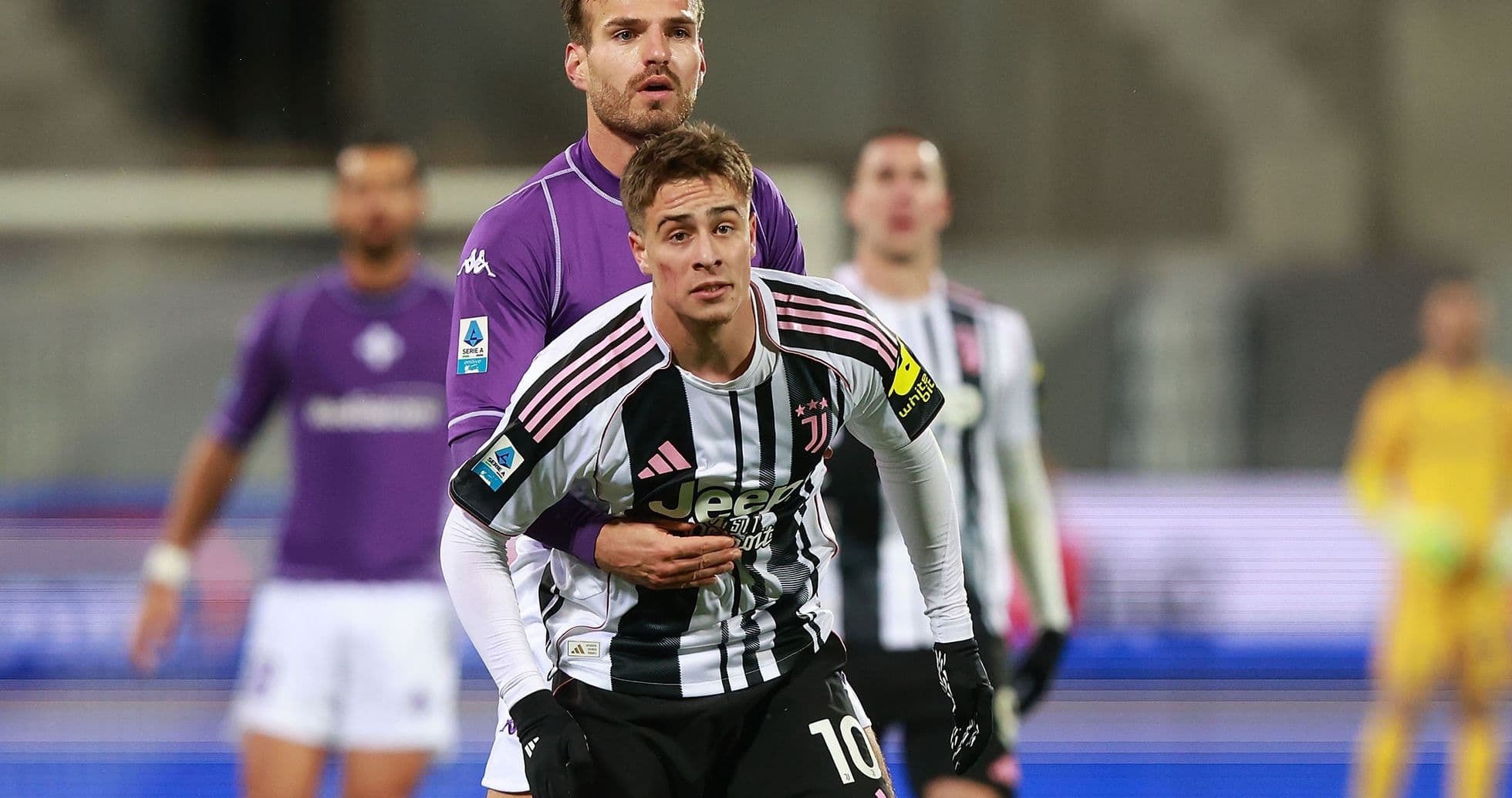
The Allianz Stadium had the feel of a dress rehearsal for something bigger, but the script tore in Juventus hands. In a Regular Season - 37 clash of Serie A, with European ambitions on one side and survival certainty on the other, Fiorentina came to Turin, set up in a bold 4-3-3, and walked away with a 2-0 win that exposed some uncomfortable truths about the home side’s structure and mentality.
Heading into this game, Juventus occupied 6th place with 68 points, underpinned by a strong overall goal difference of 27, built from 59 goals scored and 32 conceded in 37 matches. At home, they had been typically formidable: 10 wins, 7 draws, only 2 defeats, with 35 goals for and just 16 against. Fiorentina, by contrast, arrived as a 15th-placed side on 41 points, their overall goal difference a fragile -9 (40 scored, 49 conceded). On their travels, they were inconsistent: 5 wins, 6 draws, 8 defeats, scoring 20 and conceding 29. On paper, this was Juventus territory. On the pitch, it belonged to Paolo Vanoli.
I. Tactical shapes and seasonal DNA
Luciano Spalletti opted for a 4-2-3-1, one of Juventus’ less-used but still familiar structures this season (6 league appearances in this shape). M. Di Gregorio anchored the side behind a back four of P. Kalulu, Bremer, L. Kelly and A. Cambiaso. In front, M. Locatelli and T. Koopmeiners formed the double pivot, with an attacking band of F. Conceicao, W. McKennie and Kenan Yildiz behind D. Vlahovic.
This alignment aimed to marry control and verticality: Locatelli as the metronome, Koopmeiners as the deep-lying left-sided distributor, McKennie the hybrid runner, Yildiz the creative axis and Vlahovic the reference point. Juventus’ season numbers backed the idea: overall they averaged 1.6 goals per game, with 1.8 at home, while conceding only 0.9 overall and 0.8 at home. It is a profile of a team that usually suffocates opponents in Turin.
Fiorentina’s 4-3-3, however, was not the timid mid-table version. D. de Gea stood behind a back line of Dodo, M. Pongracic, L. Ranieri and R. Gosens. The midfield triangle of C. Ndour, N. Fagioli and M. Brescianini was built to press and recycle, while the front three of F. Parisi, R. Piccoli and M. Solomon offered width, mobility and a central target. Across the season, Fiorentina have been more open: they scored 1.1 goals per game both home and away, but conceded 1.3 overall, with that number rising to 1.5 on their travels. They are not usually this watertight away; in Turin, they were.
II. Tactical voids and disciplinary shadows
The absences list carried a twist of irony: M. Kean was ruled out with a calf injury – but for Fiorentina, not Juventus. His unavailability removed a potential impact option from Vanoli’s bench, yet it also signalled how much this Fiorentina squad has been reshaped. Without Kean, the visitors leaned more heavily on R. Piccoli as the central focal point and on the work of Parisi and Solomon to stretch Juventus horizontally.
Discipline loomed large in the pre-match narrative. Juventus’ season card profile shows a late-game yellow surge: 22.00% of their yellows arriving between 61-75 minutes and 20.00% between 76-90. Red cards are rare but dramatic, split evenly between 31-45 and 76-90, each window accounting for 50.00% of their dismissals. Fiorentina’s temperament is even more volatile late: 25.30% of their yellows come in the 76-90 period, and 66.67% of their red cards fall in that same late window. This fixture always had the potential to turn into a psychological battle after the hour mark, where frustration and fatigue collide.
On an individual level, the disciplinary spine was clear. M. Pongracic, the league’s leading yellow-card collector with 12, and L. Ranieri, sitting on 8 yellows and 1 red, formed Fiorentina’s central defensive pairing. For Juventus, Locatelli’s 9 yellows spoke of a midfielder constantly on the edge, patrolling the spaces in front of the defence, while A. Cambiaso’s single red card this season hinted at an aggressive, front-foot full-back.
III. Key matchups – Hunter vs Shield, Engine Room vs Enforcer
The “Hunter vs Shield” duel centred around Kenan Yildiz and a Fiorentina defence that is usually porous away from home. Yildiz, with 10 goals and 6 assists in Serie A, has been Juventus’ most complete attacking threat. Across 36 appearances and 2838 minutes, he has generated 64 shots (40 on target) and 76 key passes, drawing 56 fouls and missing one penalty along the way. That missed spot-kick is a small but telling detail: he is daring enough to shoulder responsibility, but not immune to pressure.
Against him stood a back line statistically vulnerable but individually rugged. Pongracic has played 2894 minutes, with 26 blocked shots and 35 interceptions, and 69 fouls committed. Ranieri adds 13 blocks, 24 interceptions and a notable 114 duels won. Together, they represent a “Shield” that is not elegant but is often effective in the box. On this day, they choked off the central spaces Yildiz loves to invade between the lines and around the D, forcing Juventus to circulate the ball without penetration.
The “Engine Room” confrontation was just as decisive. Locatelli, with 2720 completed passes at 88% accuracy, 99 tackles, 23 blocks and 38 interceptions, is one of Serie A’s premier midfield anchors. He is both organiser and destroyer, but his season also carries a blemish: a missed penalty that underlines Juventus’ occasional fragility from the spot, even as the team as a whole remains perfect in league penalties (2 scored from 2, 100.00%).
Across from him, Fiorentina’s trio of Ndour, Fagioli and Brescianini did not carry the same statistical weight, but they executed a clear plan: compress Locatelli’s passing lanes, deny him time to turn, and force Juventus to build through the full-backs rather than through the central corridor. That pressure fractured the connection between the double pivot and the attacking quartet, leaving Vlahovic increasingly isolated and McKennie running into crowded channels rather than open half-spaces.
IV. Statistical prognosis and what the result tells us
Following this result, the numbers tell a story of a Juventus side that, for once, could not impose its usual home pattern. A team that typically scores 1.8 goals per game at home was held to zero, despite the presence of its primary creators and finishers. Fiorentina, who normally concede 1.5 goals per game away, delivered a clean sheet that will stand out against their season profile of 29 goals conceded on their travels.
From an Expected Goals lens – even without explicit xG data – the structural indicators point to Fiorentina generating higher-quality chances. Juventus’ failure to score, combined with their season tendency to “fail to score” in 4 home matches and 4 away (8 overall), suggests that when their central mechanisms are disrupted, they struggle to find alternative routes to goal. Fiorentina, by contrast, have failed to score 7 times away this season; yet in Turin they converted their opportunities with ruthless clarity.
Defensively, Juventus’ overall concession rate of 0.9 goals per game was stretched here, as they allowed 2 in 90 minutes. It is a rare breach for a side with 16 clean sheets overall (8 at home, 8 away). Fiorentina’s attack, usually modest at 1.1 goals per game, punched above its weight, mirroring their best away days where they have scored as many as 4.
The late-game disciplinary patterns did not explode into chaos this time, but their presence shaped the tempo: both teams wary of the 76-90 window where Fiorentina accumulate 25.30% of their yellows and most of their reds, and Juventus often see tension spike. Instead of a frantic finale, Fiorentina’s control and compactness smothered Juventus’ attempts at a late surge.
In the broader tactical arc, this match felt like a warning flare for Juventus. Their reliance on Yildiz’s creativity, Locatelli’s orchestration and the double pivot’s stability was laid bare. When Fiorentina’s Shield – Pongracic and Ranieri – held firm, and the Engine Room battle tilted towards the visitors’ pressing trio, the home side’s impressive seasonal metrics were reduced to background noise. Fiorentina, long vulnerable away from home, found in Turin a disciplined, opportunistic version of themselves that the table and the raw numbers had not fully foretold.
Related News

David Alaba Poised for Surprising Move to Udinese in Serie A
Milan Dominates Lecce: Tactical Analysis of a 3-0 Victory

Juventus Defeats Atalanta 2-0: Tactical Insights and Key Matchups
Frosinone's Tactical Mastery Shines in 2–0 Victory Over Como

Fiorentina and Napoli Share Points in Serie A Clash

AS Roma vs Inter: Tactical Insights from Serie A Clash