
Lazio Secures 2-1 Victory Over Pisa in Final Serie A Match
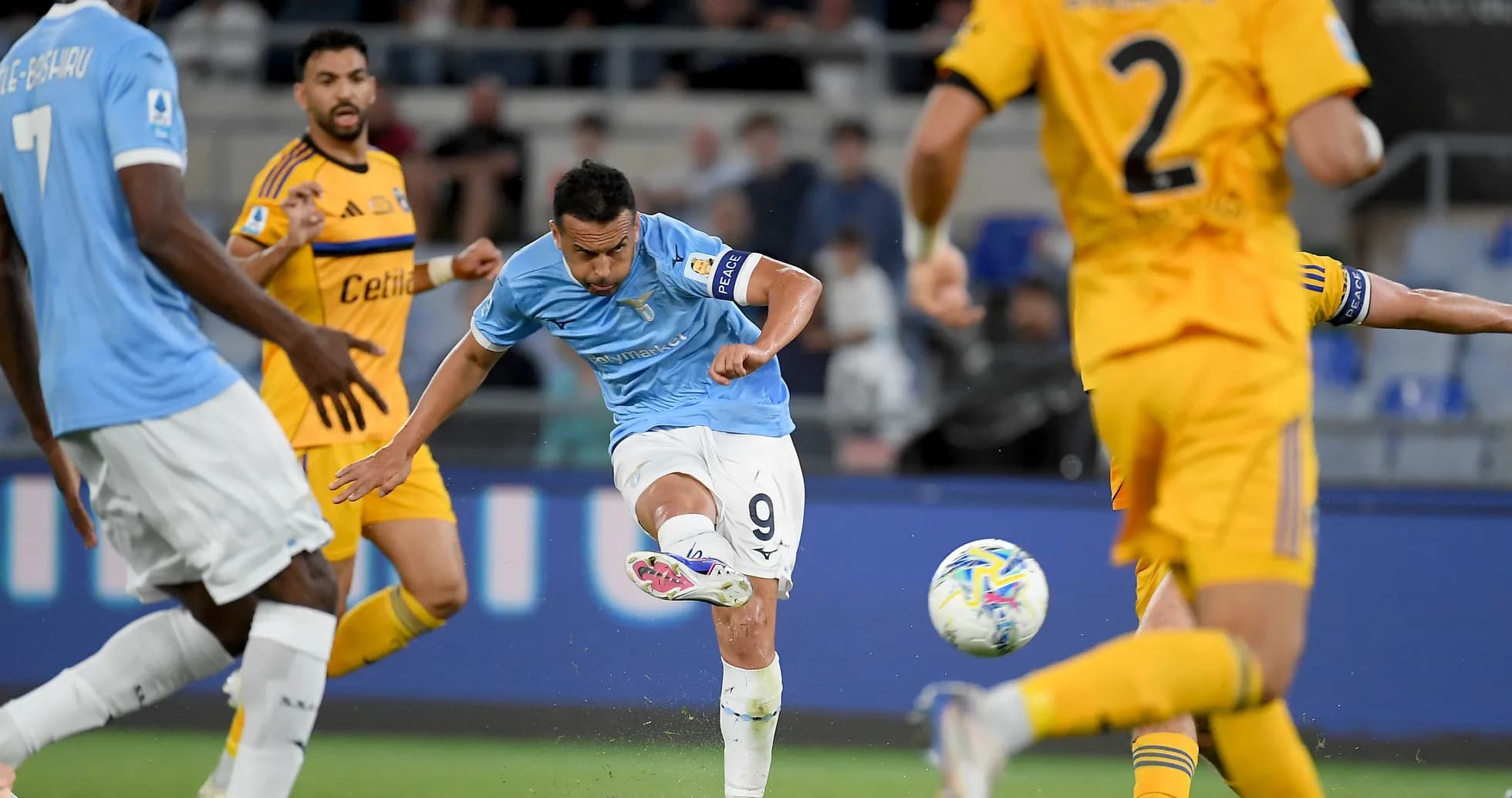
Under the Roman dusk at Stadio Olimpico, Lazio closed their Serie A season with a 2-1 win over Pisa, a result that neatly encapsulated the campaign’s hierarchy. Following this result, Lazio finish 9th on 54 points, with a goal difference of 1 after scoring 41 and conceding 40 overall. Pisa sink to 20th with 18 points and a goal difference of -45, their 26 goals for dwarfed by 71 against across 38 matches. It was a meeting between a flawed but structured mid-table side and a relegated team that never quite solved its defensive chaos.
I. The Big Picture – Structures and Season DNA
Maurizio Sarri stayed loyal to Lazio’s seasonal blueprint, rolling out the familiar 4-3-3 that has been used in 36 league matches. A. Furlanetto started in goal behind a back four of A. Marusic, Mario Gila, A. Romagnoli and L. Pellegrini. The midfield trio of F. Dele-Bashiru, T. Basic and R. Belahyane sat behind a forward line of M. Cancellieri and Pedro flanking T. Noslin.
This shape mirrored Lazio’s statistical identity. Heading into this game, they averaged 1.4 goals for at home and 1.3 goals against at home, almost perfectly balanced. The 2-1 scoreline stayed faithful to those margins: enough attacking punch to edge games, but rarely by more than a single goal.
Oscar Hiljemark’s Pisa arrived in a 3-5-2, one of seven formations used this season but also their primary structure with 21 league appearances. A. Semper was protected by a back three of A. Calabresi, S. Canestrelli and R. Bozhinov, with wing-backs S. Angori and M. Leris flanking a central band of M. Aebischer, E. Akinsanmiro and I. Vural. Up front, S. Moreo partnered F. Stojilkovic.
For Pisa, the numbers told a bleaker story. On their travels they scored 0.9 goals per game and conceded 2.4, a chasm that pointed towards exactly the kind of afternoon they endured: flashes of competitiveness, but ultimately overrun by a better-organised side.
II. Tactical Voids – Absences and Discipline
Both squads came into the fixture patched and reshaped. Lazio’s list of absentees was long and influential: I. Provedel (shoulder injury) removed the established No. 1, forcing Furlanetto into a pressure start; M. Zaccagni (knee injury) stripped Sarri of one of his most direct wide threats; N. Rovella (red card suspension) and N. Tavares plus K. Taylor (yellow-card suspensions) further thinned the options, while E. Motta was also out with a thigh injury. The consequence was a slightly improvised front three and a midfield where Basic and Dele-Bashiru had to carry extra creative and physical load.
Pisa were equally undermined. Their most card-prone defender, A. Caracciolo, was suspended for yellow cards. Over the season he collected 10 yellows and blocked 24 shots, a rugged presence whose absence weakened Pisa’s already fragile back line. F. Coppola (muscle injury), D. Denoon (ankle), M. Marin (knee), M. Tramoni (muscle) and Lorran (coach’s decision) further eroded Hiljemark’s rotation options, especially in midfield and the half-spaces.
Disciplinarily, both sides arrived with warning lights flashing. Lazio’s season card map showed a late-game surge in yellow cards, with 25.64% of their bookings coming between 76-90 minutes and a worrying 55.56% of their reds also in that window. Pisa mirrored that late tension: 25.64% of their yellows also fell between 76-90 minutes, and their reds were scattered across the first 60 minutes and stoppage time. This fixture, however, remained defined more by tactical control than meltdown, perhaps helped by the context of a final-day dead rubber for the visitors.
III. Key Matchups – Hunter vs Shield, Engine Room Battles
Without official top-scorer data, the “Hunter vs Shield” duel was more structural than individual. Lazio’s home attack, averaging 1.4 goals, went up against Pisa’s away defence conceding 2.4. The gap was stark. Sarri’s front three stretched Pisa’s back three horizontally, with Pedro and Cancellieri pinning the wing-backs deep and creating pockets for Noslin to drop into. The 2-1 half-time scoreline reflected how quickly Lazio could turn territorial control into goals against a side that has conceded 45 times away.
On the other side, Pisa’s modest away output of 0.9 goals per game confronted a Lazio defence that, at home, let in 1.3 on average but had kept 6 home clean sheets. Mario Gila and Romagnoli, both prominent in the league’s defensive metrics, underpinned that solidity. Across the season, Mario Gila blocked 17 shots and Romagnoli blocked 20, and their positioning again allowed Lazio to manage Pisa’s front two with relative calm after the initial exchanges.
The “Engine Room” duel was more nuanced. For Pisa, M. Aebischer has been a quiet metronome: 35 league appearances, 1530 passes with 34 key passes and 65 tackles, plus 8 yellow cards that underline his dual role as passer and disruptor. He tried to orchestrate transitions and supply Moreo and Stojilkovic, but often found his passing lanes squeezed by Basic and Belahyane.
Lazio’s midfield lacked the suspended N. Rovella and the red-carded presence of M. Guendouzi, who over the season produced 2 goals, 1 assist and 735 passes with 15 key passes and 14 tackles. In his absence, Basic became the stabilising pivot, with Dele-Bashiru driving forward from the right interior lane and Belahyane offering connective tissue on the left. Their ability to circulate possession and press Pisa’s central trio meant Aebischer was frequently forced backwards, cutting off Pisa’s ability to build sustained pressure.
IV. Statistical Prognosis – xG Echoes and Defensive Solidity
There is no explicit xG data in the snapshot, but the statistical profiles give a clear shape to how this 2-1 should be read. Lazio’s overall averages of 1.1 goals for and 1.1 against, combined with Pisa’s 0.7 for and 1.9 against, suggest that a home win by a single goal sits close to the expected band. Lazio’s 15 clean sheets overall and Pisa’s 21 matches failing to score also hint that, on another day, this could easily have been a more comfortable margin or even a clean sheet for the hosts.
Instead, Pisa found their one goal, roughly in line with their away average of 0.9, but their structural flaws remained. The absence of Caracciolo stripped them of a defender who thrives in duels (139 won from 261) and blocks, and the back three never quite looked secure when Lazio accelerated play. Lazio, meanwhile, leaned on the organisation of Gila and Romagnoli and the work rate of their midfield trio to protect Furlanetto, whose inclusion was a direct product of Provedel’s injury.
Following this result, the table feels logical: Lazio’s balance between modest attack and solid defence lands them mid-table with a positive goal difference of 1. Pisa’s inability to close their defensive leaks, especially away where they concede 2.4 per match, condemns them to relegation. The match at the Olimpico was less an upset and more a final, narrative confirmation of the numbers that had been building all season.
Related News

David Alaba Poised for Surprising Move to Udinese in Serie A
Milan Dominates Lecce: Tactical Analysis of a 3-0 Victory

Juventus Defeats Atalanta 2-0: Tactical Insights and Key Matchups
Frosinone's Tactical Mastery Shines in 2–0 Victory Over Como
Fiorentina and Napoli Share Points in Serie A Clash
AS Roma vs Inter: Tactical Insights from Serie A Clash