
Torino vs Juventus: Serie A Season Finale Recap

On a warm evening at Stadio Olimpico Grande Torino, the final act of Torino’s Serie A season unfolded with a 2–2 draw against Juventus, a result that encapsulated the campaign’s contradictions for both sides. Following this result, the table tells a clear story: Torino close in 12th with 45 points and a goal difference of -19, while Juventus finish 6th on 69 points with a goal difference of 27 and a Europa League place secured. Yet the way the two teams arrived at this stalemate reveals deeper tactical currents and individual narratives.
I. The Big Picture: Structures and Seasonal DNA
Leonardo Colucci doubled down on Torino’s three-at-the-back identity, rolling out a 3-4-1-2 that has been his second-most used shape this season (9 league matches in this formation, behind the 3-5-2). A. Paleari anchored a back trio of S. Coco, A. Ismajli and E. Ebosse, with M. Pedersen and R. Obrador as wing-backs and the young pairing of E. Ilkhan and G. Gineitis patrolling central midfield. N. Vlasic floated between the lines behind a front two of G. Simeone and D. Zapata.
On their travels, Torino have averaged 0.9 goals scored and 1.8 conceded, but at home they are a different animal: 1.4 goals scored and 1.5 conceded. That fragile balance between front-foot aggression and defensive vulnerability framed their approach – they needed to lean into the attacking upside of this shape without exposing a back line that has shipped 63 goals overall.
Luciano Spalletti’s Juventus, meanwhile, arrived with a 3-4-2-1, the bedrock of their season (24 league matches in this system). M. Perin started behind a back three of P. Kalulu, F. Gatti and L. Kelly. The midfield band of four – W. McKennie, M. Locatelli, K. Thuram and A. Cambiaso – was designed to dominate width and tempo, while the dual creators Francisco Conceição and J. Boga operated behind D. Vlahovic.
Heading into this game, Juventus had been one of Serie A’s most balanced sides: 61 goals scored overall (1.6 per match) and only 34 conceded (0.9 per match). Away from home they still managed 1.4 goals scored and 0.9 conceded, numbers that usually underpin controlled, professional performances rather than wild derbies.
II. Tactical Voids: Absences and Discipline
Both coaches had to navigate significant absences. Torino were stripped of attacking depth and defensive leadership: Z. Aboukhlal (muscle injury), F. Anjorin (hip), and L. Marianucci (knee) all missed out, but the suspension of G. Maripan for yellow cards was the most structurally painful. Without Maripan, Colucci’s back three lacked an aerial reference and an organiser, forcing Ismajli and Ebosse into broader responsibilities in both build-up and box defending.
Juventus had their own defensive hole: Bremer, also suspended for yellow cards, was unavailable. In a side that has conceded only 18 goals away from home, his absence meant F. Gatti and L. Kelly had to shoulder more of the duelling and box protection, with Kalulu tasked to cover space in wide-right channels when McKennie pushed on.
From a disciplinary standpoint, both teams carried the scars of a long season. Torino’s yellow card distribution shows a pronounced late-game spike: 21.13% of their yellows in the 76–90 minute range and another 21.13% in 91–105, reflecting a side that often defends on the edge as matches stretch. Juventus, too, see a late surge – 23.08% of yellows between 61–75 minutes and 21.15% between 76–90 – but their red card profile is more dramatic: one dismissal in 31–45 and one in 76–90, each accounting for 50.00% of their reds.
In a derby context, those numbers hinted at a combustible final quarter – tired legs, stretched structures, and the constant risk that a mistimed challenge could tilt the match.
III. Key Matchups: Hunter vs Shield, Engine Room Battles
The headline duel was always going to be the “Hunter vs Shield” confrontation between G. Simeone and Juventus’ defensive unit. Simeone closed the season with 11 league goals, built on volume and relentlessness: 59 shots, 28 on target, and a work rate that includes 16 tackles and 2 blocked shots. His tendency to attack the near post and crash central zones put direct stress on Gatti and Kelly, particularly without Bremer’s organisational counterpart at the other end to mirror his presence.
Juventus’ shield, statistically, has been elite. On their travels they conceded only 18 goals, with an away average of 0.9 goals against. Locatelli’s role in front of the back three is central to that: 102 tackles, 23 successful blocks and 39 interceptions across the season. His 2805 completed passes at 88% accuracy make him both the first line of build-up and the first line of resistance.
Just ahead of him, the “Engine Room” battle pitted Torino’s Ilkhan and Gineitis against Locatelli and Thuram. Ilkhan and Gineitis are more functional than spectacular, tasked with shuttling to cover wing-back surges and screening passing lanes into Conceição and Boga. Locatelli, with 47 key passes and a high-volume passing profile, looked to dictate rhythm, while Thuram’s box-to-box energy aimed to exploit any gaps when Torino’s wing-backs were caught high.
On the flanks, the duel between R. Obrador and A. Cambiaso carried a different edge. Cambiaso’s season has been defined by high involvement and risk: 1545 passes at 88% accuracy, 56 key passes and 61 tackles, but also 1 red card. His willingness to step into advanced pockets forced Obrador to choose between pinning him back with aggressive runs or sitting deeper to protect Coco and Ismajli from wide overloads.
Further forward, Juventus’ creative axis was led by Kenan Yıldız, even if he did not start this particular match. Across the season he has been both their top scorer and top assist provider: 10 goals, 6 assists, 76 key passes, and 149 dribble attempts with 78 successes. His presence on the bench gave Spalletti a late-game weapon to tilt the xG balance if the match remained tight – a reminder that Juventus’ threat is layered, not solely reliant on Vlahovic.
On the right, Francisco Conceição’s 5 assists, 42 key passes and 54 successful dribbles offered a different profile: a one‑v‑one specialist who could isolate Ebosse or Obrador, forcing Torino’s back three to slide and potentially freeing space for Vlahovic between the centre-backs.
IV. Statistical Prognosis: xG Logic and Defensive Solidity
Even without explicit xG numbers, the season’s data sketches the underlying probability map. Juventus, with 61 goals from 38 matches and a defensive record of only 34 conceded, project as a side that typically wins low‑to‑mid scoring games by controlling shot quality and volume. Their 16 clean sheets overall, split evenly between home and away, underline that solidity.
Torino, by contrast, live closer to chaos. Overall they have scored 44 and conceded 63, with only 12 clean sheets. At home they are more potent – 27 goals in 19 matches – but still porous, conceding 29. That combination usually inflates xG at both ends: they create enough to threaten, but their defensive structure invites chances.
Penalties offer no hidden edge here. Torino have taken 5 penalties in total, scoring all 5 with no misses, while Juventus have converted 2 from 2. The only blemish from the spot in this data set comes from Locatelli, who has missed one penalty in league play, a reminder that even their metronome is not flawless under maximum pressure.
Overlaying these profiles on the match narrative, a 2–2 feels statistically coherent: Juventus’ away attack (1.4 goals on average) nudging above par, Torino’s home attack (1.4) also slightly overperforming, and both defences conceding more than their seasonal norms in a derby stripped of key centre-backs.
Following this result, the tactical takeaway is clear. Torino’s 3-4-1-2, powered by the movement of Simeone and the craft of Vlasic, can trouble even the league’s best defences when the wing-backs connect their runs. But their defensive platform, especially without figures like Maripan, remains too fragile to consistently suppress high‑level opponents.
For Juventus, the draw underlines both the strength and the limits of their structure. The 3-4-2-1 continues to generate control through Locatelli and dynamism through McKennie and Conceição, while the underlying numbers confirm a side built on defensive stability. Yet the absence of Bremer showed how finely tuned that back line is; remove one pillar and even a team that concedes only 0.9 goals per match overall can be dragged into a shootout.
In the end, this was a derby that mirrored the season’s truths: Torino brave but brittle, Juventus organised but not invulnerable, and a 2–2 scoreline that felt less like an anomaly and more like the natural intersection of their statistical destinies.
Related News

David Alaba Poised for Surprising Move to Udinese in Serie A
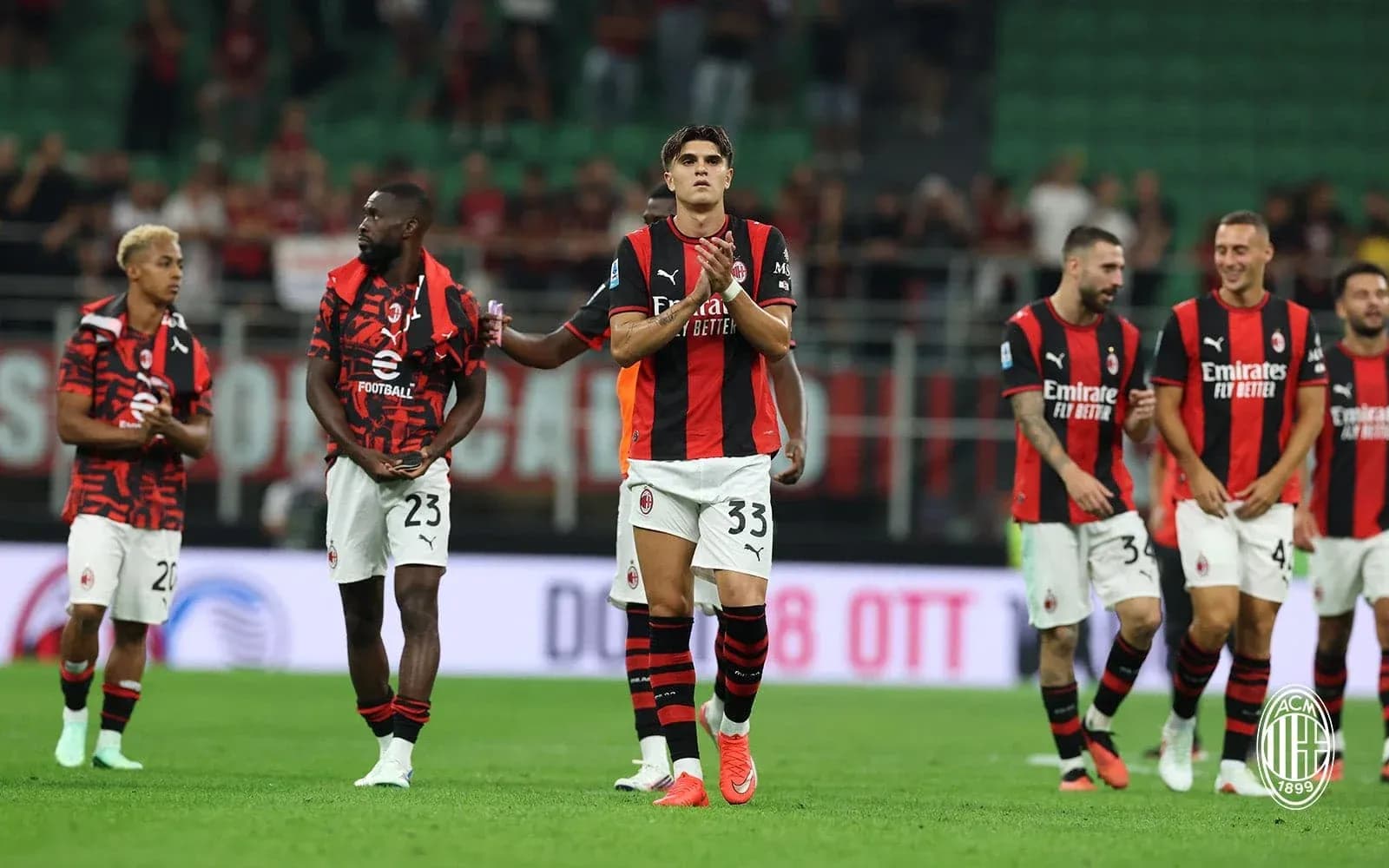
Milan Dominates Lecce: Tactical Analysis of a 3-0 Victory

Juventus Defeats Atalanta 2-0: Tactical Insights and Key Matchups
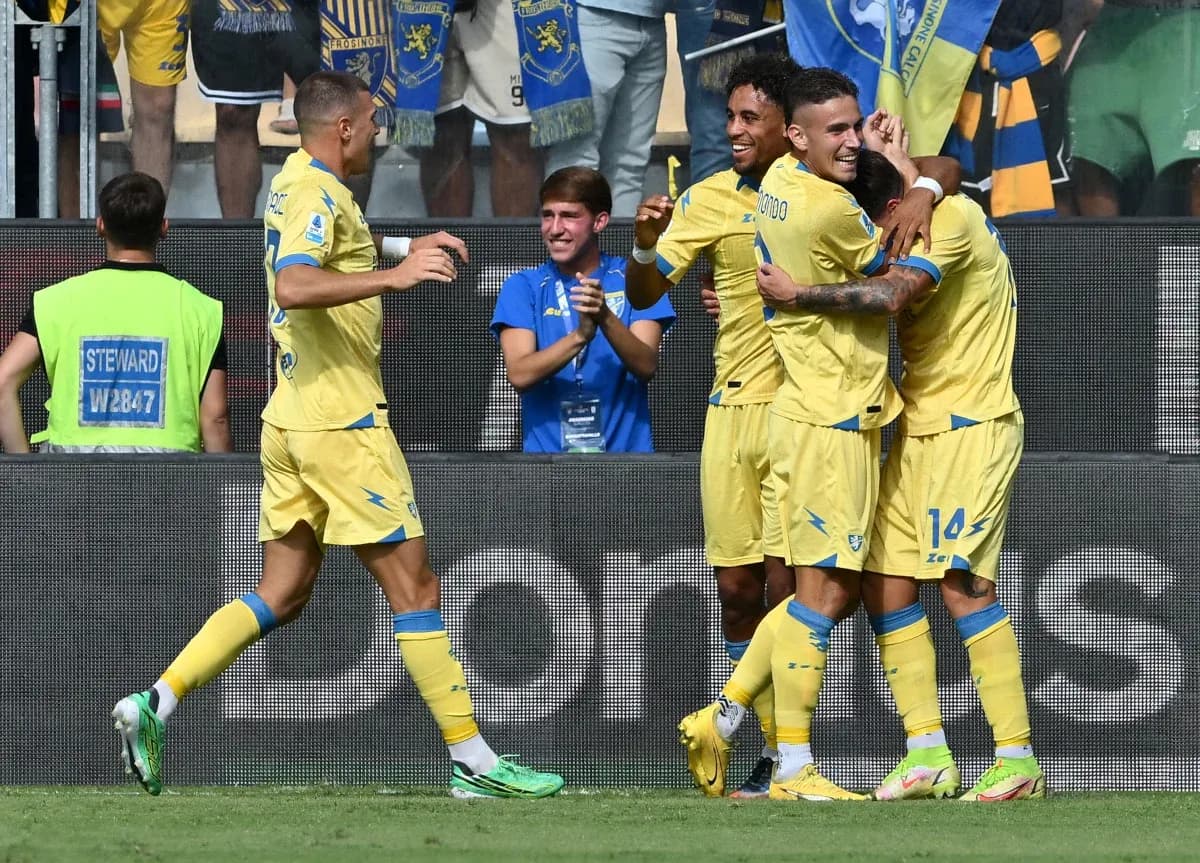
Frosinone's Tactical Mastery Shines in 2–0 Victory Over Como

Fiorentina and Napoli Share Points in Serie A Clash
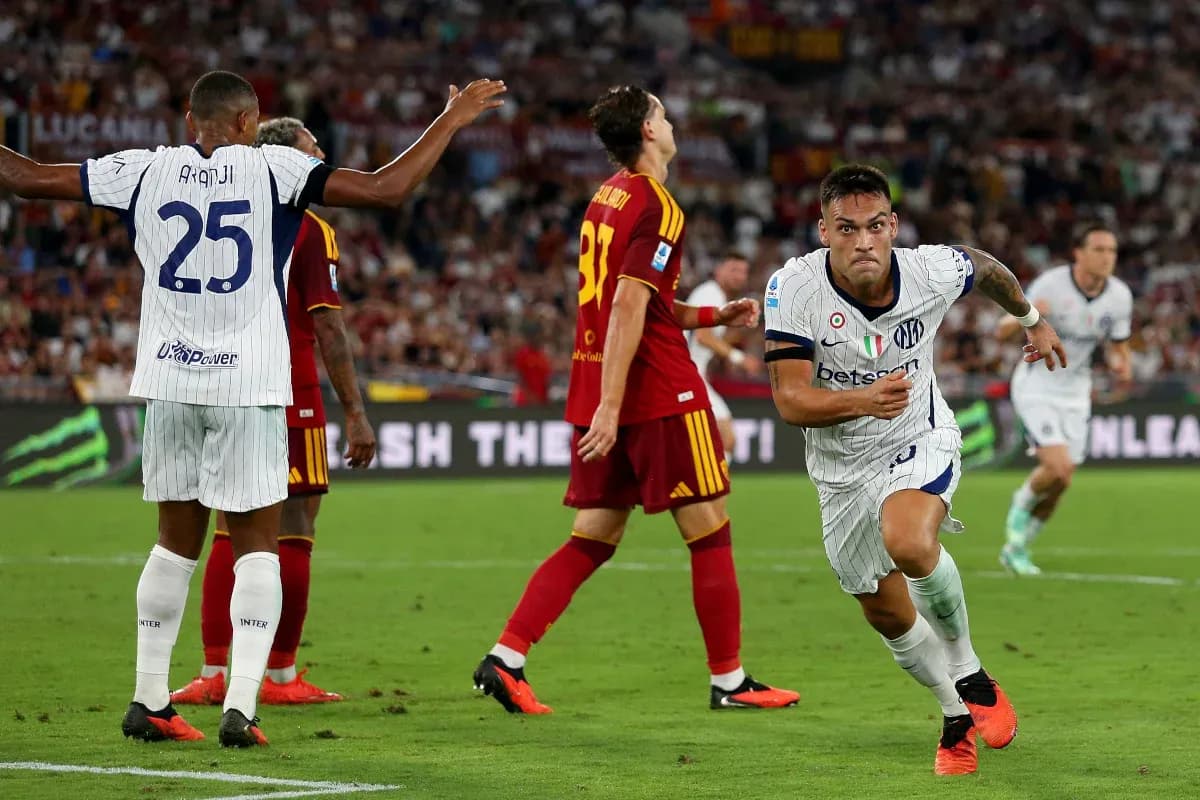
AS Roma vs Inter: Tactical Insights from Serie A Clash