
Juventus Reshapes Leadership: Massara Takes Charge, Chiellini Steps Up
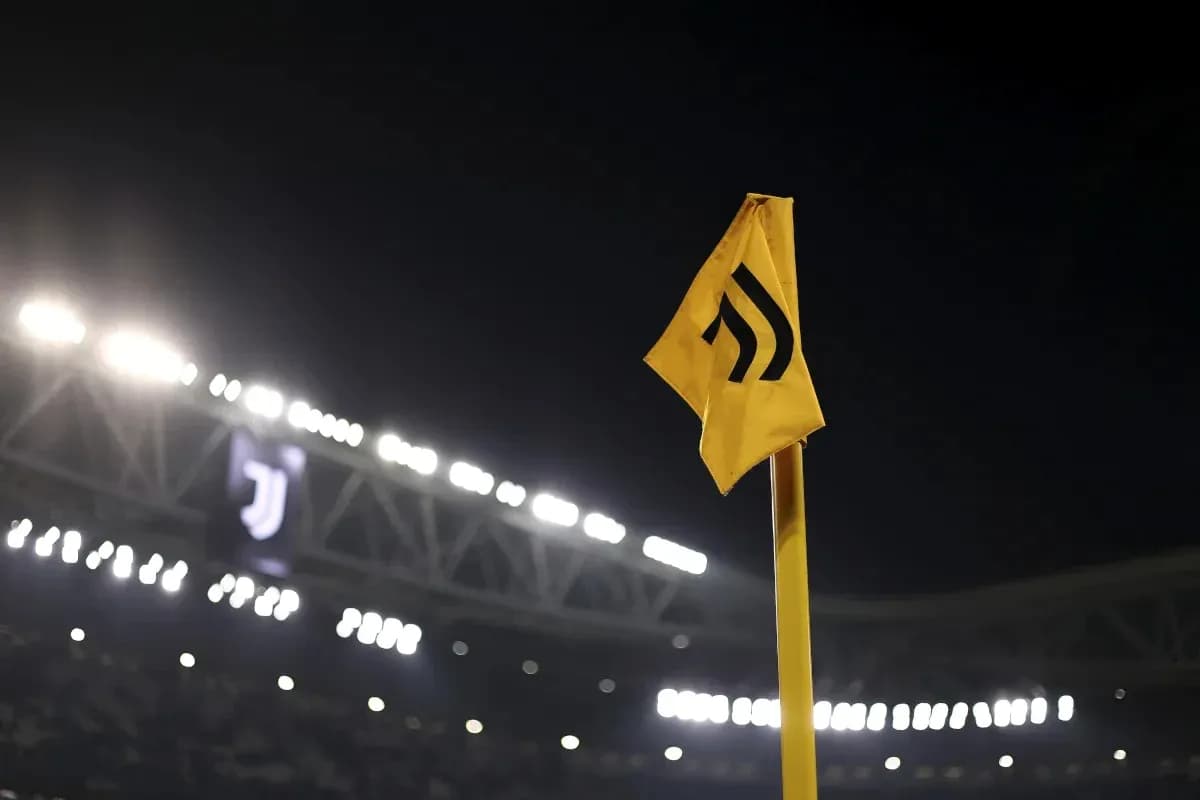
Juventus have moved decisively off the pitch, confirming Frederic Massara as Chief Football Officer and handing Giorgio Chiellini a new, wide‑ranging brief as Chief Club Affairs Officer in a sweeping reorganisation at the top of the club.
The announcement came barely a month after Massara’s departure from Roma and only weeks into Giovanni Carnevali’s own tenure as CEO and General Manager. The message from the Allianz hierarchy is clear: the rebuild is not just about players.
Massara to command the football operation
At 57, Massara walks into Turin with a reputation already forged at AC Milan and AS Roma, where he helped shape squads that competed at the sharp end of Serie A and in Europe. Juventus are now placing the entire men’s football division in his hands.
“Frederic Massara has been appointed Chief Football Officer of the Club. In his new role, Frederic will report directly to the Chief Executive Officer, Giovanni Carnevali, with the aim of strengthening the organisational structure of the men's football division,” the club confirmed.
His remit is expansive. Massara will oversee the management and development of the men’s team, working closely with Sporting Director Marco Ottolini to define and execute Juventus’ sporting strategy. Recruitment, planning, and the long‑term technical vision will run through his office.
It is a powerful post, plugged directly into Carnevali, and a clear signal that Juventus want a sharper, more coherent sporting line after turbulent recent seasons.
The club did not hide its admiration for the new arrival: “Throughout his career, Frederic has established himself as one of the most highly regarded executives in the world of football, making a significant contribution to the development of a number of prestigious clubs, including AC Milan and AS Roma.”
Chiellini becomes the face of Juventus off the pitch
While Massara takes control of the football engine room, Chiellini moves into a role built around influence, diplomacy and representation.
After a year as Director of Football Strategy, the former captain now becomes Chief Club Affairs Officer, a freshly created position that formalises what he has long been for Juventus: a reference point.
“Giorgio Chiellini takes on the brand new role of Chief Club Affairs Officer, strengthening Juventus' ability to engage, build relationships and represent its interests with key institutions, strategic stakeholders and sporting organisations, both in Italy and around the world,” read the club statement.
This is Juventus leveraging Chiellini’s gravitas. From league offices and federations to commercial partners and international bodies, he will be the club’s front‑line figure, defending its interests and nurturing alliances at a delicate moment for Italian football and for Juve themselves.
Carnevali stamps his authority
These moves also underline Carnevali’s early imprint on the club. Appointed last month to replace Damien Comolli, whose spell in Turin lasted barely a year, the new CEO has wasted no time in assembling his own inner circle.
“I am convinced that we are building a solid, competent and cohesive structure, capable of supporting our ambitions both now and in the future. We are delighted to welcome Frederic into the great Bianconeri family. His expertise and in-depth knowledge of football represent an added value and complement perfectly the professional skills already present within the Club's organisational structure,” Carnevali said.
Structure first, then signings. That appears to be the order at the Allianz Stadium.
Yet the market has not stood still. Juventus have already announced their first summer reinforcement, landing Italy winger Jeff Ekhator in a deal worth €18m including add‑ons, a transfer that will now fall squarely under Massara’s strategic umbrella.
New CEO, new football chief, new political heavyweight in Chiellini, and the first piece of the squad puzzle already through the door. Juventus are rebuilding the club from the boardroom down; the real test will be how quickly that new architecture translates into power on the pitch.
Related News
Anthony Joshua Names Murat Gassiev as Next Opponent if He Defeats Tyson Fury
UFC 332: Start Time and Fight Highlights for Natalia Silva vs. Wang Cong
Court McGee Opens Up About Choosing UFC 332 as His Final MMA Fight
WBC Orders Lightweight Title Unification: William Zepeda vs Jadier Herrera
BCCI Pension List: Monthly Payments to Retired Indian Cricketers in 2025
Why Fury vs Joshua Is Set for Cardiff, and Dua Lipa’s Unexpected Role