
Klopp Dismisses Germany Job Talk After World Cup Exit
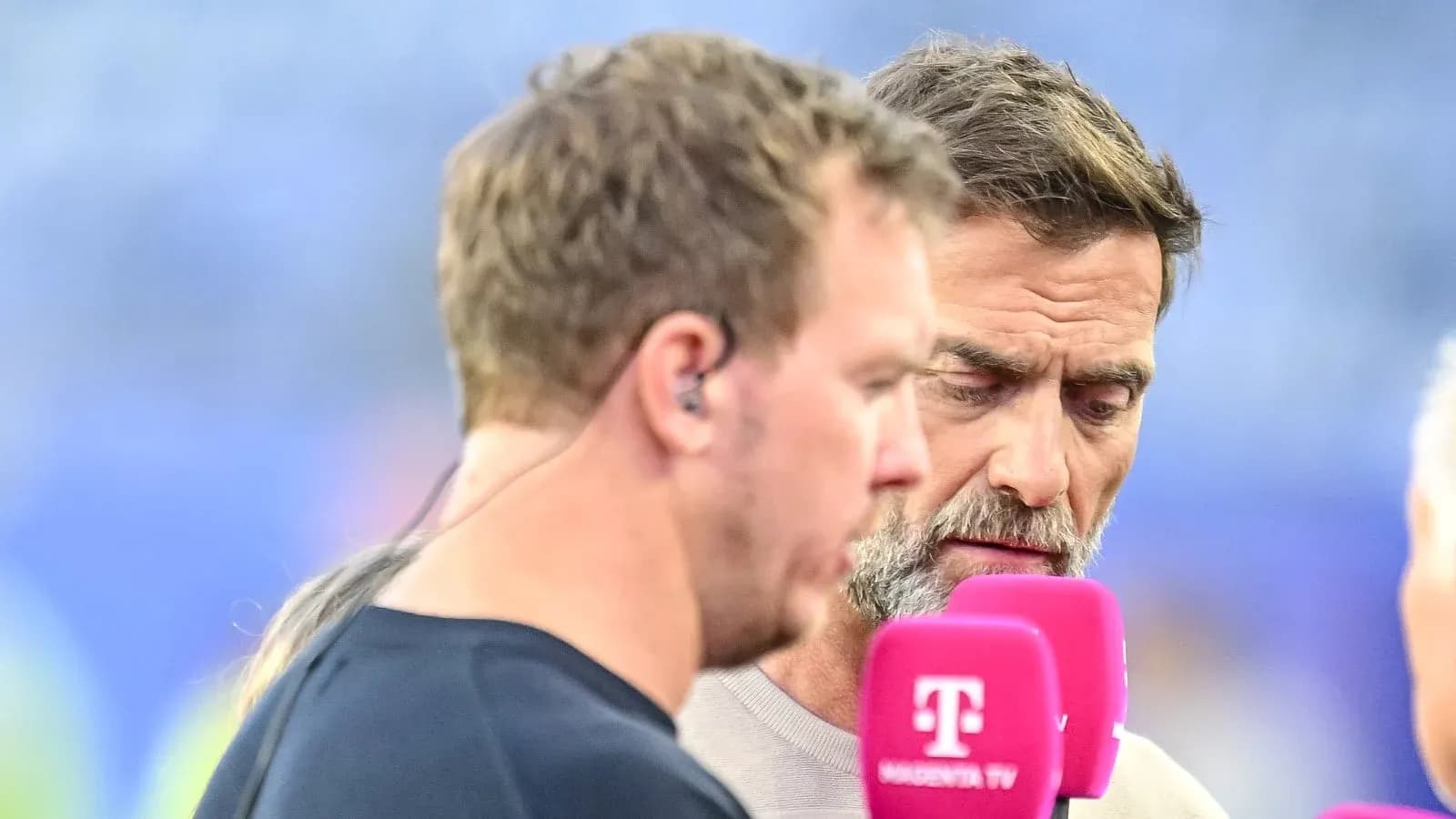
Jurgen Klopp knows exactly how this story usually goes. A giant falls, a nation rages, and the biggest name not in the dugout is pushed straight to the front of the conversation.
This time, he wanted no part of it.
Germany’s World Cup campaign ended in Boston with a 4-3 penalty shootout defeat to Paraguay in the round of 32, their first-ever shootout loss at a World Cup. Within minutes, the inquest began. Within hours, the questions about Klopp followed.
On MagentaTV, where he was working as a pundit, the former Liverpool manager and current Red Bull head of global soccer was asked the inevitable: what would have to happen for him to consider the national-team job?
“I haven’t thought about that yet,” he said, in comments reported by Bild. He didn’t dance around it, but he didn’t indulge it either.
“I’ve often been in that situation myself as a coach, where a big dream has been shattered. I understand that when people talk about the national coach, my name is mentioned. But it’s not the right moment to talk about it, especially not with me.
“I have a job that I really enjoy. And as far as I know, it’s not a part-time job. The fact is, Germany was eliminated today, and this is not the moment for me to think about Jurgen Klopp’s future.”
The message was clear. Germany may be in crisis; Klopp is not their quick fix.
Germany crash out, questions close in
The exit itself carried a cruel edge. Germany had topped Group E despite losing 2-1 to Ecuador in their final group match, a result that already stirred unease back home but did not yet trigger full-scale panic. That came in Boston.
Against Paraguay, Julio Enciso struck first, Kai Havertz dragged Germany level, and the game crawled into extra time under the weight of tension. Jonathan Tah thought he had become the unlikely hero, his extra-time header briefly sending German fans into celebration. VAR cut that short, ruling the goal out and draining the air from the stadium.
The drama only deepened from the spot.
Havertz, one of the few German players to emerge from recent tournaments with any credit, missed his penalty. Nick Woltemade followed him with another failure from 12 yards. Paraguay blinked too: Antonio Sanabria and Fabian Balbuena both squandered match-winning chances in the shootout, prolonging German hope.
Then came the final twist. Tah, already stung by the disallowed header, missed the target. Jose Canale stepped up and buried the decisive kick in sudden death. Germany were out. Again.
Nagelsmann stands his ground
The defeat instantly cranked up the pressure on Julian Nagelsmann. Another tournament, another early flight home. The pattern is becoming depressingly familiar for a four-time world champion.
Nagelsmann, though, refused to flinch.
“I’m not one to run away,” he said in his post-match press conference. “It’s not the first time, but it’s been happening for a while now that we’ve been delivering tournaments like this and yes, there are certainly a few basic things that I don’t want to go into now.
“I’m not one of those people who sits here and says, ‘I’m resigning now, just because we’ve been eliminated’. If the DFB wants me to continue then I’ll continue and if they don’t want me to, then they can tell me that.”
The line was defiant, but also revealing. Responsibility, he suggested, is shared. The problems, he hinted, run deeper than one coach. Still, the decision now sits squarely with the DFB: back a young coach to lead the rebuild or rip it up and start again.
What they will not be able to do, at least for now, is lean on Klopp as the saviour.
Havertz left shattered
If Nagelsmann tried to project control, Kai Havertz could not hide the emotional toll. The Arsenal forward, playing at his second World Cup, left the pitch looking hollowed out.
“I’m a little lost for words,” he admitted in quotes reported on FIFA’s website. “This is my second World Cup and both times it came to nothing.
“All I can do is apologise. I thought we didn’t play bad football at the last few tournaments, but something was always missing. And it was the same today.
“We have to take a hard look at ourselves, especially the players, and I’m leaving the coach out of that.”
It was a pointed remark. Havertz removed Nagelsmann from the firing line and turned the spotlight firmly on the dressing room. Tactically, structurally, Germany will be dissected for months, but Havertz’s words cut to the core: mentality, ruthlessness, the ability to close out big moments – these are the traits that once defined Germany on the world stage. Right now, they look lost.
Gakpo’s grief and Morocco’s steel
On another pitch, in another corner of this World Cup, the game showed its human side in the starkest way.
Cody Gakpo, playing for the Netherlands in Guadalupe against Morocco, scored and broke down. Not from the usual release of tournament pressure, but from something far deeper.
Days earlier, Gakpo and his partner Noa van der Bij had revealed that their baby son, Elijah Raphael Gakpo, had died during pregnancy. “With broken hearts, we share the devastating news that our baby boy passed away during pregnancy,” van der Bij wrote on Instagram. “Elijah Raphael Gakpo, forever loved, forever our son.” Gakpo added in his own post: “This is an incredibly difficult time for our family. We kindly ask for our privacy and space. Thank you for your understanding.”
Against that backdrop, his goal felt almost surreal.
Slipped in by Crysencio Summerville in their last-32 tie, the Liverpool forward latched onto the pass, seized on the loose ball and drove a low finish into the net. As it hit the back of the goal, he dropped into a crouch, overcome. Teammates rushed to him, forming a tight circle, a brief shield from the world.
For a long time, it looked like his strike would carry the Dutch through. The clock ticked into stoppage time with the Netherlands still 1-0 up. Then Issa Diop struck, one minute into added time, levelling for Morocco and ripping the script apart.
The game went to penalties. Morocco held their nerve, winning 3-2 in the shootout and sending the Dutch home. Gakpo’s goal, so laden with personal meaning, did not bring sporting reward.
Football rarely offers neat endings. It offers moments. For Germany, the moment was another collapse under the harshest spotlight. For Gakpo, it was a goal wrapped in grief. For Nagelsmann and the DFB, the next moment comes quickly: decide whether this is the foundation of a rebuild or the end of another failed experiment.
Related News
Anthony Joshua Names Murat Gassiev as Next Opponent if He Defeats Tyson Fury

UFC 332: Start Time and Fight Highlights for Natalia Silva vs. Wang Cong
Court McGee Opens Up About Choosing UFC 332 as His Final MMA Fight
WBC Orders Lightweight Title Unification: William Zepeda vs Jadier Herrera
BCCI Pension List: Monthly Payments to Retired Indian Cricketers in 2025

Why Fury vs Joshua Is Set for Cardiff, and Dua Lipa’s Unexpected Role