
Leicester City Sale: King Power Ends Turbulent Era
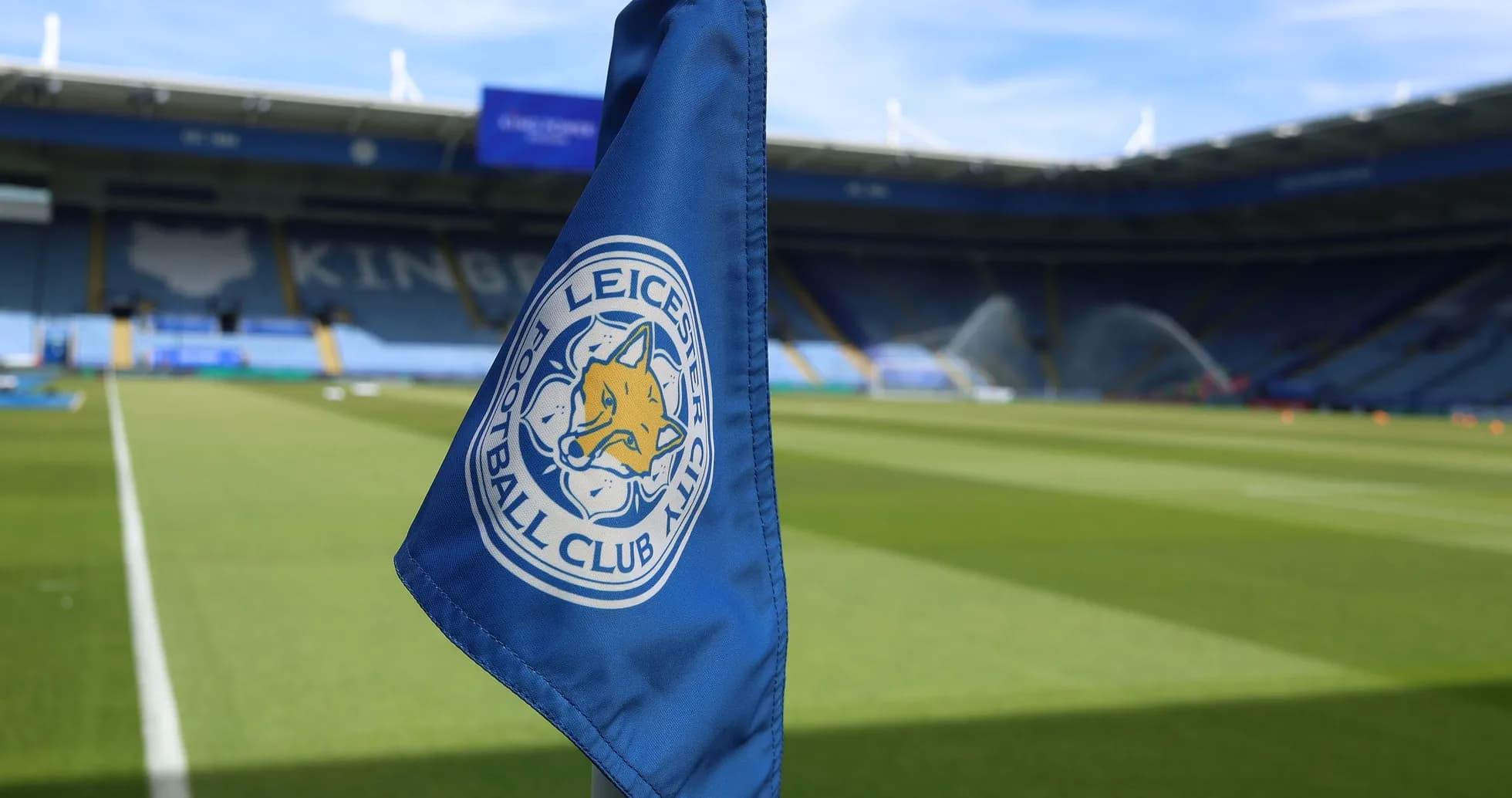
King Power has begun the process of selling Leicester City, drawing a line under one of the most dramatic ownership stories English football has seen this century.
According to BBC Sport, the Thai-based group, chaired by Aiyawatt “Top” Srivaddhanaprabha, has hired US banking giant Citigroup to oversee the sale. An eight-page prospectus, pointedly titled “Project Lineup”, is already circulating in boardrooms and inboxes across the football-investment world.
It is not a modest offer. The package on the table includes the men’s first team, the women’s team, the 32,000-seat King Power Stadium and the Seagrave training complex – a facility that only opened in 2020 and carries a headline valuation of £121 million. In total, the club’s physical assets are pitched at more than £200 million.
What the brochure does not do is slap a clear price on the playing squads. Instead, Citigroup leans into narrative. Leicester are framed as “a rare opportunity to acquire a club with an excellent track record of winning promotions to higher divisions” – a line that speaks directly to investors chasing fast returns rather than romance.
Numbers behind the gloss
The sales pitch projects a turnover of more than £97 million for the 2026 financial year. On the surface, that sounds healthy. The recent accounts tell a different story.
Between 2023 and 2025, Leicester racked up losses in excess of £180 million during a period that veered from Premier League survival battles to Championship relegation. The 2025 accounts also laid bare a heavy debt load, with bank loans alone standing at £103.6 million.
That financial strain has not existed in isolation. King Power’s core duty-free business in Thailand has been hit by global economic shifts and fluctuating travel markets. The once seamless synergy between a booming retail empire and an ambitious football club has frayed.
From £35m bargain to global shockwaves
When the Srivaddhanaprabha family bought Leicester City from Milan Mandaric for just £35 million in 2010, the club were Championship hopefuls with big plans but modest reach. Under the late Vichai Srivaddhanaprabha, those plans exploded into reality.
The title win in 2016 turned Leicester into global icons, the FA Cup triumph in 2021 underlined their status among the elite, and the club’s story became a modern fairy tale. That glow has dimmed.
Back-to-back relegations have dragged the Foxes from the Premier League to League One, and the mood has darkened sharply. Protests outside the King Power Stadium after their Championship drop were loud, organised and angry. Months of unrest have ended with a stark conclusion: the club is on the market.
Reminders of a modern giant
The sales brochure does not dwell on the anger or the slide. Instead, it leans hard on Leicester’s recent pedigree. The Foxes are presented as one of only five clubs to have lifted all three major English trophies – the Premier League, FA Cup and League Cup – since the turn of the millennium. It is a powerful statistic, and one that still cuts through the gloom.
Another key plank of the pitch is the club’s academy and recruitment model. Citigroup hails a “strong talent pipeline backed by leading scouting infrastructure, active transfer management and highly developed academy system consistently producing top players.” That line is not without evidence.
The recent £10 million sale of academy product Jeremy Monga to Manchester City is flagged as a fresh example of how Leicester can still develop and monetise talent, even amid instability.
League One reality bites
While “Project Lineup” does the rounds in financial circles, reality is closing in on the pitch. Leicester are preparing for only the second League One campaign in their history, with an opening trip to Notts County on Saturday.
For supporters, the contrast is brutal. A club once parading the Premier League trophy now heads into the third tier, burdened by debt, up for sale, and waiting to see who takes control of the next chapter.
The brochure sells Leicester City as a rare opportunity. The coming months will reveal whether that opportunity is seized – and whether the next owners can turn a rescue job into another improbable rise.
Related News
Manchester United's Transfer Pursuit: Left-Back and Midfielder Targets

Juventus Pursues Zion Suzuki on Loan to Address Goalkeeping Needs

Enes Ünal Leaves Bournemouth for Getafe Return
Calum Scanlon Set for Loan Move to Cardiff City
Real Madrid's Trophy Win Reveals Midfield Flaws
West Ham Faces Boardroom Turmoil Amid Championship Return