
Kaze's Tactical Insights: Lessons from Kaizer Chiefs Match
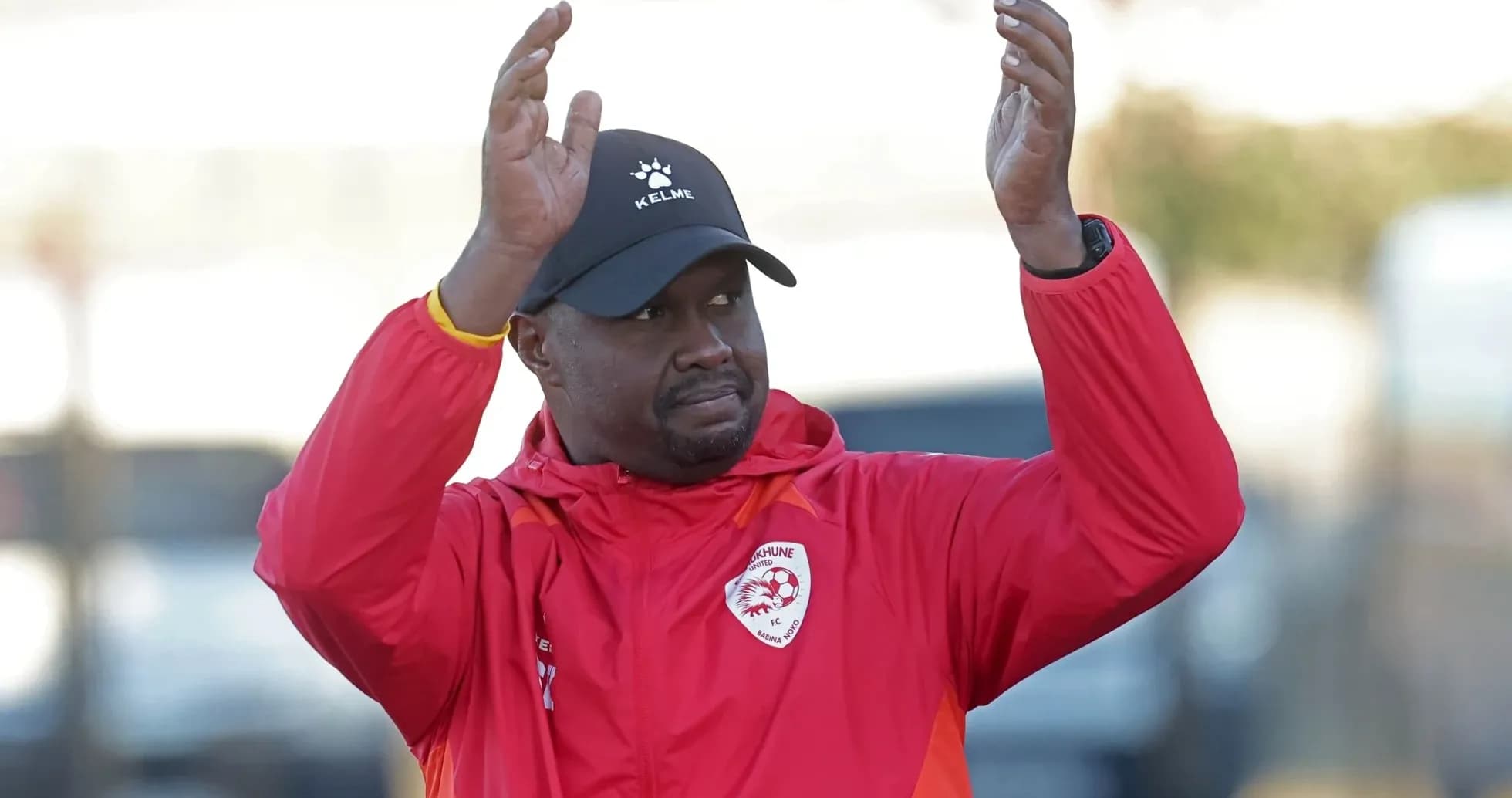
Kaze walked into this one with a secret few coaches ever enjoy: he knew almost everything about the opposition dressing room.
Fresh from his stint at Naturena, the Sekhukhune United coach faced a Kaizer Chiefs side stacked with familiar faces. Ten of the 11 Amakhosi starters had worked under him before. He knew their habits, their triggers, their weak spots. And for 45 minutes, it showed.
Kaze’s plan: slow it down, shut it down
Chiefs, still bruised from a recent MTN8 exit, flew out with intent. Fernando da Cruz’s side wanted an early statement, a quick goal to ease the tension in the stands and in the dugout.
They didn’t get it.
Sekhukhune dropped into a disciplined low block, lines tight, spaces strangled. Wide areas were locked off, central channels crowded. Every time Chiefs tried to isolate a winger 1v1, a red shirt appeared to double up, then another to close the lane inside.
"We prepared well, and we knew that Chiefs would come out in a bit of a rush because of their defeat in their last game," Kaze said afterwards. The plan was simple: slow the game, deny space, kill the rhythm.
"We knew that we had to slow the game down and not allow them to get space, especially in the wide areas, stopping them from having 1v1 situations and closing the central lines."
For a while, it worked. Chiefs probed, but Sekhukhune smothered. The visitors frustrated the home crowd and fed off every blocked cross, every intercepted through ball. The early storm had been weathered. The tension began to shift.
The bold call: subbed on, then hooked
Then came the moment that lit up the second half – and not for the usual reasons.
Chasing a bit more thrust going forward, Kaze turned to his bench on the hour mark. On came 31-year-old winger Mcedi Vandala, a recent arrival from AmaZulu, replacing Thato Khiba. Fresh legs, fresh ideas, a chance to tilt the game.
Twenty minutes later, Vandala was walking off again.
Kaze yanked him for Karabo Tlaka, a decision that drew sharp intakes of breath and plenty of murmurs from fans and pundits alike. For any professional, being substituted after such a short cameo is brutal, public, and usually unforgettable.
Kaze didn’t flinch.
“It was a tactical decision from us, from me and I hope we work it out, the way I wanted him to perform and the impact I wanted from him is not what I wanted to see,” he explained.
No sugar-coating. No attempt to dress it up as anything else. It was the move of a coach who felt the game slipping and was ready to act ruthlessly to regain control.
But the pressure was already building in the other direction.
Heavy legs, heavy price
Sekhukhune’s first-half resilience started to crack under the weight of tired bodies. Babina Noko had gone 120 gruelling minutes in an MTN8 clash against AmaZulu just days earlier. That mileage showed.
The press slowed. The block stretched. Those tight gaps from the first half widened into inviting corridors.
“I feel like in the second half, we were a little bit passive while they increased the tempo of the game,” Kaze admitted. Chiefs sensed it and turned the screw.
Luke Baartman found the breakthrough. Mduduzi Shabalala followed, punishing the fading resistance and tilting the contest decisively in favour of the Glamour Boys. The scoreline reflected what the eye could see: one team surging, the other running on empty.
“But it is a well-deserved win for Chiefs; they played well in the second half," Kaze said. "We didn’t start [the half] well, and we had a lot of heavy legs.”
The physical toll wasn’t the only issue. Sekhukhune’s structure took another hit when Vuyo Letlapa went down injured, compounding a problem area with their regular left-back already sidelined.
“Unfortunately, we also suffered an injury to Vuyo [Letlapa], forcing us to improvise because our regular left-back is already out injured. As a result, our block in the second half was not as compact as we would have wanted,” Kaze noted.
Once that compactness disappeared, Chiefs didn’t need a second invitation.
Lessons from a familiar foe
On paper, it goes down as a comfortable home win for Kaizer Chiefs. On the touchline, it felt like a night of sharp reminders for Kaze.
His game plan had stifled a high-quality opponent for half a match. His knowledge of the Chiefs squad gave Sekhukhune a clear tactical edge early on. But in the Betway Premiership, tactical discipline only carries you so far if the legs can’t match the ideas.
The coach didn’t hide from that reality. He pointed to passivity, tiredness, and the loss of defensive compactness as the key reasons the game flipped after the break. Chiefs, to their credit, recognised the momentum swing and made it count.
For Sekhukhune, the blueprint is there: organisation, structure, and the ability to frustrate top sides. The question now is whether they can sustain that level across a relentless domestic schedule.
As the season gathers pace, Babina Noko will have to find that balance between tactical control and physical endurance – or risk watching more leads, more plans, and more promising performances unravel in the final half-hour.
Related News
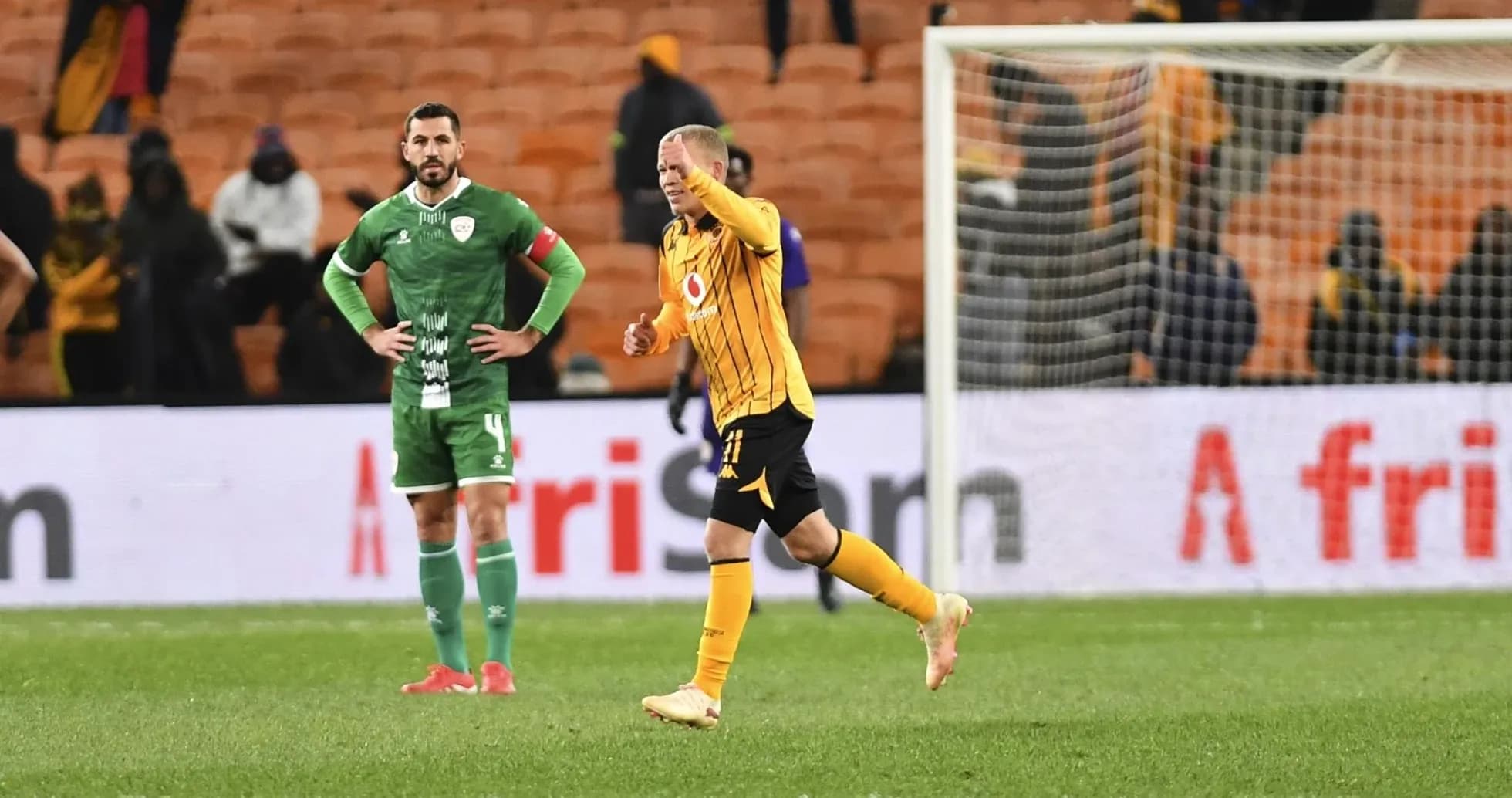
Luke Baartman: The Rising Star of Kaizer Chiefs
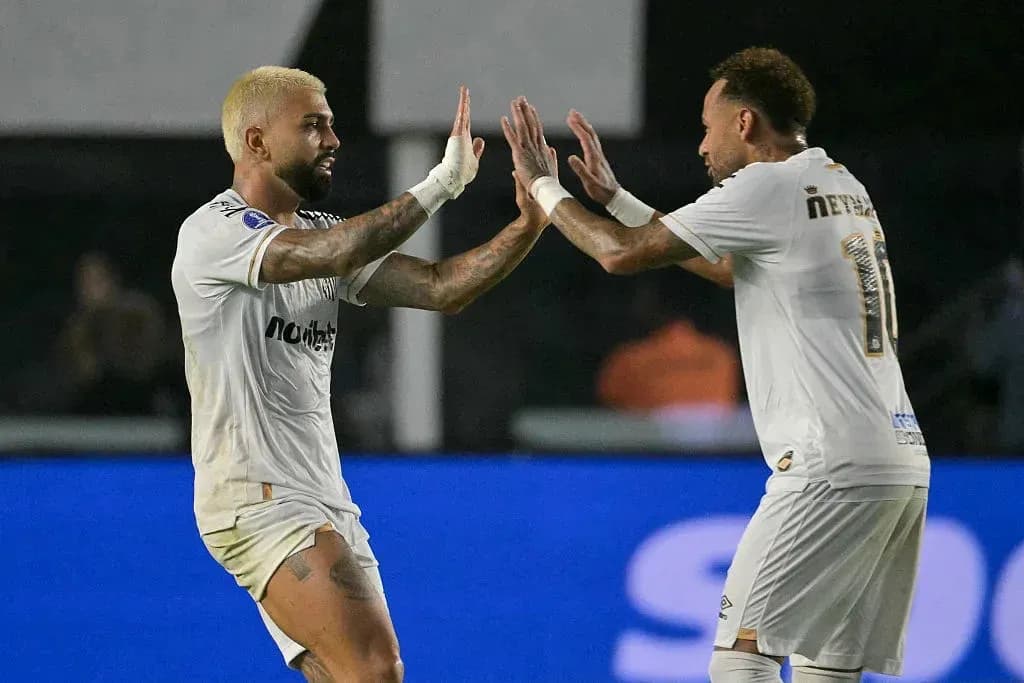
Santos Overcome Adversity with Neymar and Gabigol in Sudamericana Victory
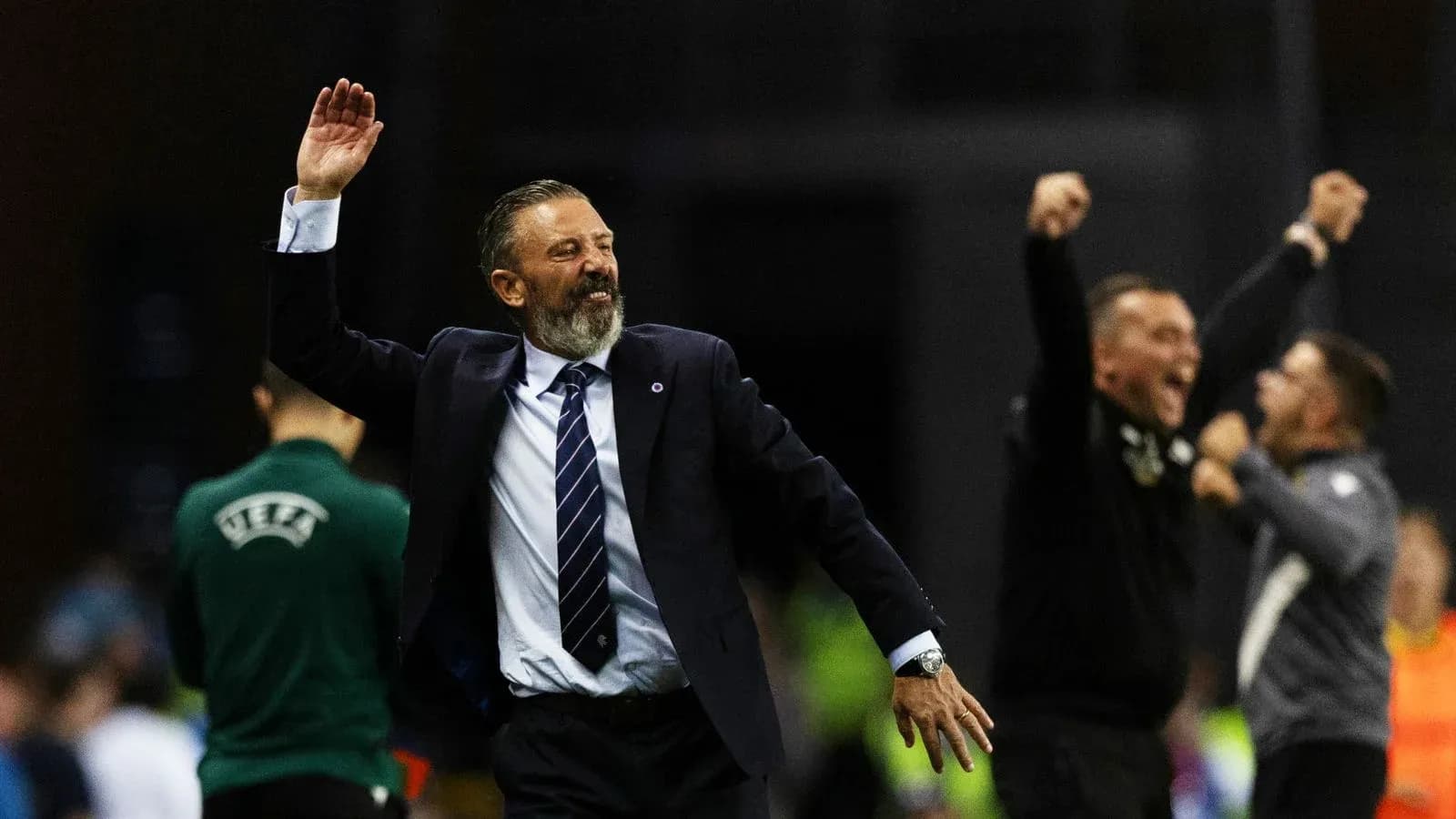
Rangers' Europa League Exit: McInnes' Blunt Assessment
Rangers' Europa League Exit Highlights Managerial Struggles
Newcastle United's Defensive Concerns Ahead of Liverpool Clash
Rangers Crash Out of Europa League as McInnes Seeks First Win