
Lionel Messi Scores Historic 20th World Cup Goal
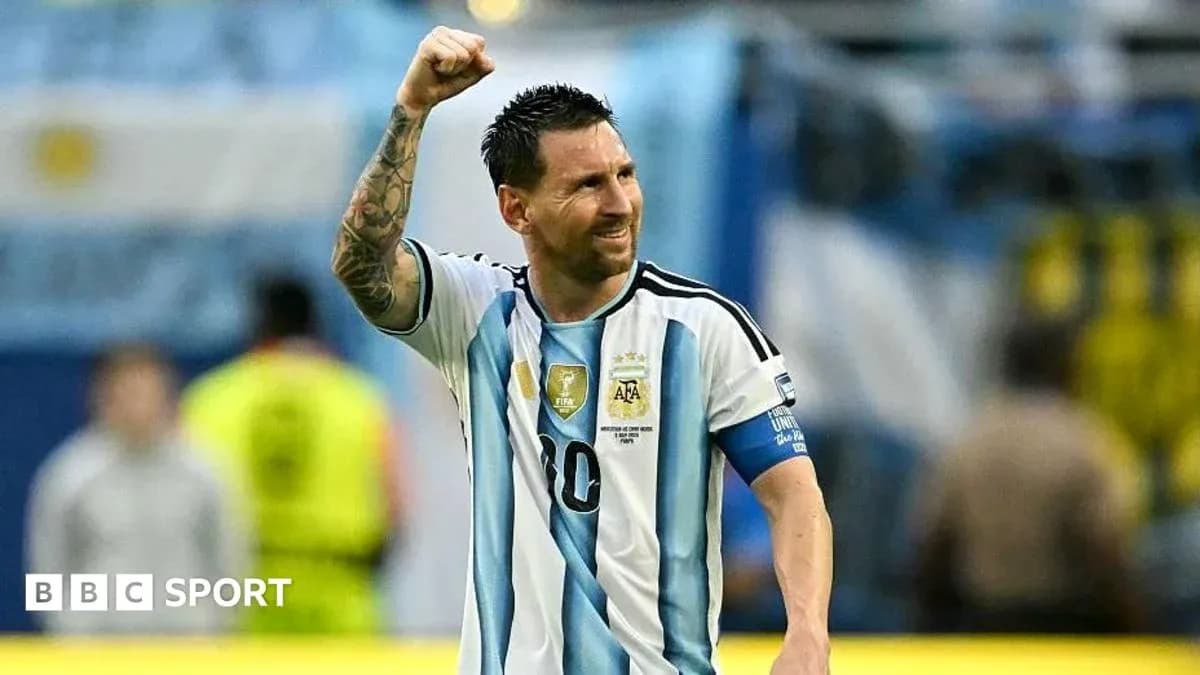
Lionel Messi did it again.
Three against Algeria, two against Austria, one against Jordan, and now another in Miami as Argentina edged past Cape Verde 3-2 in a wild World Cup last‑32 tie. One more goal in a career built on them, but this one carried a different kind of weight.
It was his 20th goal at World Cup finals. No man or woman has ever been here before.
A city dressed for a No 10
Miami had been humming for hours. Long before kick-off, streets around the stadium were painted in sky blue and white: drums thudding, songs rolling through the humid air, fans wrapped in flags big enough to cover buildings.
Inside, it was a takeover. Argentina shirts everywhere, Messi’s No 10 stitched on backs of children, parents, grandparents. Flags hung from railings, a sea of fabric and devotion. One banner stood out: Messi and Diego Maradona, rendered almost as saints, side by side, a mural of a country’s footballing faith.
“He’s our hero. He’s like our God,” said one supporter, eyes fixed on the pitch even as the teams warmed up.
“He has aged like fine wine,” another added. “The older he gets, the better he gets.”
They spoke about the Golden Boot as if it were a natural conclusion, a formality if Argentina could drag themselves all the way to the final. Some didn’t even need that.
“We’ve already had so much from him,” said one fan. “If he wins it, fantastic, but everything he’s already done for Argentina is enough. He is incredible.”
A quiet game, a loud moment
By his own towering standards, Messi did not dominate this match. Cape Verde refused to play the role of grateful guests. Ranked outside the world’s top 60, they took on the side sitting second with a boldness that ignored reputation and history. They frustrated Argentina, held their nerve, and for long stretches, they dragged the game into their own rhythm.
And yet.
This is Messi. He does not need 90 minutes. He needs one run, one touch, one decision.
The breakthrough came with the kind of simplicity that only the best can make look routine. Lisandro Martínez spotted the angle, slid a pass in behind. Messi timed his movement perfectly, ghosting beyond the backline, taking the ball in stride with his first touch and then, with the second, lifting it over the Cape Verde goalkeeper.
A small flick of the boot. A huge shift in history.
On BBC Radio 5 Live, James McFadden could only marvel. “Just incredible,” the former Scotland forward said. “The run he makes is beyond the backline and the timing is excellent. The weight of the pass into him is outstanding and his first touch is exquisite.”
On ITV, Ally McCoist called it “genius at work”. Then came the line that has followed Messi for years: “It’s just one record after another. It’s amazing.”
Records that keep falling
The numbers are now almost absurd. Seven goals at this World Cup alone. That tally would have been enough to win the Golden Boot at five of the past six tournaments. Since 1978, there have been 13 World Cups; seven goals would have topped the scoring charts in all but two of them.
He stands as the first player, male or female, to reach 20 World Cup goals.
He has now scored in eight consecutive World Cup appearances, something no one else has managed. And he is the first player to score seven or more goals at two separate World Cups, after also hitting that mark in 2022.
These are not marginal gains. They are seismic shifts in the record books, carved out by a 39‑year‑old who no longer sprints through games but still bends them to his will.
What separates him is not relentless running. It is his reading of the pitch, his sense of time and space. While others chase, he watches. While others burn energy, he stores it.
He scans before the ball comes, maps out the possibilities, then waits. When the moment appears, he moves, and the game changes.
A different kind of Messi
This World Cup has also revealed a different strand to his play. The walking, the studying, the pauses — those are familiar. But there has been a sharper edge without the ball.
“Throughout the years, Messi has walked at times in games to assess what is happening,” McFadden noted. “But here he is getting back to try and win the ball and is leading the press. It’s not a full, high-energy press, but he is leading it.”
At 39, he is not chasing lost causes across 60 yards. He is choosing his moments, stepping in to trigger the press, setting the tone for those around him. It is subtle leadership, but it is leadership all the same.
Miami, capital of Messi mania
If there is any place outside Argentina that feels like Messi’s second home, it is Miami.
Since his arrival at Inter Miami in 2023, the city has wrapped itself around him. His face is on murals splashed across walls, in shop windows, on flags hanging from balconies. Children play barefoot on the beach in Argentina shirts, the No 10 almost a uniform. Stadiums echo with his name long before he walks out of the tunnel.
His influence has even reached the menus. Argentine restaurants proudly serve milanesa — breaded beef or chicken, one of his favourite dishes — some of them renamed in his honour. You can eat like Messi before watching Messi, a full‑course devotion.
Around him, the media circus has grown into something close to permanent theatre. In the press zone after matches, normal rules of proximity and patience disappear. Reporters crush together, microphones raised, cameras held high, everyone straining for a line, a look, a soundbite.
The moment he appears, conversation dies. Crews jostle for space, elbows tighten, tripods tilt. Then, as quickly as he arrives, he is gone down the corridor, leaving behind a blur of photos, a handful of words and another chapter for the archives.
Entire digital platforms track his every step, dedicated solely to him. Training clips, goal compilations, off‑field moments — all of it consumed by a global audience that shows no sign of tiring.
More than one nation’s dream
This World Cup is officially about Argentina’s defence of their crown and their hunt for another star on the shirt. Unofficially, it is about something broader: the world watching a once‑in‑a‑generation player stretch the limits of what a final act can look like.
For some, this is simply their team’s journey. For many others, it is a last chance to see Lionel Messi keep rewriting the rules of time, one goal at a time, on the biggest stage football can offer.
Related News
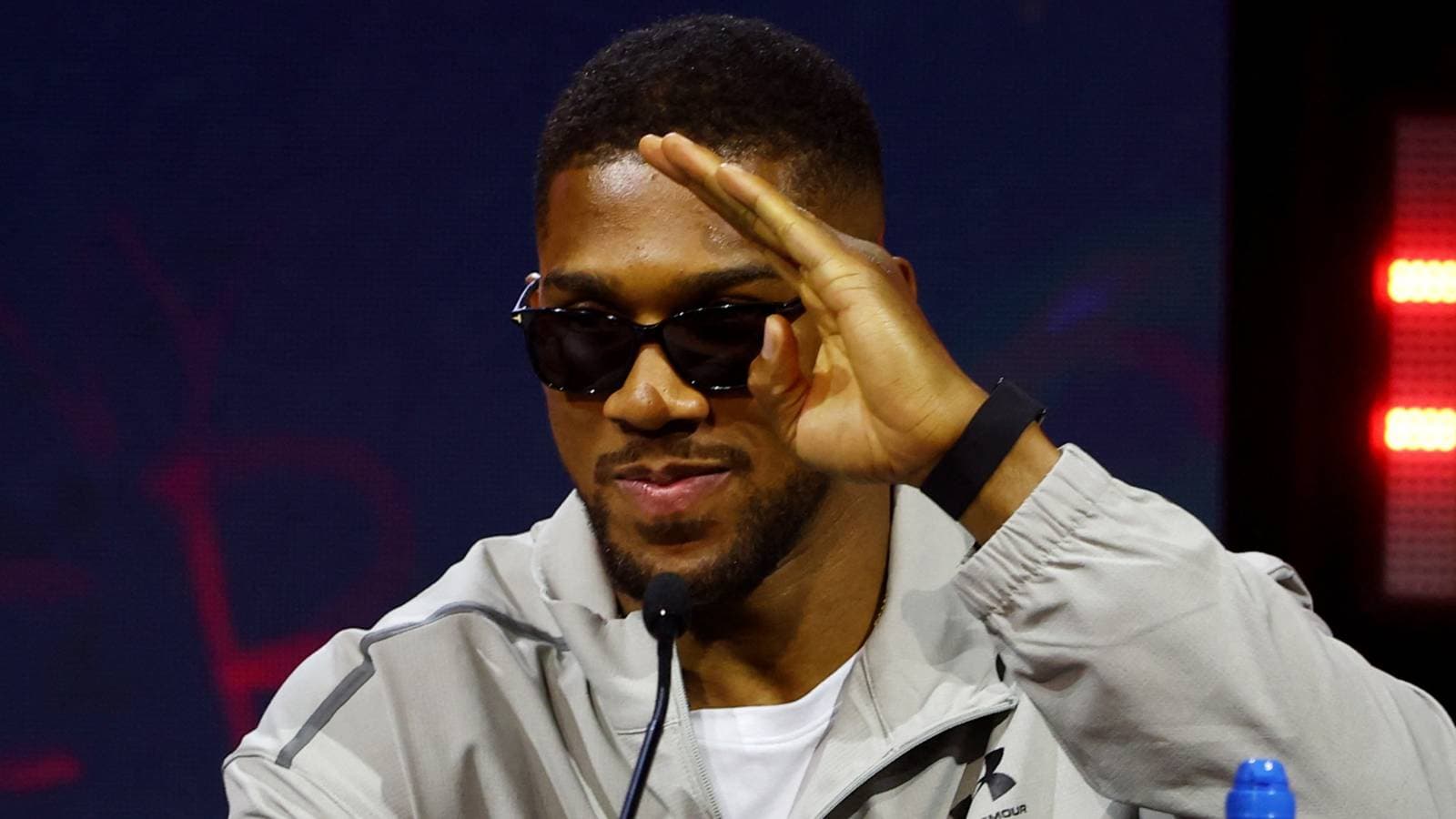
Anthony Joshua Names Murat Gassiev as Next Opponent if He Defeats Tyson Fury

UFC 332: Start Time and Fight Highlights for Natalia Silva vs. Wang Cong
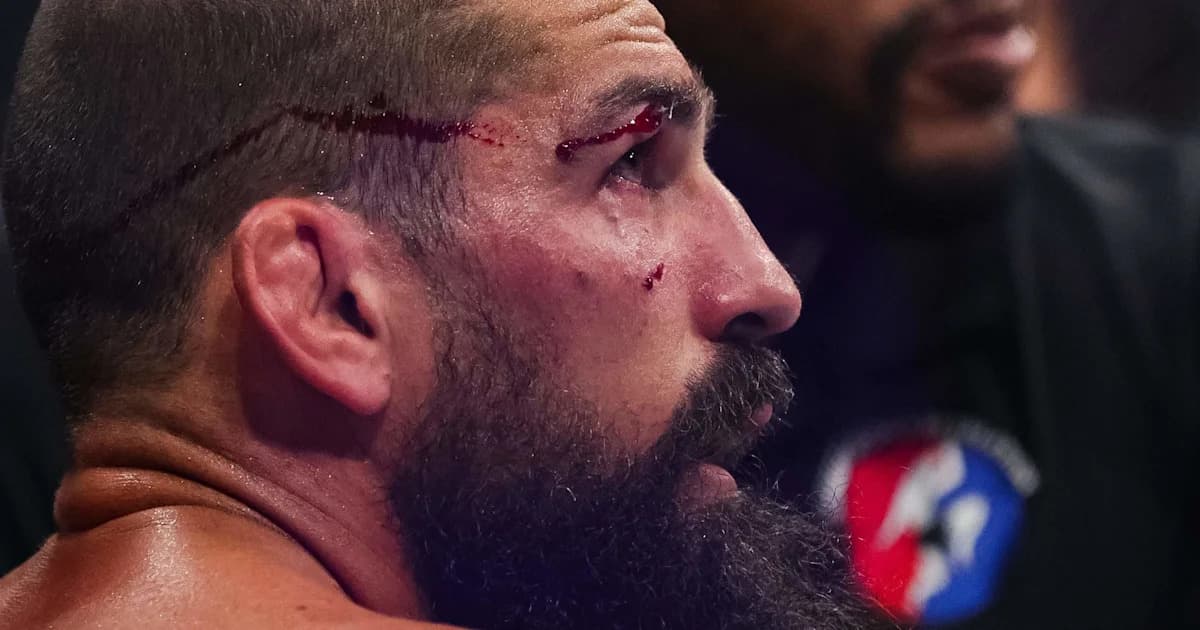
Court McGee Opens Up About Choosing UFC 332 as His Final MMA Fight
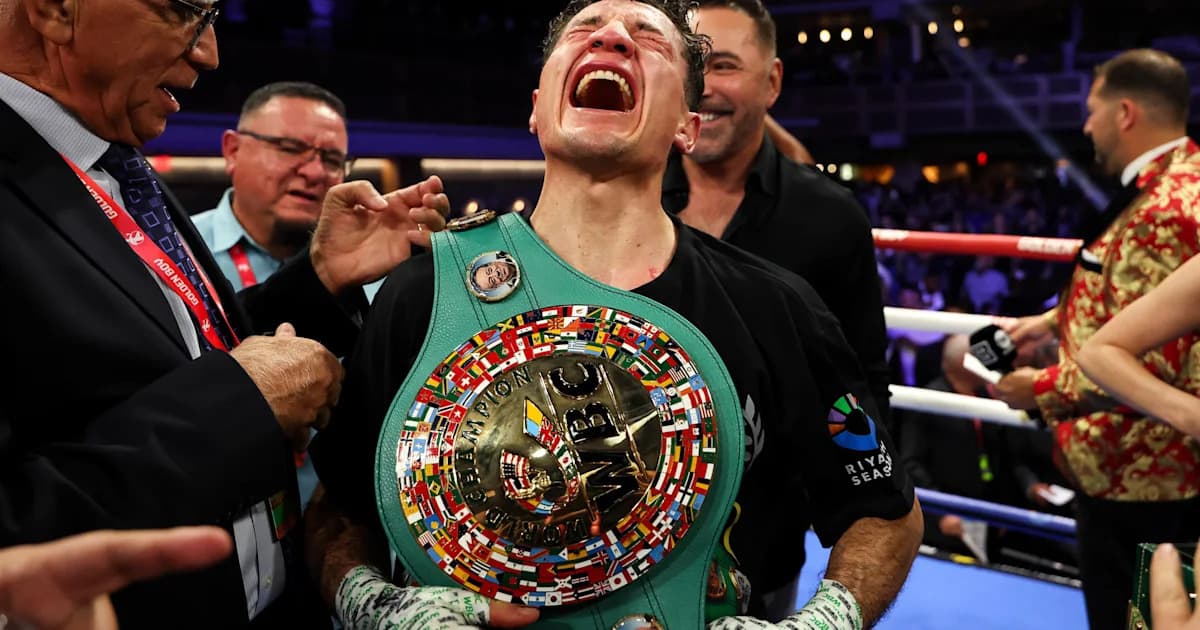
WBC Orders Lightweight Title Unification: William Zepeda vs Jadier Herrera
BCCI Pension List: Monthly Payments to Retired Indian Cricketers in 2025
Why Fury vs Joshua Is Set for Cardiff, and Dua Lipa’s Unexpected Role