
Liverpool Faces Turbulence as Edwards Exits and Gordon Takes Charge
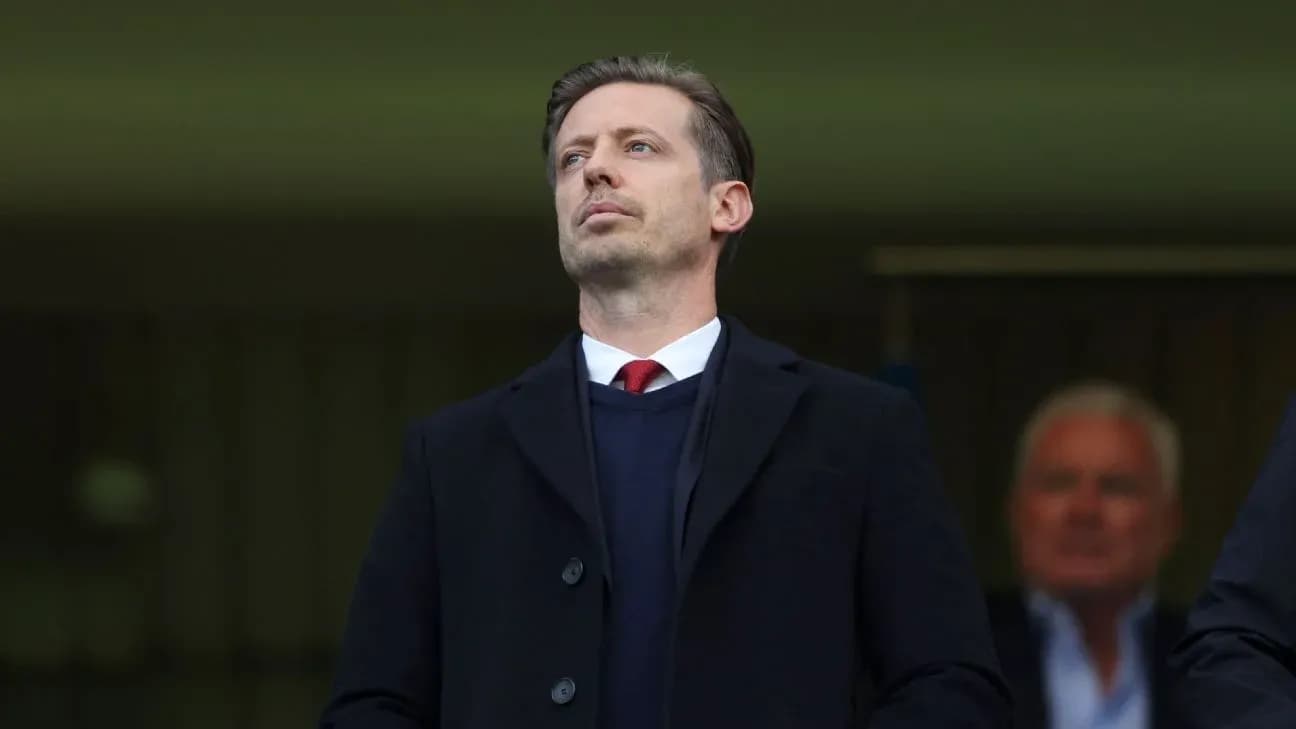
Liverpool have been here before: a summer of change, a sense of drift, big decisions being made in quiet rooms far from the Kop. But this time, the turbulence is coming from the very top of the football operation.
Michael Edwards, the architect of Liverpool’s modern recruitment era and more recently FSG’s chief executive officer of football, has walked away with a year still left on his contract. His exit is immediate. So is the impact.
Edwards walks, Gordon steps in
Edwards had returned to Fenway Sports Group in 2024 with a different brief to the one that made his name under Jürgen Klopp. No longer the sporting director building a title-winning squad, he was tasked with something more corporate and expansive: driving FSG’s push to acquire a second club and build a multi-club model.
That project stalled. The frustration grew.
FSG looked at more than 20 clubs across Europe, sounding out possibilities from Bordeaux in France to Málaga in Spain. Options were drawn up, scenarios mapped out, a portfolio sketched in theory. Then, earlier this year, the ownership pulled the plug and shelved the plan.
For Edwards, that was a breaking point. Having returned to help shape that wider football vision, he chose to go once it became clear it would not move in the direction or at the pace he wanted. Sources say FSG tried to keep him, but the conversations could not change his mind.
His departure leaves FSG president Mike Gordon poised to take a far more hands-on role in Liverpool’s day-to-day running. Gordon has long been a central figure in strategic decisions; now, the buffer of Edwards at group level disappears, and the responsibility swings back towards Boston’s inner circle.
Anfield in transition – again
This is not an isolated change. It drops into a club already deep in another period of transition.
Arne Slot, the man originally brought in to succeed Klopp, has already been replaced as head coach by former AFC Bournemouth manager Andoni Iraola. That alone would have made this summer feel unstable. Layered on top is uncertainty over sporting director Richard Hughes.
Hughes, who appointed Iraola and is contracted until the summer of 2027, is now being linked with Saudi Pro League side Al Hilal. His long-term future, once painted as central to Liverpool’s next chapter, suddenly looks less secure.
So the spine of Liverpool’s off-pitch structure — ownership football chief, sporting director, head coach — has been bent and twisted in a matter of months. Not ripped up, but certainly tested.
FSG’s spin, Edwards’ reality
FSG tried to present Edwards’ exit as part of a carefully managed handover. In their statement, they called it “the culmination of a planned transition following the completion of key strategic priorities.”
On paper, that sounds neat. Inside the process, it was far messier.
Edwards, by his own admission, came back to guide Liverpool through a crucial transition and to help shape FSG’s broader football ambitions. The Liverpool piece, he believes, is in good shape: “a strong position, with outstanding people, a clear direction and the foundations in place for continued success,” as he put it.
The wider project was different. He acknowledged that it “ultimately evolved differently to how we had originally envisaged,” even as he expressed pride in the breadth and quality of the options presented to ownership.
The subtext is clear. The ideas were there. The appetite to execute them, at least for now, was not.
Legacy and the next move
Edwards leaves with his reputation at Liverpool intact, perhaps even enhanced. As sporting director, he helped construct the operation that carried the club to the Premier League title in 2025 and redefined how the recruitment department worked in tandem with the manager.
His return to FSG in a more global role was supposed to be the next stage of that evolution. Instead, it has ended abruptly, with a polite farewell and a pointed sense of unfinished business.
He departs with words of gratitude for Mike Gordon, John Henry, Tom Werner and the wider FSG and Liverpool staff, and with a nod to the supporters “whose passion makes this club so special.” It is the kind of closing line that hints at affection, not closure.
For Liverpool, the question now is stark. With Edwards gone, Gordon stepping in, Iraola newly installed and Hughes’ future under a cloud, who actually shapes the long-term football vision from here?
The club has survived seismic change before and found a way to win. The next few months will reveal whether this latest reshuffle is another controlled evolution — or the moment the carefully built structure finally starts to creak.
Related News
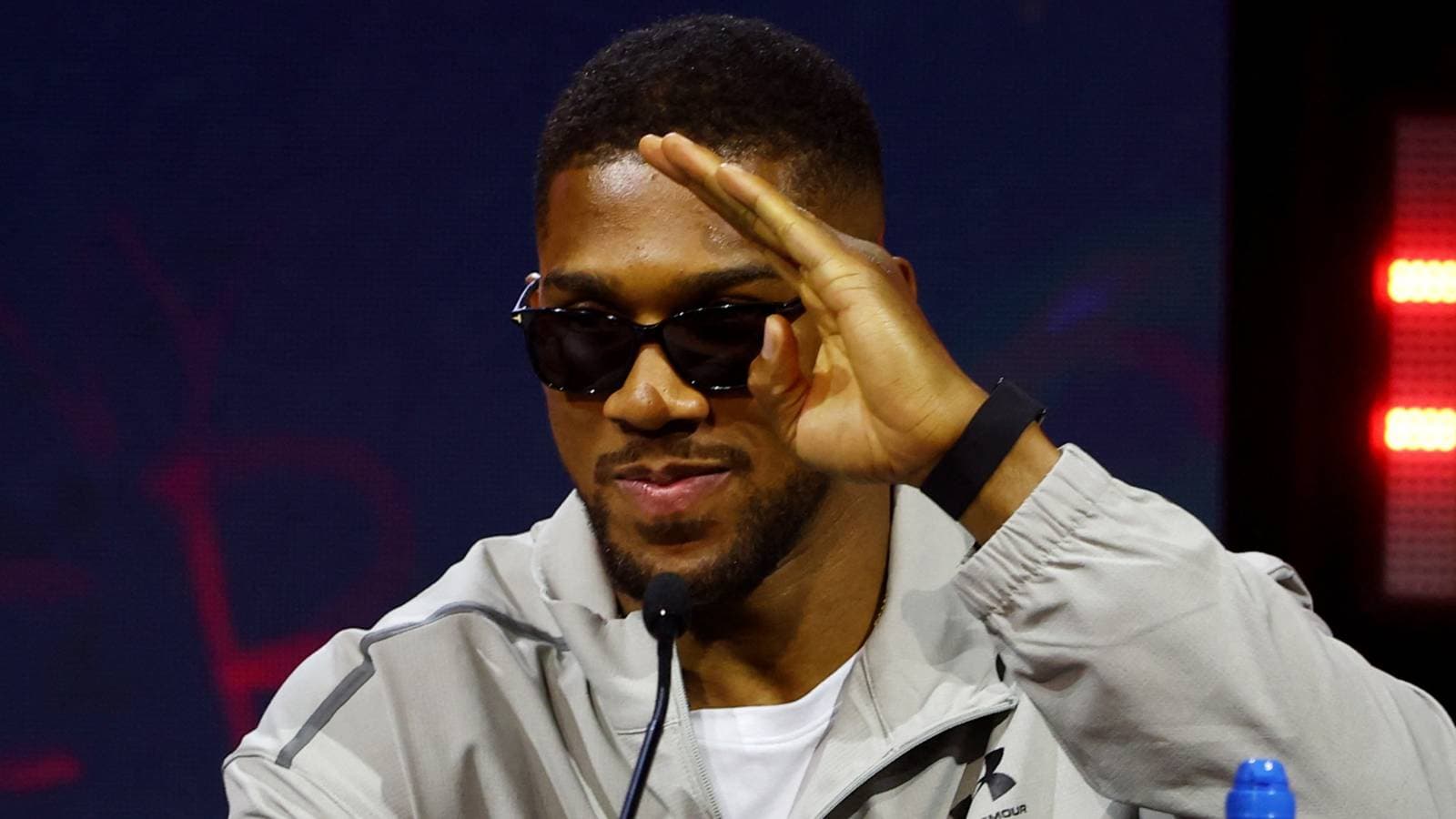
Anthony Joshua Names Murat Gassiev as Next Opponent if He Defeats Tyson Fury
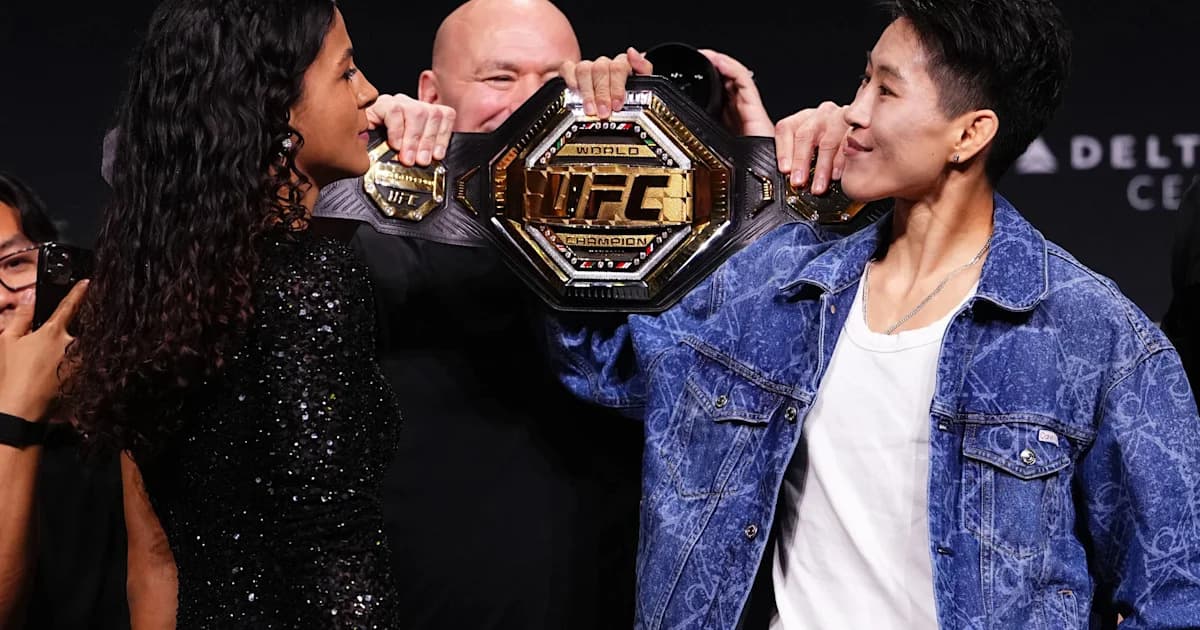
UFC 332: Start Time and Fight Highlights for Natalia Silva vs. Wang Cong
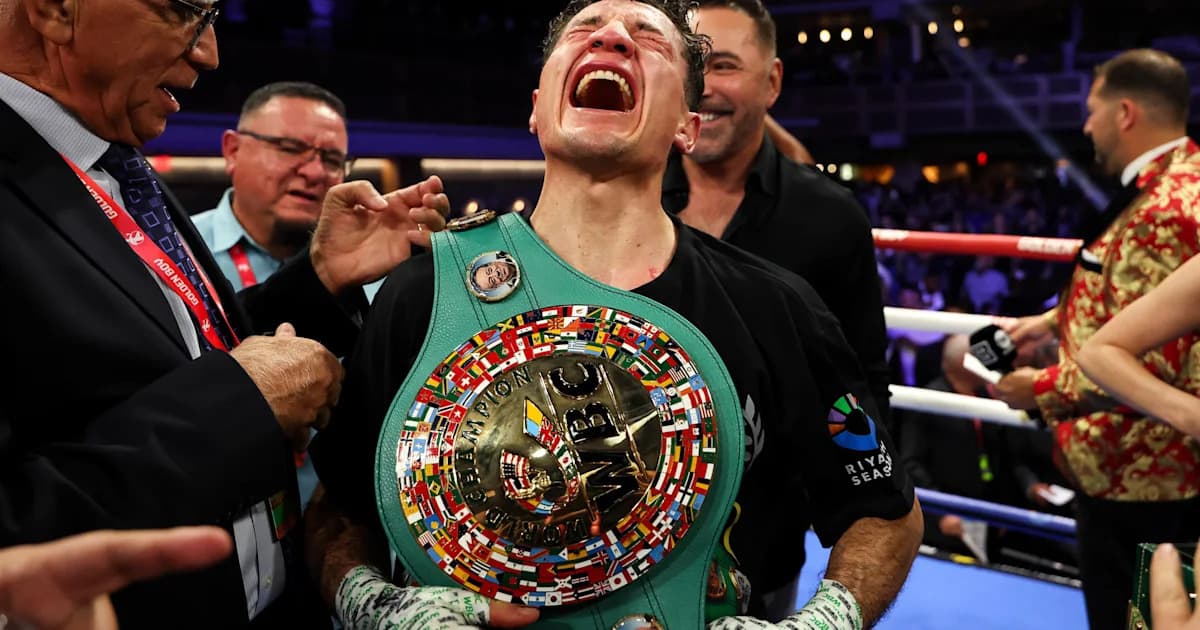
WBC Orders Lightweight Title Unification: William Zepeda vs Jadier Herrera
BCCI Pension List: Monthly Payments to Retired Indian Cricketers in 2025

Why Fury vs Joshua Is Set for Cardiff, and Dua Lipa’s Unexpected Role
Kei Nishikori Reflects on His Japan Open Debut Nearly Two Decades Before Retirement