
Liverpool's Season Ends Flat with Draw Against Brentford
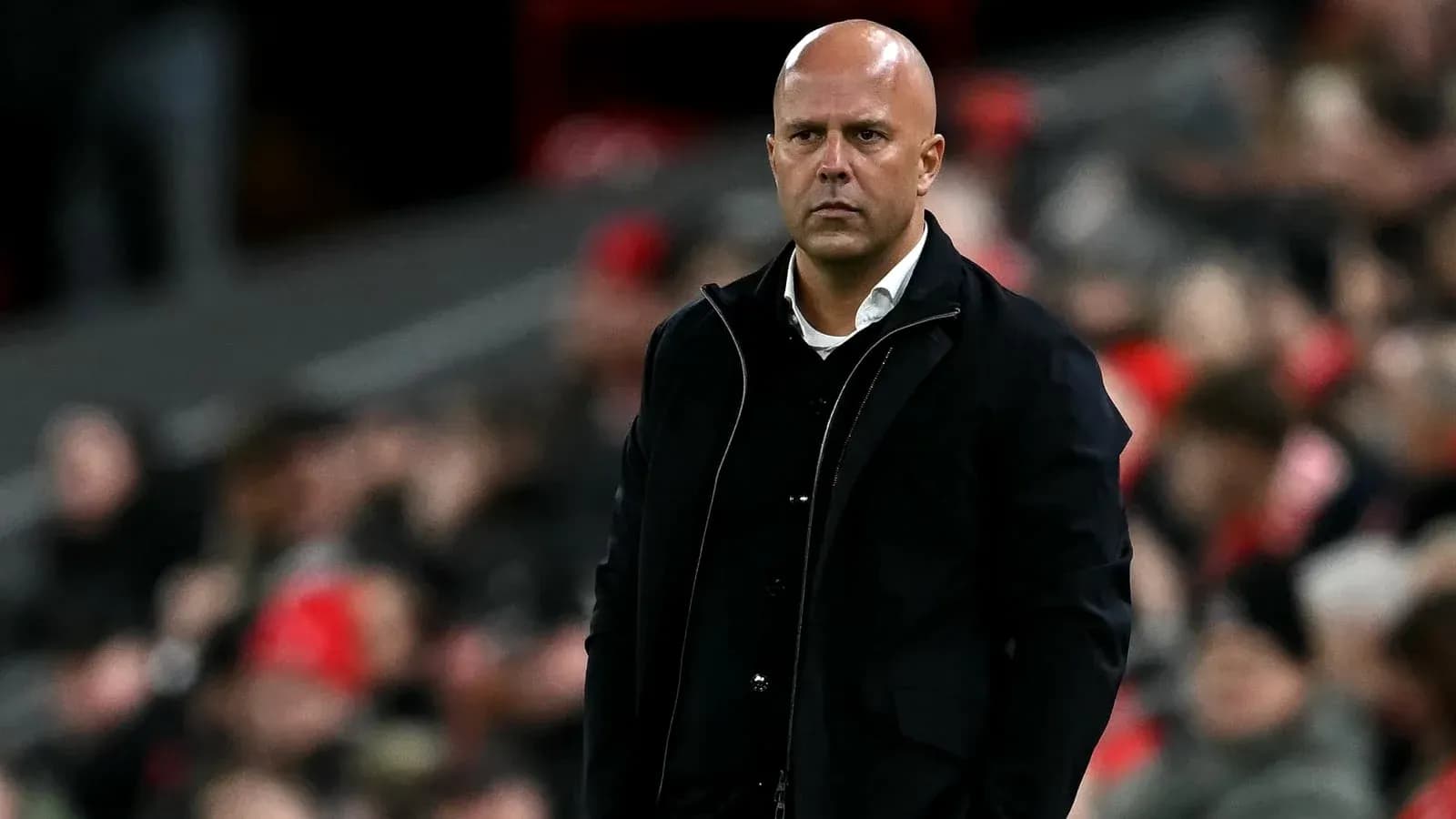
Liverpool’s season ended with a shrug rather than a statement, a 1-1 draw with Brentford at Anfield neatly capturing a title defence that never really caught fire and finally fizzled out in fifth.
The farewell that Mohamed Salah and Andy Robertson might have imagined never arrived. No grand send-off, no late surge, no roar that shook the old place one more time. Just another flat afternoon in a campaign full of them.
Slot owns the mistakes
Arne Slot did not try to dress it up. He knows this was not the year Liverpool expected, not for a team that began as champions and finished scrapping just to make sure of the Champions League.
“Not what I would have loved us to achieve this season before we started,” he admitted, before quickly adding that, given everything that happened, he was at least “happy that we've qualified for the Champions League.”
He did something else too. He owned his part in it.
“We, I, haven't been perfect,” he said. “As a manager you can never be perfect, a player can never be perfect… Not every decision can be the right one so it would be stupid for me to sit here and say all the decisions I've made were the right ones.”
That honesty will be remembered, because some of those calls cut straight to the heart of Liverpool’s season.
Salah, the bench, and the fallout
History will circle back to one decision above all: Salah’s benching in November and December, in the middle of a catastrophic run of nine defeats in 12 matches. That spell ripped the title defence apart. It also cracked the relationship between the club’s greatest modern goalscorer and his head coach.
Salah did not stay quiet. He publicly criticised Slot, and the club’s response amounted to a one-match suspension. From there, the break became permanent. A player with a year left on a lucrative deal began to negotiate his way out.
For a coach in his first season at the club, it was a brutal, high-stakes confrontation. Slot insists every call was made with preparation and conviction.
“Before I made them, it felt every time they were the right ones to make,” he said.
But this one will be replayed and re-analysed for years. Was it a necessary line in the sand, or the moment Liverpool’s season and one of its defining relationships both slipped away?
Talent trusted late, faith rewarded slowly
Salah was not the only talking point. Slot’s stubborn belief in several under-performing regulars, and his reluctance to trust 18-year-old Rio Ngumoha until injuries left him with almost no choice, added to the sense that Liverpool were always half a step behind their own problems.
Ngumoha’s emergence came late, almost as an act of necessity rather than design. It may yet prove one of the few bright threads to pull from a bleak campaign, but it also underlined how reactive this season felt. Too often, Liverpool chased solutions rather than set the terms.
Slot, though, pushed back on the idea that every big call was his to make. “A lot of times I didn't even have to make decisions or choices,” he said, pointing to the sheer volume of players unavailable.
Grief, injuries and a season bent out of shape
The most devastating blow came before a ball was kicked. The death of Diogo Jota in a car crash on the eve of pre-season cast a shadow that cannot be measured in tables or data. It weighed on the dressing room, on the staff, on the rhythm of everything that followed.
From there, the injuries piled up in numbers that would break most squads.
- Alexander Isak, the British record signing and centrepiece of Liverpool’s attack, missed 28 matches and started only eight league games.
- Alisson Becker, the safety net behind it all, sat out 20.
- Conor Bradley, first-choice at right-back, lost 32.
- Jeremie Frimpong missed 19, Wataru Endo 18.
- New 19-year-old centre-back Giovani Leoni saw his debut – and his season – end after just 81 minutes.
“If you asked me one word to describe this season, I would describe that with the word ‘injury’,” Slot said.
The word fits, but it does not excuse everything. It explains the chaos, the constant reshuffles, the lack of continuity. It does not explain why Liverpool still looked unsure of themselves even when some of their big names returned.
Brentford’s step forward
For Brentford, the afternoon carried a different kind of frustration. A win would have delivered a first-ever European campaign. They had the chance, they had the platform, but they could not quite take it.
Ninth place, though, still tells a story of progress.
“It shows we are a good football club,” said head coach Keith Andrews. “It never should be taken for granted finishing in the top half… The fact we have been able to do that two years in a row is pretty special.”
Brentford have found something Liverpool lost this season: stability. A clear identity, a sense of a club moving steadily in one direction.
One last assist, one more lapse
The script, of course, demanded Salah leave a mark. He did, in his own way.
All eyes were on him, every touch weighed with a little more meaning, every run tracked. When the moment came, he slipped a neat pass into the path of Curtis Jones, who finished to give Liverpool the lead.
For six minutes, Anfield allowed itself to believe in one final flourish.
Then Kevin Schade rose, met a cross, and headed Brentford level. Liverpool’s advantage vanished almost as soon as it appeared. One step forward, one step back. Their season in a single swing of the ball.
No grandstand finish. No late surge up the table. Just a team and a coach left to sift through the wreckage of a year that never matched its promise, and to decide what – and who – comes next.
Related News
Carlos Alcaraz Calls for Change After Laver Cup Court Conditions
Alexander Zverev Secures Laver Cup Victory for Team Europe with Straight-Set Win Over Learner Tien
Shubman Gill's Captaincy Record Across All Formats: Tests, ODIs, T20Is, and IPL
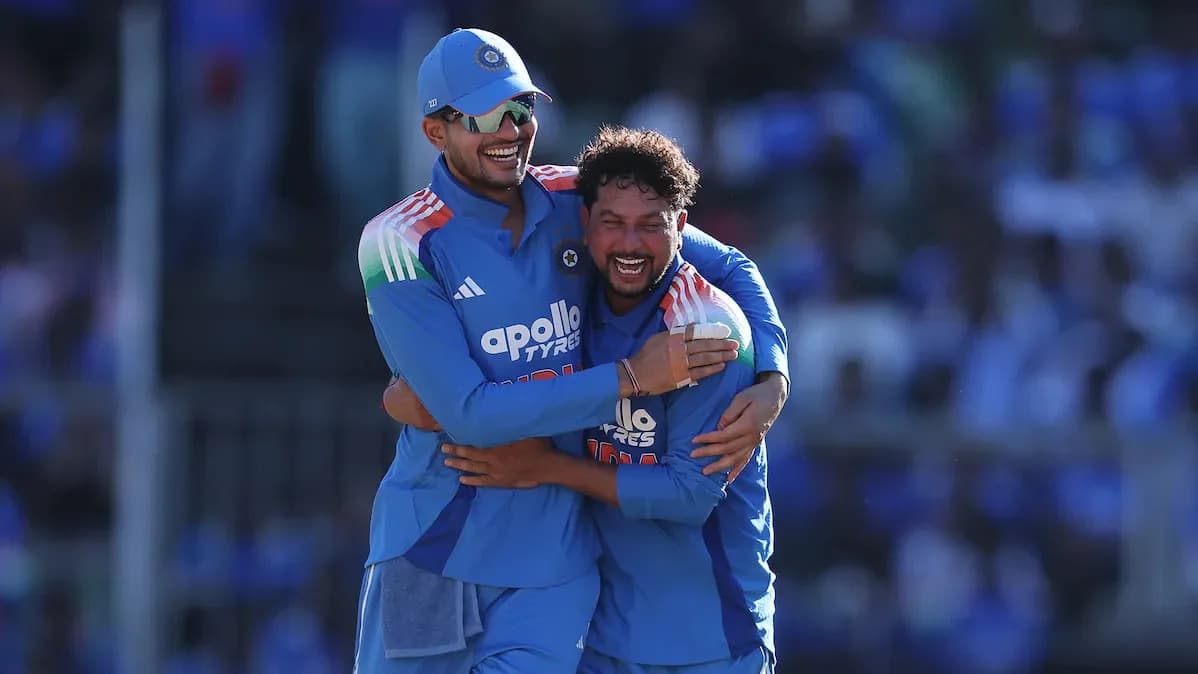
Kuldeep Yadav Named Player of the Match Over Virat Kohli Despite Century in IND vs WI 1st ODI
India Advances to Asian Games 2026 Cricket Semi-Finals After Rain Washout Against Afghanistan
Asian Games Cricket Quarterfinals Cancelled by Rain, India and Pakistan Advance Without Playing