
Liverpool W vs Arsenal W: FA WSL Clash on May 16, 2026
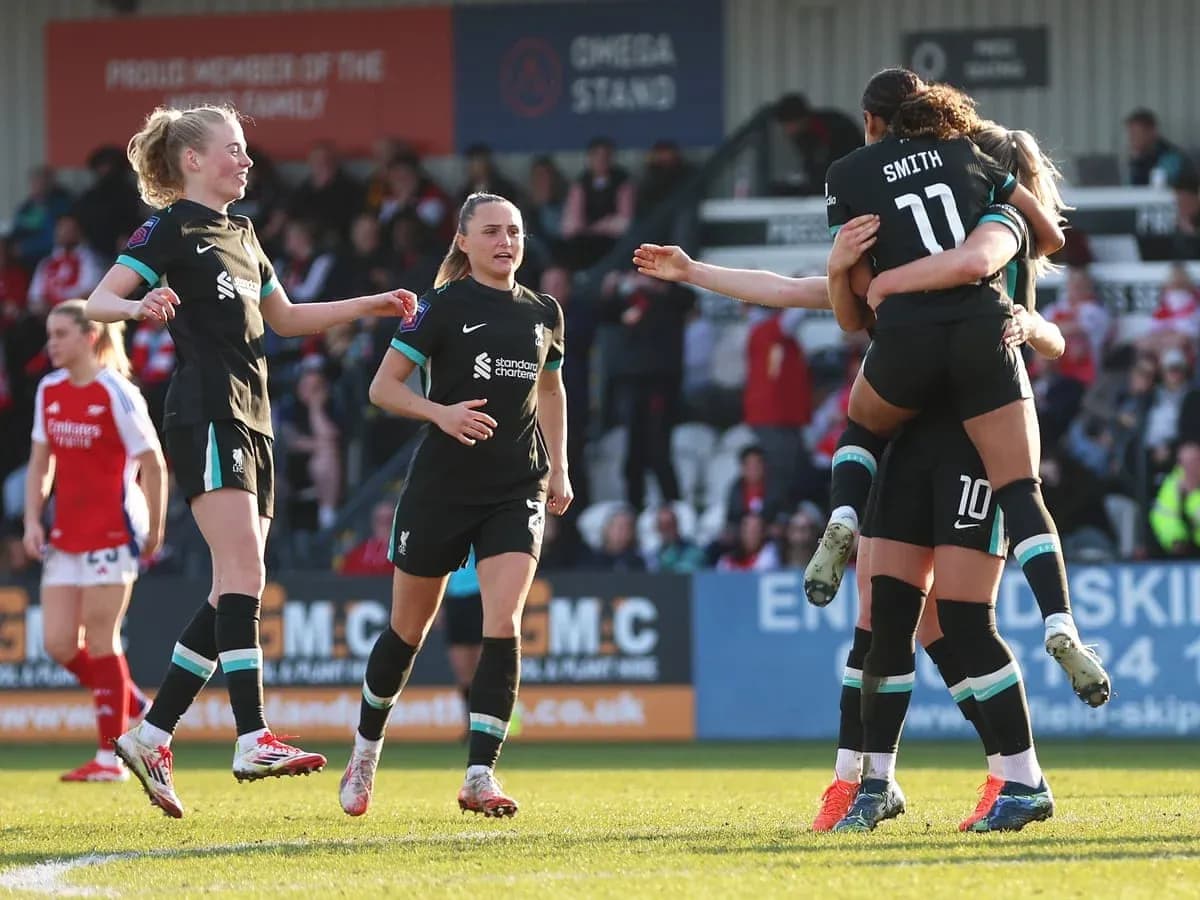
Anfield stages a fascinating clash on 16 May 2026 as Liverpool W host title-chasing Arsenal W in the FA WSL. The stakes are clear at both ends of the table: Liverpool start the day 11th with 17 points and a negative goal difference of -11, still looking over their shoulder, while Arsenal arrive in second on 48 points with a goal difference of +37, pushing to cement Champions League qualification and keep pressure on the summit.
Context and stakes
In the league, Liverpool’s record across all phases (4 wins, 5 draws, 12 defeats from 21 games) underlines a season spent battling inconsistency. Their recent form line of LLWDW suggests some late resilience, but they remain vulnerable. Arsenal, by contrast, have been relentlessly consistent: 14 wins, 6 draws and just 1 defeat from 21, with a form line of WWDWW that reflects their status as one of the division’s benchmark sides.
At Anfield, Liverpool have been notably better than on their travels. They have taken 12 of their 17 points at home (3 wins, 3 draws, 4 defeats, 12-12 goals), effectively mid-table in home performance. Arsenal’s away numbers are those of a contender: 6 wins, 3 draws, 1 defeat on the road, scoring 22 and conceding only 7. This is a classic meeting of a side relying on home comfort against a heavyweight that travels superbly.
Tactical outlook: Liverpool W
Liverpool’s season statistics point to a team trying to find balance between solidity and attacking threat. Across all phases they average 1.0 goals for and 1.5 against per match, with a symmetrical 12 scored and 12 conceded at home. They have kept 3 clean sheets in 10 home fixtures but have also failed to score at Anfield 3 times, underlining how fine the margins are when they face top opposition.
The most-used structures tell their story: a preference for a 4-1-4-1 (8 games) and 4-2-3-1 (4 games), with occasional switches to 5-4-1 and 4-3-3. That suggests a side that often prioritises compactness in midfield, screening the back four with a single pivot or double pivot, and asking the wide players to work both ways. Against Arsenal’s multi-layered attack, Liverpool are likely to lean into the 4-1-4-1 or 5-4-1 variants to protect central spaces and force the visitors wide.
In attack, Beata Olsson is a key reference. With 4 goals and 2 assists in 15 appearances, she is Liverpool’s top scorer in this league campaign and carries a significant share of their cutting edge. Her 11 shots (6 on target) and 7 key passes from 102 total passes show a player who is both finisher and link option, albeit with a modest 55% passing accuracy that reflects a high-risk role in advanced zones.
Supporting her, Mia Enderby has emerged as an important all-phase midfielder. She has 3 goals and 2 assists from 21 appearances, with 188 passes at 77% accuracy and 11 successful dribbles from 21 attempts. Her profile hints at a box-to-box or attacking midfielder tasked with carrying the ball through pressure and connecting transitions. Her duel numbers (88 total, 41 won) and 11 tackles suggest she will be central to Liverpool’s attempt to disrupt Arsenal’s rhythm in midfield.
Discipline could be a subplot. Liverpool’s yellow-card distribution is heavily skewed to the final half-hour, with 11 yellows between minutes 61-75 and another 8 in added time ranges, plus red cards between 16-30 and 61-75. That pattern hints at a team that often ends up defending deeper and under pressure late on, which could be especially dangerous against Arsenal’s strong finishers.
On penalties, Liverpool have scored 2 from 2 in the league this season, with no misses recorded at team level.
Tactical outlook: Arsenal W
Arsenal’s season numbers are those of an elite, well-drilled side. Across all phases they average 2.5 goals scored and just 0.7 conceded per match. Away from home, that translates to 2.2 scored and 0.7 conceded per game – an impressive blend of firepower and control.
Tactically, Jonas Eidevall’s side (or their equivalent coaching staff in this dataset) have leaned most heavily on a 4-2-3-1 (9 games), with occasional use of 4-4-2, 4-3-3 and 4-1-4-1. The 4-2-3-1 suits their squad profile: a double pivot to manage transitions, a creative band of three behind a striker, and full-backs able to push on because of the team’s strong rest-defence.
Alessia Russo is central to that structure. With 6 goals and 2 assists in 20 appearances and an excellent 7.45 average rating, she is Arsenal’s leading scorer in the league. Her 32 shots (22 on target) underline her volume and accuracy, while 16 key passes and 294 total passes at 77% accuracy show she is more than a pure finisher. She drops in, links play and helps overload midfield, a constant tactical headache for a side like Liverpool that often uses a single pivot.
Behind and around Russo, Olivia Smith has been one of the standout midfielders in the division. She has 4 goals and 2 assists from 18 appearances, with 19 key passes and 195 total passes at 77% accuracy. Her 21 dribble attempts (11 successful) and 93 duels (51 won) speak to a player who can both progress the ball and win it back, ideal for breaking Liverpool’s lines if they sit in a mid-block.
Chloe Kelly adds another dimension from wide areas. With 4 goals and 1 assist in only 299 minutes, she offers explosive impact, especially off the bench (11 substitute appearances). Her 80% passing accuracy, 5 key passes and 7 tackles show a winger who contributes both offensively and defensively. Her 4 yellow cards, however, are a reminder of her combative edge.
Defensively, Arsenal have kept 10 clean sheets in 20 league fixtures, split evenly home and away (5 each). They have failed to score only three times all season, underlining how rare it is to keep them quiet. Their disciplinary record is relatively controlled, with no red cards and a spread of yellows that spikes late in games but without the same extremes as Liverpool.
From the spot, Arsenal have taken 1 league penalty this season and scored it, with no misses recorded at team level and no individual penalty goals among the listed key players.
Head-to-head: recent competitive meetings
The last five competitive meetings between these sides (excluding friendlies) show Arsenal’s clear upper hand, though Liverpool have landed one important blow.
- On 6 December 2025 at Emirates Stadium in the FA WSL (Regular Season - 10), Arsenal W beat Liverpool W 2-1.
- On 22 March 2025 at Emirates Stadium in the FA WSL (Regular Season - 17 of season 2024), Arsenal W beat Liverpool W 4-0.
- On 9 March 2025 at Mangata Pay UK Stadium in the FA Women’s Cup quarter-finals, Liverpool W beat Arsenal W 0-1.
- On 15 December 2024 at St Helens Stadium in the FA WSL (Regular Season - 10 of season 2024), Arsenal W beat Liverpool W 0-1.
- On 28 January 2024 at Prenton Park in the FA WSL (Regular Season - 12 of season 2023), Arsenal W beat Liverpool W 0-2.
Across these five, Arsenal have 4 wins, Liverpool 1, with no draws. Liverpool’s lone success – the 0-1 away win in the FA Women’s Cup quarter-finals – shows they can construct a one-off game plan to frustrate Arsenal, especially in a low-scoring contest.
Key battles and match dynamics
Given the data, Liverpool’s best route into the game lies in their defensive structure and transitions. A 4-1-4-1 or 5-4-1, with Enderby tasked to break forward from midfield and Olsson working the channels, could allow them to stay compact centrally and exploit any rare loose moments from Arsenal’s back line.
They will need to manage the game’s emotional temperature. Their card profile suggests that as pressure rises late on, fouls and bookings increase. Against an Arsenal side that often sustains attacks and scores in waves, Liverpool must avoid going down to 10 players or conceding cheap free-kicks around the box.
For Arsenal, the plan will likely revolve around pinning Liverpool back with territorial dominance, using Russo’s movement between the lines, Smith’s ball-carrying and Kelly’s directness from wide areas. Their double pivot in a 4-2-3-1 should help control Liverpool’s transitions, while their defensive record suggests they can afford to keep full-backs high to stretch the home side.
Arsenal’s away record (6-3-1, 22-7 goal difference) and clean-sheet count (5 away) indicate that if they score first, they are well-equipped to manage the game. Liverpool’s tendency to fail to score in nearly half of their league matches (9 of 21) is another concern, especially against a defence as tight as Arsenal’s.
The verdict
All the indicators point towards Arsenal W entering this fixture as strong favourites. They are superior in the league table, have a far better goal difference, score more than twice as many goals per game as Liverpool across all phases, and concede less than half as many. Their away record is elite, and they have dominated the head-to-head in recent league meetings.
Liverpool’s hopes rest on replicating the disciplined, low-scoring template that earned them the 0-1 FA Women’s Cup win in March 2025: defensive organisation, high work rate from players like Enderby, and clinical finishing from Olsson when chances arise. Anfield’s environment and Liverpool’s relatively solid home defensive record (12 conceded in 10) give them a platform to compete.
However, over 90 minutes, Arsenal’s depth of attacking options, their robust defensive structure, and their proven consistency suggest they are more likely to take all three points. Liverpool may keep it competitive, but the data tilts heavily towards an Arsenal win, with the visitors expected to control territory and chances for long stretches of the contest.
Related News

Charlton Athletic W vs Leicester City WFC: FA WSL Final Round Preview

Leicester City WFC's Crucial FA WSL Final Match Against Charlton Athletic W
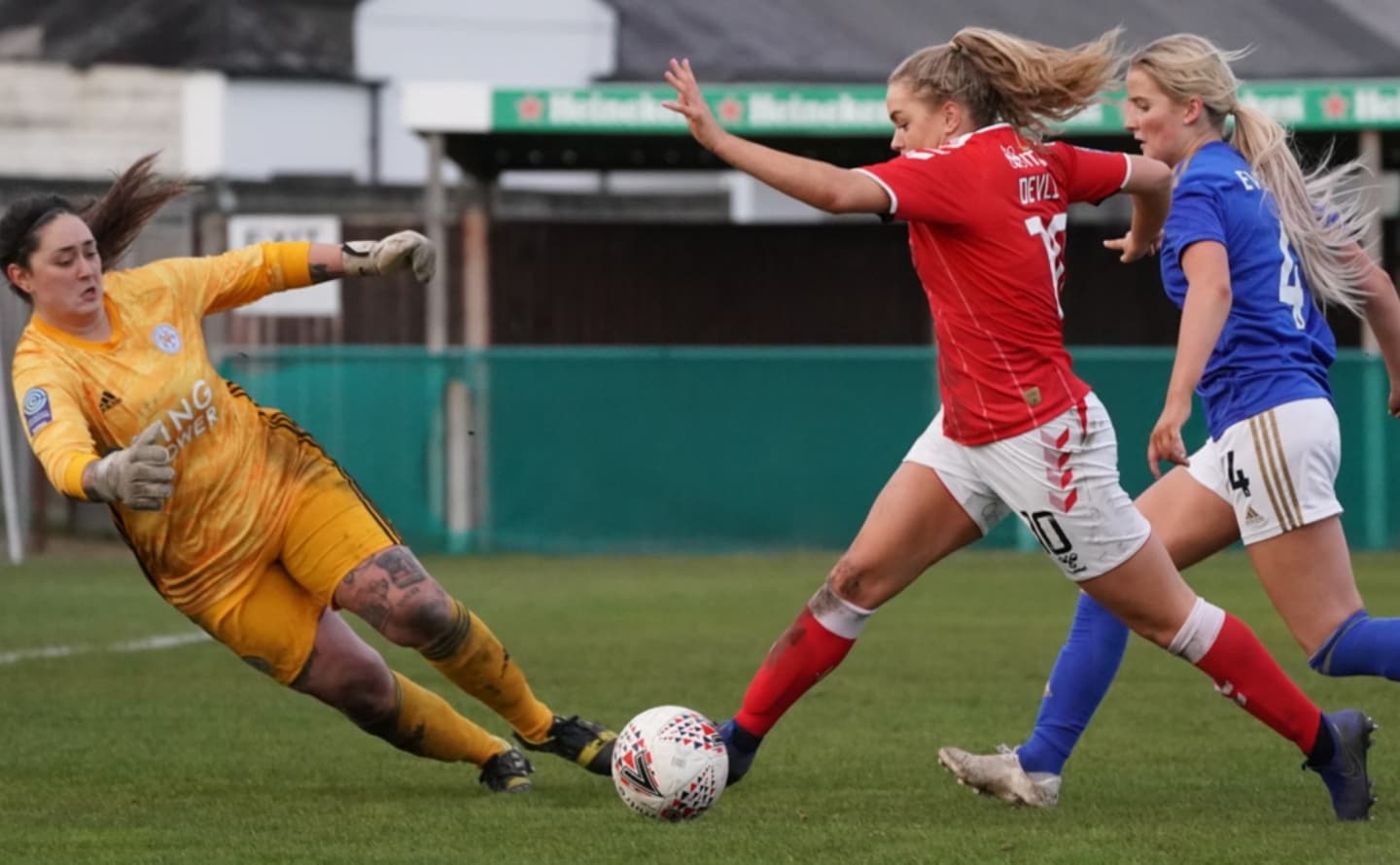
Charlton Athletic W vs Leicester City WFC Prediction: Key Insights and Betting Tips

Chelsea W vs Manchester United W: Tactical Analysis and Match Insights

Arsenal Dominates Liverpool in FA WSL Clash
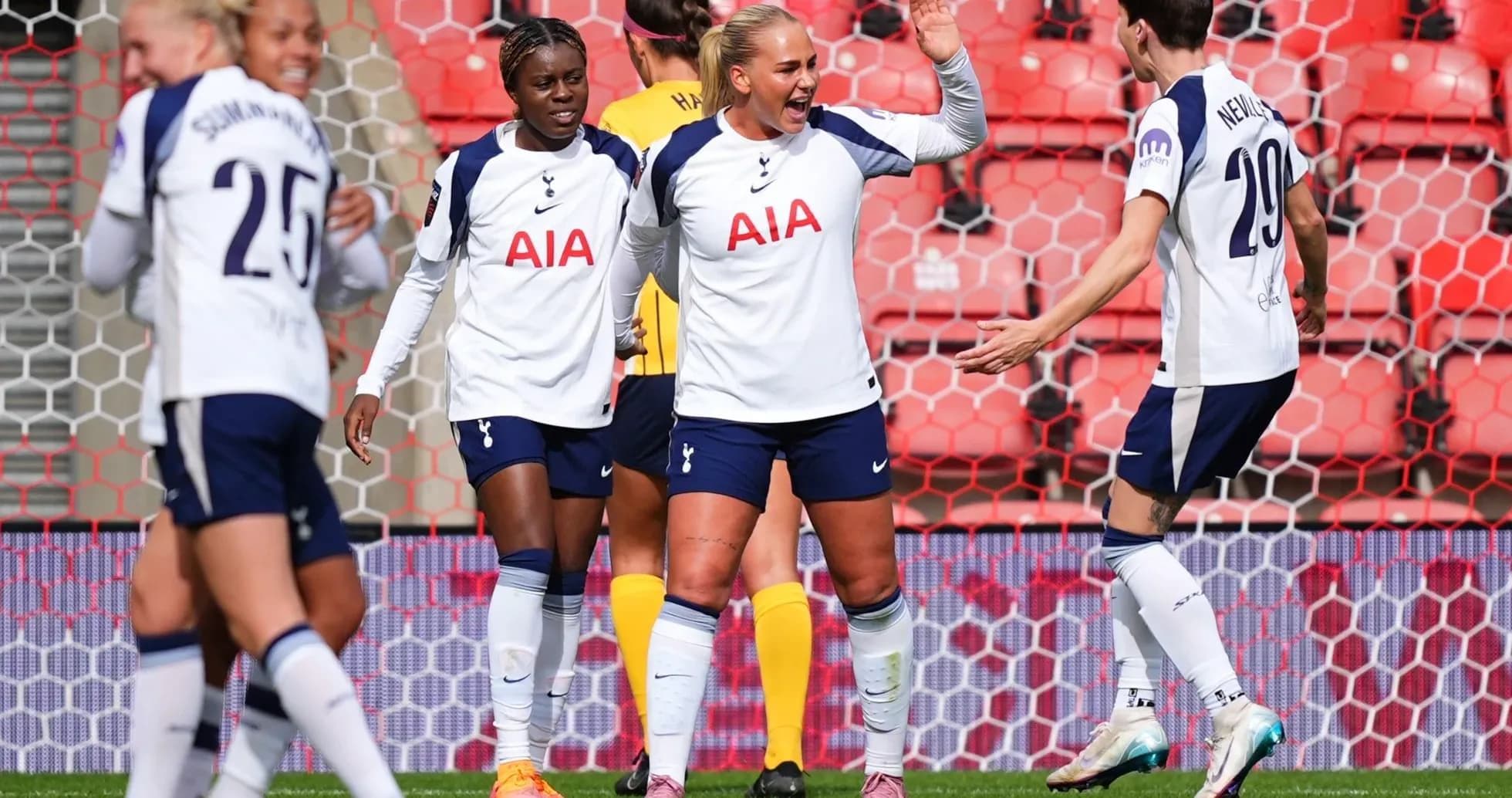
Tottenham's Tactical Triumph Over Brighton in FA WSL Finale