
Real Madrid Loses CAS Appeal Over Homophobic Abuse Incident
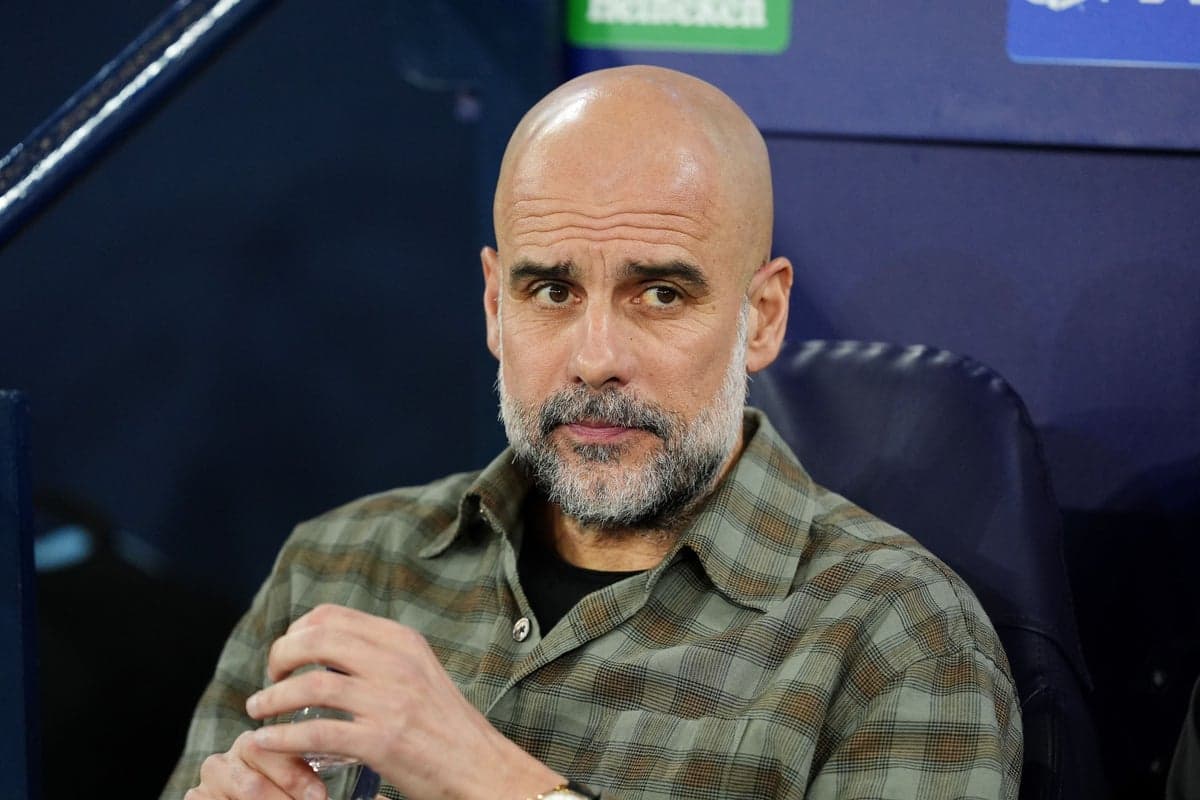
Real Madrid has lost its fight to overturn a Uefa punishment for homophobic abuse aimed at Pep Guardiola, after the Court of Arbitration for Sport (CAS) backed European football’s governing body and underlined the seriousness of the incident.
In a detailed verdict released from Lausanne, CAS upheld a €30,000 (£25,000) fine and a two-year probationary order that will force Madrid to close a small section of the Bernabéu for one Champions League match if there is another offence. The judges described the chant as “of a severe discriminatory nature … far more serious and damaging than acceptable satire and banter.”
CAS backs Uefa – and sends a message
The case stems from Madrid’s Champions League tie against Manchester City in February last year. During the second half of a 3-1 home win in the knockout play-offs, a group of home supporters were filmed chanting that Guardiola was thin, took drugs, and would be seen in one of Madrid’s most gay-friendly neighbourhoods.
An expert witness told the court that, in context, the chant carried a further insinuation: that the former Barcelona coach was “infected with HIV/AIDS.” CAS accepted that interpretation as part of the discriminatory nature of the abuse.
The footage, later circulated on social media, was submitted to Uefa by the Fare Network, which works with Fifa to monitor discriminatory behaviour at international and European fixtures. That evidence triggered Uefa’s disciplinary process and ultimately the sanctions that Madrid tried, and failed, to overturn.
Madrid’s defence falls flat
Madrid’s legal team went on the offensive. They argued that the words should be viewed as “expressions that are humorous, exaggerated or aimed at powerful institutions or public figures,” and insisted that such chants must be judged within their specific cultural and matchday context.
They also floated an alternative theory: that the chant might have come from Manchester City fans, not Madrid’s. On top of that, they attacked the Fare report, claiming it contained “very serious formal and substantive defects.”
CAS was unconvinced. The panel rejected Madrid’s attempt to recast the abuse as edgy humour and dismissed doubts about who sang the chant, siding with Uefa’s original findings and the supporting evidence.
Uefa pushes back against “machismo and exclusion”
In Lausanne last September, Uefa’s lawyers framed the case as part of a much broader battle inside the sport. Homophobia, they told the court, has “cast a long and deeply troubling shadow” over football.
“For decades,” they argued, “the sport has been marred by a culture of machismo, exclusion, prejudice, and hostility towards individuals based on their sexual orientation.” That “persistent intolerance,” they said, has shaped the lives of “countless players, coaches and fans” and “led to tragic outcomes in the past.”
Uefa’s legal team went further, challenging Madrid’s stance outright. A club of Real Madrid’s stature, they said, “should be the first fighting against those chants, instead of hiring high profile lawyers to file an appeal with the CAS.” They also pointed out the scale of the punishment: the €30,000 fine represents just 0.03% of the more than €100 million (£85 million) Madrid earned in Champions League prize money that season.
Legal battles on two fronts
The appeal unfolded against a complicated backdrop. Madrid and Uefa have spent years locked in a bitter legal struggle over the failed European Super League project, a dispute that has tested the relationship between one of the game’s most powerful clubs and its governing body.
By the time CAS judges were finalising their ruling in the homophobic abuse case, that particular war had cooled. Madrid and Uefa reached an agreement over the Super League dispute three months ago, easing tensions at the top of the European game even as this disciplinary case moved towards a decisive end.
On the Guardiola incident, though, there was no compromise. CAS backed Uefa on every key point and left Madrid with a clear warning: any repeat could trigger a partial stadium closure in Europe.
A club under scrutiny
With the verdict now public, attention inevitably turns back to the stands. Before hosting Manchester City again in the Champions League in March, Madrid officials reportedly met fan groups to stress that Guardiola must not be targeted with abuse.
It was a pre-emptive move, and a tacit acknowledgement of the damage this episode has already done. For a club that has built its identity on grandeur and global reach, the next question is not what happens in a courtroom in Lausanne, but what is heard – or not heard – when the Champions League anthem rings out at the Bernabéu.
Related News
Carlos Alcaraz Urges an End to Matches Ending in the Early Hours
Carlos Alcaraz Criticizes Late US Open Finish After 3:30 a.m. Match
Jannik Sinner Set for ATP 500 Return in Beijing with Novak Djokovic Also Competing

Meet Iva Jovic: The American Tennis Prospect Making Waves
Flavio Cobolli Shares Insights on Practice Session with Jannik Sinner Ahead of Comeback

Till vs Romero: Fight Details, Undercard, and Viewing Info for This Weekend