
Loudoun United vs Rhode Island: A Season of Contrasting Identities
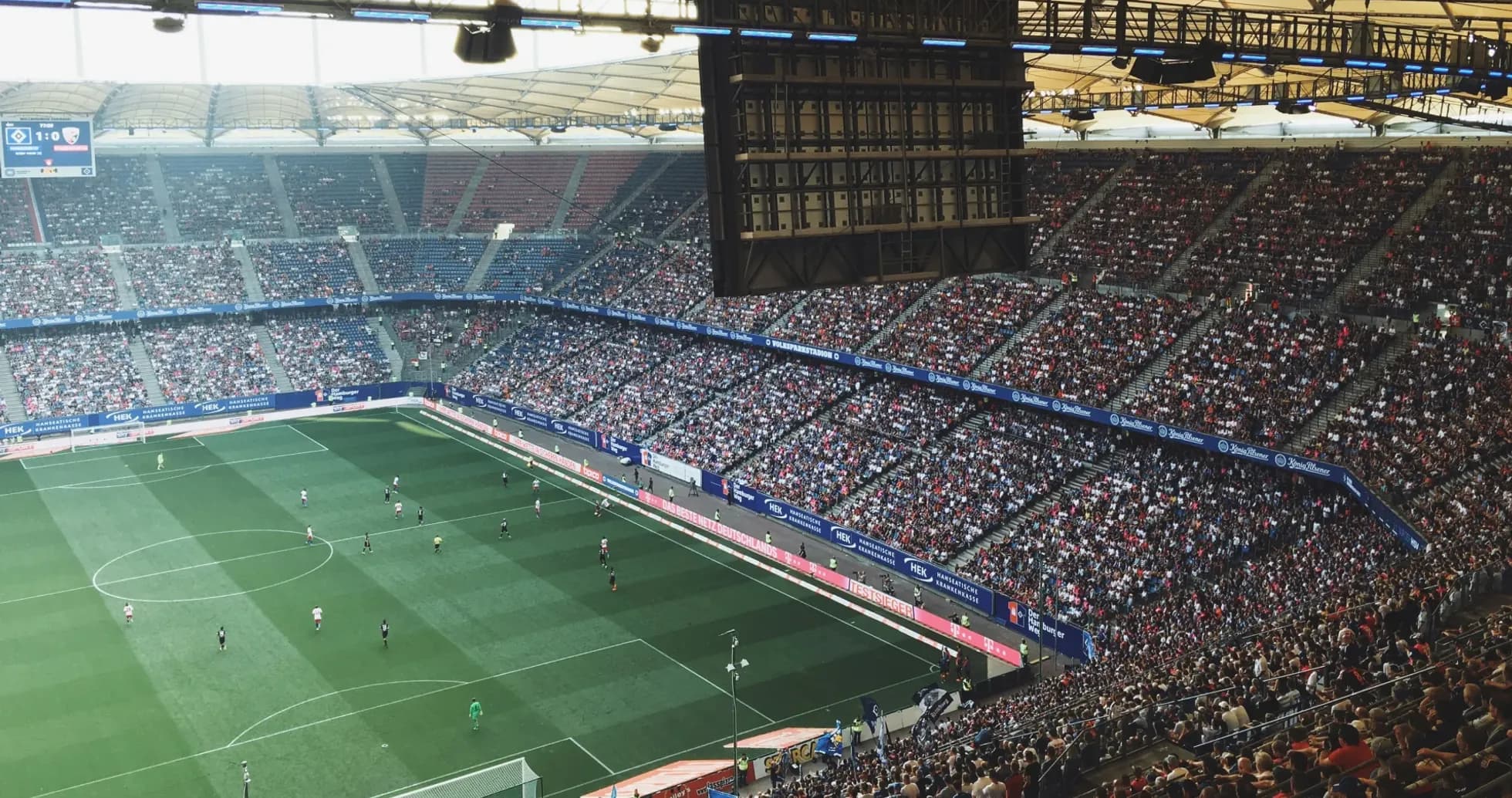
On a humid night at Segra Field, Loudoun United’s season-long tension between promise and fragility was laid bare. A 4–1 home defeat to Rhode Island in the USL Championship group stage did more than settle a single fixture; it crystallised the contrasting identities of a side clinging to draws and another learning how to turn volatility into cutting edge.
Following this result, Loudoun remain a paradox in 12th place in USL 1: stubborn yet porous. Overall this campaign they have played 11 league matches, winning just 1, drawing 6 and losing 4. The numbers sketch a team that lives on a knife-edge. At home, they have yet to win in 7 attempts, drawing 5 and losing 2, with 10 goals scored and 14 conceded. Their overall goal difference of -8 comes directly from 13 goals for and 21 against, and it felt every bit that stark as Rhode Island’s front line ripped through them.
Rhode Island, meanwhile, travel back from Virginia with their away identity reinforced. In total this campaign they have 4 wins, 3 draws and 4 losses from 11 matches, sitting 9th in USL 1 with 15 points and a positive goal difference of 6 (21 scored, 15 conceded). On their travels they have now played 5 times, winning 2 and losing 3, with 10 away goals for and 9 against. The pattern is clear: they are not afraid to open games up, and at Segra Field that ambition was rewarded.
I. The Big Picture – contrasting blueprints
Loudoun’s seasonal DNA is built on accumulation rather than acceleration. Overall they average 1.2 goals for per match and 1.9 against. At home, the split is even sharper: 1.4 scored, 2.0 conceded. They draw more than they win or lose, leaning on structure, collective effort and a capacity to grind. Yet when their defensive line is breached early, the lack of an established knockout punch is exposed.
Rhode Island’s numbers tell a different story. Overall they average 1.9 goals for and 1.4 against per match. Away from home, their attacking average rises to 2.0 goals per game, with 1.8 conceded. They are high-variance by design: capable of a 4-0 statement at home or a 1-4 statement away. At Segra Field, that away persona – bold, vertical, willing to trade blows – defined the match.
II. Tactical voids and discipline – where the cracks appeared
With no formal injury list provided, both coaches appeared to lean into continuity. Anthony Limbrick entrusted E. Bandre in goal, screened by a defensive unit including J. Erlandson, A. Essengue, S. Mazzaferro and C. Torres. In midfield, the trio of J. Murphy, B. Akinyode and K. Awuah was tasked with knitting together a side that has too often been reactive rather than proactive. Ahead of them, J. Panayotou and T. Ulfarsson supported the movement of A. Aboukoura.
Across the halfway line, Khano Smith set Rhode Island up with a spine that has underpinned their attacking averages. Koke Vegas marshalled the back line of N. Scardina, K. Yao, G. Stoneman and F. Nodarse, with C. Holstad and H. Bacharach Capdevila as the central stabilisers. In the advanced lanes, A. Rodriguez and A. Shapiro-Thompson worked between the lines, feeding the pace and direct threat of J. Kwizera and J. Williams.
Discipline has been an undercurrent for both teams this season. Loudoun’s yellow-card profile is heavily back-loaded: 36.36% of their cautions arrive in the 76–90 minute window, with another 24.24% between 46–60. Rhode Island mirror that late-game edge, with 32.00% of their yellows in the 76–90 period and 16.00% in both the 46–60 and 61–75 ranges. Rhode Island also carry a sharper red-card risk: all of their reds this season have come in the 76–90 minute band (100.00% of their dismissals). In a match that slipped away from Loudoun on the scoreboard, both sides’ tendency to fray late under pressure was a constant tactical consideration, even if it did not tip into dismissals here.
III. Key matchups – Hunter vs Shield, Engine Room vs Enforcer
Without individual scoring tables, the “Hunter vs Shield” narrative is framed by collective tendencies. Rhode Island’s away attack – 10 goals in 5 matches, at an average of 2.0 – arrived at Segra Field against a Loudoun home defence conceding 2.0 goals per game. The result followed the script ruthlessly: Rhode Island’s front quartet, anchored by the intelligence of A. Rodriguez and the direct running of J. Williams and J. Kwizera, repeatedly found seams between Loudoun’s centre-backs and full-backs.
For Loudoun, the “Shield” has been more about volume than dominance. They have kept 4 clean sheets overall this campaign (2 at home, 2 away), but once breached, their structure often unravels. The 1–4 home loss here echoed their heaviest home defeat in the “biggest loses” record, underlining a recurring vulnerability when chasing games.
In the “Engine Room”, the duel between Rhode Island’s central pair and Loudoun’s midfield three shaped the tempo. C. Holstad and H. Bacharach Capdevila offered a disciplined platform, allowing A. Rodriguez and A. Shapiro-Thompson to drift into pockets and dictate transitions. On the other side, B. Akinyode and K. Awuah were forced to cover wide spaces, leaving J. Murphy torn between supporting progression and plugging gaps. When Loudoun did manage to advance through J. Panayotou or T. Ulfarsson, Rhode Island’s back four, led by G. Stoneman and K. Yao, were compact and aggressive in duels, ensuring that Koke Vegas was rarely exposed to second-phase chaos.
IV. Statistical prognosis – what this result tells us about the road ahead
Following this result, the underlying trends harden. Loudoun’s reliance on narrow margins and draws is unsustainable when combined with a home concession rate of 2.0 goals per match. Their penalty record – 2 taken, 2 scored, 0 missed – shows composure from the spot, but they do not reach the box often enough under control to make that a regular weapon. The late yellow-card surge (36.36% of cautions in the 76–90 window) suggests fatigue and reactive defending, a dangerous mix for a team already conceding heavily.
Rhode Island, by contrast, look increasingly like a side whose xG profile would favour them in open matches. Their overall attacking average of 1.9 goals per game, combined with 2.0 on their travels, points to a team that consistently generates chances. Defensively, conceding 1.8 away is a concern, but when your attack can post four on the road, as they did here and in their “1-4” biggest away win, the risk-reward balance feels justified.
Tactically, this 4–1 away win underlines Rhode Island’s status as one of the division’s most dangerous travelling outfits: vertical, opportunistic, and unafraid of volatility. For Loudoun, it is a stark reminder that resilience without incision will not be enough. Unless their midfield can better shield a back line already conceding 21 goals overall, and unless the front unit around A. Aboukoura and T. Ulfarsson can turn sterile possession into a higher goal output, the pattern of narrow escapes and heavy setbacks will persist.
The story of the night at Segra Field was not just a lopsided scoreline, but two identities moving in opposite directions: Rhode Island leaning into their attacking chaos with conviction, Loudoun still searching for a stable version of themselves.
Related News
San Antonio's Tactical Edge Secures 2–1 Victory Over Colorado Springs

Charleston Battery Dominates Loudoun United 4–1 in Statement Win

Miami FC vs Orange County SC: USL Championship Clash Highlights
Colorado Springs vs San Antonio: USL Championship Group Stage Preview

Charleston Battery vs Loudoun United: Match Preview

Miami FC vs Orange County SC Match Preview