
Luis Binks: From Hotel Lockdown to Scotland Debut
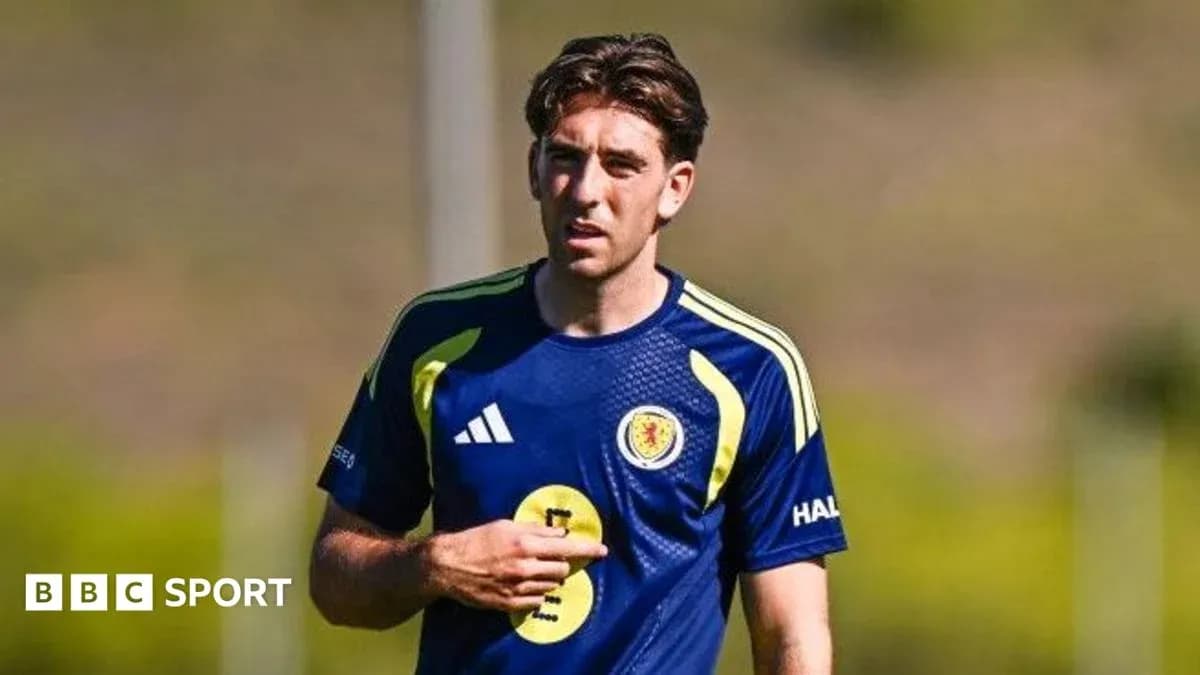
Luis Binks sits beneath the palm trees of La Manga, Scotland’s temporary base this week, and laughs at how strange his route here has been. Every player has a backstory. His feels like something out of a football fever dream.
At 25, the Brondby centre-half and captain is closing in on a Scotland debut against Slovenia on Saturday. A vacancy has opened in the middle of Sebastien Pocognoli’s defence since Grant Hanley and John Souttar were cut loose after the Belgian replaced Steve Clarke. Binks, eligible through a grandparent from Dunbar, is one of eight uncapped players in this new-look squad.
New Manager, New Faces
New manager. New faces. New stories.
Binks’ tale veers off the usual academy-to-loan treadmill. It jumps to Montreal, to the MLS, and to the early months of 2020. He was 18, leaving the comfort of Tottenham, where he had been since he was very young, because he wanted something that felt real.
He wanted first-team football. Not another year of youth fixtures. Not the safety net of underage football that, in his mind, didn’t quite count as the real thing. He wanted to test himself.
That hunger took him to Montreal Impact, and to a manager who just happened to be Thierry Henry.
He signed in February. By March, the world had shut down.
Binks hadn’t even found an apartment when Covid hit. He was living out of a hotel room. Henry was in another hotel across the city. Then Binks’ hotel closed. The club suggested moving him to a place by the airport, out on its own. He took one look at that idea and recoiled. It felt like a prison sentence waiting to happen.
Then his phone rang.
On the other end was Henry, offering a lifeline: come to the Ritz-Carlton, stay on another floor. Same building, same bubble.
The Ritz-Carlton in Montreal is a five-star, 129-room monument to luxury. During that lockdown, its guest list consisted of exactly two names: Thierry Henry and Luis Binks.
Mornings took on a strange rhythm. Binks would head out for a run. Henry would be in reception, alone, waiting out the silence. When Binks came back, Henry would still be there. Those quiet hours turned into an impromptu football education.
Binks tried to soak up everything. He picked his manager’s brains, asked him about defending, about the game at the very top. One night, he was in his room, controller in hand, playing PlayStation, when the phone rang again. Henry, this time with a simpler offer: fancy a pizza?
So off they went, just the two of them, driving around a deserted Montreal in search of a late-night slice. A teenage centre-back and one of the greatest forwards of his generation, cruising empty streets during a global lockdown. Surreal doesn’t quite cover it.
Binks tells it now as if it’s normal life. It wasn’t. He could feel the aura around Henry every time they spoke. He was nervous, but he pushed through it, asking who the best defender Henry had played with and against was, and why. The answers, and the explanations, stuck with him.
Some of it has blurred with time, but one name remains crystal clear in his memory: Sol Campbell. Henry talked about what made Campbell great, what separated him, and how Binks could use those lessons to sharpen his own defending.
From those conversations, from that bizarre lockdown at the Ritz, Binks took more than just stories. He took belief, detail, and a sense that he belonged in senior football.
He doesn’t dress it up. He knows what that period meant.
He owes a lot to Henry. The Frenchman didn’t just share a hotel and a few late-night pizzas. He handed Binks his first real chance in senior football — the starting point for a journey that now runs through La Manga and into the heart of Scotland’s new era.
Related News
Joe Hart Predicts Manchester City Will Compete for Title
Lionel Messi's Final Match with Argentina: A Farewell Tribute
Gabriel's Future at Manchester United: Rooney Warns of Massive Blow
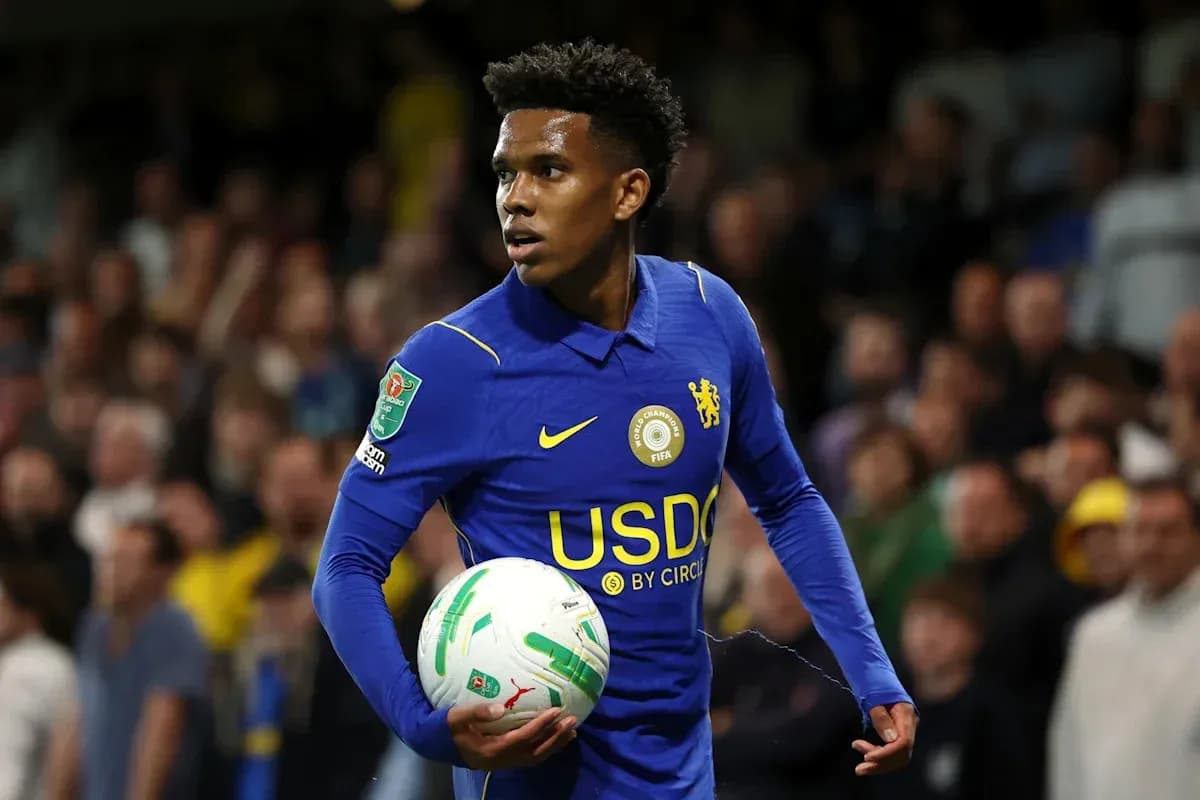
Estevao Shows Rising Status with Brazil Call-Up Amid Chelsea Frustration
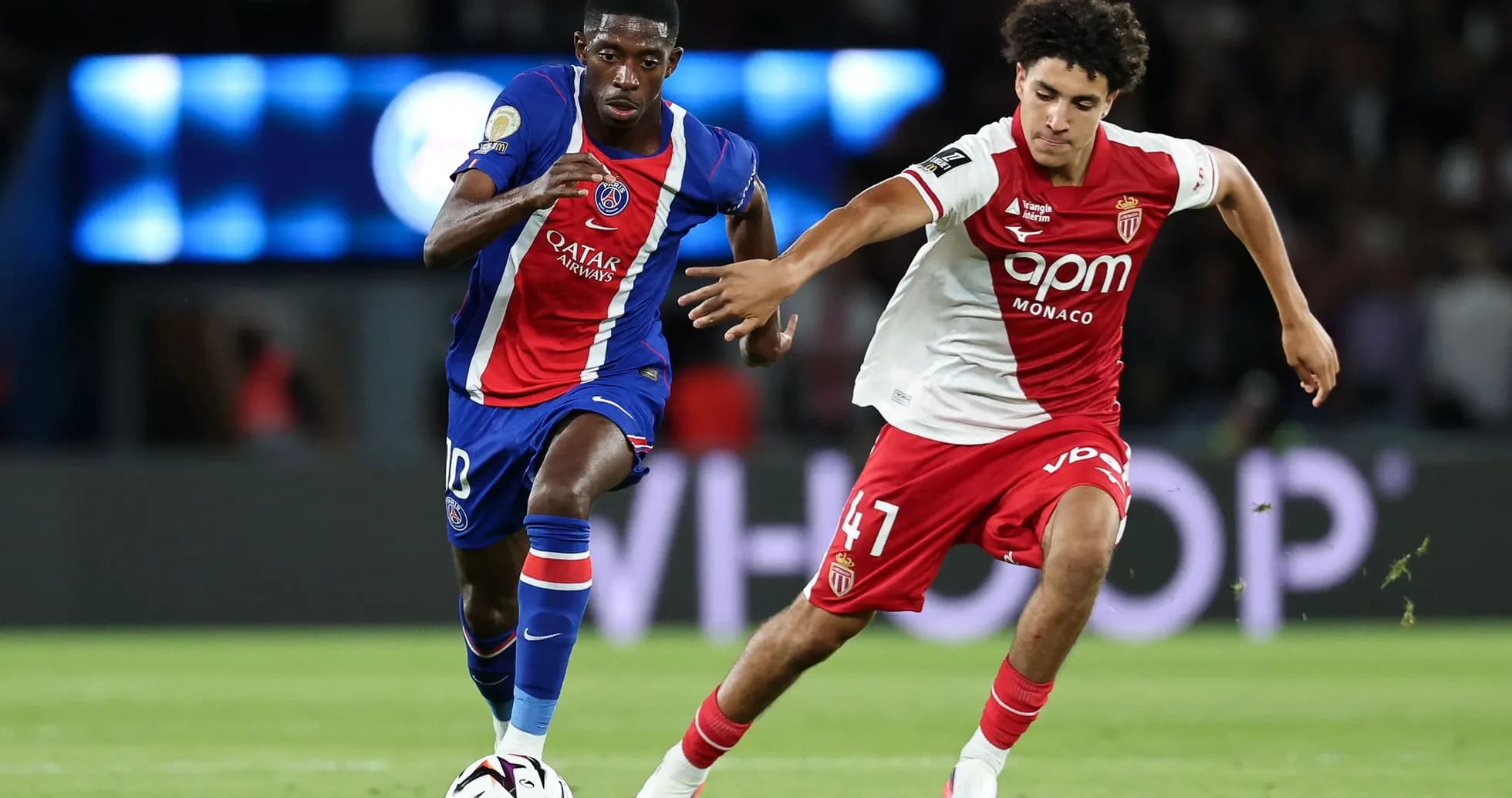
Monaco Signs Moroccan Talents Benzahra and El Haddani
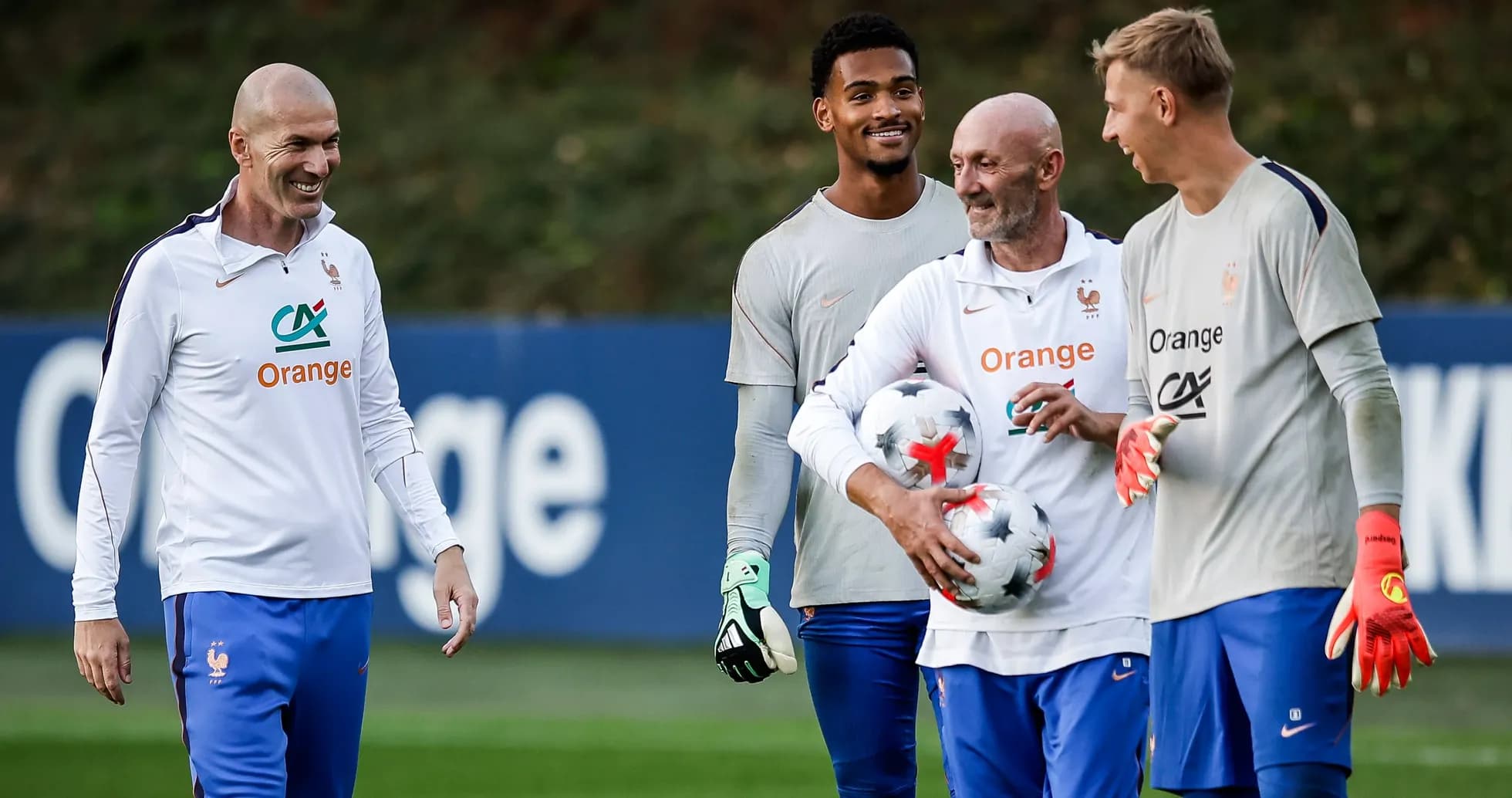
Jean Butez: Como Goalkeeper Becomes France International at 31