
Mallorca vs Villarreal: La Liga Clash on May 10, 2026
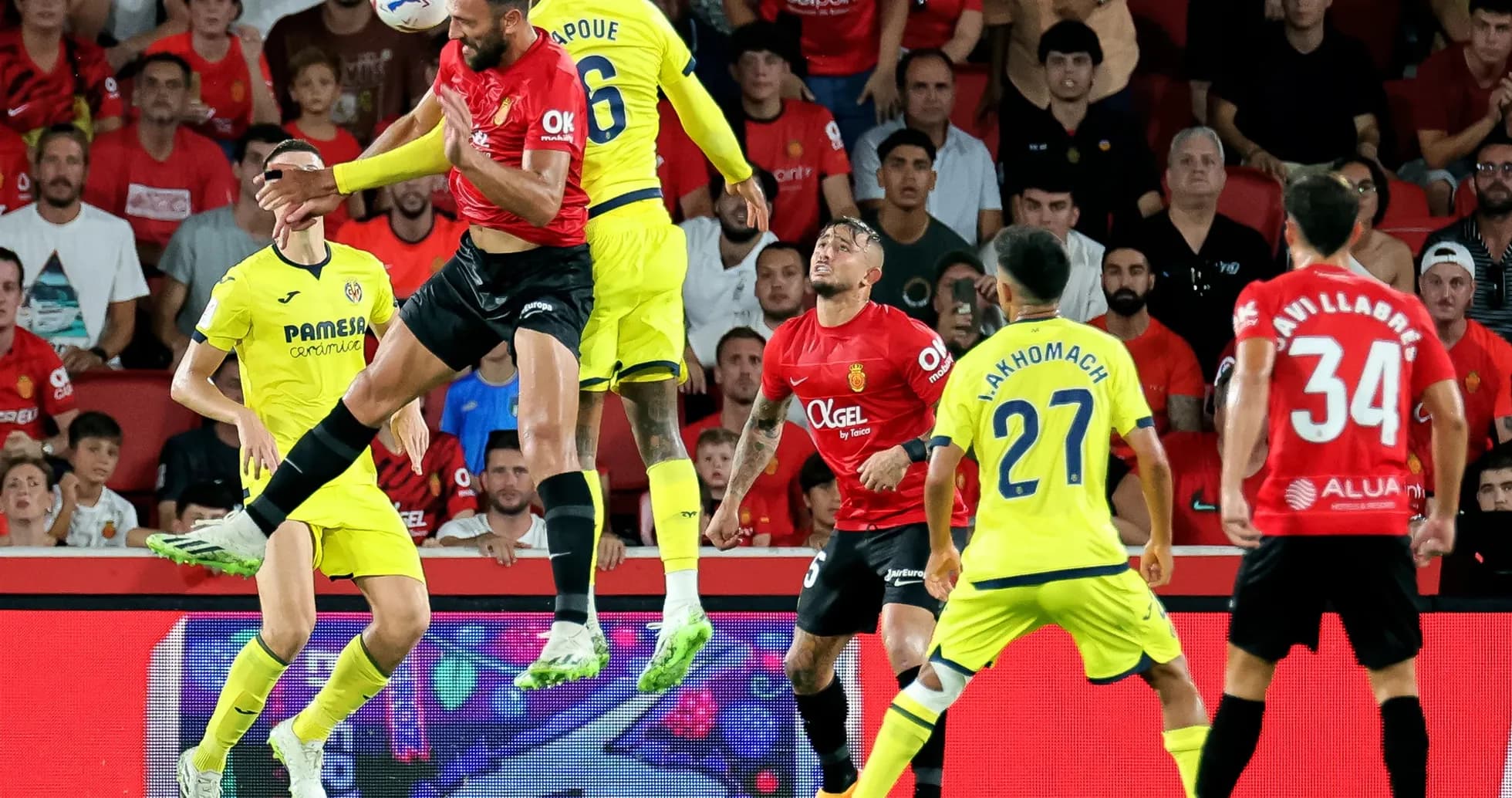
Estadi Mallorca Son Moix hosts a classic clash of styles on 10 May 2026 as Mallorca welcome high‑flying Villarreal in La Liga’s Round 35. The stakes are sharply different: Mallorca, 15th with 38 points, are still looking to close out survival, while Villarreal, 3rd on 68 points, are pushing to lock in a Champions League league‑phase place and keep pressure on the sides above them.
Context: Fortress vs Firepower
In the league, Mallorca’s season has been defined by a stark home/away split. At Son Moix they have been solid: 8 wins, 5 draws and just 4 defeats from 17, with 27 goals scored and 20 conceded. Away from home they collapse (2-3-12, 15-31), which makes this home fixture crucial to reaching safety without late drama.
Villarreal arrive as one of La Liga’s most dynamic attacking outfits. Across all phases they have 64 goals in 34 games, the third‑best tally in the division, built on a dominant home record (14-1-2, 41-15) and a respectable, if streaky, away return (7-4-6, 23-24). Their recent league form of WWDWL underlines a side generally on the front foot, even if not flawless.
Tactical Landscape: Mallorca’s structure vs Villarreal’s rhythm
Across all phases Mallorca have leaned on structure and compactness, reflected in their preferred 4‑2‑3‑1 (used 19 times). The alternative shapes – 4‑3‑1‑2, 5‑3‑2 and 4‑4‑2 – point to a coach willing to adjust lines of engagement depending on the opponent’s strengths.
At home, the numbers are clear: Mallorca average 1.6 goals for and 1.2 against. That suggests a side willing to commit numbers forward at Son Moix, but not one that consistently controls games; they have only 3 home clean sheets and have failed to score just twice at home. The defensive line is vulnerable to quick switches and individual errors, an issue likely to be amplified by the injury list.
Villarreal, by contrast, are remarkably stable tactically. They have lined up in 4‑4‑2 in 33 of 34 league games, with a single outing in 4‑3‑3. The 4‑4‑2 underpins their high attacking output: 1.9 goals per game overall, including 1.4 away. Their defensive record is solid (1.1 conceded per game across all phases), but away from home they do allow more space (1.4 conceded on the road), which keeps opponents interested.
The card distribution hints at a game that could open up in the final third of each half. Mallorca pick up a high proportion of yellows between 46–60 and 76–90 minutes, suggesting increased aggression or fatigue after the break. Villarreal’s bookings spike from 61–75 and 76–90, exactly when their 4‑4‑2 tends to stretch the pitch and full‑backs push on.
Key Players and Match‑Ups
Vedat Muriqi (Mallorca) is the clear focal point. With 21 league goals and 1 assist in 33 appearances, he carries a huge share of the hosts’ attacking burden. His volume is elite: 82 shots (44 on target), and he is constantly involved in duels (408, winning 209). That duel profile fits Mallorca’s direct approach: long diagonals, early crosses and second‑ball battles around the box.
Muriqi’s penalty record this season is mixed: 5 scored and 2 missed. That makes him a persistent threat from the spot without being automatic, and it adds a psychological layer if Mallorca draw fouls in the area.
For Villarreal, the attacking load is more distributed:
- Georges Mikautadze has 11 goals and 5 assists in 29 appearances. He is both finisher and creator, with 50 shots (28 on target) and 24 key passes, and he draws a lot of fouls (43). In a 4‑4‑2, his movement between the lines can drag Mallorca’s double pivot out of shape.
- Alberto Moleiro adds 10 goals and 4 assists from midfield, with 35 key passes and 59 dribble attempts (30 successful). His ability to carry the ball through pressure is vital against a low or mid block like Mallorca’s, especially if Villarreal need to break down a deep defence.
Together, Mikautadze and Moleiro give Villarreal multiple angles of attack: one stretching the last line, the other arriving from deeper zones. Against a Mallorca side that has conceded 51 goals across all phases (1.5 per game), their combination play is likely to be central to the visitors’ plan.
Absences and Selection Headaches
Mallorca are heavily hit by absentees, especially at the back:
- Out (injury/suspension): L. Bergstrom, M. Joseph, M. Kumbulla, A. Raillo, J. Salas, P. Maffeo (yellow‑card suspension).
- Questionable: J. Kalumba, P. Torre, J. Virgili.
The loss of A. Raillo and M. Kumbulla strips experience and aerial presence from central defence, exactly the area where Muriqi dominates for them in attack and where Villarreal’s forwards will look to exploit any disorganisation. P. Maffeo’s suspension removes an aggressive, mobile full‑back who would have been key in dealing with Villarreal’s wide play.
Villarreal’s list is shorter but not insignificant:
- Out: P. Cabanes (knee injury), J. Foyth (Achilles tendon injury).
Foyth’s absence weakens their right‑side defensive stability and build‑up. It may force a more conservative choice at right‑back or alter how high they dare to push that flank, which in turn could shape how Mallorca target transitions down that side.
Head‑to‑Head: Villarreal’s clear edge
The last five competitive meetings in La Liga are tilted strongly towards Villarreal:
- Villarreal 2-1 Mallorca – 22 November 2025, Estadio de la Ceramica (Villarreal win).
- Villarreal 4-0 Mallorca – 20 January 2025, Estadio de la Cerámica (Villarreal win).
- Mallorca 1-2 Villarreal – 14 September 2024, Estadi Mallorca Son Moix (Villarreal win).
- Villarreal 1-1 Mallorca – 20 January 2024, Estadio de la Cerámica (draw).
- Mallorca 0-1 Villarreal – 18 August 2023, Estadi Mallorca Son Moix (Villarreal win).
Across these five, Villarreal have 4 wins, Mallorca none, with 1 draw. At Son Moix specifically, Villarreal have won both recent visits (1-2 and 0-1). The pattern is of a matchup that suits Villarreal’s attacking structure and exposes Mallorca’s limitations when forced to chase.
Strategic Keys
- Mallorca’s home intensity: With 8 home wins and only 4 home defeats, Mallorca must lean into the energy of Son Moix. Early balls to Muriqi, aggressive second‑ball pressing and set‑piece focus will be central. Their 5 home clean sheets across all phases are modest; instead of trying to lock the game down, they may need to embrace a more front‑foot approach.
- Villarreal’s game management away: Seven away wins show they can impose their style on the road, but 24 goals conceded away means they rarely have complete control. The 4‑4‑2 must balance ambition with compactness between the lines, especially against Muriqi’s aerial threat and Mallorca’s direct play.
- Discipline and late‑game phases: Both sides’ card patterns suggest increased risk of fouls and bookings late in halves. With both teams having converted all 5 of their team penalties this season, any penalty award could be decisive.
The Verdict
On form, firepower and head‑to‑head record, Villarreal are clear favourites. They score more, concede less, and have dominated this fixture recently, including back‑to‑back wins at Son Moix. Mallorca’s injury‑hit defence, missing key figures like Raillo, Kumbulla and Maffeo, looks vulnerable against a Villarreal side boasting double‑digit scorers in Mikautadze and Moleiro.
However, Mallorca’s home record and the presence of a 21‑goal striker in Muriqi mean this is unlikely to be straightforward. Villarreal’s away defensive numbers leave room for the hosts to strike, particularly from crosses and set pieces.
The data points towards a match where Villarreal’s superior attacking structure should eventually tell, but with enough defensive fragility on both sides to keep the scoreline alive deep into the contest. A Villarreal win with both teams scoring is the most logical projection, with Mallorca relying on Muriqi’s presence and the Son Moix atmosphere to try to tilt the margins in their favour.
Related News

Barcelona Dominates Sevilla in Tactical Showdown
Atletico Madrid vs Real Madrid: A Tactical Derby Analysis

La Liga Officials Admit Refereeing Mistake in Madrid Derby Over Lee Kang-in's Tackle on Federico Valverde

Elche vs Real Madrid: A Clash of Opposites in La Liga

Atletico Madrid Dominates Osasuna 4-0 in La Liga Showdown

Barcelona's Dominance: 7-2 Triumph Over Racing Santander