
The Man City Scandal: The Largest in Sports History and Its Impact on Football
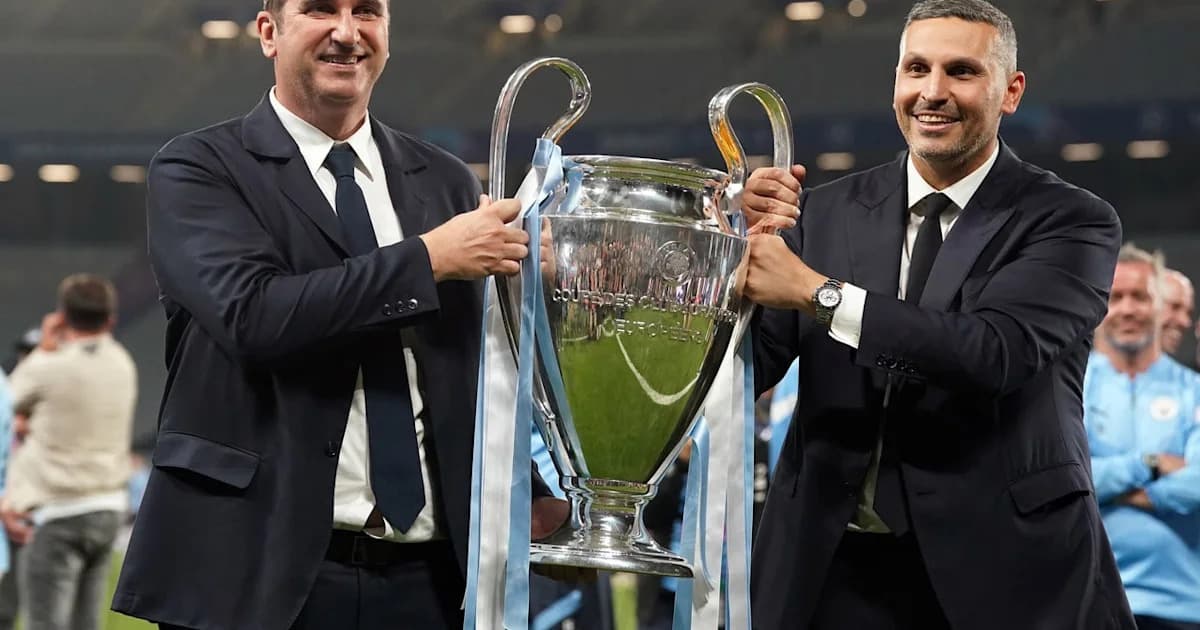
As Europe’s top football clubs gathered in Copenhagen, many eyes were fixed on Ferran Soriano, representing Manchester City. Described by some as almost statue-like, he seemed intent on avoiding interaction, often seen putting headphones in his ears to dodge conversation. The atmosphere was tense, reflecting the weight of the Premier League independent commission's damning verdict against City.
In response, the club released a video addressing its staff, which went beyond their official statement that had called the panel’s opinion unsafe. Soriano spoke of a conspiracy targeting the club and vowed to pursue every necessary measure to protect it and seek compensation from anyone trying to damage its reputation.
Reactions Within Football Circles
This aggressive stance struck many as unusual within English sports culture. Some described City’s response not as defiant but deluded, especially given the overwhelming evidence laid out against them. The backlash extended to social media, where fans expressed genuine anger at the club's ownership for the first time, sensing a deeper issue beneath the surface.
Many questioned whether the reported £100 million spent on legal fees could justify such a defensive approach. If no new irrefutable evidence emerges during an appeal, overturning the decision would require extraordinary circumstances. Even if legal processes drag on or technicalities come into play—as seen in City’s 2020 UEFA case—few expect public opinion to shift significantly.
A Sophisticated System of Cheating
The scale of the evidence suggests what might be the most complex industrialized cheating operation football has ever witnessed. Given football's global reach, this scandal could rival the infamous Qatar and Russia World Cup bidding controversies.
The case also carries geopolitical implications due to Abu Dhabi's involvement. The ownership’s influence appears deeply entwined with state interests, including responses to international conflicts like Yemen and Syria. Leaked emails hint at a willingness to risk the Premier League’s integrity if they cannot maintain control over their style of participation.
Ownership and Power
Man City chairman Khaldoon Al Mubarak and the backing of Abu Dhabi add layers of complexity. The owners have been likened to spoiled royalty, accustomed to wielding near-absolute power. The prospect of a lengthy appeal threatens to undermine the Premier League itself, casting a shadow over every match and shaking confidence in final results.
This situation raises uncomfortable questions about how football allowed autocratic states to gain footholds in the sport. It may represent a reckoning not only for this version of City but for an era shaped by relaxed regulation and neutral attitudes toward ownership models, epitomized by former chief executive Richard Scudamore.
A Crisis Beyond Football
Despite fears about Abu Dhabi’s influence, this scandal feels overwhelmingly toxic. Like other corporate disasters such as Enron or media scandals like News of the World, the fallout seems inevitable. City’s reputation has been stained for a generation; the club and its fans suffer alongside the owners.
All the glory amassed now risks being overshadowed by these revelations. The club has descended from unparalleled heights to a profound low filled with uncertainty. Speculation swirls about whether the owners might sell the club, given Gulf autocracies' intolerance for embarrassment and shame. Their political leverage is already significant, including efforts to avoid accountability in places like Sudan.
Possible Futures
- Independent regulators might view this as an example of rogue ownership demanding action.
- The club could eventually pass to a fan trust, which some see as a positive outcome.
- Long-term legal battles could continue to cast doubt over every game involving City.
Is this ultimately a good day for football? Maybe it is both hopeful and troubling. The scandal reveals deep problems but also opens possibilities for change in how the sport is governed and owned.
Related News
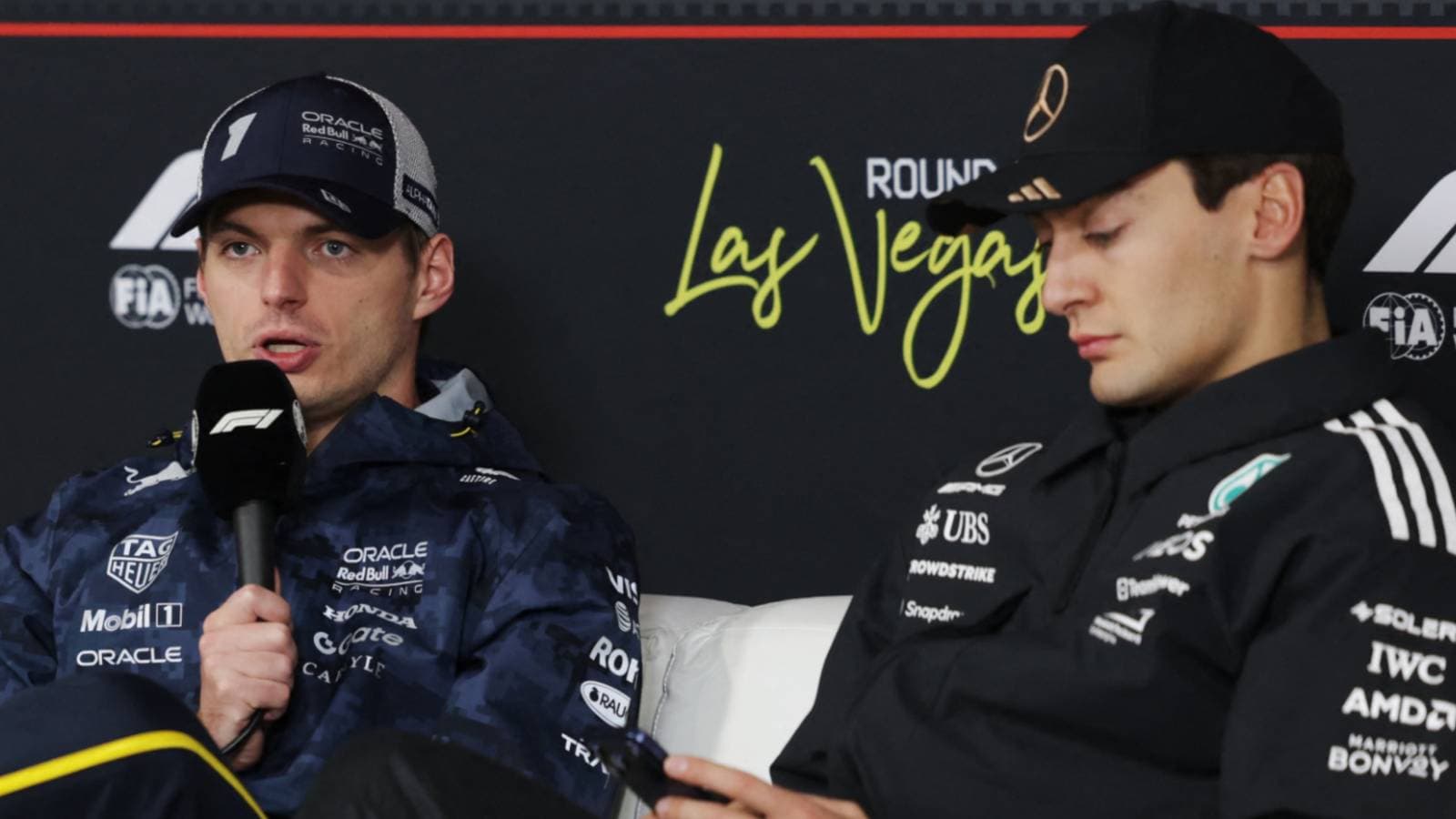
Max Verstappen Responds to George Russell’s Call for Cooling Vest Rule Change Ahead of Bahrain GP
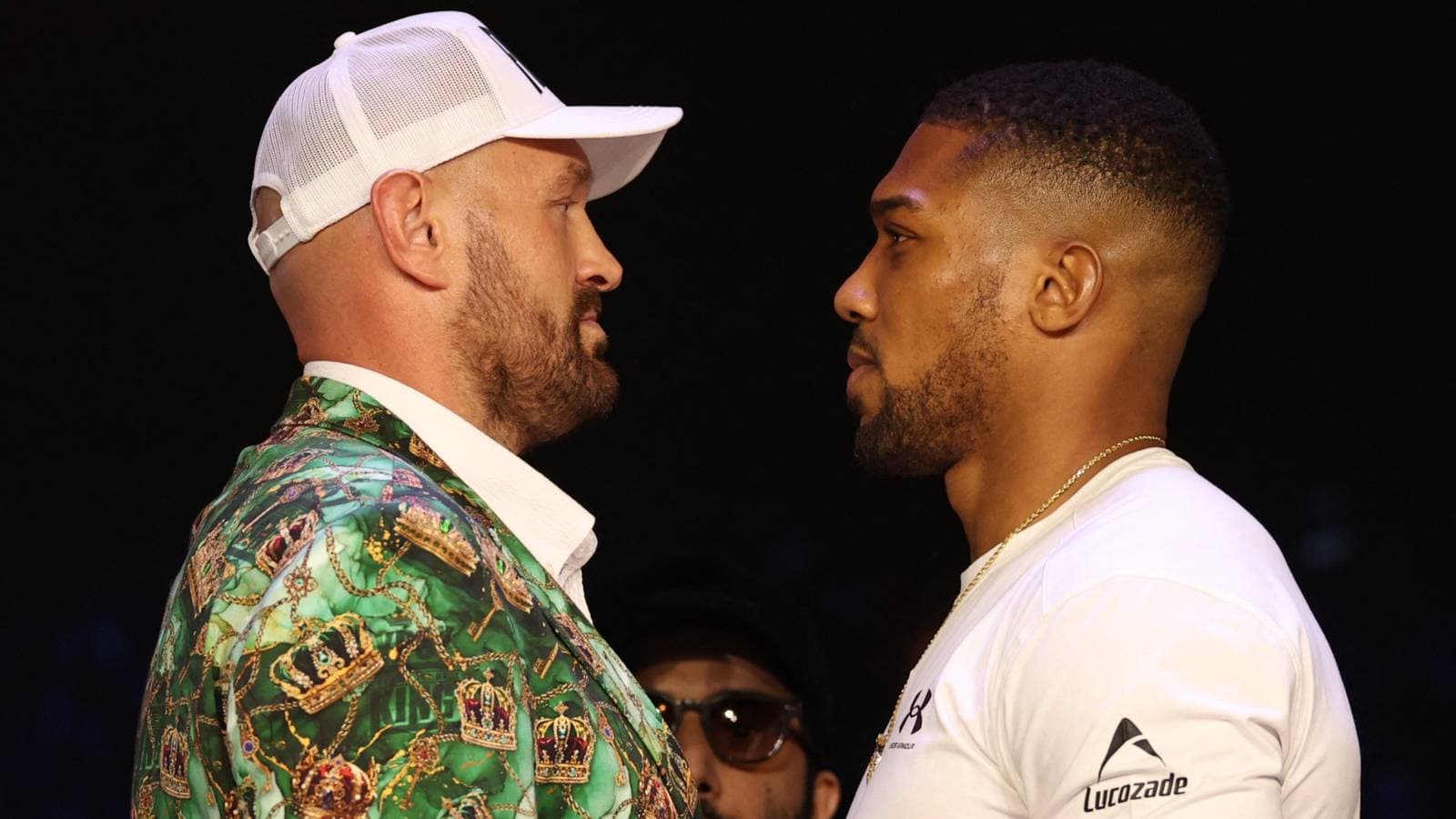
Anthony Joshua Took a Massive Pay Cut to Ensure Fury Fight Happens in the UK
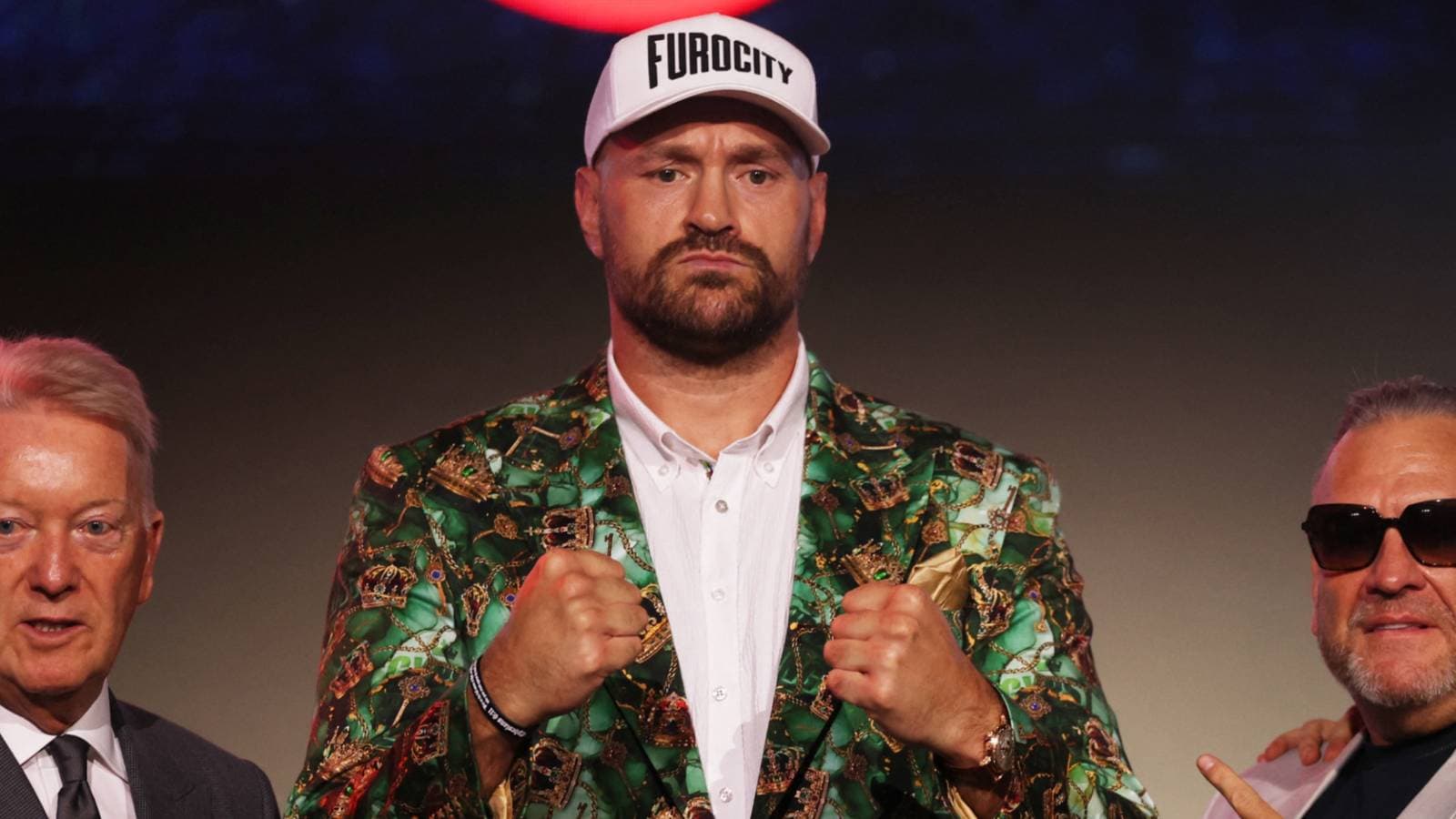
Tyson Fury Plans to Invite Donald Trump for Anthony Joshua Fight
Why Cristiano Ronaldo Is Missing Portugal’s Match Against Norway
France vs Belgium: Nations League Clash Preview and Lineups
Cesc Fabregas Opens Up on Como Journey from Serie B Unknown to Champions League Contender