
Manchester United's Urgent Decision on Bruno Fernandes
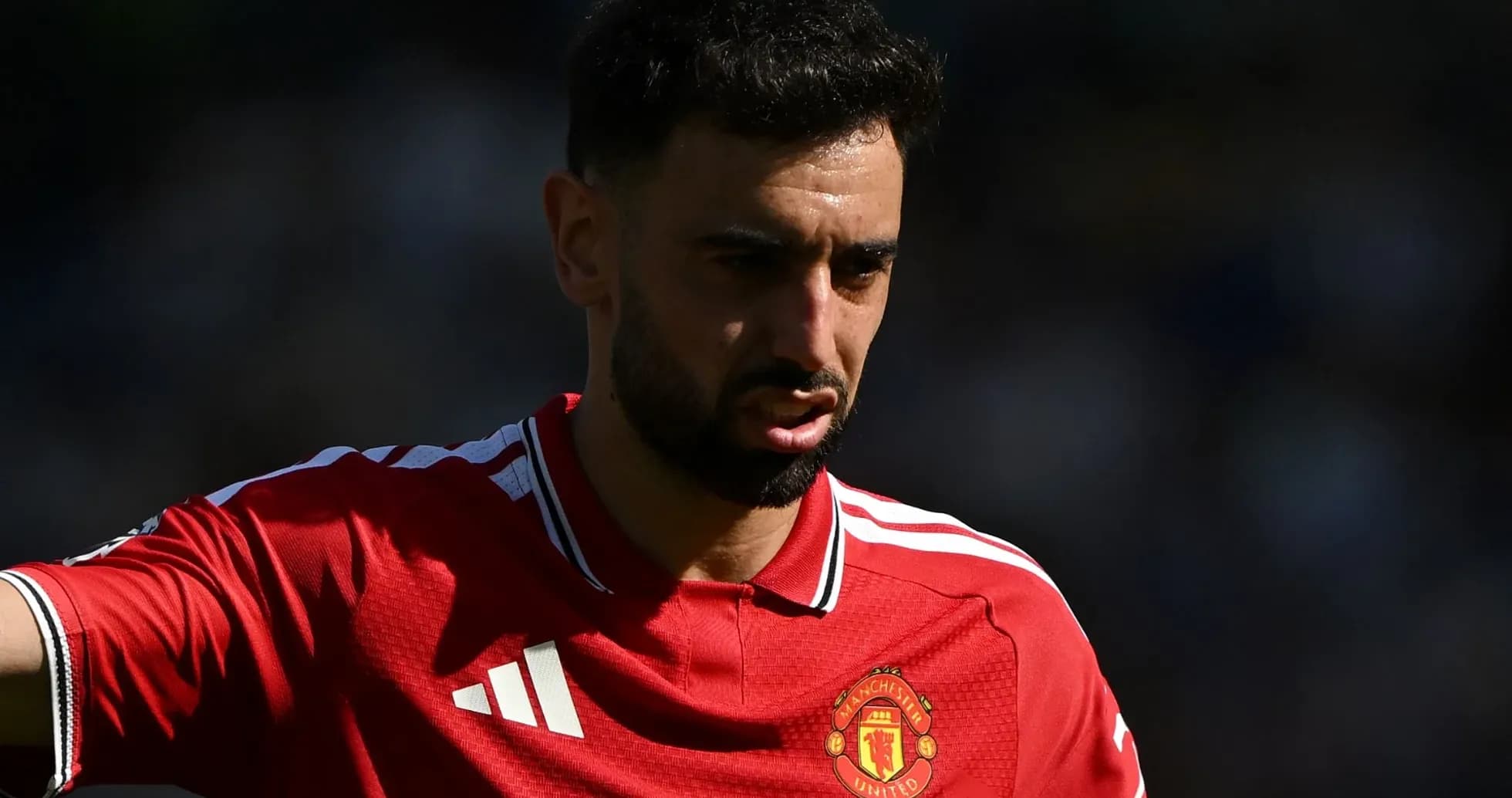
Manchester United know the clock is ticking on Bruno Fernandes. They also know they cannot afford to get this one wrong.
The club captain is into the final year of his current deal, though United do hold a 12‑month option that would carry him through to 2027. That safety net buys time, but nobody at Old Trafford wants this to drift. With the 2026-27 campaign looming and Fernandes back from World Cup duty with Portugal, the ideal scenario is clear: resolve his future before the first competitive ball is kicked.
United’s hierarchy have been working under a new internal logic when it comes to players over 30. Shorter deals. Stricter wage structures. Less sentiment, more strategy. Fernandes tests every part of that policy.
Because this is not just another veteran on a handsome contract. This is the man who dragged United through last season, rewriting parts of Premier League history in the process.
Twenty-one assists in the league. A number that pushed him past Thierry Henry and Kevin De Bruyne in the record books and underlined, in black and white, how central he is to United’s attacking life.
He turns 32 in early September, has been at Old Trafford since January 2020, and yet his influence has not dimmed. If anything, it has hardened.
Five Player of the Year awards tell their own story. So do the raw numbers: 327 appearances, 107 goals, countless games where he simply refused to let standards drop. Since taking the armband in 2023, he has added the FA Cup and Carabao Cup to his CV. Impressive, but not yet the haul that turns a modern great into a club immortal.
That tension – between what he has already done and what still feels unfinished – hangs over every contract conversation.
United have already stared down serious money for him. Saudi Pro League interest was real, and at one stage the club appeared open to a sale if the offer and timing aligned. It did not. Fernandes stayed. Now, with more eyes turning his way again, United are trying to move from reactive to proactive, to lock down their captain rather than fend off bids every summer.
Not everyone inside the game believes the club’s over‑30 rules should apply here. Michael Owen, a former United striker and Premier League title winner, is adamant this is the moment to bend the framework, not hide behind it.
“If I was Manchester United, I would absolutely do everything,” he told GOAL, acknowledging the usual internal guidelines on age, contract length and wages before cutting straight through them.
There are, as he put it, “rules and regs” that would normally steer United away from a long, lucrative deal for a 32‑year‑old. For Fernandes, Owen argues, those rules should not stand in the way.
Sometimes a player is simply too important.
“If I was Manchester United, I wouldn't be able to bear going into the season without him,” Owen said. “He's just that important. Forget his age, forget everything else. He’s just a must if Manchester United are going to continue their progression.”
The sentiment is blunt, and it mirrors the feeling of many inside Old Trafford. Strip away the spreadsheets and the succession plans and you are left with a simple question: what does this team look like without Bruno Fernandes?
The answer is not pretty.
Mikael Silvestre, another former United defender who knows what a winning dressing room looks like, views the situation through a slightly different lens. For him, the contract is not just about reward; it is about giving Fernandes the platform to finish what he has started.
“He's a key player and I was happy that he decided not to go to Saudi and stay with United, stick with the club in a difficult moment in the transition,” Silvestre told GOAL.
He pointed to the years of turbulence, the constant churn of managers and ideas, and the one constant: Fernandes’ output.
Despite the adversity, Silvestre notes, Fernandes delivered. In his eyes, the Portuguese playmaker was “the best player of the league last season” and must stay if United are serious about progressing, not just stabilising.
Yet Silvestre also drew a sharper line around legacy. He referenced Steven Gerrard at Liverpool – a giant of his club, a Champions League winner, but a man who never lifted the Premier League trophy. Great, yes. Untouchable, not quite.
For Fernandes, the bar at United remains just as high.
Silvestre believes the captain still needs a defining title – the league or the Champions League – to move from beloved figure to something “really special” in the eyes of supporters and within the club’s history. Cups matter, of course. So does loyalty in difficult years. But at a club built on title parades, medals still decide how a career is remembered.
That is the crux of this contract standoff. United must decide whether to break their own age‑based rules to keep a player who gives them their best shot at climbing back to that level. Fernandes must decide whether he trusts this project to deliver the trophies his talent demands.
The 12‑month clause gives everyone room to breathe. The reality gives them no such luxury. Every week without a resolution invites more questions, more whispers, more glances from abroad.
United talk about progression. Fernandes embodies it. The next signature will reveal whether the club truly intend to chase titles with him at the heart of it, or risk watching their captain chase them somewhere else.
Related News
Carlos Alcaraz Urges an End to Matches Ending in the Early Hours
Carlos Alcaraz Criticizes Late US Open Finish After 3:30 a.m. Match
Jannik Sinner Set for ATP 500 Return in Beijing with Novak Djokovic Also Competing

Meet Iva Jovic: The American Tennis Prospect Making Waves
Flavio Cobolli Shares Insights on Practice Session with Jannik Sinner Ahead of Comeback

Till vs Romero: Fight Details, Undercard, and Viewing Info for This Weekend