
Marc Skinner Leaves Manchester United Before WSL Season Start
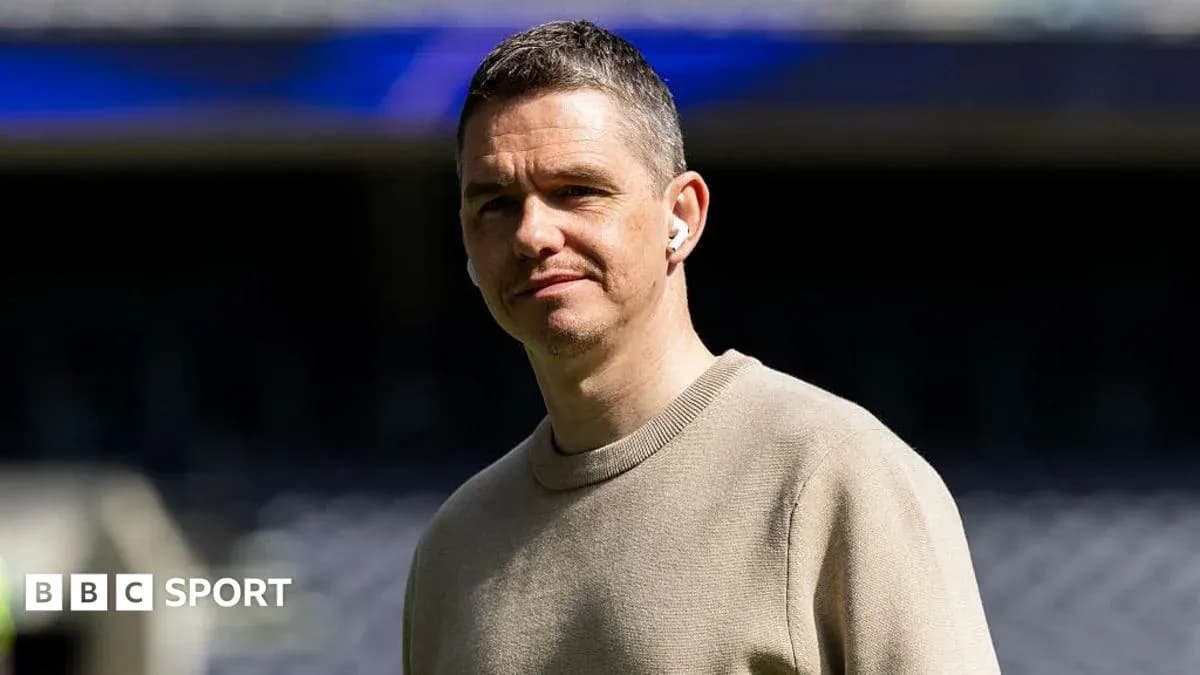
Manchester United will begin the new Women’s Super League season without the coach who dragged them into the elite. Marc Skinner has left his role by mutual consent, just a month before the campaign starts and only months after delivering the club’s first major women’s trophy.
The timing is brutal. The context is even sharper.
A first major trophy – and the end of the road
Skinner, 43, walks away after five years in charge, a spell that reshaped United’s women’s side. Under him, they lifted the Women’s FA Cup in 2024, a landmark moment that finally put silverware on the board and underlined their emergence as serious contenders.
He also took United into the Women’s Champions League group stages for the first time last season, a symbolic step onto Europe’s main stage. Domestically, his team pushed deep into cup competitions, finishing runners-up in three domestic cup finals during his tenure.
On paper, it reads like the CV of a manager at the peak of his project. Instead, it marks the closing chapter.
United are due to open their WSL season away to London City Lionesses on 4 September at 19:00 BST. They will do so under new leadership.
Investment concerns and a quiet summer
Skinner’s departure does not arrive in a vacuum. The former Birmingham City head coach has raised concerns over a lack of investment in the squad, and this summer has been strikingly subdued at Old Trafford.
While rivals have moved aggressively, United have largely stood still. The club have shifted strategy, choosing to target younger players with an eye on sustainable, long-term success rather than headline-making arrivals. It is a deliberate change of course, but one that carries risk in a league where momentum can evaporate quickly.
Behind the scenes, there have been positive structural moves. BBC Sport reported in July that the girls’ academy will train at Carrington, the club’s main training facility, this season. Symbolically, that matters: it places the next generation alongside the club’s elite, embedding them in the same environment and standards.
Yet for many supporters, infrastructure is only part of the equation. They have grown increasingly frustrated by the lack of spending in the transfer window as Manchester City, Arsenal and Chelsea strengthen again.
Rivals surge while United stall
The contrast is stark. Manchester City, Arsenal and Chelsea have all added to squads already packed with international talent. The arms race at the top of the WSL has not slowed; if anything, it has intensified.
Even outside the traditional powerhouses, ambition is loud. London City Lionesses, who finished fifth last season and host United on opening night, have pulled off one of the most eye-catching moves of the summer by signing two-time Ballon d’Or winner Alexia Putellas. Tottenham, meanwhile, have brought in Lyon defender Alice Sombath, another sign of the league’s growing pull and the willingness of clubs to invest.
Against that backdrop, United’s quiet summer stands out. The pressure has been building, and the manager has now gone.
Mutual consent – but clear tension
It is understood that the club and Skinner held discussions over the summer before agreeing a mutual parting of ways. The language is diplomatic. The underlying tension is clear enough.
Skinner leaves as the man who delivered history but also as the voice who pushed publicly and privately for greater backing. The club, for their part, are committed to a recruitment model they believe can secure long-term stability and sustained success.
Those two visions have now diverged.
What United want next
Inside Old Trafford, the response has already begun. Sources at the club say they are advanced in their search for a replacement, with background checks on potential candidates already completed.
One requirement stands above the rest: United want a coach with a proven track record in developing players. That aligns with their youth-focused recruitment strategy and the decision to integrate the girls’ academy into Carrington. The next manager will be expected not just to manage stars, but to create them.
The question now is whether that philosophy can keep pace with rivals who are throwing their weight behind immediate success.
United head to London City Lionesses in early September without the architect of their recent rise, facing a team that has just signed one of the world’s very best. For a club that has tasted its first major trophy and glimpsed Europe’s top table, the next move will say everything about how high they truly intend to climb.
Related News
Carlos Alcaraz Calls for Change After Laver Cup Court Conditions
Alexander Zverev Secures Laver Cup Victory for Team Europe with Straight-Set Win Over Learner Tien
Novak Djokovic Shares Fitness Update Before China Open Return After US Open Upset
Shubman Gill's Captaincy Record Across All Formats: Tests, ODIs, T20Is, and IPL
Kuldeep Yadav Named Player of the Match Over Virat Kohli Despite Century in IND vs WI 1st ODI
India Advances to Asian Games 2026 Cricket Semi-Finals After Rain Washout Against Afghanistan