
Martin O’Neill's Legacy at Celtic: Time for a Change?
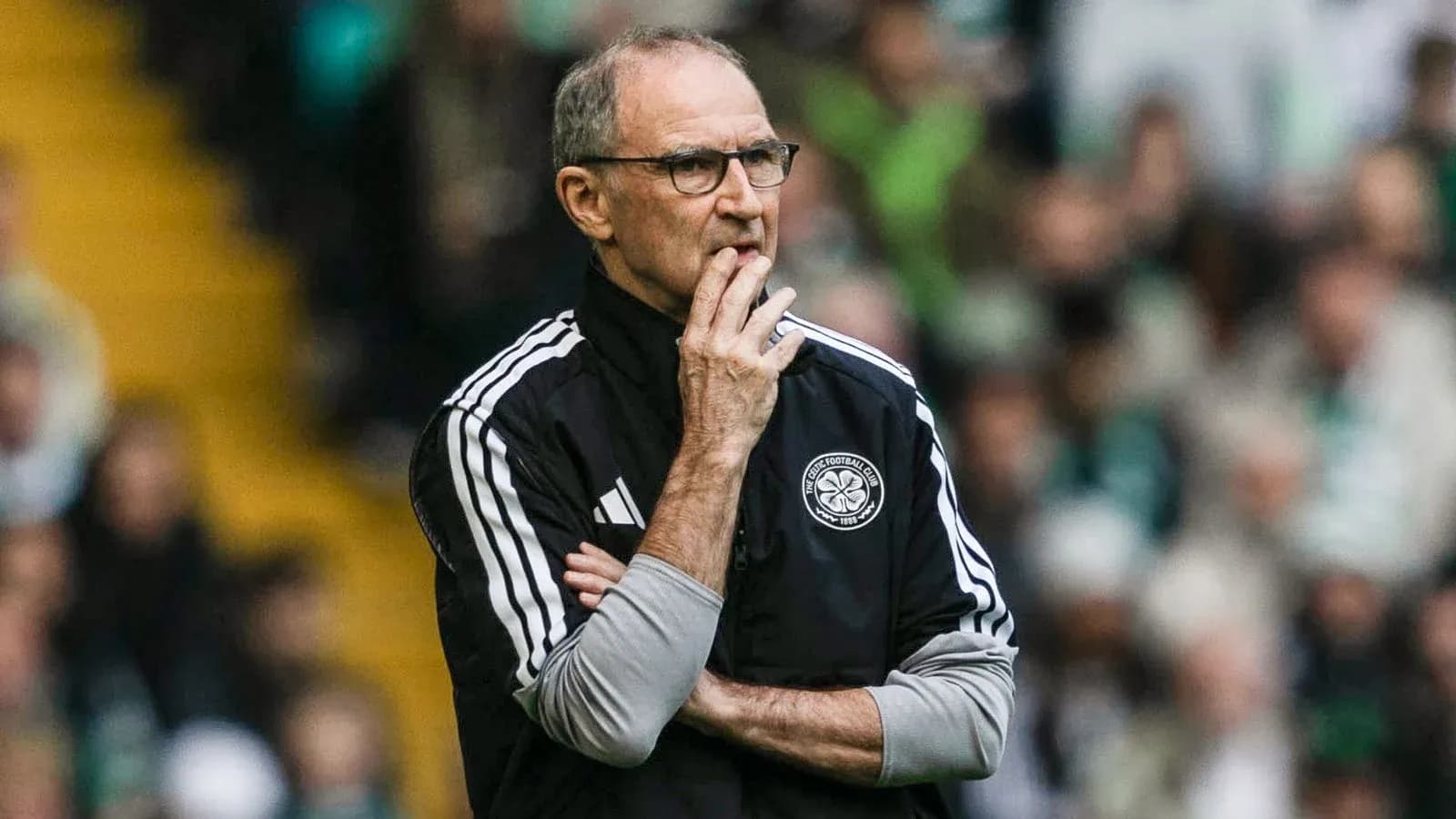
Martin O’Neill will always walk into Celtic Park as a legend. The songs, the banners, the memories of Seville and title wins – they all belong to him. But right now, with Celtic reeling, the question hangs in the air: does this story need an ending before it turns sour?
The 74-year-old has already opened the door himself. After the 1-0 home defeat to Rangers, he admitted he would stop and decide if it is “time to wrap it up”. That loss was not an isolated punch. It was the second Old Firm defeat in a week, wrapped around a bruising 3-1 reverse to Ferencvaros in the Europa League.
One bad result can be dismissed. Three in a week, all with the same flat, fragile feel? That’s different.
From perfect start to painful questions
Celtic’s league table position looks fine at first glance. They are still top of the Scottish Premiership going into a three-week international break. But it should look far better. Six straight wins opened their title defence, yet even in victory, Celtic rarely convinced. Now the cracks have split open.
The alarm bells really started with that extraordinary Champions League play-off collapse against LASK. From 4-0 up in the tie to going out 5-4 on aggregate, Celtic folded on a European stage where they once strutted under O’Neill. That night raised questions about game management, mentality and the manager’s grip on this squad.
The response was not a rally, but a slump. A heavy defeat to Rangers in the Scottish League Cup. An abject showing against Ferencvaros. Then Rangers again, this time at a packed Parkhead, where a 1-0 loss cut deep into the support’s patience.
Instead of an eight-point cushion at the summit, Celtic head into the break only two clear. That swing is not just mathematical. It feels psychological.
Problems beyond the dugout
It would be easy to pin everything on O’Neill. That’s what usually happens when results turn. But Celtic’s issues run higher than the technical area.
Discontent with the board is not new. There were protests last season and calls for change at the top have not gone away. Many supporters point to recruitment: the quality, the timing, the plan – or lack of one.
Kasper Hogh and Camilo Duran arrived before the Champions League exit. Then, with the damage already done, the club spent close to £20m on Mika Baur, Haissem Hassan and Joel van den Berg before Deadline Day, alongside five other late signings. It left O’Neill with a swollen, disjointed squad and very little time to shape it.
He has chopped and changed, particularly in midfield, searching for a blend that works. Nothing has stuck. Against Rangers on Sunday, he took an even bolder swing: he dropped his wingers altogether, started with five defenders and pushed Kieran Tierney further forward. The system changed. The outcome did not.
For years, Celtic have dominated domestically without always replacing key departures like-for-like. The trophies kept coming, so the model went unchallenged. Now Rangers and Hearts look far stronger, and that long-standing comfort has started to look like complacency.
The club have spent big this summer, but many fans fear the message will only land if a trophyless season forces it: money in the bank means little if the right players are not on the pitch.
A legacy on the line
Scottish football can turn on a single month. O’Neill knows that better than most.
Twice last season he stepped in as interim manager and steadied a listing Celtic to an unlikely league and cup double. That rescue job, at his age, convinced him he was not ready for retirement. So he came back permanently, 21 years after his first spell ended, to try and write one last chapter.
His first Celtic side was a snarling, relentless machine. Seven major trophies. A UEFA Cup final in 2003. A team nobody enjoyed facing. The contrast with this season is stark. Celtic are not hard to beat. They are easy to unsettle, easy to rattle, and opponents know it.
The supporters’ affection for O’Neill runs deep, but even the most loyal voices are now asking the same thing: is it time for him to walk away before the story turns painful?
He has not shied away from big decisions. After the defeat at Ibrox last weekend, he rang the changes for Ferencvaros. They failed. He made more big calls for the latest Old Firm clash. Same story. Same questions.
He could still match last season’s double. The fixtures and the mathematics say so. But if he cannot solve the structural problems in this squad, the risk is obvious: a season without silverware, and a legacy that ends with a whimper instead of a roar.
A reset or a reckoning?
Amid the gloom, one basic fact remains: Celtic are still top. Seven Premiership games played out of 38. Seven Europa League matches still to come. The season is not lost; it is wobbling.
O’Neill knows the scale of the week just gone, but he has tried to keep a lid on the panic. Speaking to Sky Sports after the Rangers defeat, he insisted “there’s very much between the teams” and leaned on the club’s history, saying it proves Celtic will fight back from a spell like this. He called for perspective.
“It’s concerning. Is it a disaster? I don’t think so. We have to rethink and reset,” he said.
That reset will be tested quickly. After the break, Celtic go to Motherwell, then Benfica in Europe. Hearts and Celta Vigo follow at Parkhead, before tricky league trips and Dundee United at home. It is a run that can either restore authority or deepen the crisis.
The board face questions. The recruitment department faces questions. But the man in the dugout faces the most immediate one of all.
Can Martin O’Neill, at 74, summon one more reinvention – of himself and his team – or will this be the season that forces Celtic to choose between a cherished past and an uncertain future?
Related News
Arsenal Faces Early WSL Title Threat Despite Strong Transfer Window
Recent Transfer News and Updates You Might Have Missed
Luis Binks: From Hotel Lockdown to Scotland Debut

Joe Hart Predicts Manchester City Will Compete for Title
Lionel Messi's Final Match with Argentina: A Farewell Tribute
Gabriel's Future at Manchester United: Rooney Warns of Massive Blow