
Mauricio Pochettino's Approach to USMNT's Teenage Talent: Balancing Readiness and Growth
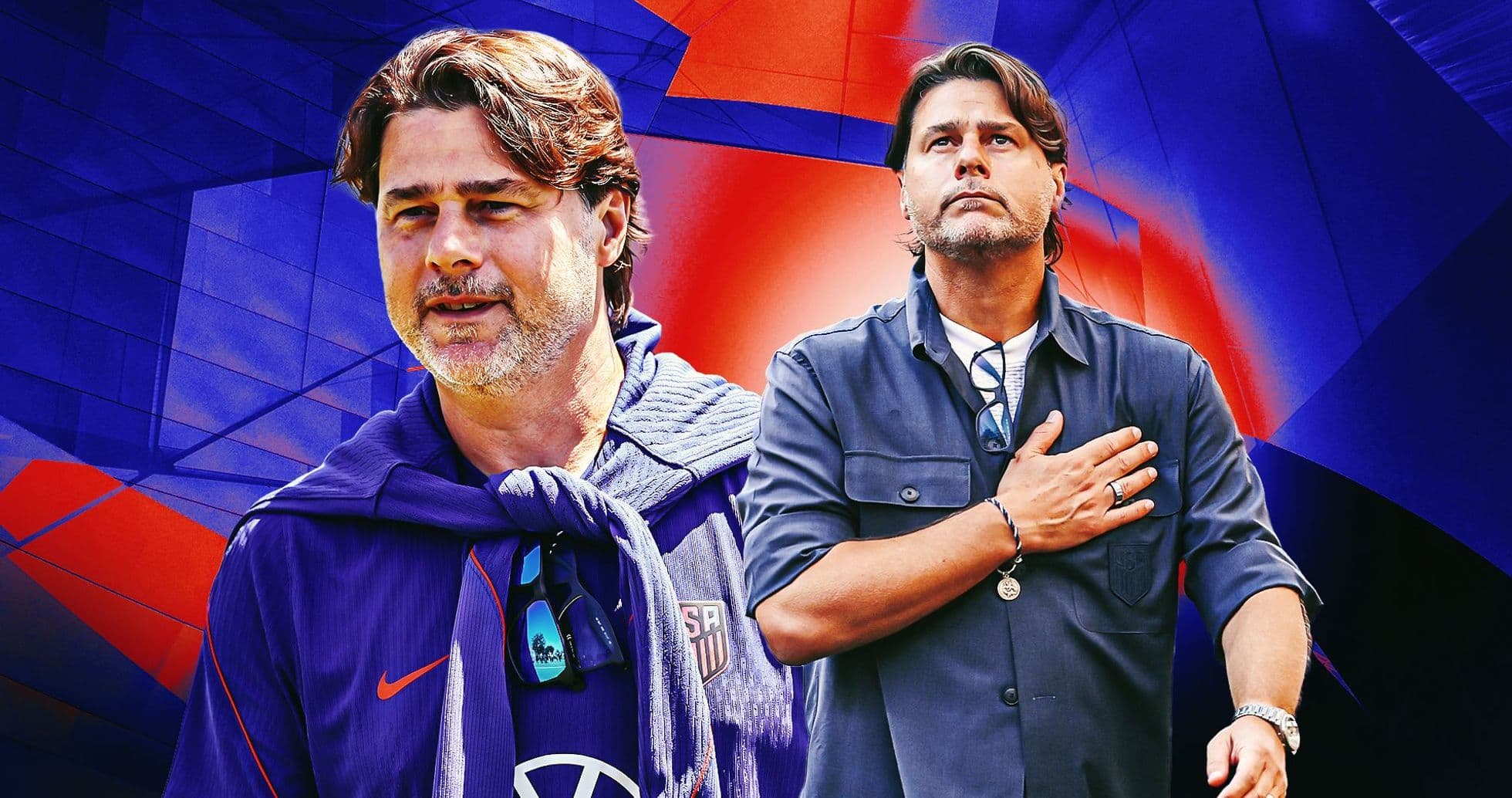
Manager Mauricio Pochettino is keenly observing the young prospects aiming for spots on the U.S. Men’s National Team. Names like Cavan Sullivan, Zavier Gozo, Julian Hall, Adri Mehmeti, Mathis Albert, and Diego Kochen have caught the eye of American soccer fans—and Pochettino himself. While he appreciates their skills, he’s looking beyond just what they do with the ball.
What Pochettino Watches For
“We are watching everything,” Pochettino said, emphasizing the comprehensive scouting his team undertakes. He knows choosing the right moment to give teenagers a chance is tricky. Too early might hurt their development; too late could cost them vital experience and confidence.
Confidence matters, but so does balance. “When you’re young, you need to believe in yourself and perform daily, but there’s a limit,” Pochettino explained. Protecting these players is part of his job, ensuring their growth is steady and healthy.
Who’s Ready?
Cavan Sullivan stands out as a symbol of this next wave. At only 16, he’s scored three goals in as many recent matches against adults, prompting many to say he’s ready for more. Tim Howard praised him, saying Sullivan deserves to be in national team discussions even if not starting every game.
Sullivan believes in himself, dreaming of contributing soon. “I think I could come into that Belgium game and make a difference,” he shared on Alexi Lalas’ podcast.
Zavier Gozo was nearly on the World Cup roster but was deemed not quite ready by Pochettino. Now at Crystal Palace, Gozo is motivated to prove himself for future call-ups.
Pochettino’s Criteria
Physical ability isn’t a major worry for the coach—these teenagers can handle the minutes. Instead, his focus lies on maturity and professionalism. How do they behave off the pitch? Do they work hard daily? Are they respectful?
“Respect is the most important thing,” Pochettino stated. Players must combine talent with humility and a grounded attitude. Overconfidence without achievement is a red flag.
Positions with more openings will likely see younger players given chances first, but there’s no blanket approach. Goalkeeper is one example where competition is tough due to limited spots.
Future tournaments like the Olympics, Gold Cup, and possibly Copa America will factor into planning. Collaborations with U-23 coach Steve Cherundolo aim to prepare youngsters through senior caps gradually.
Integrating Experience and Youth
The transition to fresh faces won’t be sudden. Some veterans remain key, offering guidance to newcomers. Chris Richards sees this process firsthand, playing alongside Gozo at Palace and appreciating the mix of seasoned pros and rising stars.
Pochettino plans a blend of experienced and young players to help manage pressure during important matches and maintain competitive standards.
Every Detail Counts
From match play to training habits and even media conduct, Pochettino examines it all. He pays attention to how players interact with teammates and coaches, how punctual they are, and their commitment beyond official sessions. These small details reveal readiness.
Unlike club management, where he watches players daily, national team camps are brief and spread out, making timing decisions tougher. A player may not be ready in one camp but could shine later.
Looking Ahead
As call-ups approach, balancing veteran presence with emerging talent remains Pochettino’s challenge. The choices now will influence the team’s direction through the 2030 cycle.
“We need a group of professionals competing at the level we expect,” he said. Both young and talented players must rise to the challenge and earn their spots.
Related News
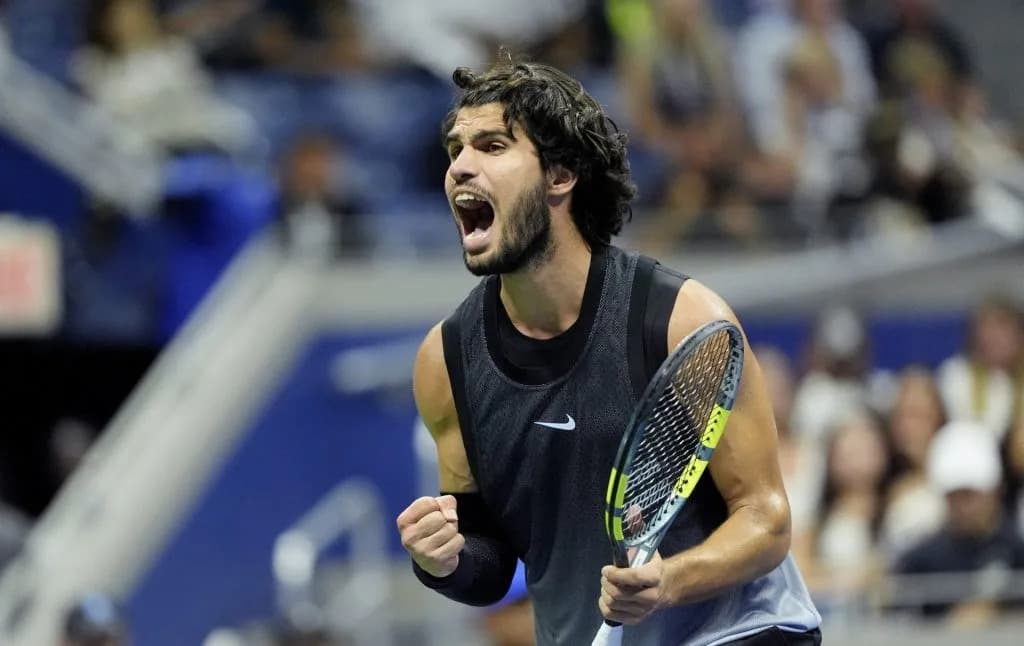
Carlos Alcaraz Urges an End to Matches Ending in the Early Hours
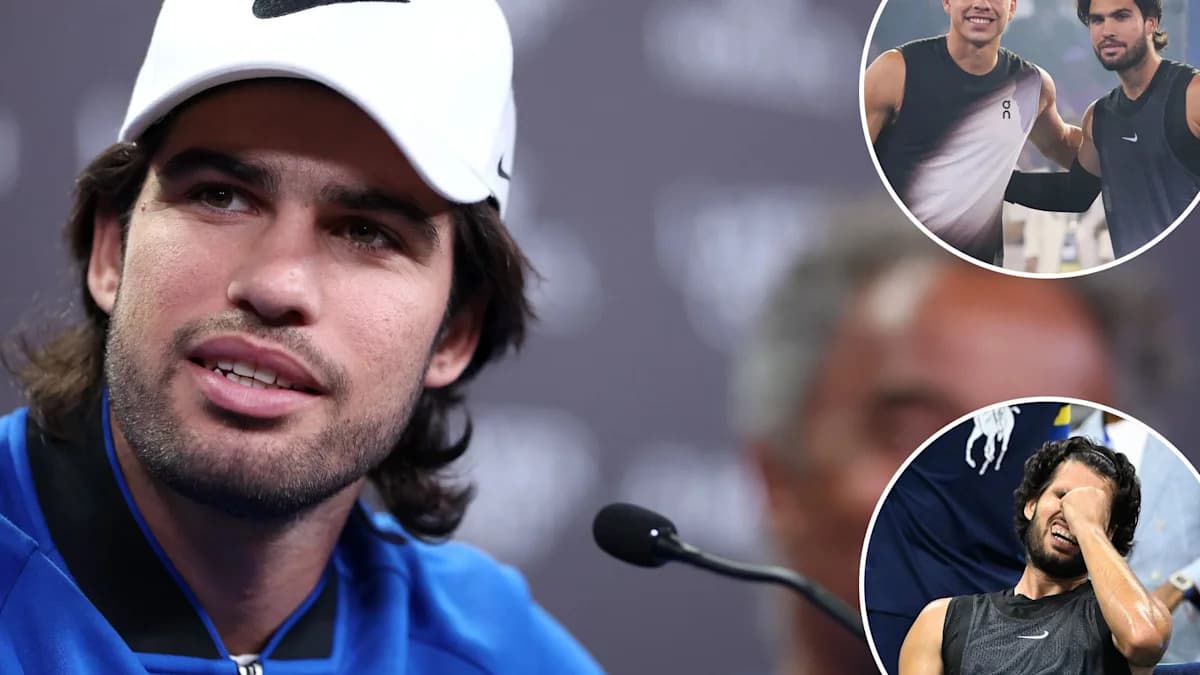
Carlos Alcaraz Criticizes Late US Open Finish After 3:30 a.m. Match
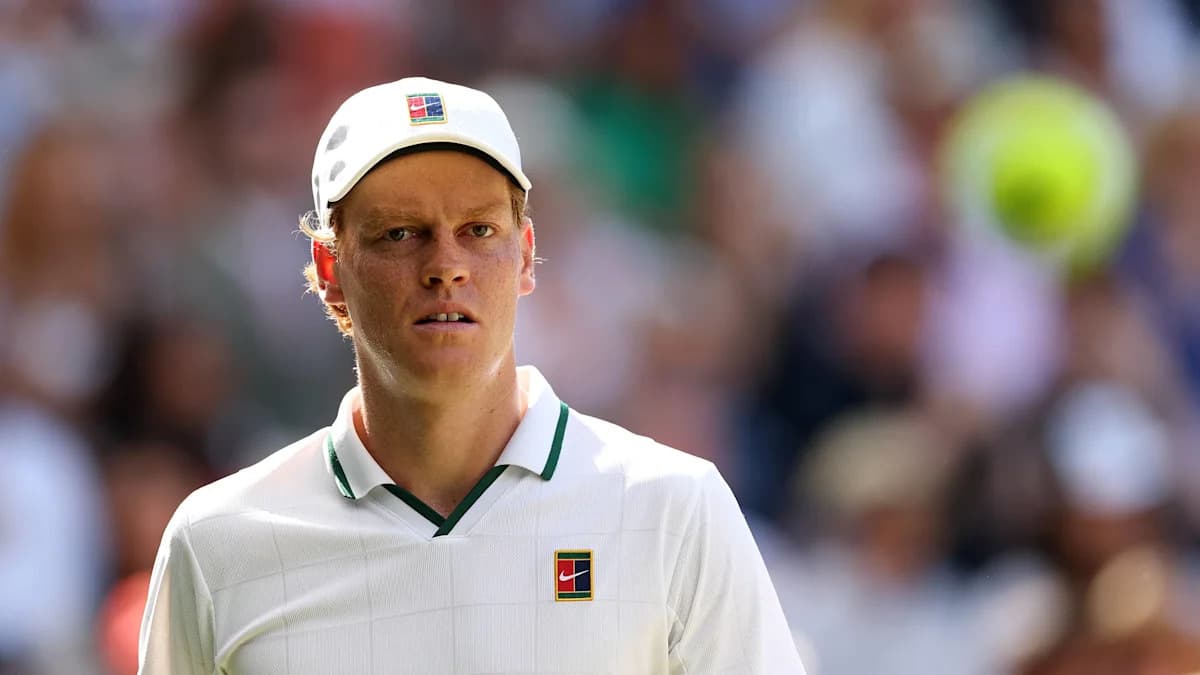
Jannik Sinner Set for ATP 500 Return in Beijing with Novak Djokovic Also Competing
Meet Iva Jovic: The American Tennis Prospect Making Waves
Flavio Cobolli Shares Insights on Practice Session with Jannik Sinner Ahead of Comeback
Till vs Romero: Fight Details, Undercard, and Viewing Info for This Weekend