
Michael Edwards Exits FSG Role as Liverpool Faces Key Transition
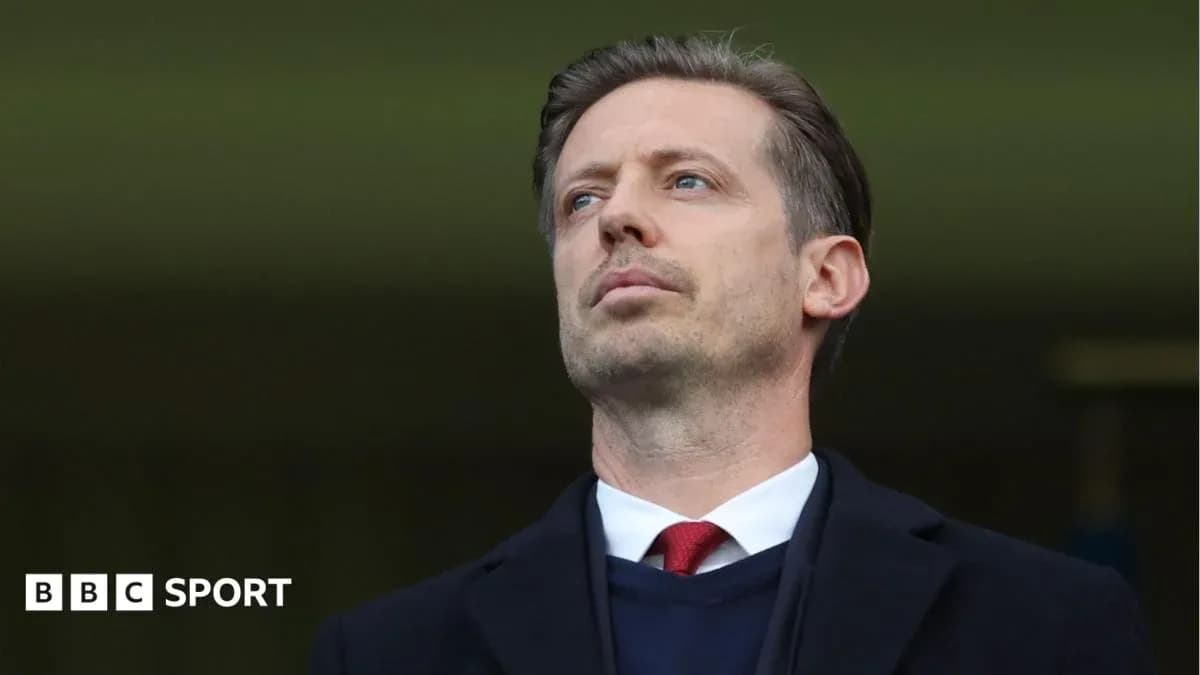
Michael Edwards has stepped away from Fenway Sports Group just as Liverpool brace themselves for another defining rebuild.
The architect of much of Liverpool’s modern success has left his position as FSG’s chief executive of football two years into a three-year contract, ending his second spell working closely with the club’s owners. He had returned in March 2024 with a clear brief: to help steer Liverpool from the Jurgen Klopp era into whatever came next.
FSG described his departure as part of a “planned transition following the completion of key strategic priorities”. Group president Mike Gordon admitted the owners are “naturally disappointed” to see him go, a line that underlines just how central Edwards was to their football operation.
This is not a routine change upstairs. It lands at a moment when the football side of Liverpool is already being reshaped.
Edwards himself struck a calm tone in his statement. He insisted “Liverpool is in a strong position, with outstanding people, a clear direction and the foundations in place for continued success.” He spoke of the excitement he felt on returning, both in guiding Liverpool through “an important period of transition” and in helping to shape FSG’s wider football ambitions.
That wider project, though, did not unfold as first imagined. Edwards admitted “that broader project ultimately evolved differently to how we had originally envisaged,” but stressed his pride in the work done, pointing to a “broad range of thoughtful and well-developed options for the future” presented to ownership.
The timing is striking. Mohamed Salah, the club’s defining forward of the Klopp era, has gone at the end of the last campaign. Replacing him is the most obvious and immediate challenge for Liverpool’s new-look hierarchy. Lose Salah and then lose the man trusted to oversee the bigger picture, and the margin for error narrows.
There is more uncertainty. Speculation continues to swirl around sporting director Richard Hughes, whose own future has been the subject of growing noise. Should he also move on, Liverpool would be attempting to navigate a pivotal phase without two of the key strategists entrusted with plotting it.
Edwards’ legacy at Liverpool was built long before this latest role. First arriving in 2011, he rose to sporting director in 2016 and became one of the most influential figures in the club’s recruitment revolution. His work in the market helped drag Liverpool from nearly-men to serial contenders.
The roll call of signings under his watch is now part of club folklore: Salah, Roberto Firmino, Sadio Mane, Andy Robertson, Virgil van Dijk. They were not just smart deals; they were the spine and soul of a side that ended a 30-year wait for a league title in 2020 and re-established Liverpool among Europe’s elite.
Now, the club must attempt something just as delicate: rebuilding without Klopp, without Salah, and without the quiet strategist who once turned transfer windows into a competitive advantage.
The structure remains, the owners insist. The foundations, Edwards says, are strong. The question is whether Liverpool can once again turn that framework into another era-defining team, this time without the man who helped design the last one.
Related News
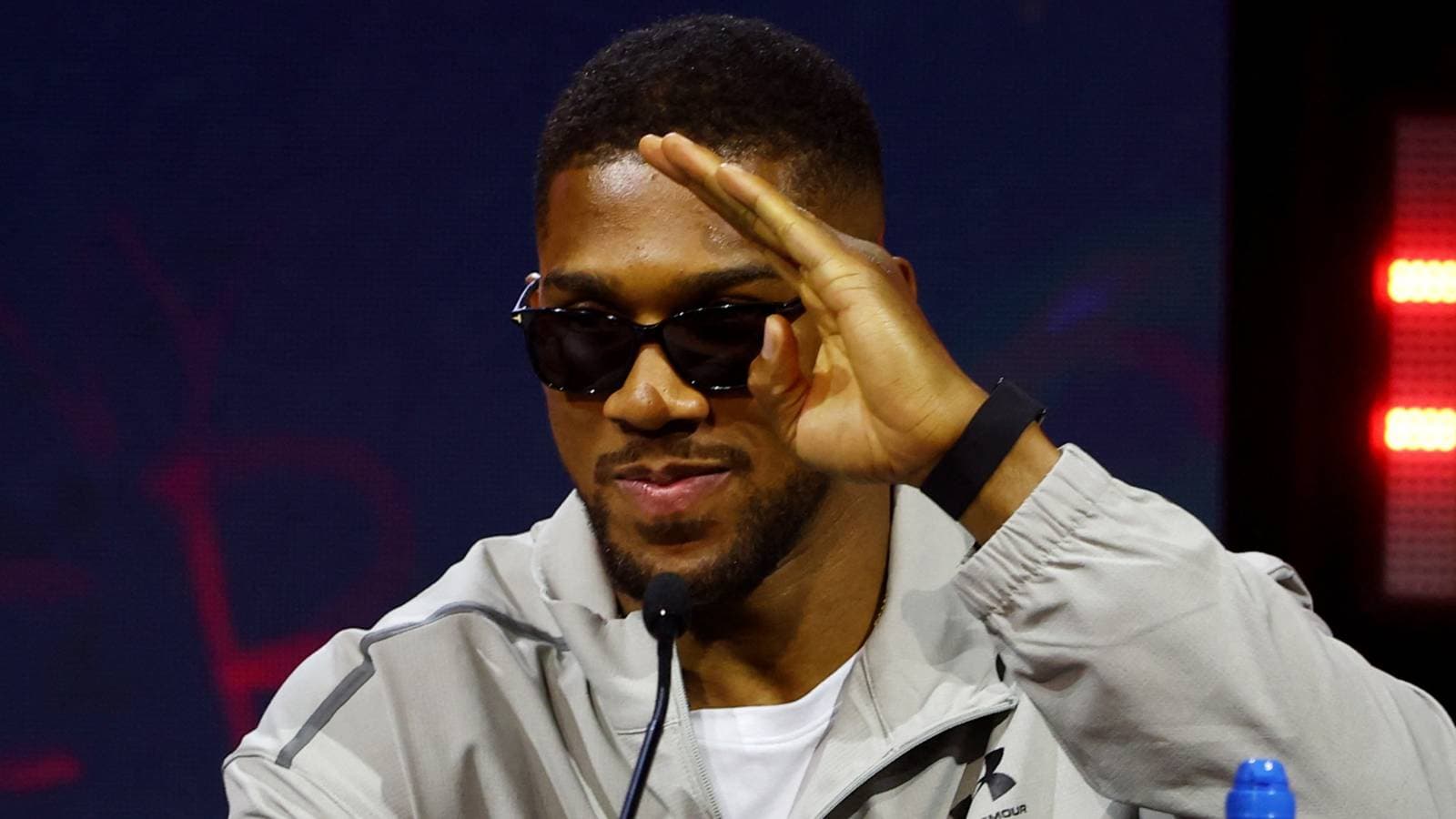
Anthony Joshua Names Murat Gassiev as Next Opponent if He Defeats Tyson Fury
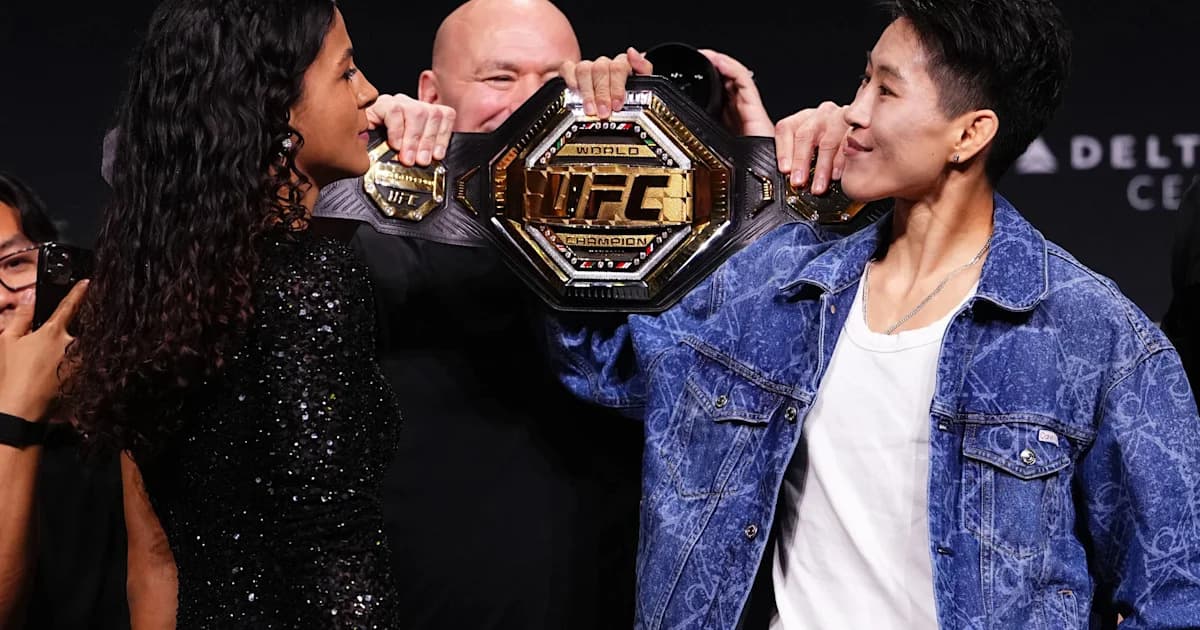
UFC 332: Start Time and Fight Highlights for Natalia Silva vs. Wang Cong
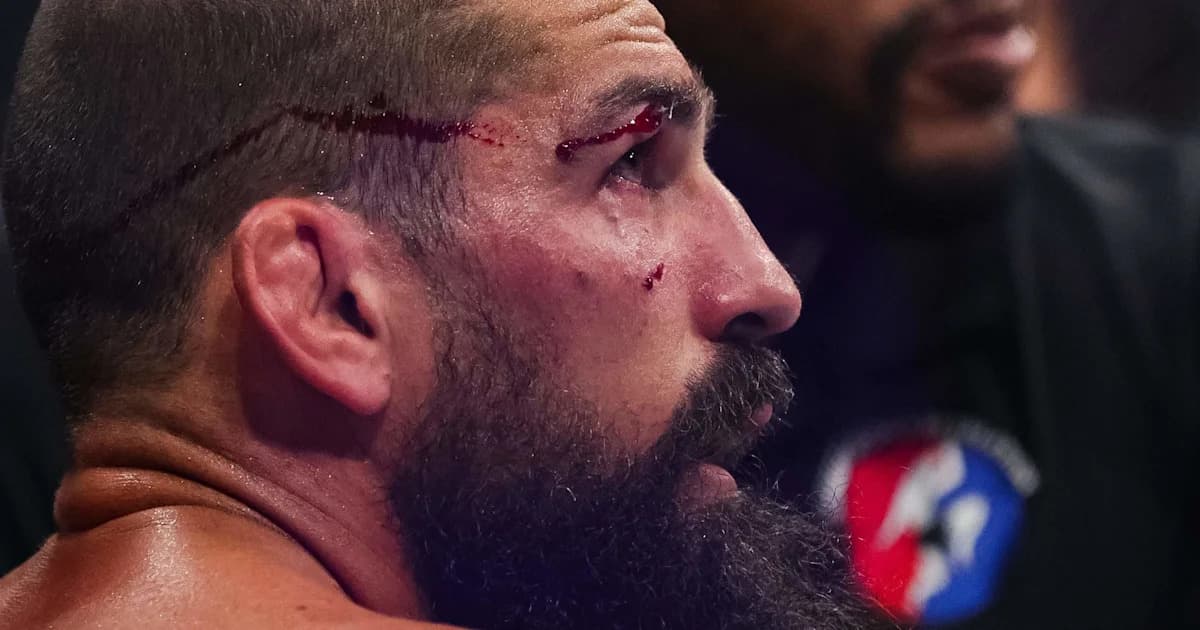
Court McGee Opens Up About Choosing UFC 332 as His Final MMA Fight
WBC Orders Lightweight Title Unification: William Zepeda vs Jadier Herrera
BCCI Pension List: Monthly Payments to Retired Indian Cricketers in 2025
Why Fury vs Joshua Is Set for Cardiff, and Dua Lipa’s Unexpected Role