
Michael Edwards Leaves Liverpool: A Strategic Departure
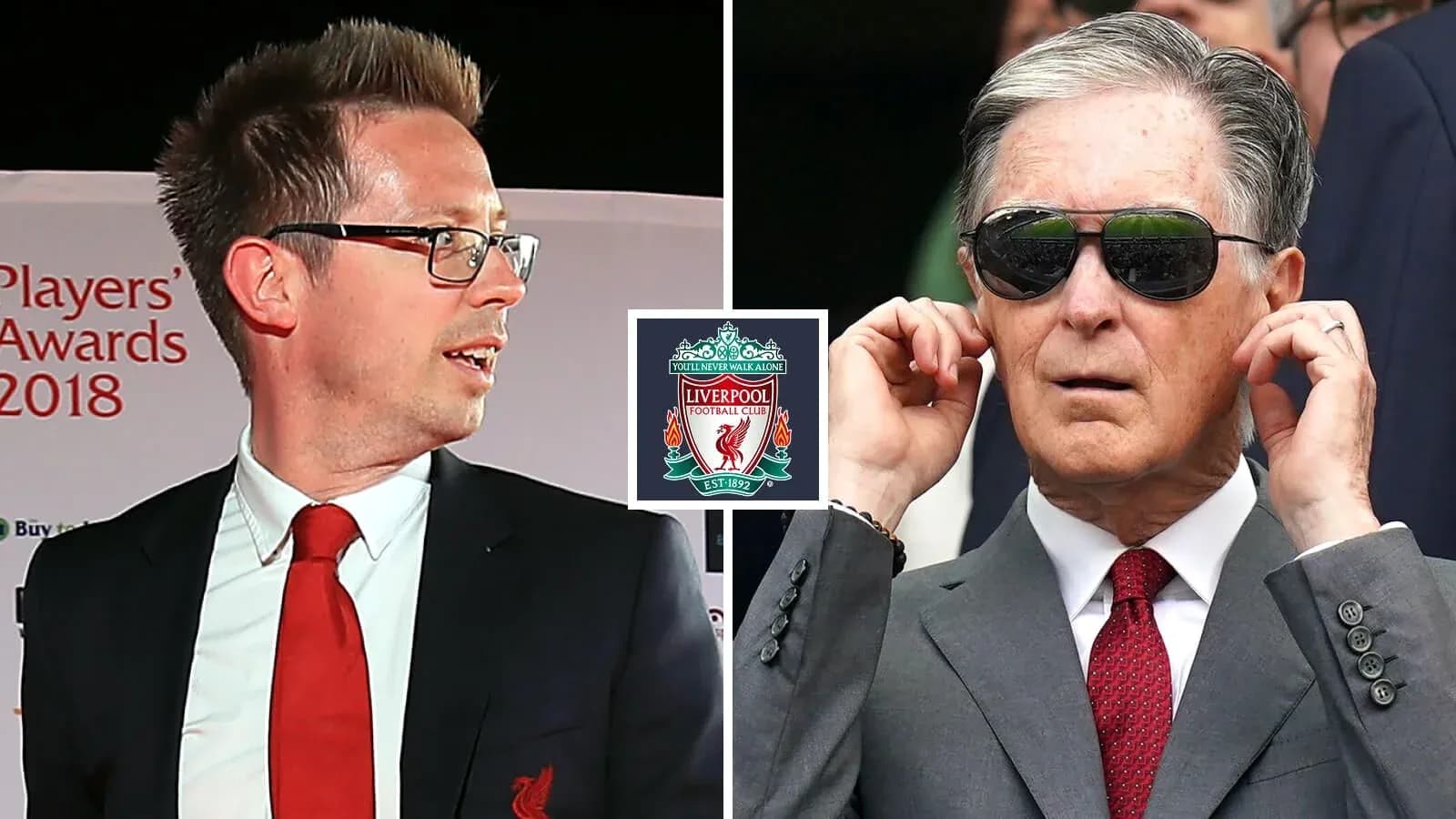
Michael Edwards’ second act at Liverpool is over – and this time, it ends not with a headline signing, but with a structural argument he never won.
The architect behind much of the club’s modern success is leaving his role as Fenway Sports Group’s CEO of football before the start of next season, with FSG president Mike Gordon stepping back in to run the football operation rather than an external replacement being sought.
It is a decisive move at the end of a long, slow disagreement.
From transfer mastermind to frustrated executive
Edwards, who built his reputation at Tottenham before becoming Liverpool’s sporting director, was one of the central figures in the club’s rise under Jurgen Klopp. The deals, the timing, the relentlessness of Liverpool’s recruitment drive – his fingerprints were all over it.
He walked away in 2022, his legacy secure. When he returned in 2024, it was not to reprise the old role, sifting through data to find the next transformative signing. He came back for something bigger.
Edwards made it clear the appeal lay in leading a multi-club model under FSG, building a wider football portfolio with Liverpool at its core. That was the project. That was the promise.
The problem? The portfolio never arrived.
Plans shelved, patience drained
By March, The Athletic’s Liverpool correspondent James Pearce reported that FSG had effectively put their multi-club plans on ice. A second club had not been bought. Progress had stalled. Edwards, Pearce wrote, was left frustrated by the impasse.
The frustration never lifted.
According to Pearce, Edwards informed the FSG hierarchy last autumn that he would be leaving once it became clear the group was not expanding its football interests. He stayed on to support sporting director Richard Hughes and to help steer Liverpool through a period of transition, but the direction of travel was set.
Journalist Ben Jacobs added further detail, reporting that Bordeaux had initially been examined as a potential acquisition, with Getafe also explored. Once the Getafe move stalled, the grand vision Edwards had signed up for effectively disappeared. The role he was performing no longer resembled the one he had been sold.
He had never wanted to come back simply to run recruitment. Without the multi-club project, the job lost its edge.
Titles won, paths diverged
If there was a consolation, it came on the pitch. FSG president Mike Gordon was quick to underline Edwards’ impact in his parting words, pointing to Liverpool’s ability to navigate a major transition and still emerge with a historic 20th English league title.
“Michael has made an extraordinary contribution to Liverpool Football Club and Fenway Sports Group throughout his time with our organization,” Gordon said, highlighting his broader leadership role since returning in 2024. His influence, Gordon stressed, ran through that title-winning campaign.
Edwards himself chose a measured exit line.
“It has been a privilege to return to Fenway Sports Group and Liverpool Football Club at such an important moment,” he said. He leaves, he insisted, believing Liverpool are in a “strong position, with outstanding people, a clear direction and the foundations in place for continued success.”
The words are gracious. The context is anything but simple.
Arne Slot has already paid the price for a poor 2025/26 campaign. Edwards and Hughes are contracted only until 2027. The club sits at a crossroads off the pitch, even as it continues to fight for honours on it.
Gordon back in control – and Edwards back on the market
FSG’s response to Edwards’ departure is telling. There will be no like-for-like replacement. No new CEO of football flown in to pick up the project.
Instead, as Pearce reports, Gordon will resume direct control of football operations. The group is effectively reverting to a structure it knows, with the president at the centre of decision-making and Hughes in place as sporting director.
It is a conservative choice at a moment when many elite clubs are racing into multi-club models and sprawling networks.
For Edwards, the road ahead looks very different. Jacobs reports that he is unlikely to seek another long break from the game. Given his track record, his availability will not go unnoticed. A proven builder of elite structures, a title-winning strategist, and a believer in the multi-club era now finds himself free just as some of Europe’s biggest operators are expanding.
His second Liverpool chapter ends not with a failed signing or a bad season, but with a strategic disagreement about what the modern football empire should look like.
The question now is simple: who will hand him the kind of project FSG ultimately would not?
Related News
Anthony Joshua Names Murat Gassiev as Next Opponent if He Defeats Tyson Fury
UFC 332: Start Time and Fight Highlights for Natalia Silva vs. Wang Cong
Court McGee Opens Up About Choosing UFC 332 as His Final MMA Fight
WBC Orders Lightweight Title Unification: William Zepeda vs Jadier Herrera
BCCI Pension List: Monthly Payments to Retired Indian Cricketers in 2025

Why Fury vs Joshua Is Set for Cardiff, and Dua Lipa’s Unexpected Role