
Michael Edwards' Liverpool Return: Promises Unfulfilled
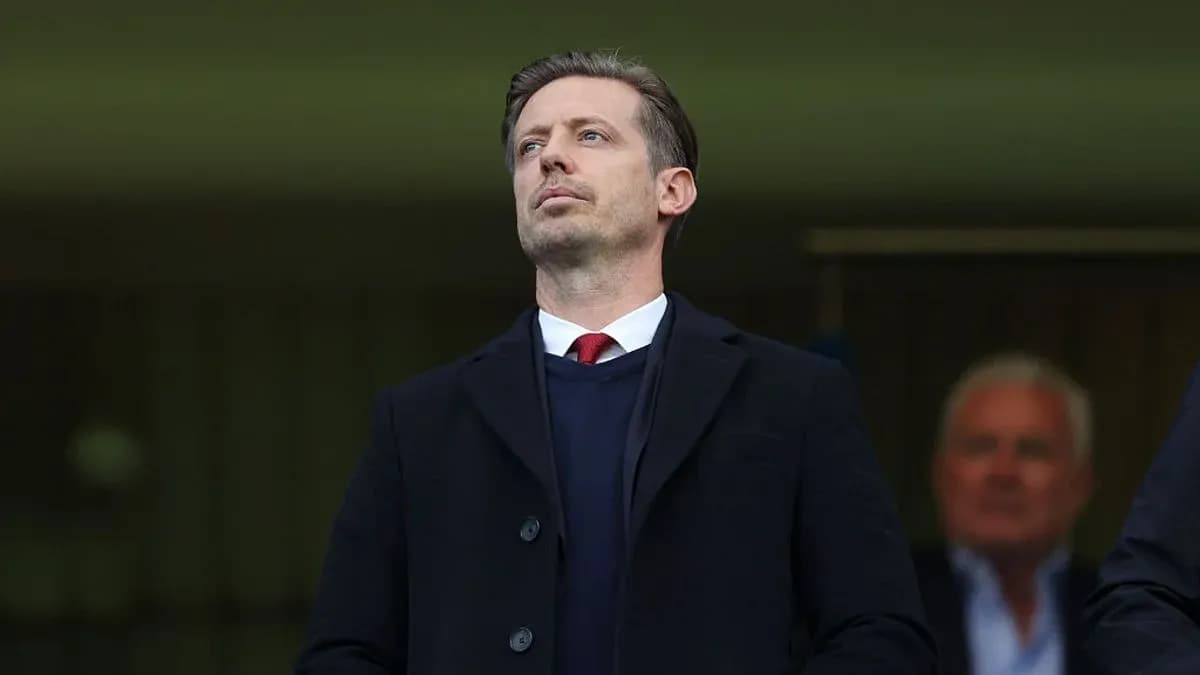
Michael Edwards’ second Liverpool chapter was never meant to end like this. Not this quickly. Not with a sense of promises unfulfilled.
When he walked back through the door in 2024, elevated to the grander title of CEO of football at Fenway Sports Group, it came with a clear sales pitch from the owners: this would be bigger than Liverpool. This would be a multi-club project, a network to rival Europe’s emerging empires. That vision, more than anything, lured him back.
Two years on, that vision has stalled. No second club. No multi-club model. And now, no Michael Edwards.
A grand plan that never left the page
Edwards had been the quiet architect of Liverpool’s rise under Jurgen Klopp. Mohamed Salah, Sadio Mane, Andy Robertson — signings that reshaped a club and defined an era. When he walked away in 2022, he did so at the peak of his reputation, with Manchester United and Chelsea both making their pitch to bring him in.
He turned them down.
Instead, he chose to return to familiar ground, but on different terms. This wasn’t about slipping back into the old sporting director role. This was about working above the club, with FSG itself, helping to steer both Liverpool’s post-Klopp transition and a broader football portfolio that, on paper, would give them the kind of reach that City Football Group and others have used so ruthlessly.
The multi-club model, Edwards admitted, was crucial in convincing him to sign on. That was the hook. That was the project.
It never materialised.
Reports from The Athletic painted a picture of a man increasingly frustrated as FSG’s pursuit of a second European club drifted, slowed, then effectively disappeared from the agenda. The plans, once central, seemed to be pushed to the margins. For someone brought back specifically to help build that structure, the gap between promise and reality became too wide.
The pressure finally told. Edwards chose to walk away a year before his contract was due to expire, having already signalled his intentions last year.
Control, power, and the next chapter at Anfield
Edwards’ influence on the current Liverpool structure will outlast his short-lived second spell. One of his key moves on returning was to appoint Richard Hughes as sporting director, a trusted operator he knew from Hughes’ time at Bournemouth.
Hughes was expected to be the central figure in Liverpool’s recruitment, with full control over transfers — a shift from his days working alongside Andoni Iraola on the south coast, where responsibility was more diluted. At Anfield, the remit was clear: he would shape the squad.
Now that picture is changing again. Hughes is reportedly set to leave at the end of the summer to join Al-Hilal, another key figure exiting just as Liverpool try to navigate life after Klopp.
In the background, a familiar name is stepping back into the foreground. Mike Gordon, FSG’s president and long-time powerbroker behind the scenes, is understood to be resuming day-to-day control of operations at the club. It is a return to an old structure at a time when Liverpool had hoped to be breaking new ground.
The cycle, in some ways, has come full circle.
Edwards’ parting words
For all the tension behind the scenes, Edwards’ public farewell was measured, polished, and respectful — very much in keeping with his understated profile.
“It has been a privilege to return to Fenway Sports Group and Liverpool Football Club at such an important moment,” he said in a statement.
“I leave believing Liverpool is in a strong position, with outstanding people, a clear direction and the foundations in place for continued success.
“When I returned, I was excited not only by the opportunity to help guide Liverpool through an important period of transition, but also by the chance to help shape FSG’s wider football ambitions.
“While that broader project ultimately evolved differently to how we had originally envisaged, I am proud of the work our team undertook in presenting ownership with a broad range of thoughtful and well-developed options for the future.
“I’d like to thank Mike, John (Henry), Tom (Werner) and everyone across FSG and Liverpool for their support and friendship and, most importantly, the supporters, whose passion makes this club so special. I will always be grateful to have been part of its story.”
The words are diplomatic. The context is not. A broader project that “evolved differently” is a polite way of saying it never truly got off the ground.
A missed opportunity for FSG?
For FSG, this is more than just the loss of a sharp football mind. It is a missed chance to lock in a long-term strategic edge at a time when the sport is consolidating around multi-club giants.
They had one of the game’s most respected operators, a man who had already proven he could build a title-winning squad without the deepest pockets, ready to design and run a wider network. They sold him on that idea. Then they didn’t deliver it.
Liverpool, as Edwards points out, remain in a strong position on the pitch and in the boardroom. The foundations he helped lay over the last decade are still there. But the story behind his second exit leaves a question hanging over FSG.
In an era where ambition is measured by how far your reach extends beyond one badge, can Liverpool’s owners really afford to think small?
Related News
Anthony Joshua Names Murat Gassiev as Next Opponent if He Defeats Tyson Fury
UFC 332: Start Time and Fight Highlights for Natalia Silva vs. Wang Cong
Court McGee Opens Up About Choosing UFC 332 as His Final MMA Fight
WBC Orders Lightweight Title Unification: William Zepeda vs Jadier Herrera
BCCI Pension List: Monthly Payments to Retired Indian Cricketers in 2025
Why Fury vs Joshua Is Set for Cardiff, and Dua Lipa’s Unexpected Role