
Michael Edwards Steps Away from Liverpool Amid Major Transition
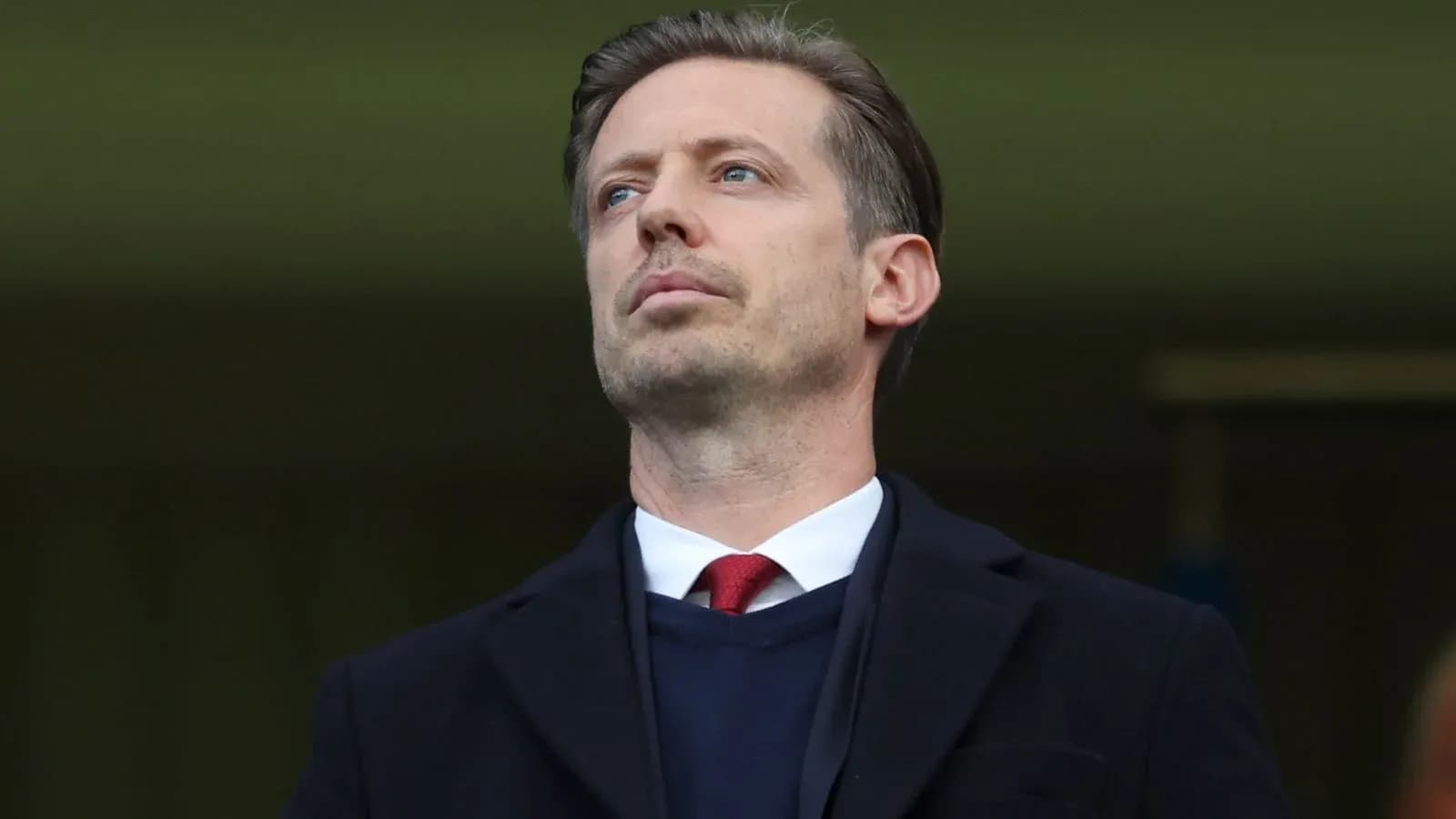
Michael Edwards has stepped away from Fenway Sports Group for a second – and surely final – time, leaving his role as CEO of football and walking out of Liverpool’s corridors of power on the eve of another major reset.
FSG insist this is no rupture. They called it a “planned transition”, the closing act of a carefully staged handover. But the timing is impossible to ignore: a summer in which Liverpool must replace Mohamed Salah, steady a reshaped dugout and, potentially, live through more upheaval in the recruitment department.
Architect of an era bows out
Edwards’ name is woven through Liverpool’s modern history. He first arrived in 2011, a data-driven appointment in a club still wrestling with the post-Rafa Benitez hangover. Performance director, then sporting director from 2016, he became the quiet architect behind the squad that roared to the 2019/20 Premier League title – the club’s first league crown since 1990.
The signings that underpinned that triumph are well known on Merseyside. So is the method: relentless analysis, ruthless decision-making, and a willingness to sell as well as buy. Edwards left in 2022 with his reputation burnished, the man who helped turn Liverpool from nearly-men into serial contenders.
Then came the return.
In March 2024, with Jürgen Klopp announcing his departure and an era coming to an end, FSG brought Edwards back in an elevated role as CEO of football, tasked with overseeing all football operations at Liverpool and shaping the group’s wider ambitions in the sport. It was a move that reassured a fanbase bracing for change.
Change at the top, change in the dugout
The pressure of that transition was immense. Klopp’s farewell season gave way to a new chapter under Arne Slot, who arrived in June 2024 and promptly delivered Liverpool’s historic 20th English league title in 2025. On paper, the handover looked immaculate.
The reality was messier. Slot’s second season sagged. Standards slipped, and the feel-good factor drained away. In early June this year he was replaced by Andoni Iraola, another coach asked to inherit a high-wire act and keep Liverpool in the slipstream of Manchester City while a new hierarchy beds in above him.
FSG’s statement made clear that Edwards had been central to this period of churn and reconstruction.
“Since returning to the organisation in March 2024, he has helped oversee Liverpool through a significant period of change,” the group said, highlighting the “implementation of a new football leadership structure and the appointment of a new head coach”.
He also, they pointed out, “oversaw the continued evolution of the club's football operation during a period in which Liverpool secured its historic 20th English league title in 2025, before preparations for the next phase of its development.”
The job, in their eyes, has been done. The next phase will unfold without him.
A project that shifted shape
Edwards’ own words carried a note of pride, but also a hint that the broader FSG vision did not quite unfold as first imagined.
“It has been a privilege to return to Fenway Sports Group and Liverpool Football Club at such an important moment,” he said. “I leave believing Liverpool is in a strong position, with outstanding people, a clear direction and the foundations in place for continued success.”
He spoke of being “excited” by the chance not only to steer Liverpool through a delicate transition but to help “shape FSG's wider football ambitions”.
“While that broader project ultimately evolved differently to how we had originally envisaged,” he added, “I am proud of the work our team undertook in presenting ownership with a broad range of thoughtful and well-developed options for the future.”
The message was clear enough. The options were on the table. FSG chose their path. Edwards will not be the one to walk it with them.
He signed off with thanks for Mike Gordon, John W. Henry, Tom Werner, everyone at FSG and Liverpool – and, pointedly, the supporters “whose passion makes this club so special”.
“I will always be grateful to have been part of its story,” he said.
Another summer of questions
His exit lands at a delicate moment. The 2026/27 campaign looms, and the transfer window carries a task that would test even the most settled sporting structure: finding the heir to Mohamed Salah.
Replacing the goals, the aura, the reliability of the Egyptian forward is a puzzle that touches every part of Liverpool’s football operation. Edwards will not be the one solving it.
The uncertainty does not stop there. Speculation continues to swirl around sporting director Richard Hughes, whose own future is being questioned. Should he also move on, Liverpool’s carefully constructed hierarchy would face another jolt, just as Iraola tries to stamp his identity on the team.
Liverpool have lived through turbulence before and found a way to turn it into trophies. The difference now is that the man who once orchestrated that transformation from the background has stepped away.
The foundations, Edwards insists, are strong. The structure is in place. The 20th title sits in the record books.
The next chapter – and how Liverpool navigate it without one of their most influential modern figures – will show whether that confidence is justified.
Related News
Anthony Joshua Names Murat Gassiev as Next Opponent if He Defeats Tyson Fury
UFC 332: Start Time and Fight Highlights for Natalia Silva vs. Wang Cong
Court McGee Opens Up About Choosing UFC 332 as His Final MMA Fight
WBC Orders Lightweight Title Unification: William Zepeda vs Jadier Herrera
BCCI Pension List: Monthly Payments to Retired Indian Cricketers in 2025
Why Fury vs Joshua Is Set for Cardiff, and Dua Lipa’s Unexpected Role