
Michael Edwards Resigns: End of an Era for Liverpool and FSG
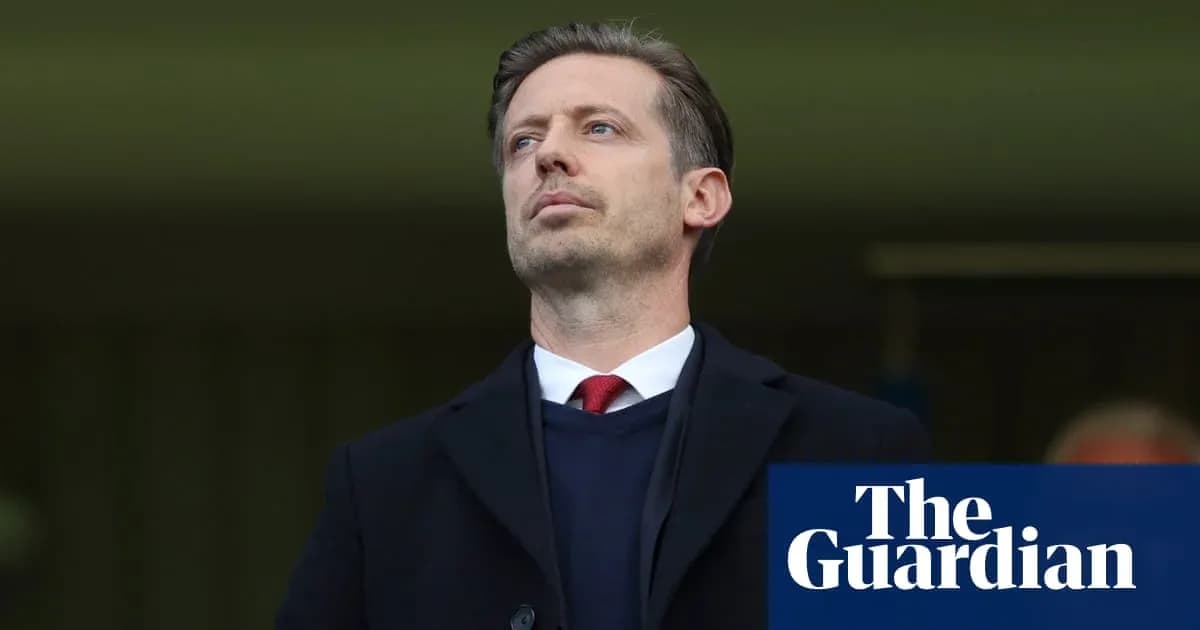
Michael Edwards has stepped away again, and this time it feels like the end of an era not just for Liverpool, but for Fenway Sports Group’s entire football vision.
The architect of Liverpool’s modern rebuild has resigned as FSG’s chief executive of football, a role created specifically for him and now left vacant, perhaps permanently. He informed the ownership group back in autumn 2025 that he would go once he was satisfied the club’s future was mapped out. On Friday, FSG finally confirmed what many inside the game suspected was coming: they wanted him to stay. He chose to walk.
A grand plan that never quite happened
Edwards did not return in March 2024 simply to be “Liverpool’s transfer guy” again. This was bigger. After his first spell as sporting director from 2016 to 2022 – the period that underpinned Jürgen Klopp’s Champions League and Premier League triumphs – he came back with a broader mandate and a new title: FSG’s chief executive of football.
The job description was clear. Build beyond Anfield. Turn FSG from single-club owners into serious multi-club players. Identify and secure a second team, develop strategic partnerships, and create an integrated football structure with Liverpool at its core.
That vision never left the planning stage.
FSG explored options, including Getafe and Bordeaux. Meetings were held, models drawn up, scenarios tested. But no deal ever felt right. The ownership group cooled on the idea and quietly shelved the multi-club project last year. They may revisit it down the line, but the momentum that brought Edwards back had gone.
Once that decision landed, his position shifted. The role existed because of that broader project. Without it, the logic of his job – and his presence – began to unravel. With a year left on his contract, Edwards chose to go. Because it was his decision, he is not expected to receive a payoff. FSG, for their part, may not even look for a like-for-like replacement. There is no obvious template to fill; they built the role around him.
Edwards walks away on his terms
In a measured farewell, Edwards stressed both privilege and closure.
“It has been a privilege to return to Fenway Sports Group and Liverpool Football Club at such an important moment,” he said. “I leave believing Liverpool is in a strong position, with outstanding people, a clear direction and the foundations in place for continued success.”
He also pointed directly at the abandoned expansion plan that had tempted him back.
“When I returned, I was excited not only by the opportunity to help guide Liverpool through an important period of transition, but also by the chance to help shape FSG’s wider football ambitions. While that broader project ultimately evolved differently to how we had originally envisaged, I am proud of the work our team undertook in presenting ownership with a broad range of thoughtful and well-developed options for the future.”
The message is unmistakable: the project changed, he did not.
Transfers steady, hierarchy anything but
On the pitch and in the market, Liverpool insist the summer will continue as planned. The club’s transfer operations sit with sporting director Richard Hughes, and the framework for this window is already in place. Targets are identified, budget lines agreed, negotiations under way.
But stability in recruitment does not mask the turbulence upstairs.
Hughes, whose contract runs to 2027, has been heavily linked with a lucrative offer from Al-Hilal in the Saudi Pro League. His position is now under scrutiny as much as anyone’s. He has already made one seismic call in tandem with Edwards: sacking Arne Slot and appointing Andoni Iraola as head coach. That decision underlined the authority of the new leadership structure. It may also prove to be one of Hughes’s last major acts.
There is a growing expectation that he could depart once the summer window closes. If that happens, Liverpool would lose, in quick succession, the man who designed their overarching football project and the director currently steering their recruitment.
Gordon steps back into the spotlight
Into that vacuum steps a familiar figure. FSG president Mike Gordon is expected to take on a more hands-on role in the absence of Edwards, just as he did during key phases of the Klopp era. Gordon has long been the ownership’s main football voice, the bridge between Boston and Merseyside.
He paid a pointed tribute to Edwards, underlining both his impact and the significance of his return.
“Throughout both periods he has consistently demonstrated exceptional judgment, integrity and an unwavering commitment to building a strong football organisation for the long term,” Gordon said. “His return to the organisation saw Liverpool successfully navigate a significant period of transition before securing the club’s historic 20th English league title, an achievement to which Michael made an important contribution. While we are naturally disappointed to see him leave, we will always be grateful for everything he has given.”
That 20th title – the long-awaited step beyond Manchester United – stands as a defining line in Liverpool’s modern history. Edwards had a hand in both eras that built it: the first as sporting director, the second as the strategic mind guiding the post-Klopp transition.
Now he exits again, leaving Liverpool with a strong squad, a clear head coach, and a transfer plan in motion, but a leadership structure in flux. FSG must decide what kind of football operation it wants to be without the man it once built that operation around.
Related News
Anthony Joshua Names Murat Gassiev as Next Opponent if He Defeats Tyson Fury
UFC 332: Start Time and Fight Highlights for Natalia Silva vs. Wang Cong
Court McGee Opens Up About Choosing UFC 332 as His Final MMA Fight
WBC Orders Lightweight Title Unification: William Zepeda vs Jadier Herrera
BCCI Pension List: Monthly Payments to Retired Indian Cricketers in 2025
Why Fury vs Joshua Is Set for Cardiff, and Dua Lipa’s Unexpected Role