
Monterey Bay Edges Sporting JAX 2–1 in USL Championship Clash
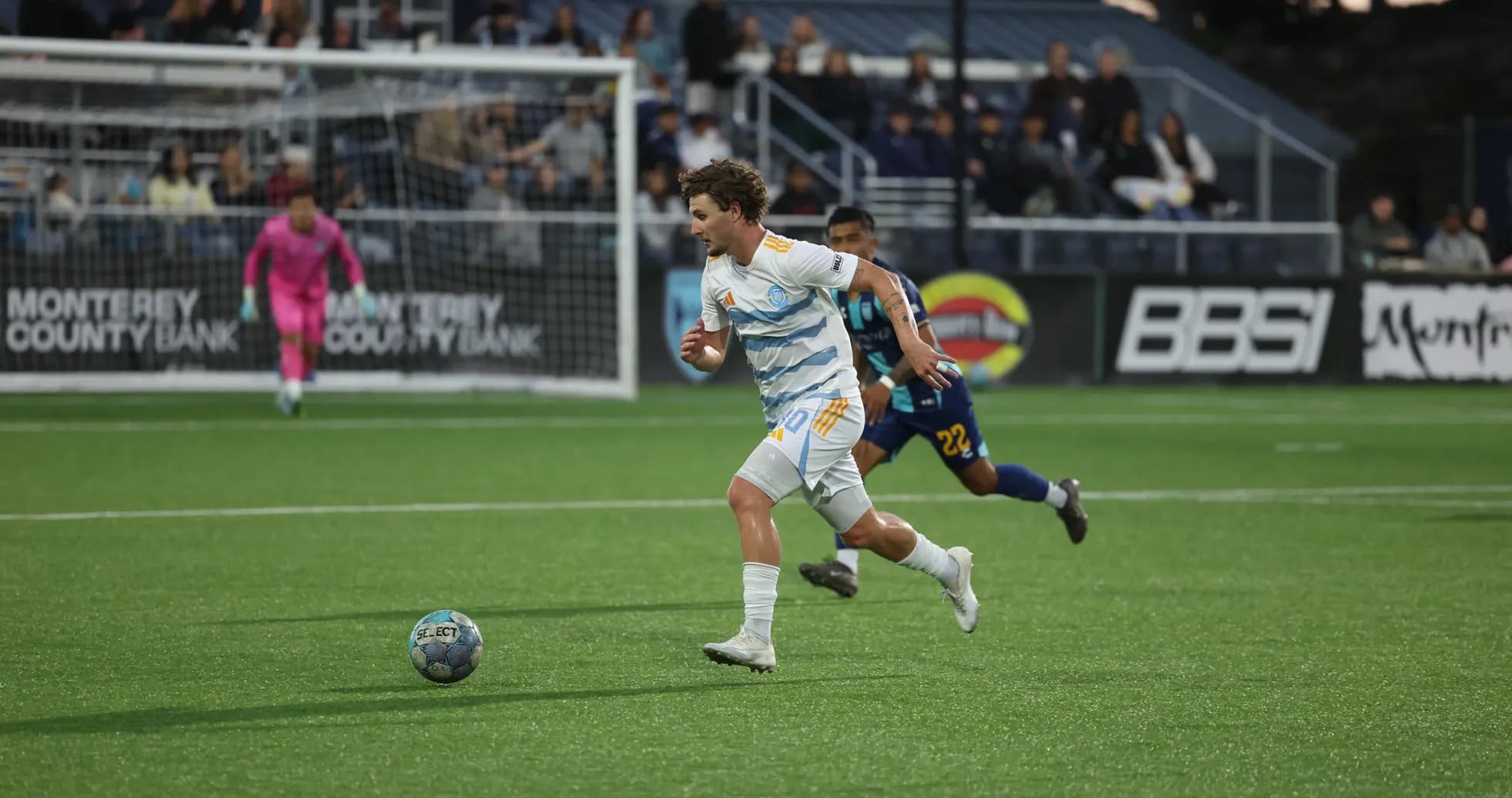
On a cool night at Cardinale Stadium, Monterey Bay and Sporting JAX met as two sides trying to redefine their seasons rather than simply survive them. The USL Championship group-stage fixture finished 2–1 to the hosts, a narrow scoreline that echoed the fine margins separating 12th from 13th in the USL 1 group table.
Heading into this game, the numbers painted a stark contrast in how these teams lived with their flaws. Monterey Bay’s overall record across 12 matches stood at 3 wins, 2 draws and 7 defeats, with 13 goals for and 20 against. That -7 goal difference reflected a side that leaked chances but had begun to find a sharper edge at home: in total this campaign at Cardinale Stadium they had scored 9 and conceded 8, averaging 1.3 goals for and 1.1 against at home. Sporting JAX, by comparison, were still chasing their first win of the season. Overall they had drawn 3 and lost 9, scoring 13 and conceding 28; the -15 goal difference was a brutal summary of a team conceding an average of 2.3 goals per match while scoring only 1.1.
Yet the story on the pitch was more nuanced than one struggling side overpowering another. Monterey Bay’s starting XI, shaped by coach Alex Covelo, looked like a group built to grind and then spring. J. Jackson, wearing 98, anchored them from the back, with the defensive line marshalled by N. Gordon and Z. Farnsworth alongside the industrious J. Garcia and O. Glasgow. Ahead of them, the spine of R. Nakamura and N. Ross offered ballast, while S. Lletget and I. Paul were tasked with knitting play into the final third. Up front, the pairing of C. Nadje and R. Bidois hinted at a direct, penalty-box focused threat.
Sporting JAX, still without a permanent imprint from the touchline with no coach listed, leaned on experience and industry. C. Olivares took the gloves, shielded by a back line featuring H. Neville, W. Ackwei, A. Gomez and the adventurous E. Rito. In midfield, the double presence of R. Somersall and J. Rossiter suggested a willingness to contest second balls and protect central zones, while T. Rose and R. Pedder offered width and running lanes. In the final third, E. Jaaskelainen and K. Sadlier carried the burden of turning half-chances into lifelines.
The tactical voids in this contest were less about absentees—no missing or questionable players were recorded—and more about structural weaknesses that have haunted both clubs all season. Monterey Bay, for all their improved home form, had failed to score in 4 matches overall and kept just 2 clean sheets, both at home. They remain vulnerable when games stretch, as their total goals against average of 1.7 per match underlines. Sporting JAX’s voids are deeper: they have yet to keep a clean sheet anywhere, have failed to score 5 times, and on their travels have conceded 14 while scoring only 5. The away average of 0.7 goals for versus 2.0 against away speaks to a team that often starts with ambition but unravels as space opens up.
Discipline was always likely to shape the rhythm. Monterey Bay’s yellow-card profile shows a pronounced late-game surge: 28.57% of their cautions come between 61–75 minutes and 25.71% between 76–90. That pattern suggests a side that increasingly defends deeper and more desperately as fatigue sets in, inviting pressure and risk. Their single red card in total this campaign arrived in the 61–75 window, underlining how fragile those phases can be. Sporting JAX, meanwhile, scatter their yellows more evenly but still spike late, with 29.03% of their bookings in the 76–90 range. Crucially, they have already seen 2 red cards overall, split between 16–30 and 76–90, hinting at a tendency to lose composure both when chasing and when hanging on.
Within that context, the “Hunter vs Shield” duel was less about one talismanic scorer—no top scorers data is available—and more about collective patterns. Monterey Bay’s attack at home averages 1.3 goals; Sporting JAX’s defence away concedes 2.0. The math pointed towards the hosts finding multiple scoring moments if they could sustain pressure. Conversely, Sporting JAX’s away attack, at 0.7 goals per game, was always likely to need set pieces, transitions or penalties to break through. They have converted all 3 penalties they have been awarded in total this season, but their broader attacking structure remains blunt.
In midfield, the “Engine Room” confrontation was embodied by Monterey Bay’s pairing of Nakamura and Ross against Somersall and Rossiter. Monterey Bay’s overall average of 1.1 goals for and 1.7 against suggests they often play without full control of territory, relying on that central duo to break play and release Lletget and Paul into pockets. Sporting JAX, conceding 2.8 goals at home and 2.0 away, show that their screen has struggled to protect a back line already under siege. Rossiter’s role as an enforcer is essential, but the numbers imply he and Somersall are often overrun rather than dictating terms.
Following this result, the 2–1 scoreline felt almost pre-written by the season’s data. Monterey Bay leaned into their identity: imperfect but resilient at Cardinale Stadium, capable of scoring twice while still allowing their opponent a foothold. Sporting JAX once again lived their statistical fate—competitive enough to score, too porous to see it through.
Without explicit xG figures, the statistical prognosis still leans heavily towards Monterey Bay having created the higher-quality chances, in line with their stronger home averages and Sporting JAX’s chronic defensive record. The hosts’ ability to reach 2 goals fits the profile of an attack that, while not prolific overall, becomes more incisive on their own turf. Sporting JAX’s single goal aligns with their away average and underscores a recurring theme: they are rarely out of games, but almost never in control of them.
In narrative terms, this was less a shock than a confirmation. Monterey Bay, perched 12th, behaved like a side beginning to harden at home. Sporting JAX, 13th and still winless, showed flashes of resistance but remained statistically and structurally what they have been all season: a team that must first learn how to stop conceding before it can dream of climbing the table.
Related News
San Antonio's Tactical Edge Secures 2–1 Victory Over Colorado Springs

Charleston Battery Dominates Loudoun United 4–1 in Statement Win

Miami FC vs Orange County SC: USL Championship Clash Highlights
Colorado Springs vs San Antonio: USL Championship Group Stage Preview

Charleston Battery vs Loudoun United: Match Preview
Miami FC vs Orange County SC Match Preview