
Morocco vs France: A World Cup Quarterfinal of Hope and Heartbreak
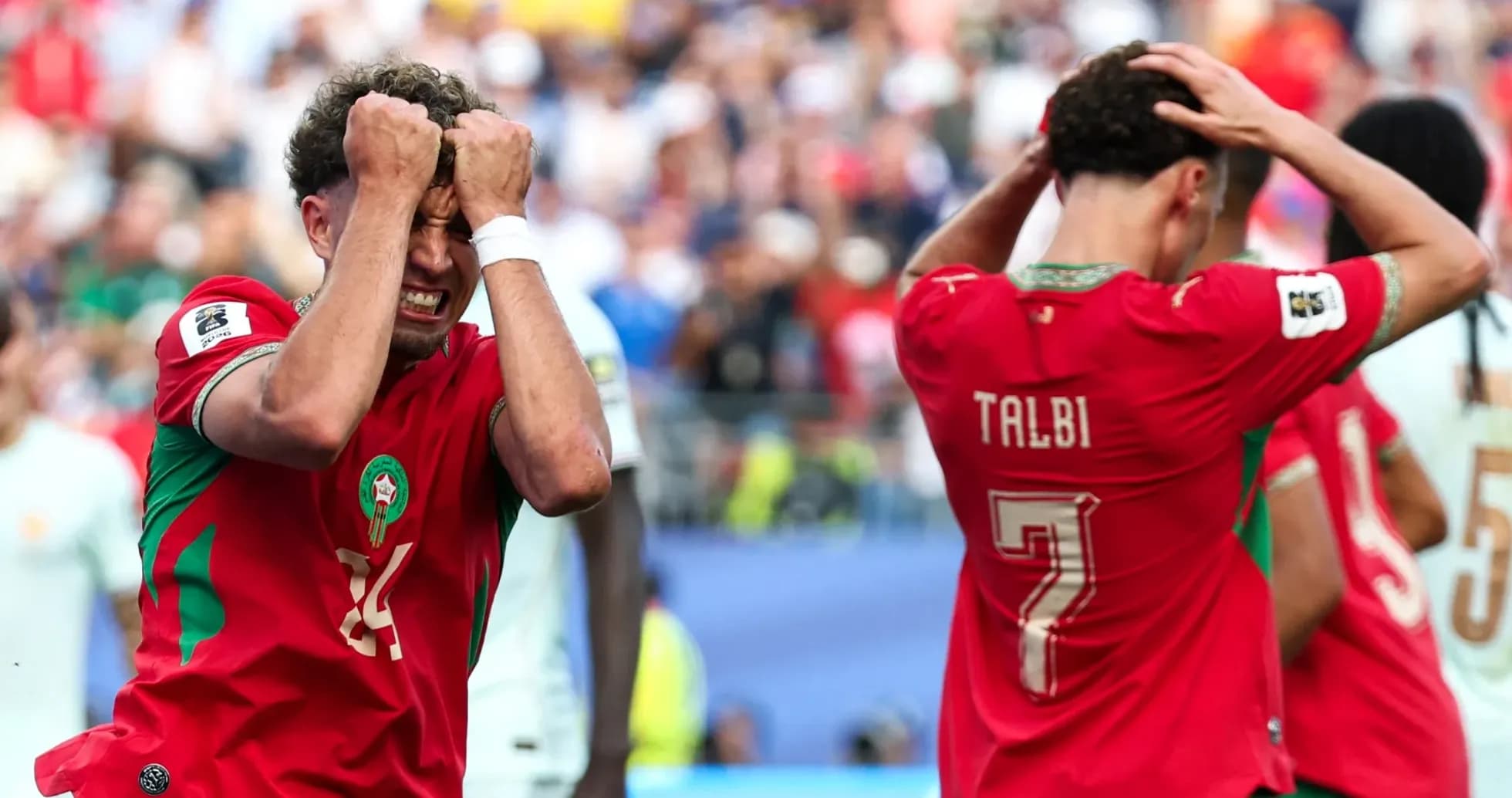
Boston, United States – By the final whistle, some Morocco fans were doing something they never imagined in 2022: signing up, at least in spirit, for the Kylian Mbappe fan club.
He had just ended their World Cup again.
One blistering strike. One moment of vision six minutes later. A 2-0 win for France. And in the stands, Moroccan supporters who had travelled with revenge in their hearts found themselves saluting what one of them simply called “an unstoppable force”.
“France are an unstoppable force because not only do they start with 11 very good players on the pitch, but they also boast one of the best bench strengths in the tournament,” said Yaseen Maroufi, shoulders slumped, as he shuffled away from the stadium in the scorching Boston heat. “France are the team to beat, and it’s very hard to beat them at the moment.”
They had known this was possible. They came anyway.
A quarterfinal built on memory and heat
This first quarterfinal of the 2026 World Cup was never just another knockout tie. It was a rerun of a wound.
Two years ago, in Qatar, Morocco’s dream run had ended against France in the semifinals. That defeat lingered. It travelled with them across the Atlantic, into an East Coast cauldron where the temperature matched the tension.
Revenge coloured everything. Moroccan fans spoke of “evening the score”, of a young team ready to step out of the shadow of 2022, of a new coach who had restored belief. Their hopes rested on three fragile pillars: youthful legs, tactical clarity and the wish that, just for one afternoon, Mbappe might misfire.
For half an hour, that wish felt alive.
Bounou’s save and a flicker of belief
On 29 minutes, the script seemed to tilt their way. Penalty to France. Mbappe over the ball. The Moroccan end braced for impact.
Then chaos. Players jostled on the edge of the box. The ball was moved, replaced, adjusted. The delay stretched. Mbappe paused, hesitated, and struck with a softness that betrayed the moment. Yassine Bounou, the hero of Morocco’s 2022 run, guessed right and smothered the effort.
The Moroccan end exploded. For them, this was more than a save; it was a sign. Mbappe, the tormentor-in-chief, looked human. The French captain turned away, expression flat, the chance gone.
The miss summed up a first half played on eggshells. Both sides probed, but neither fully committed. Attacks broke down before they could become avalanches. Midfields snapped into tackles, then recycled the ball sideways. Each team seemed terrified of leaving the back door open.
Morocco, shaped by the memory of how ruthlessly France can punish a mistake, refused to overextend. France, aware of the energy and emotion Morocco carry into these fixtures, played with the caution of champions who know they have more time, more gears.
Morocco push up – and pay the price
Half-time changed the mood. Morocco emerged with a different posture. The fear loosened.
They were first to threaten after the break, finally driving into the French half with conviction. Their only effort on target forced a save, a reminder that the Atlas Lions still had teeth.
That ambition carried a cost.
As Morocco pushed higher, gaps appeared behind their advancing full-backs. Against most teams, you might survive that. Against France, you invite disaster.
Space opened on the left. Mbappe saw it, smelled it, attacked it. Suddenly he was gliding past defenders, no longer shackled by the tight lines that had frustrated him earlier. The game’s rhythm snapped in France’s favour.
On the hour, the inevitable arrived. Mbappe carved his way in from the left, the move unfolding with the brutal simplicity that defines the very best forwards. One touch to create the angle, another to punish it. His eighth goal of this World Cup, another cold entry in Morocco’s book of regrets.
The Moroccan end sagged. The French end roared. The contest, once balanced on a knife-edge, tilted sharply blue.
Mbappe the finisher, Mbappe the creator
Morocco had barely regained their shape when Mbappe struck again, this time with his vision rather than his finishing.
With Morocco stretched and chasing, he drifted into space, drew defenders and slipped the ball into the path of Ousmane Dembele. The winger, enjoying his own prolific tournament, did the rest, scoring his fifth of the competition.
In that moment, France wrote a small piece of World Cup history: the only team ever to have two players score five or more goals in the same edition of the tournament.
The scoreboard read 2-0. The emotional scoreline felt heavier.
Mbappe kept tormenting Morocco’s back line, spinning and darting, drawing markers into dizzying circles. The damage on the scoreboard did not grow, but the psychological toll did. With each French attack, Morocco’s attempts to respond grew more laboured, more desperate.
The Atlas Lions had roared in the first half. By the final 20 minutes, they were chasing shadows.
From “Dima Maghreb” to silence
For a while, the stadium had belonged to Morocco. “Dima Maghreb” rolled around the stands, a wall of sound that drowned out everything else. Drums, flags, voices hoarse from two tournaments’ worth of emotion.
Then the second goal went in, and the chant began to die.
Silence crept in from the corners. Flags dropped to shoulders. The red end of the stadium, so alive before kick-off, now watched in grim acceptance as the clock ticked down on another French lesson.
Only then did the “Allez les Bleus” chants really cut through. French fans, out-sung for much of the afternoon, finally let themselves believe that this young, ruthless team might not just win this World Cup, but build an era.
“It was wonderful to watch all this French talent,” said Claude Beyanoun, a French American supporter who had brought his son Zach to witness what might be the start of a dynasty.
On the opposite side, Moroccan fans filed out slowly, replaying the same scoreline they had endured in 2022. Same opponent. Same margin. Same hollow feeling.
Hurt now, belief later
Yet even in defeat, there was a stubborn thread of optimism.
“We didn’t win this one, but we’ll win the next World Cup at home,” said Hamza, a Morocco supporter who offered only his first name, already looking towards 2030, when Morocco will cohost the tournament.
The pain was obvious. The resolve was, too.
“We must carry on after the loss. This is football. This is life.”
France march on with a forward who bends games to his will and a squad that looks deeper than anyone else’s. Morocco go home with another scar, another reminder of how far the very top still is.
The question now is simple: when the World Cup finally lands on Moroccan soil in 2030, will this generation be ready to turn all this hurt into something unforgettable?
Related News
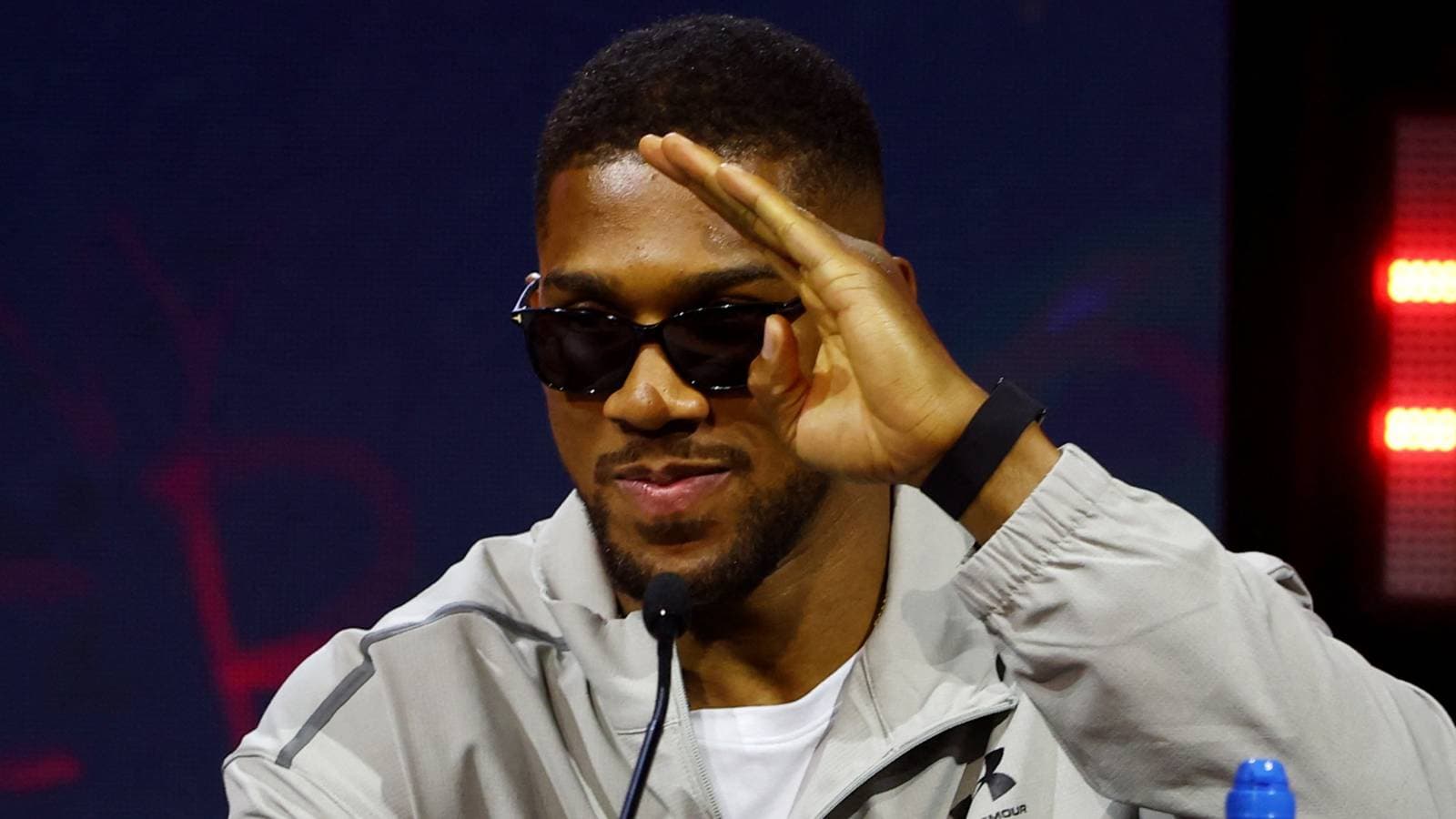
Anthony Joshua Names Murat Gassiev as Next Opponent if He Defeats Tyson Fury

UFC 332: Start Time and Fight Highlights for Natalia Silva vs. Wang Cong
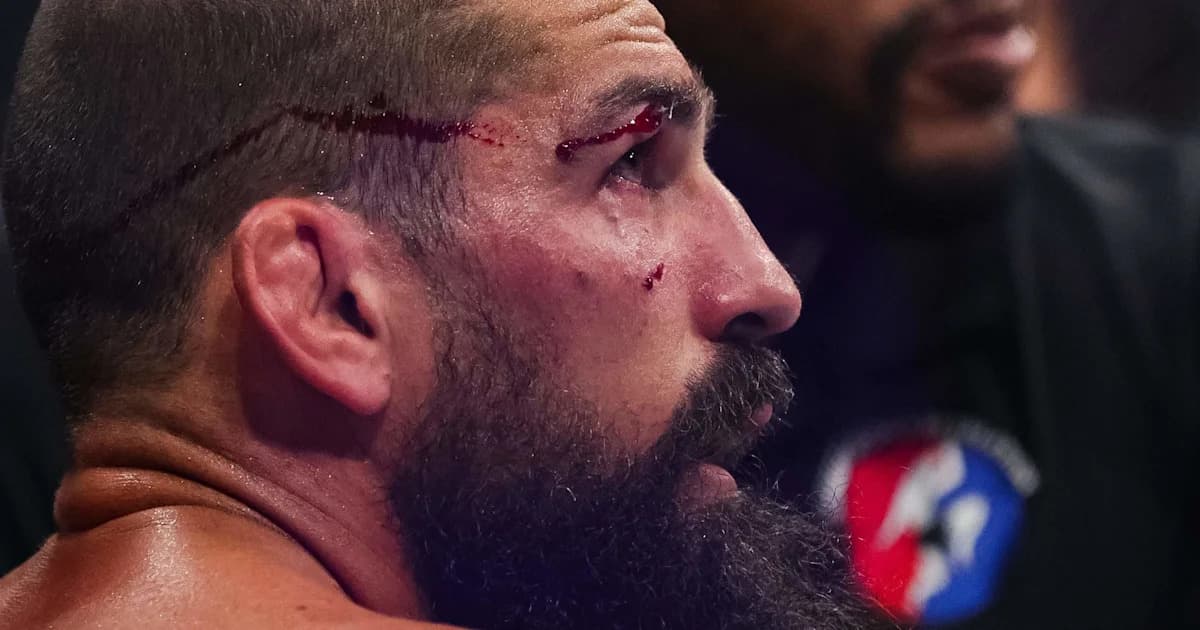
Court McGee Opens Up About Choosing UFC 332 as His Final MMA Fight
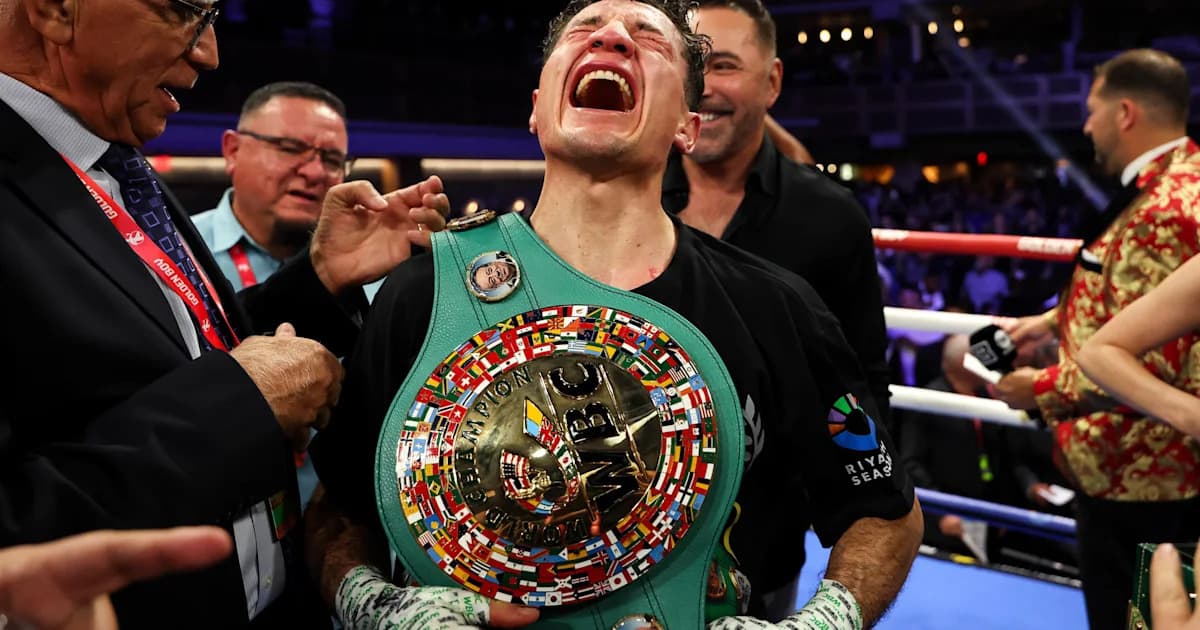
WBC Orders Lightweight Title Unification: William Zepeda vs Jadier Herrera
BCCI Pension List: Monthly Payments to Retired Indian Cricketers in 2025
Why Fury vs Joshua Is Set for Cardiff, and Dua Lipa’s Unexpected Role