
Morocco Stuns Netherlands in World Cup Penalty Shootout
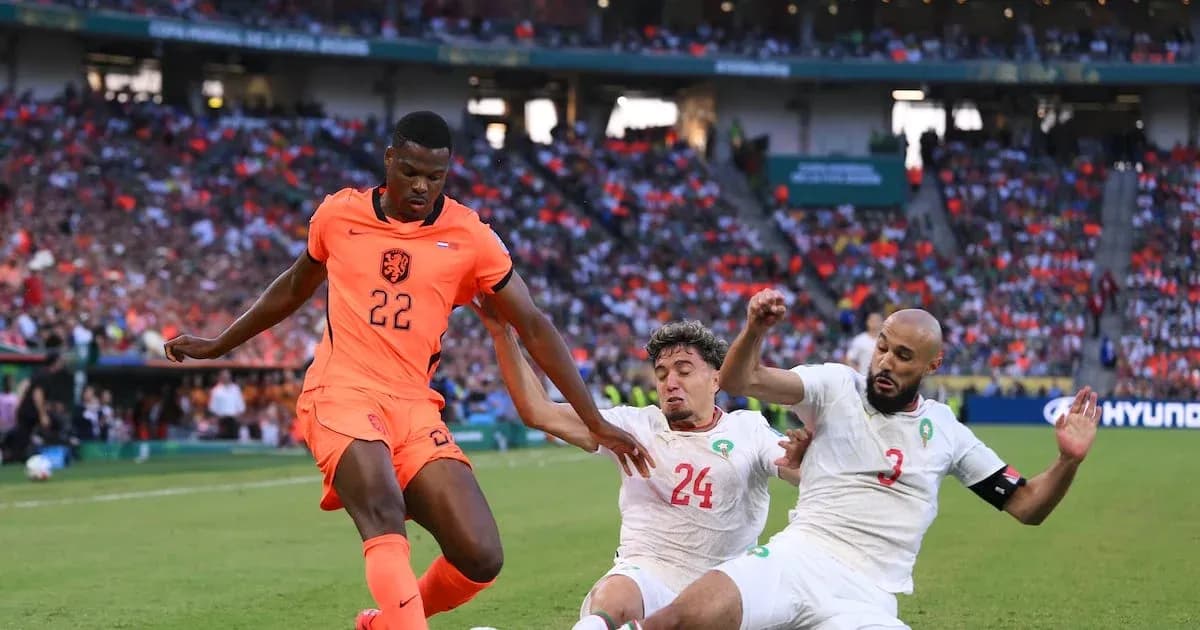
The moment Ismael Saibari broke free, half of Morocco’s bench seemed to sprint with him. When the final penalty hit the net, they caught up, collided, and disappeared into a tangle of limbs and screams, a pile of green, red and pure disbelief. Somewhere at the bottom, Saibari lay buried under the weight of a nation that suddenly dares to dream of another deep World Cup run.
On the other side of the pitch, Cody Gakpo stood with a very different weight on his shoulders.
Gakpo’s goal, and a grief that wouldn’t let go
This game should have belonged to him. In the 72nd minute, with the Netherlands second-best and clinging on, Wout Weghorst flicked on a long clearance, Crysencio Summerville scrambled it across, and Gakpo did the rest. One touch, then a ruthless finish. A striker’s goal, the kind that usually writes itself into knockout folklore.
The reaction told a different story. Orange shirts flooded the pitch, substitutes and staff sprinting towards him. This was not just celebration. It was protection.
Gakpo had chosen to play after the announcement that he and his partner had lost their unborn son. When the ball hit the net, he didn’t race away to the corner flag. He walked, almost dazed, back towards the centre circle, eyes wet, finger pointing to the sky. Denzel Dumfries wrapped his arms around him and held on.
In another version of this night, that goal stands as the winner, the narrative neat and redemptive, football packaged as healing. But the game rarely honours scripts like that. It has its own, often brutal, sense of timing.
Koeman’s gamble, Morocco’s control
Ronald Koeman will wake up knowing his decisions will be pulled apart. The Netherlands had breezed through the group with goals – seven against Sweden and Japan, three more in a dead rubber against Tunisia. No side scored more. Yet when the stakes rose, the instinct was not to lean into that firepower, but to retreat from it.
Out went the familiar 4-3-3. Out went Tijjani Reijnders from midfield. In came a back five and a safety-first plan built to “keep things tight” against a Morocco side Koeman rightly rated a level above his previous opponents.
The cost was obvious. The predicted end-to-end spectacle never materialised. Morocco monopolised the ball, finishing with around 70 per cent possession, while the Dutch sat deep and waited for something to break their way.
For long stretches, they barely laid a glove. Bart Verbruggen had to rescue them early, saving acrobatically from Neil El Aynaoui and then Achraf Hakimi. Micky van de Ven finally tested Yassine Bounou with a thunderous effort before the break, but it was a rare moment of Dutch threat in a half dominated by Moroccan probing and niggle.
The game simmered from the start. Jan Paul van Hecke ended the first period with his head bandaged after a third collision. Tackles bit. Tempers pricked. In the stands, the mood had its own edge. Local fans gleefully reminded the Dutch of that infamous penalty against Mexico 12 years to the day, jeering every early touch in orange and throwing their voices behind Morocco’s ranks.
Hakimi, quiet by his standards in the first half, began to prise open Koeman’s roadblock after the interval with sharp underlapping runs, one of which needed a crunching last-ditch tackle from Van de Ven to stop him. Morocco controlled the tempo, if not quite the final ball.
Then came the twist: a drinks break that changed everything.
Hydration break, hammer blow
Midway through the second half, with Morocco in charge and the Dutch pinned back, play stopped for a Fifa hydration pause. It felt innocuous. It wasn’t.
Koeman used the lull to roll out his battering ram. Brian Brobbey, ineffective and isolated, came off. On came Weghorst, the man built for chaos.
Within seconds, the plan paid off. Verbruggen went long, Weghorst rose and flicked on, Summerville darted through and hooked the ball across as he was challenged. It fell to Gakpo. One swing, one goal, one explosion of emotion.
For a while, it looked like Koeman had outlasted the storm. The Netherlands absorbed pressure, leaned into their rope-a-dope, and seemed ready to drag this tie into the kind of grim, attritional win that had taken them to the 2010 final.
But football has a long memory for risk-averse managers. Sit that deep for that long, and something usually gives.
Diop’s late strike, and a Dutch collapse
As the clock ticked into added time, Morocco refused to accept the script. They pushed, probed, and finally, in the first minute of stoppage time, found their moment.
Chemsdine Talbi, off the bench and full of intent, cut onto his right on the flank and shaped a cross of real quality. The ball arced towards the back post, where Issa Diop rose and powered a header past Verbruggen. A defender’s goal, full of conviction and timing, and a finish that ripped the air out of Dutch lungs.
Morocco had what their performance deserved. The Netherlands’ despair was instant and visible. They had been minutes away from vindication for Koeman’s caution. Instead, they were dragged into extra time with their belief punctured.
The additional 30 minutes never truly caught fire. Legs tired, minds tightened. Verbruggen produced one outstanding save to deny Soufiane Rahimi, flying to keep the game alive, but neither side found the clarity to settle it from open play.
It would come down to penalties. It usually does when the margins have been this thin.
Penalties, inches and a trailing heel
From 12 yards, nerve and detail take over. Both teams blinked early, each missing once, and the shootout crept into that tense, fragile middle ground where every kick feels terminal.
Then came the moment Koeman would later call a sliding-doors instant. Verbruggen guessed right on Rahimi’s effort, reached it, and seemed to have made the save. The ball struck him, dropped, and then, agonisingly, spun in off his trailing heel. Inches between hero and heartbreak.
Quinten Timber then dragged his kick horribly wide, a miss that hung in the air. Hakimi, usually so cold from the spot, smacked his effort against the post to keep the Dutch alive a fraction longer. But the balance had tilted.
Bounou stood tall. Saibari stepped up. One clean strike later, Morocco had their 3-2 shootout win, their players had their human pile of joy, and the Netherlands had another night of World Cup regret to add to a long, painful catalogue.
Canada now await Morocco, a door suddenly open for Africa’s standard-bearers on a day when Europe’s powers stumbled. The question is no longer whether that run in Qatar was a one-off. It’s how far this fearless, battle-hardened side can go this time.
Related News
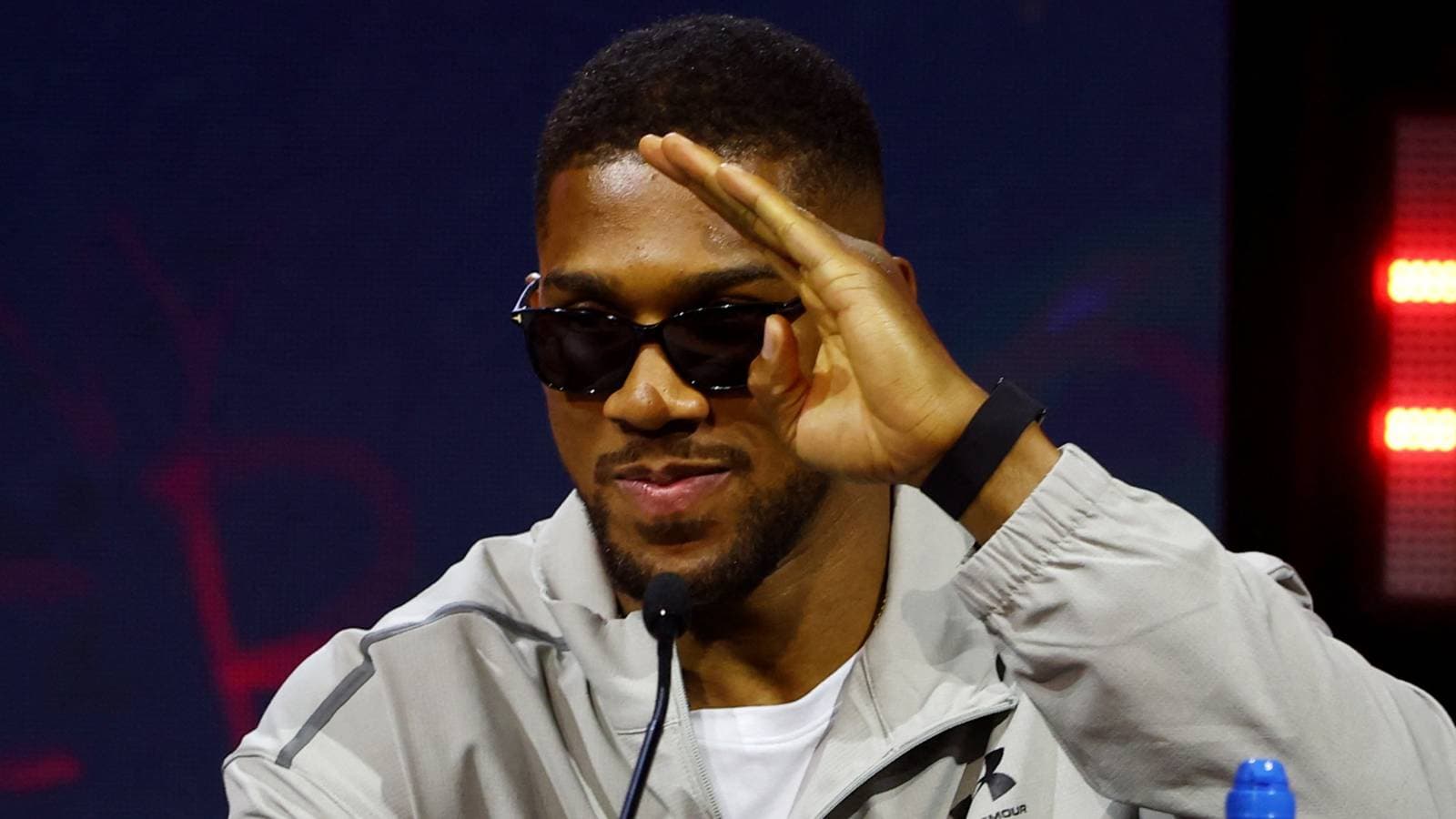
Anthony Joshua Names Murat Gassiev as Next Opponent if He Defeats Tyson Fury

UFC 332: Start Time and Fight Highlights for Natalia Silva vs. Wang Cong
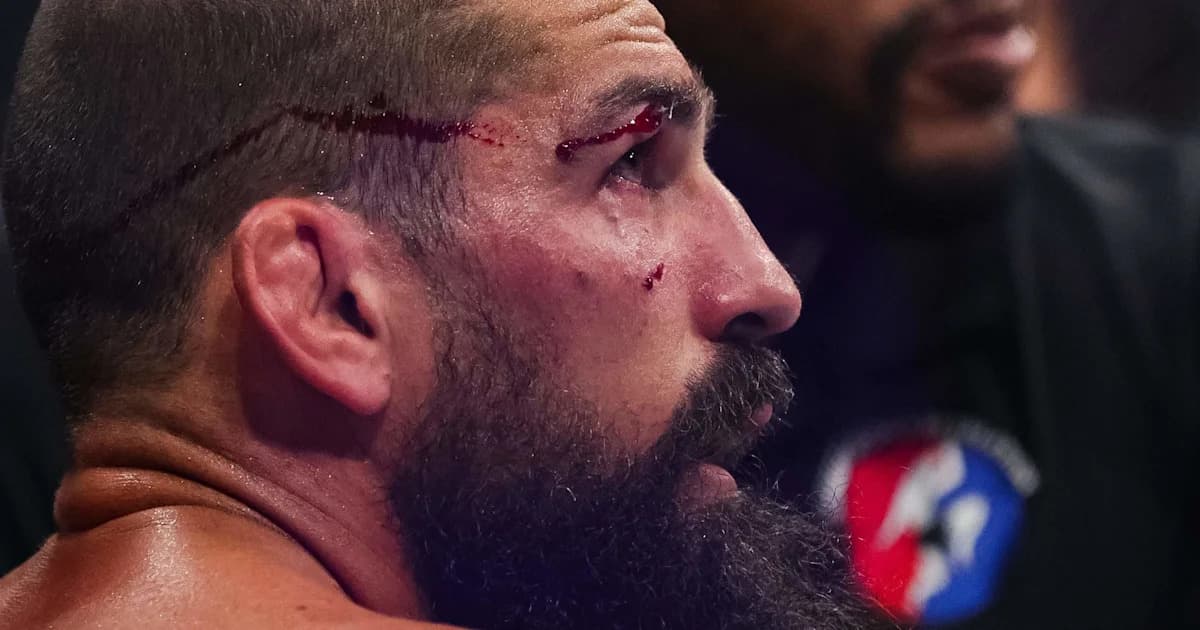
Court McGee Opens Up About Choosing UFC 332 as His Final MMA Fight
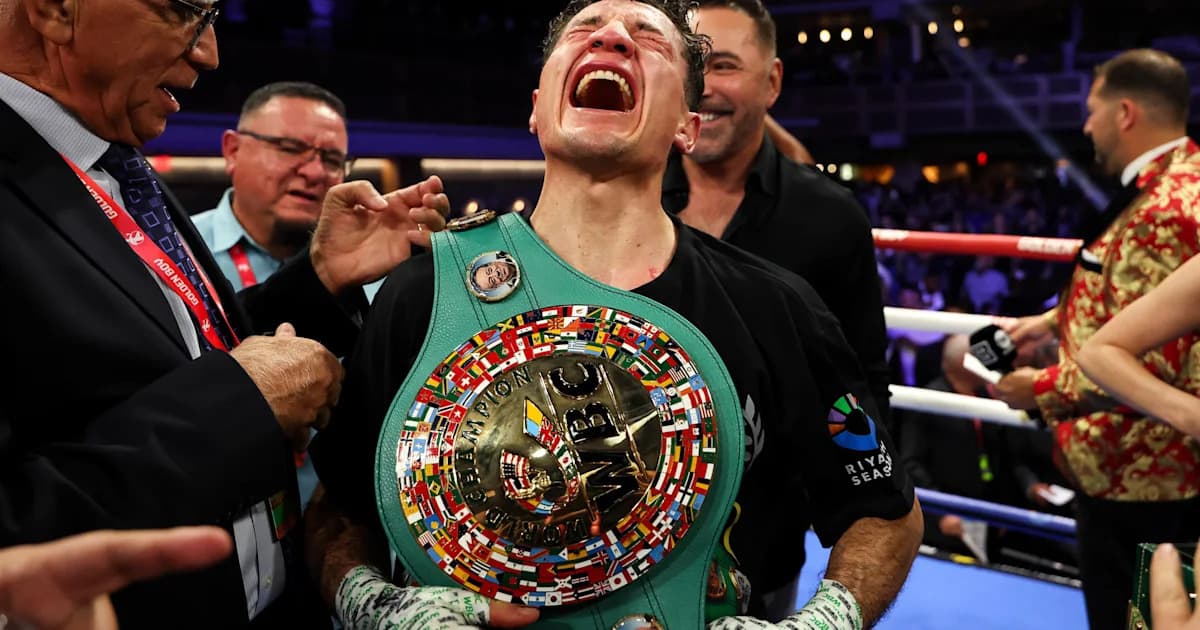
WBC Orders Lightweight Title Unification: William Zepeda vs Jadier Herrera
BCCI Pension List: Monthly Payments to Retired Indian Cricketers in 2025

Why Fury vs Joshua Is Set for Cardiff, and Dua Lipa’s Unexpected Role