
Netherlands vs Germany: Gakpo's Late Strike Saves Xavi as Klopp's Germany Draws in Tactical Battle
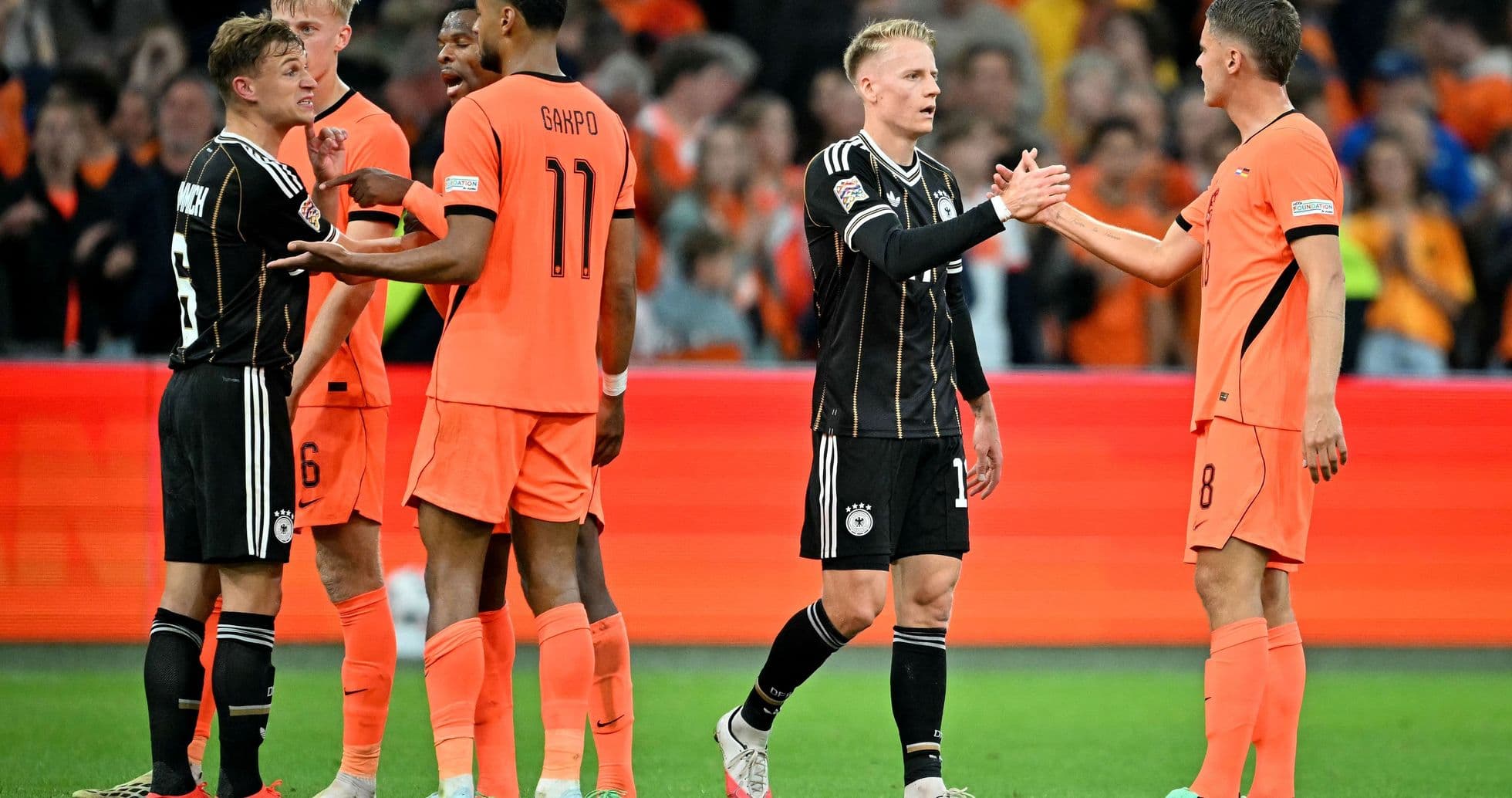
The Johan Cruijff Arena hosted a gripping contest where Xavi Hernández and Jürgen Klopp both took their first steps as international managers. The match unfolded with intense tactical battles, as Xavi aimed to restore the possession style for the Netherlands while Klopp introduced his characteristic pressing approach to a German side in transition.
The game split into two contrasting halves. Germany held midfield control for most of the first 60 minutes and took the lead through Felix Nmecha. However, the Dutch mounted relentless pressure late on, culminating in a dramatic equalizer from Cody Gakpo. Although the scoreline ended 1-1 in UEFA Nations League A Group 2, the performances hinted at much work ahead for both managers.
Winners
- Cody Gakpo: The Liverpool forward proved indispensable for the Netherlands by scoring in the second minute of stoppage time, rescuing a point for Xavi’s side. Despite doubts over his consistency at club level, Gakpo remains the core of the Dutch attack. His goal was a perfect example of well-timed positioning and rewarded the Oranje's 55% possession share. This strike not only saved the draw but confirmed Xavi’s strategy of building his frontline around Gakpo’s directness.
- Felix Nmecha: Klopp’s choice of Nmecha was revealing about his tactical vision. Operating in a midfield lacking veterans, Nmecha showcased cerebral control and scored in the 32nd minute with a typical late midfield run. He dictated the tempo against technically skilled Dutch midfielders and seems poised to become a key figure in Klopp’s high-intensity style. His blend of physicality and technical skill fits perfectly with the demands of modern international football.
- Marc-André ter Stegen: Confirmed as Germany’s number one by Klopp before kickoff, Ter Stegen delivered an outstanding performance with eight saves, including several crucial one-on-one stops. His efforts kept Germany ahead for much of the game, denying a Dutch side that racked up nine shots on target and a high expected goals (xG) of 2.65. Ter Stegen demonstrated the bravery and command Klopp demands from his goalkeeper, asserting himself firmly after years behind Manuel Neuer.
Losers
- Jan Paul van Hecke: The Brighton defender had a difficult night, struggling with pace and positioning. He picked up a yellow card early on after being caught out by Kai Havertz’s movement and often left Virgil van Dijk exposed during defensive transitions. His discomfort under Xavi’s requirement for a high defensive line and precise ball-playing raises questions about his future role, especially with plenty of options available to the Dutch coach.
- Kai Havertz: Havertz’s evening was cut short by injury just before the half-hour mark. Before leaving the pitch, he failed to be the focal point Klopp needs, drifting too deep and not managing any shots on target. With Klopp exploring a large pool of players, Havertz’s absence opens the door for others to impress and challenge his status as the main striker.
- Nadiem Amiri: Positioned centrally in Klopp’s 4-2-3-1, Amiri worked hard but lacked the cutting edge. He received a yellow card in the 68th minute and was substituted shortly after as Klopp sought more defensive stability. In a game where Germany struggled for control, Amiri needed to be sharper in transition. His subdued influence may impact his chances of selection once top talents like Florian Wirtz return.
Final Thoughts
The 1-1 draw felt fitting for two teams in flux under new leadership. The Netherlands showed resilience despite midfield injuries, while Germany flashed moments of Klopp’s intense style but could not clinch victory. Both squads appear to be in experimental phases, with many tactical and personnel decisions still unsettled. The result leaves plenty of room for growth as Xavi and Klopp shape their sides for future challenges.
Related News
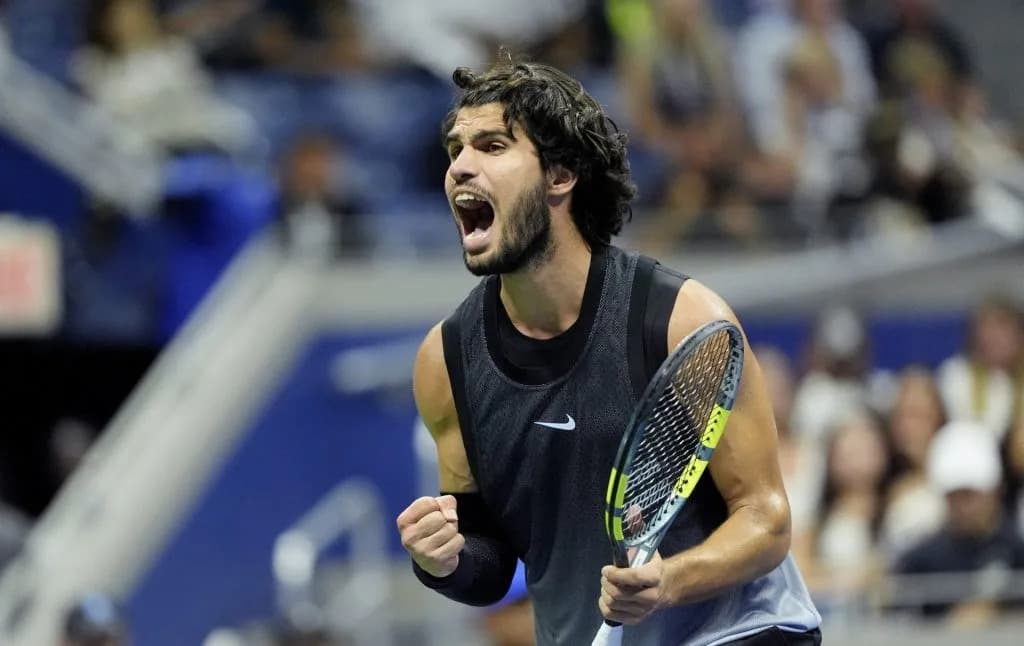
Carlos Alcaraz Urges an End to Matches Ending in the Early Hours
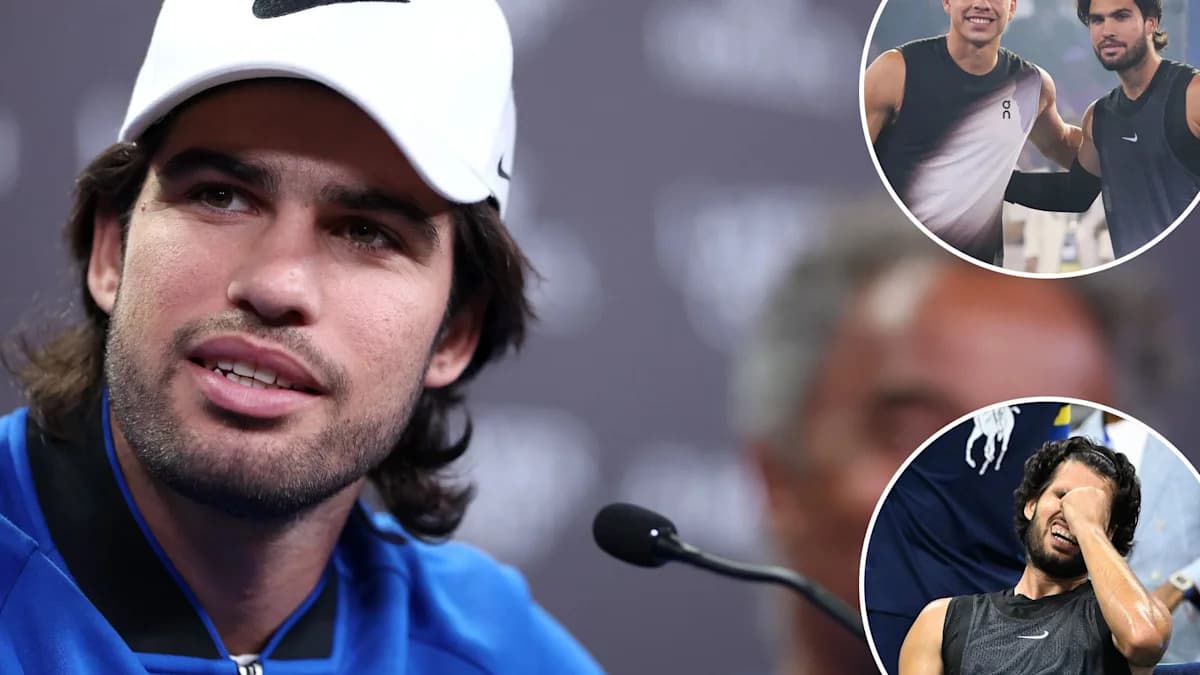
Carlos Alcaraz Criticizes Late US Open Finish After 3:30 a.m. Match
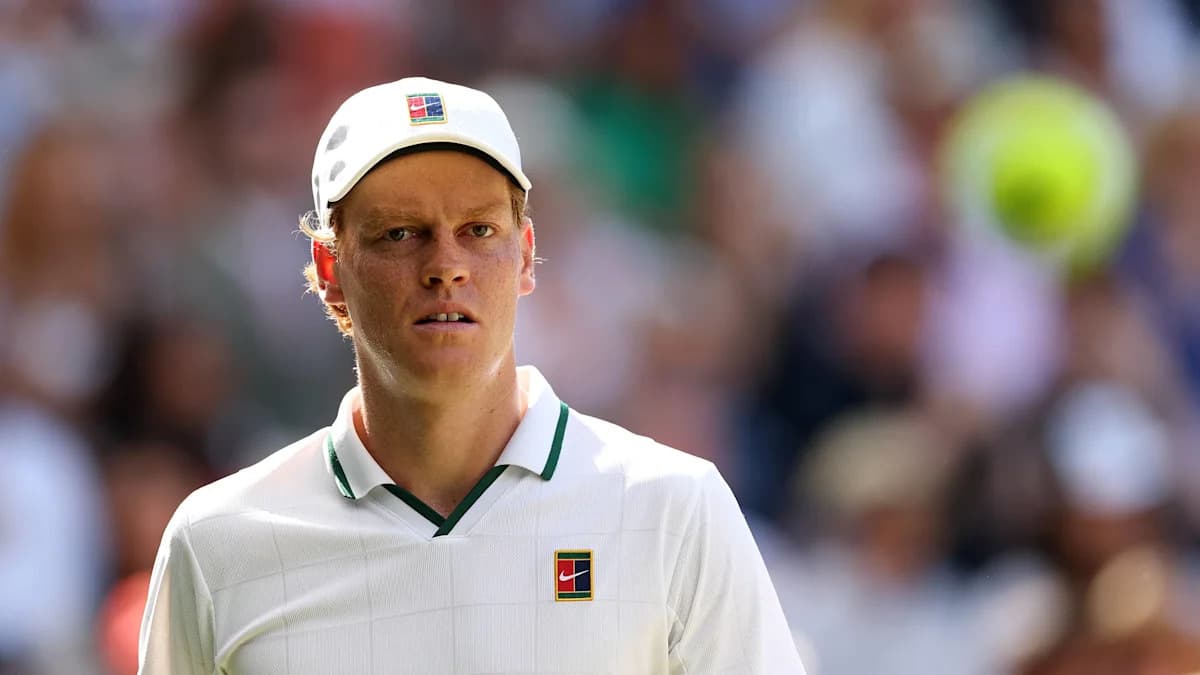
Jannik Sinner Set for ATP 500 Return in Beijing with Novak Djokovic Also Competing
Meet Iva Jovic: The American Tennis Prospect Making Waves
Flavio Cobolli Shares Insights on Practice Session with Jannik Sinner Ahead of Comeback

Till vs Romero: Fight Details, Undercard, and Viewing Info for This Weekend