
North Carolina Courage W Dominates Chicago Red Stars W 4-0

Under the Cary floodlights at WakeMed Soccer Park, North Carolina Courage W turned a routine NWSL Women group-stage date into a statement, dismantling Chicago Red Stars W 4-0 and, in the process, crystallising the tactical identities of both sides.
Following this result, the table tells a story of divergence. North Carolina sit 8th on 12 points with a goal difference of 2, their overall record finely balanced at 3 wins, 3 draws and 3 defeats. Chicago, by contrast, are marooned in 16th on 6 points, their overall goal difference a brutal -18 after scoring just 4 and conceding 22 across 10 matches. One side is flirting with the playoff pack; the other is fighting to stop the slide.
I. The Big Picture – Courage control and Red Stars resistance
North Carolina’s season-long numbers already hinted at a team comfortable in chaos but increasingly sharp in attack. At home they average 2.0 goals for and 1.6 against, with 10 scored and 8 conceded in 5 outings. That attacking edge was on full display in this 4-3-3: a front three of C. Okafor, E. Ijeh and A. Sanchez stretched Chicago’s back line relentlessly, while the midfield trio of M. Matsukubo, S. Koyama and R. Jackson controlled the central channels.
Chicago arrived with a different kind of narrative. On their travels they had not scored a single goal, with 0 goals for and 14 against in 5 away fixtures, an away average of 0.0 goals scored and 2.8 conceded. Martin Sjogren’s choice of a 3-5-2 – with J. Huitema and B. A. Pinto up top – was as much about damage limitation as ambition, trying to crowd midfield and protect A. Naeher behind a trio of K. Hendrich, S. Staab and N. Gomes.
Yet once the Courage found rhythm, the structural contrast became stark: a team accustomed to fluidity in multiple systems – they have used five different formations overall, with 4-3-3 their most common – against a side still searching for a stable identity, having leaned heavily on 4-2-3-1 for 8 of their 10 matches before this switch to a back three.
II. Tactical Voids – Discipline, risk and the shadow of red
Neither side entered this fixture with a published injury list, so the tactical voids were more psychological than physical. For North Carolina, the shadow is disciplinary. Their season card profile shows a clear spike in yellow cards between 46-60 minutes, accounting for 40.00% of their bookings, and a striking late-game red pattern: their only red card has come in the 76-90 minute window, 100.00% of their dismissals. That red belongs to forward A. Schlegel, who again started on the bench here.
It shapes how Mak Lind manages his bench. Schlegel’s profile is revealing: 6 appearances, all from the bench, 98 minutes in total, 3 tackles and notably 2 blocked shots – she is a forward who defends with a defender’s intensity. But that aggression carries risk. In a match that was quickly under control at home, keeping emotional discipline was as important as maintaining attacking tempo.
Chicago’s disciplinary curve is more front-loaded. They take 33.33% of their yellow cards in the 31-45 minute window and another 33.33% between 46-60. That tendency to get stretched and booked either side of half-time dovetails uncomfortably with their defensive fragility away from home, where they concede on average 2.8 goals. Once the Courage began to accelerate their ball circulation in those periods, the Red Stars’ structure frayed.
III. Key Matchups – Hunter vs Shield, Engine Room vs Enforcer
The headline duel was always going to orbit Ashley Sanchez. Officially listed as a forward in this match but statistically the league’s second-ranked attacking contributor from midfield, she embodies the Courage’s hybrid threats. Overall this campaign she has 6 goals and 1 assist in 9 appearances, with 22 shots (13 on target) and 14 key passes. She is both finisher and creator, averaging a rating of 7.46.
The “Hunter vs Shield” question, then, is whether Chicago’s defence could contain that profile. Overall they concede 2.2 goals per match, but the real stress point is on their travels, where their 0 goals scored and 14 conceded underline a side that cannot keep opponents at arm’s length. Hendrich and Staab, flanking Gomes in the back three, were tasked with stepping into wide zones to meet Sanchez when she drifted inside from the flank or dropped between lines. Every time they did, they left space for Okafor and Ijeh to attack the channels.
Behind Sanchez, the “Engine Room” duel pitted North Carolina’s ball-playing spine against Chicago’s central block. R. Williams, nominally a right-back in the 4-3-3, is quietly one of the league’s most influential deep playmakers. With 3 assists, 317 passes at 85% accuracy and 11 key passes overall, she is the Courage’s primary outlet from the back. Her combination play with S. Koyama and M. Matsukubo repeatedly broke Chicago’s first line of pressure.
Chicago’s response centred on J. Grosso and M. Hayashi in the middle of the 3-5-2, supported by A. Farmer. Their remit: disrupt Williams’ early distribution, close Matsukubo’s passing lanes and prevent Sanchez from receiving on the half-turn. But the Red Stars’ season-long inability to control central spaces – they have conceded 22 overall, with only 1 clean sheet – resurfaced. As the match wore on, their midfield line became stretched, leaving Naeher exposed to waves of runners arriving from deep.
IV. Statistical Prognosis – xG story and defensive solidity
We are not given explicit xG values, but the underlying profiles point to a predictable expected goals landscape. At home, North Carolina’s average of 2.0 goals for and 1.6 against suggests that in a typical WakeMed fixture, the xG balance leans in their favour, especially against a side that has failed to score in 5 away matches and has overall failed to score in 8 of 10.
Chicago’s away attack – 0 goals from 5 outings – implies an xG profile that is both low in volume and low in quality. The Courage’s defensive record, with 3 clean sheets overall and only 11 conceded in 9 matches, reinforces the sense of a side that, while not watertight, can compress space effectively once ahead.
Following this result, the narrative hardens: North Carolina Courage W look like a side whose flexible 4-3-3, powered by Sanchez’s end product and Williams’ metronomic distribution, can overwhelm vulnerable visitors. Chicago Red Stars W, meanwhile, leave Cary with their structural weaknesses brutally exposed – a team that, on their travels, are yet to find either a defensive platform or an attacking pulse.
Related News
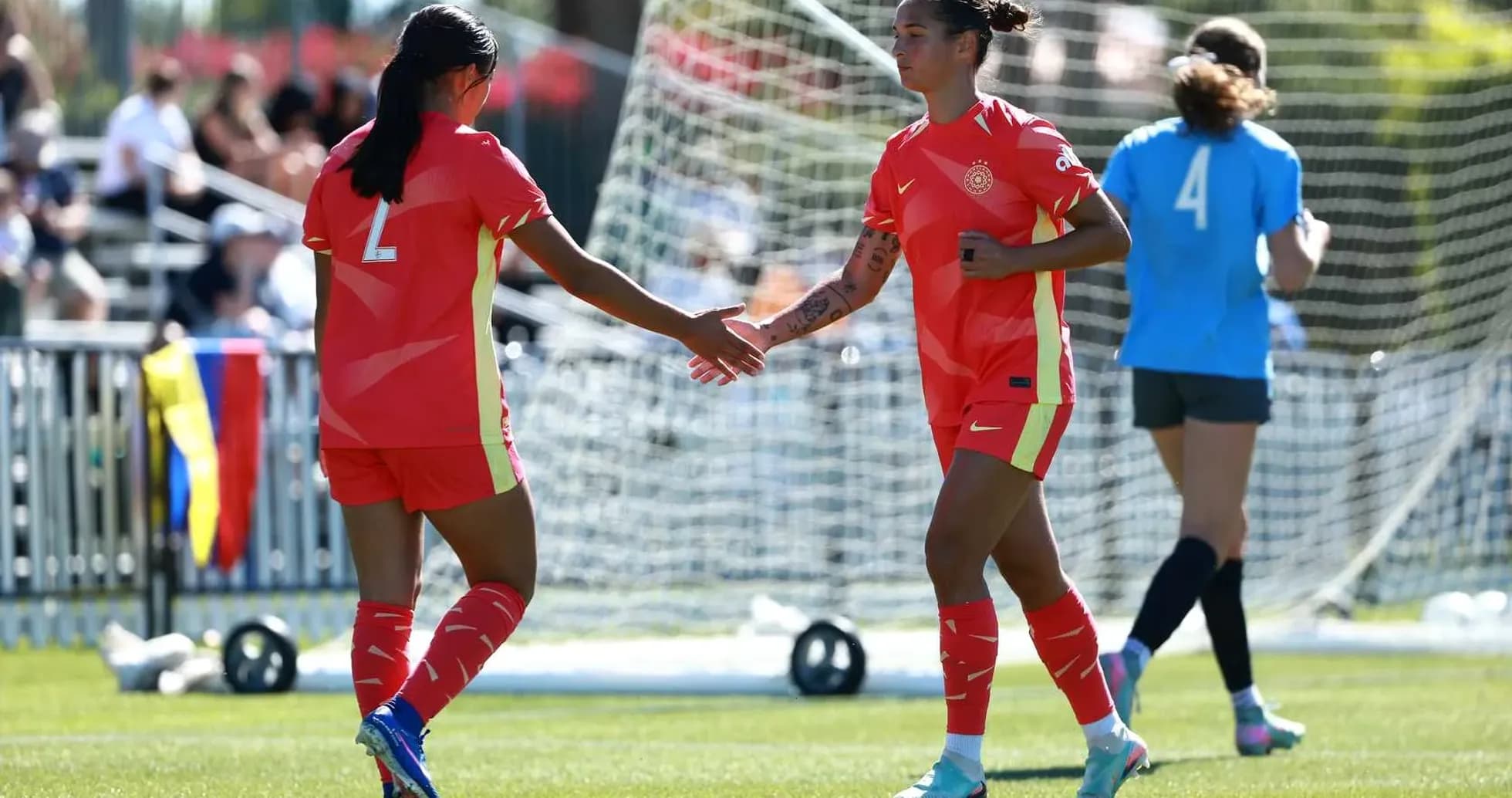
Portland Thorns W vs Houston Dash W: NWSL Women Clash

Kansas City W vs Denver Summit W: NWSL Women Showdown
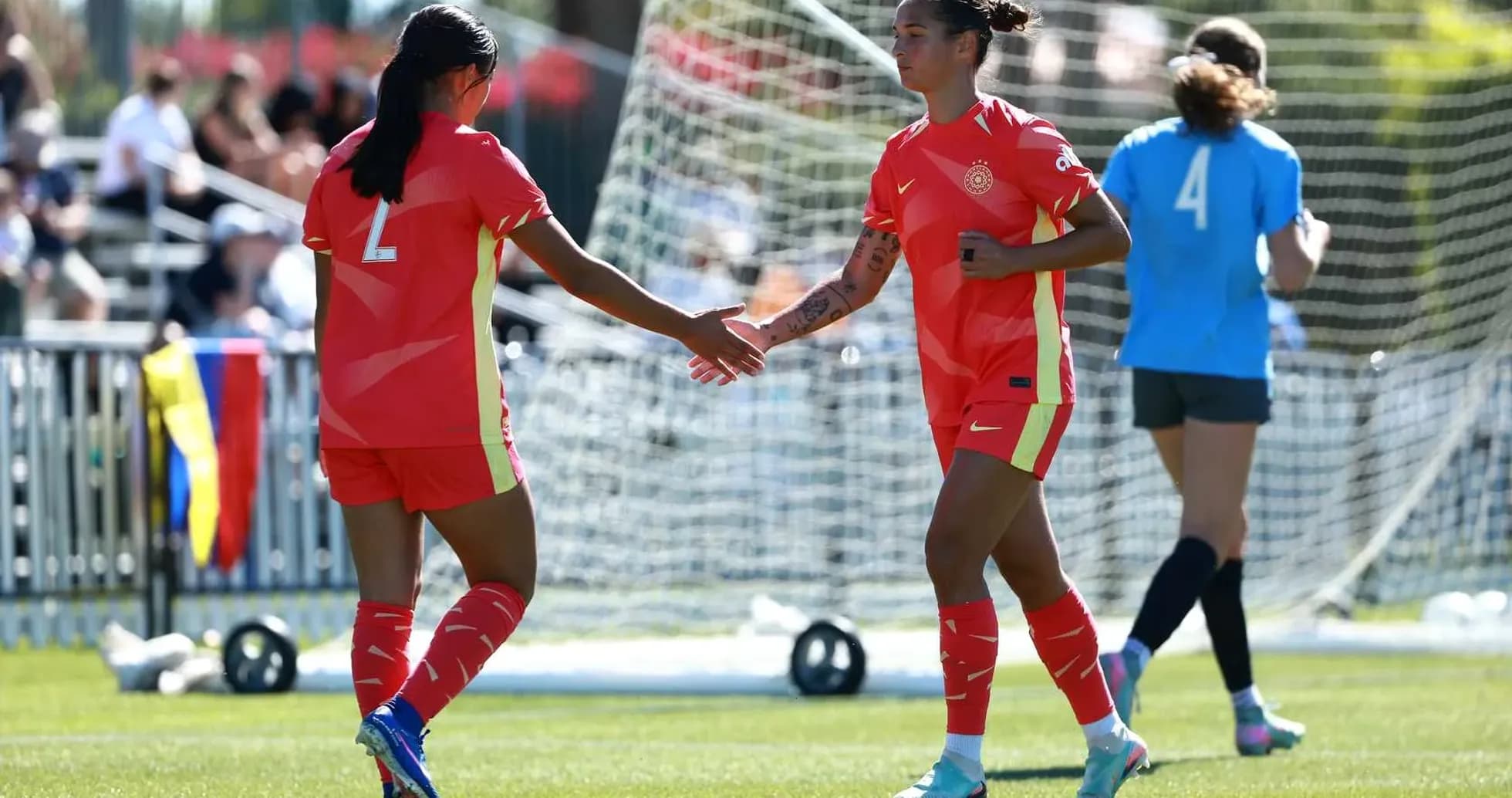
Portland Thorns W vs Houston Dash W Prediction: Key Stats and Tips

Washington Spirit W vs Angel City W Prediction: Key Stats and Betting Tips

Racing Louisville W vs San Diego Wave W Predicted Lineups and Team News

Kansas City W vs Denver Summit W Prediction: Key Stats and Betting Tips