
Paulo Dybala Reflects on His Journey with Roma
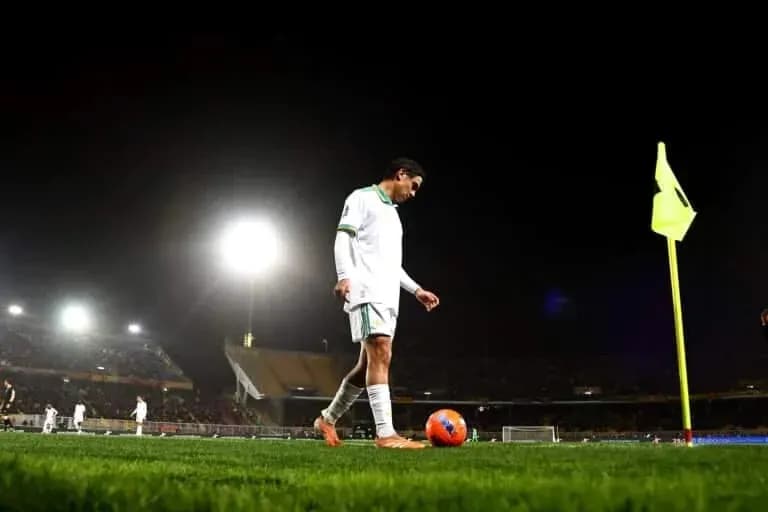
Paulo Dybala doesn’t forget how he landed in Rome, and he certainly hasn’t forgiven what happened in Budapest.
On the verge of signing a new contract with Roma, the Argentine forward opened up in a long-form chat with YouTuber Davoo, relayed by Corriere dello Sport. It turned into a tour through his Roman story: the man who brought him to the capital, the teammate shining on the world stage, and the European final that still stings.
“Mourinho is a genius”
Dybala’s voice still carries clear affection for José Mourinho, the coach who convinced him to swap Turin for Trigoria and who became a kind of civic icon in the capital.
“Mourinho is a genius and a great person. He always spoke to us with respect, he took care of us, he loved us, and in Rome the people fell in love with him for what he gave. Thanks to him, I arrived in the capital.”
It’s a simple line, but it underlines everything: Dybala is at Roma because Mourinho picked up the phone, pushed the club, and made him the centrepiece of a new project. Even after the Portuguese coach’s departure, the bond clearly remains intact in the player’s mind. The praise isn’t tactical or technical. It’s human. Respect, protection, affection — the things that matter in a dressing room that has lived through the turbulence of recent seasons.
Keeping an eye on El Ayanoui
The conversation then shifted to the present, and to a teammate whose profile is rising beyond Serie A. Dybala highlighted El Ayanoui, a Roma colleague and a key figure for Morocco at the World Cup.
“He's having a great World Cup, I'm following him. And at Roma, besides saying he's a strong player, he's also a good guy.”
Short, sharp, and telling. In a squad that has been reshaped repeatedly, players who deliver on the pitch and fit in off it become essential. Dybala’s words frame El Ayanoui as exactly that: reliable in the shirt, grounded away from the cameras. For a Roma side trying to build a spine capable of competing deep into European campaigns, that combination matters.
The scar of Budapest
Then came the part of the interview where Dybala’s tone hardened. The Europa League final against Sevilla is no longer fresh news, but for those who lived it, the pain remains raw. And the name Anthony Taylor still triggers a reaction.
Dybala did not stop at the now-infamous handball incident.
“It's true, the handball was absurd, but that wasn't the only thing that happened during the match. There were several moments when the referee called strange things: he didn't issue any cards, he was very lenient with some Sevilla players. And then that handball would have rewritten the final result if he had awarded the penalty. It really hurt me to lose that final.”
No conspiracy theories, just a cold list of grievances: a penalty not given, cards not shown, a sense that the game slipped away under a refereeing performance that never felt balanced. For a player who thrives on big European nights, that kind of defeat doesn’t fade. It lingers, shapes mentality, fuels the next run.
Dybala’s words capture Roma’s recent European identity in one breath: the emotional bond with Mourinho, the emergence of new leaders like El Ayanoui, and the deep frustration of coming so close to a trophy only to feel it snatched away.
Now, as he prepares to commit his future again to the Giallorossi, the question is obvious: will the next European final end in regret — or in the redemption he so clearly craves?
Related News
Anthony Joshua Names Murat Gassiev as Next Opponent if He Defeats Tyson Fury
UFC 332: Start Time and Fight Highlights for Natalia Silva vs. Wang Cong
Court McGee Opens Up About Choosing UFC 332 as His Final MMA Fight
WBC Orders Lightweight Title Unification: William Zepeda vs Jadier Herrera
BCCI Pension List: Monthly Payments to Retired Indian Cricketers in 2025
Why Fury vs Joshua Is Set for Cardiff, and Dua Lipa’s Unexpected Role