
Portugal Honors Diogo Jota with World Cup Victory Over Croatia
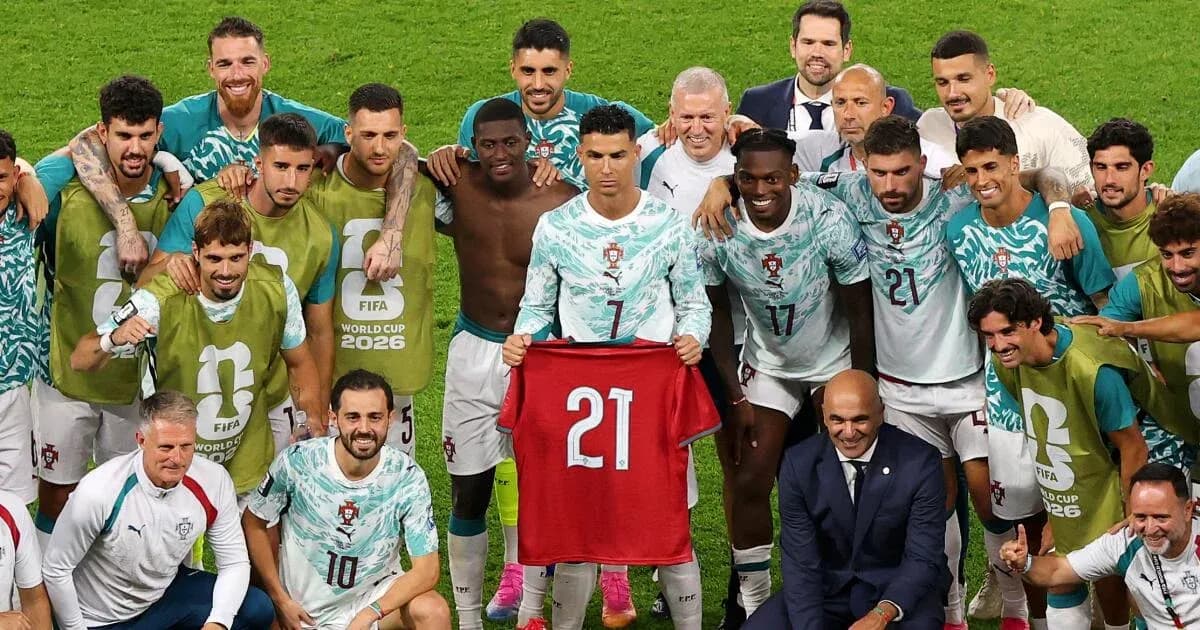
Cristiano Ronaldo stood in the center circle long after the final whistle, the noise still swirling around Toronto Stadium, a red No. 21 shirt clutched to his chest.
Portugal had just survived Croatia 2-1 in a World Cup knockout tie that lurched from tension to chaos in the final minutes. Yet the celebration that followed was not just about survival, or another late Portuguese escape. It was about a teammate who could not be there.
A win wrapped in grief
On the eve of the one-year anniversary of Diogo Jota’s death, Portugal’s players gathered in the middle of the pitch for a team photo. Ronaldo, the captain, stood front and center, face set, holding up Jota’s Portugal jersey. Around him, teammates smiled and shouted, but the shirt drew the eye: red, No. 21, raised to the floodlights.
Then Ronaldo slipped it on.
He walked slowly across the turf, head turning to all four sides of the ground, acknowledging the roar from the stands. The gesture, and the weight of the date, caught up with him. The 41-year-old, who has lived almost every conceivable footballing moment, looked overcome.
“It’s a special day, for our Jota, who is up there illuminating us,” he told Sport TV in Portugal. “We know he’s present with us and it only made sense to win today to honor him in the best way.”
On social media, Ronaldo posted the team photo with a message that underlined the layers of emotion around the night: “We won for ourselves, for Diogo, and for Portugal!!! LET’S GO!!!!”
Ronaldo’s penalty, Ramos’ dagger
The match itself had already felt heavy before a ball was kicked. Jota’s image appeared on the big screen during the national anthem, a reminder of the forward who had worn the shirt almost 50 times for his country, a clinical finisher whose World Cup dream in 2022 had been wrecked by injury.
In the 21st minute, his number came alive again. Pockets of Portugal fans rose to their feet, lifting a banner with Jota’s face and releasing balloons marked with his jersey number. For a moment, the noise softened. Then the game snapped back into focus.
Croatia pushed Portugal to the brink. When the pressure rose and the clock ticked into the final quarter, Ronaldo stepped up. In the 68th minute, he buried a penalty to drag the score to 1-1, a familiar script written by a player who refuses to let big nights pass him by.
The stadium shifted. Portugal surged. And deep into stoppage time, Goncalo Ramos arrived.
Rising in the box, Ramos met a cross with a firm header, guiding the ball into the net for the winner. From the brink of extra time to the edge of delirium, Portugal flipped the narrative in seconds.
The drama still had one more twist. Croatia thought they had forced a final, desperate equalizer, only for the goal to be ruled out for offside just before the whistle. Relief, not just joy, washed over the Portuguese players.
After the chaos, Ramos spoke with the same clarity he showed in the air.
“We think about him every day,” he told Fox Sports, speaking about Jota. “It’s even more special to win this game in this day. And he gives us strength every day and for every game.”
A year on from tragedy
Just after midnight on July 3, 2025, Jota and his brother, André Silva, died in a single-car crash near Zamora, Spain. Jota was 28. Silva was 25. The news stunned Portugal and Liverpool, and rippled far beyond those two dressing rooms.
Jota had built a reputation as a ruthless finisher, both for his country and for Liverpool FC. For the national team, he came close to 50 caps, a reliable presence in attack, unlucky to see the 2022 World Cup from the sidelines because of injury. For Liverpool, he scored 65 goals in 182 appearances, a relentless, sharp-edged forward whose movement and edge made him a fan favorite at Anfield.
On Wednesday, Liverpool added another layer to his legacy. At Anfield, the club unveiled a memorial to “Jota and Silva,” a permanent tribute on the ground where he made his name in English football. Sculptor Emma Rodgers designed the monument, named “Forever 20” in honor of Jota’s Liverpool shirt number.
The club’s message the following day captured the scale of the loss and the reach of the brothers’ lives.
“Today, as every day, we remember Diogo Jota and André Silva, who tragically passed away one year ago,” Liverpool wrote on X. “Through immeasurable loss and incalculable pain, the impact they made and the legacies they left behind — not only within the footballing world, but in the hearts and minds of so many around the world — has shone through over the last 12 months.
“All of our love, support, thoughts and prayers continue to be with Diogo and André’s families, friends and all those whose lives were touched by them. Forever in our hearts, forever our number 20.”
Football’s cruel calendar
World Cups do not pause for grief. Fixtures arrive, stadiums fill, anthems play. Yet on nights like this, the sport bends, briefly, to the memory of those missing.
Portugal advanced, carried again by Ronaldo’s relentlessness and Ramos’ timing, but the story that lingered was the red 21 shirt held aloft in the center of the pitch, and the sense that every run, every tackle, every roar from the stands carried an extra name.
For this team, and for the supporters who rose in the 21st minute and let the balloons drift into the night sky, the journey from here will be measured not only in wins and losses, but in how long they can keep playing as if Jota is still running alongside them.
Related News
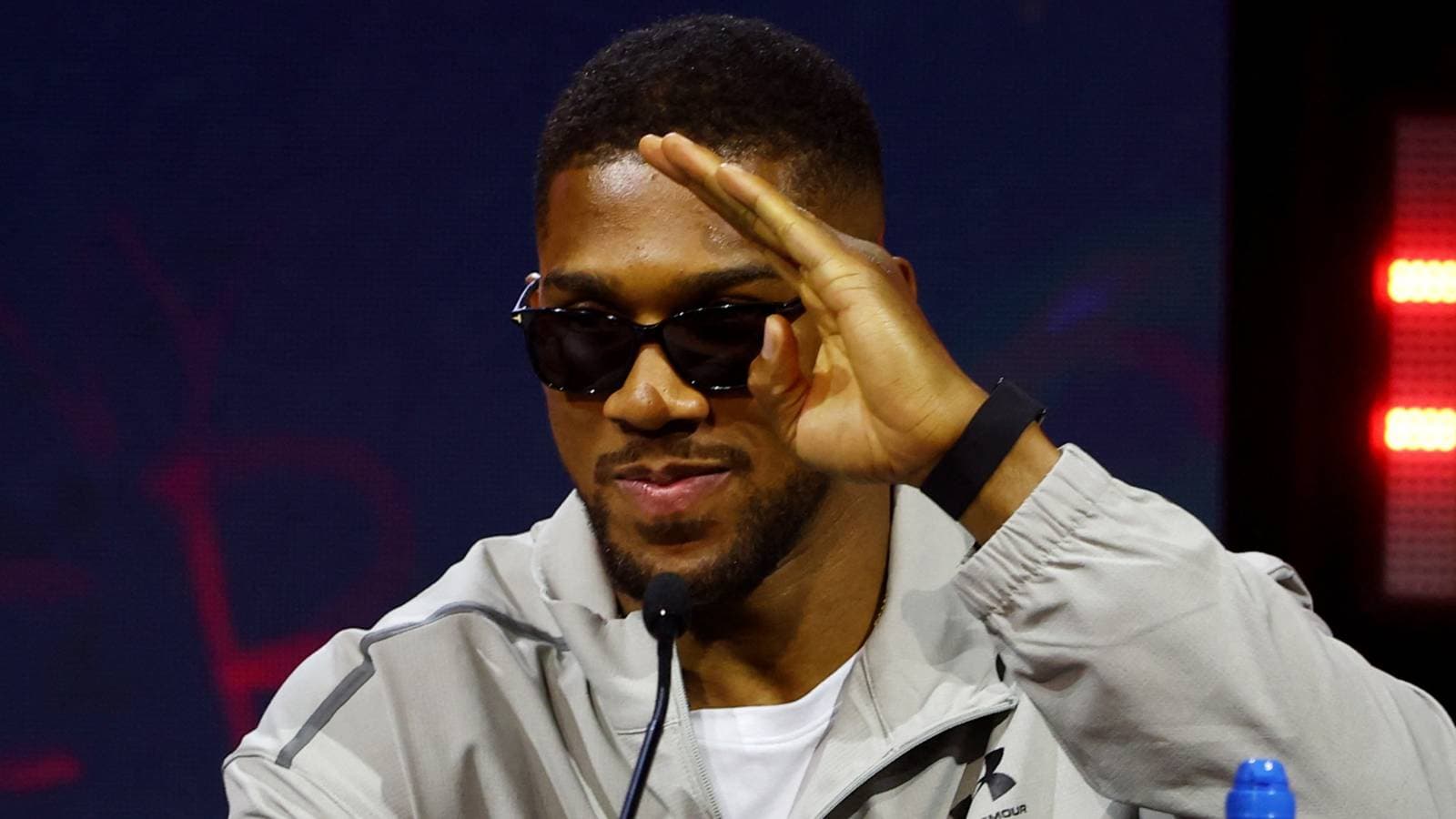
Anthony Joshua Names Murat Gassiev as Next Opponent if He Defeats Tyson Fury

UFC 332: Start Time and Fight Highlights for Natalia Silva vs. Wang Cong
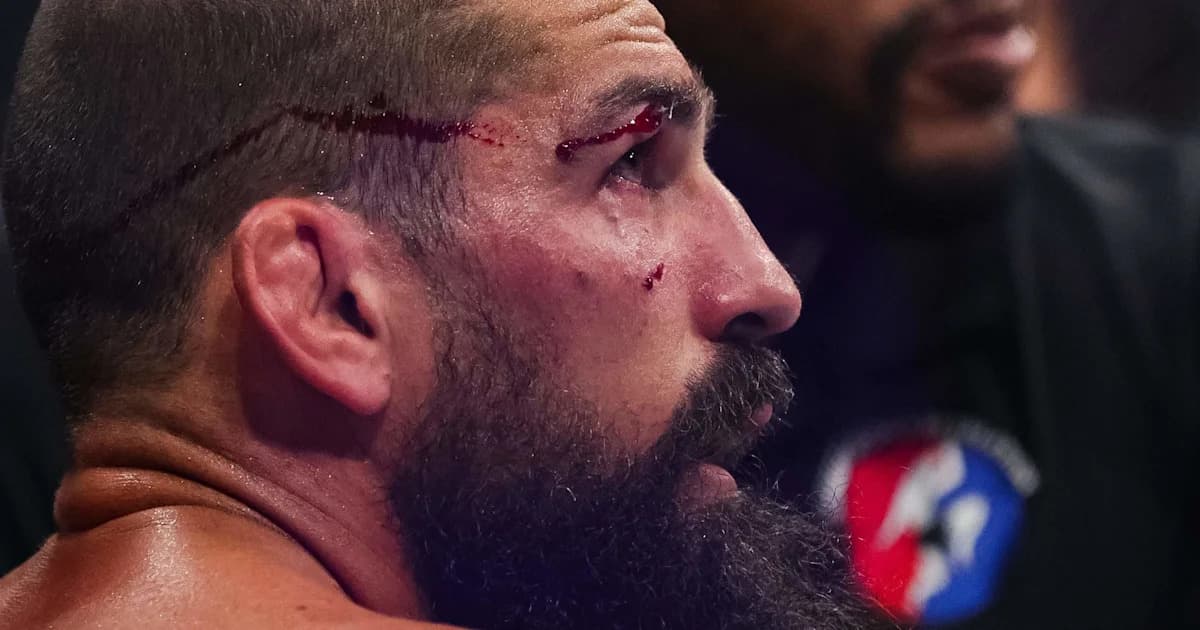
Court McGee Opens Up About Choosing UFC 332 as His Final MMA Fight
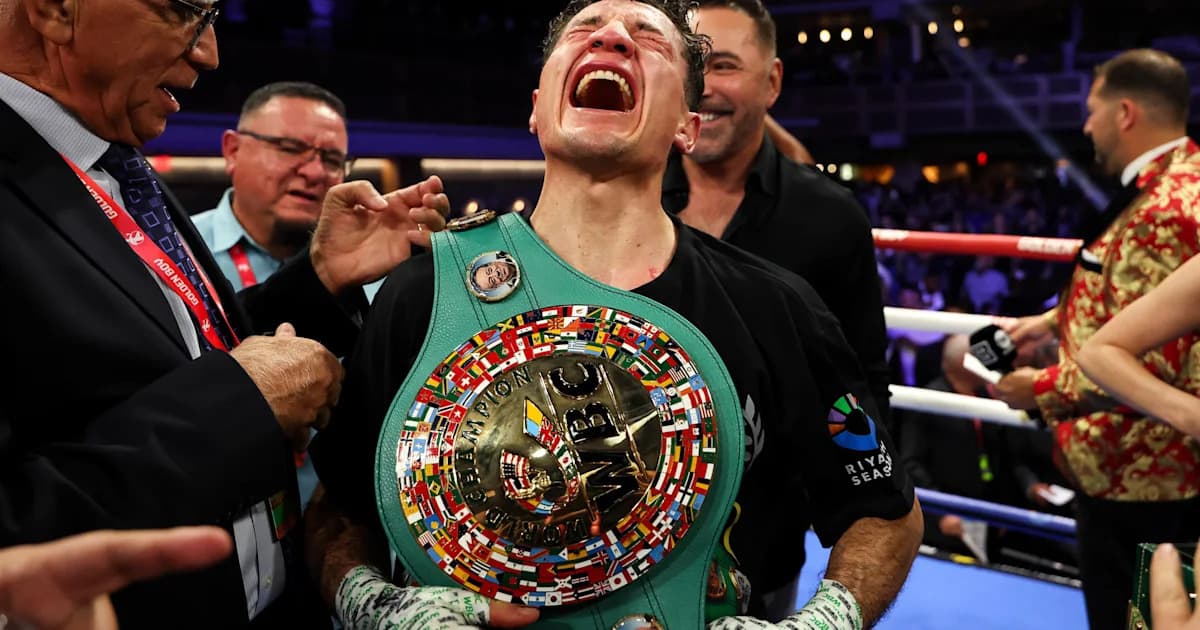
WBC Orders Lightweight Title Unification: William Zepeda vs Jadier Herrera
BCCI Pension List: Monthly Payments to Retired Indian Cricketers in 2025
Why Fury vs Joshua Is Set for Cardiff, and Dua Lipa’s Unexpected Role