
RB Leipzig's Resurgence Under Marco Werner: A Season of Rebuilding
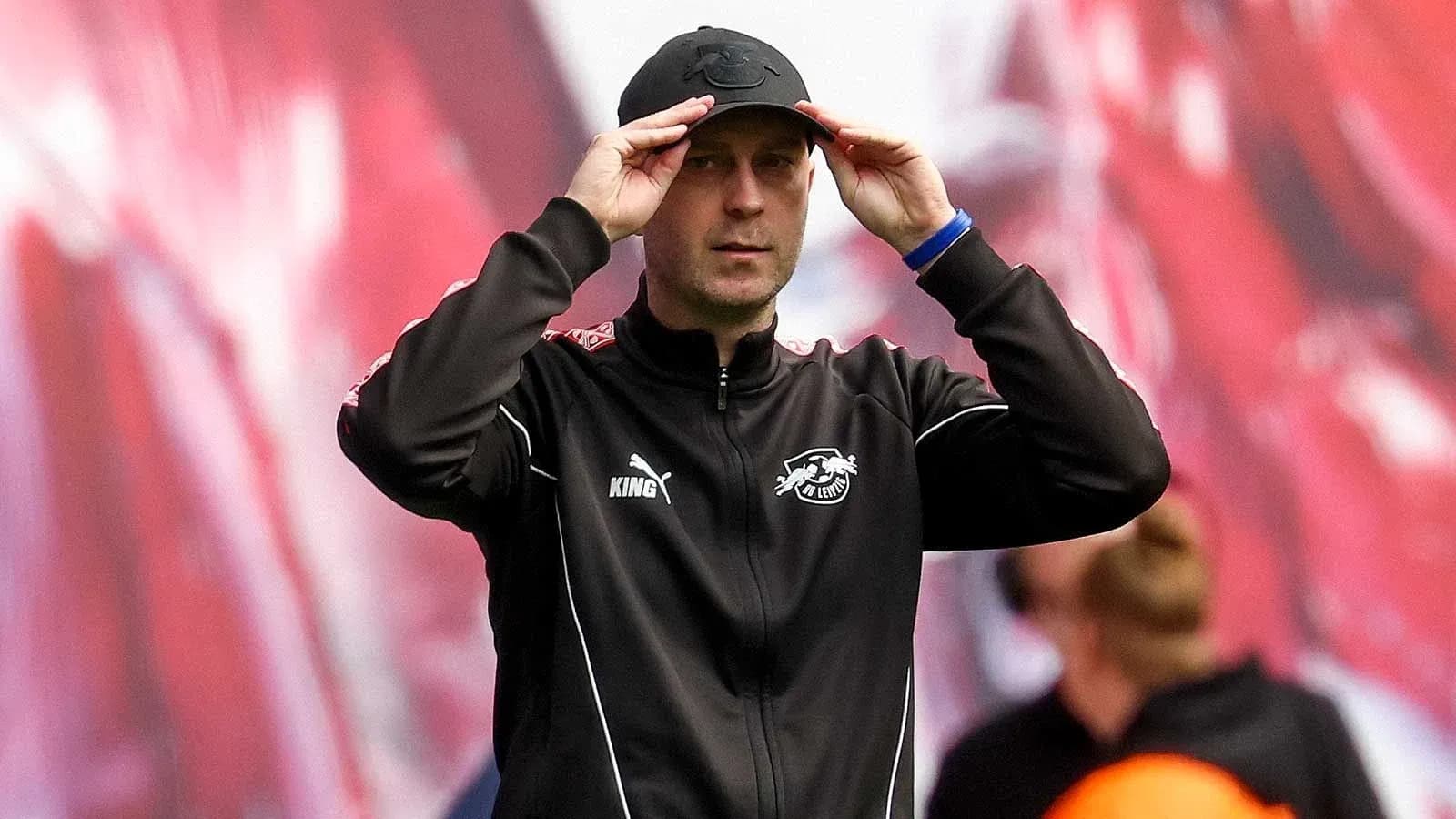
The numbers tell one story. The mood in Leipzig tells another.
After the chaos of 2024/25 – the club’s worst Bundesliga season and a year without European football – RB Leipzig under Marco Werner have just delivered a sharp correction. They finished this campaign only two points shy of their best-ever Bundesliga tally from 2016/17. On paper, that is a statement.
Werner’s record backs it up. Across 38 games, he has taken 1.95 points per match, a return that puts him among the most successful coaches in the club’s short but ambitious history. He did it while standing in the middle of a storm.
Last summer Leipzig ripped out the spine of the team. The top three scorers from the previous season – Benjamin Sesko, Xavi Simons and Lois Openda – all gone. Two long-serving pillars, Yussuf Poulsen and Kevin Kampl, out the door as well. It was not a gentle transition. It was a reset.
Werner did not fold. He rebuilt.
Players who had drifted on the margins or struggled to impose themselves began to grow. Christoph Baumgartner found another gear. Nicolas Seiwald, once a tidy squad piece, turned into something more influential. And then there was Yan Diomande, the marquee signing, whose impact has been so pronounced that some inside the club now talk about a “Diomande factor” when they try to explain Leipzig’s resurgence.
The dressing room, by most accounts, is with the coach. The team has responded, the results have improved, the points column looks healthy.
And still, Werner looks over his shoulder.
A Sky report captured the scepticism swirling through what is often called the “Global Team” behind Leipzig: a bit of luck here, a bit of chance there, too much reliance on Diomande, no truly convincing overarching game plan. That is the accusation. The feeling that this success rests on fragile foundations, on individuals rather than a fully formed idea.
The tension did not suddenly appear in May. It had been building for months.
By February, discontent was already bubbling. It broke the surface after a 0–2 defeat to Bayern Munich in the DFB-Pokal quarter-finals. Against a Bayern side that has been ruthless this year, Leipzig’s performance was described internally as “decent”, even “respectable”. For many clubs, that would have been enough of a shield.
Oliver Mintzlaff was having none of it.
The Red Bull CEO acknowledged the effort against Bayern, then immediately drove the knife into the Bundesliga form. Four points from games against Mainz, St. Pauli and Cologne. For a club that speaks openly about competing at the top of German football, that run cut deep.
“In the league, that wasn’t anywhere near what we want. I hold the team accountable for that,” he said, turning the temperature up around Werner and his players.
Leipzig’s public line all season had been modest by their standards. Massive squad overhaul, new hierarchy on the pitch, new roles, new leaders. The goal, they kept insisting, was simple: get back into any European competition. Stabilise. Reset. Survive the transition.
Mintzlaff set a different bar.
“I want to be in the Champions League!” he declared, calling that aim “achievable” and putting the responsibility firmly on the squad’s shoulders. In his view, the issue was not a lack of experience, but a failure to deliver their level for 90 minutes every weekend in the Bundesliga. The message was clear: the excuses end here.
Not long after those comments, Bild reported that Werner was under growing pressure. The atmosphere at RB, they wrote, was becoming “increasingly frosty”. The numbers did not melt the ice.
Werner has since done what was asked of him. With a rebuilt side, he has taken Leipzig back into Europe and met the sporting target the club itself had set at the start of the season. In many environments, that would secure a coach’s position and buy time to deepen the project.
In Leipzig, it does not feel that simple.
If the sporting leadership around Rouven Schröder and the club hierarchy cannot persuade the powerful Red Bull board – with Mintzlaff at its head – that Werner is more than a stopgap, more than a coach riding a hot streak from Diomande and a handful of in-form players, the numbers may not save him.
He has the points. He has the progress. He has a squad that appears to run for him.
What he does not yet have is certainty that it will be enough.
Related News

Wilfred Ndidi’s Marriage Reportedly Ends as He Enters New Relationship

Cristiano Ronaldo's Top 5 Most Valuable Cars in His Extraordinary Collection
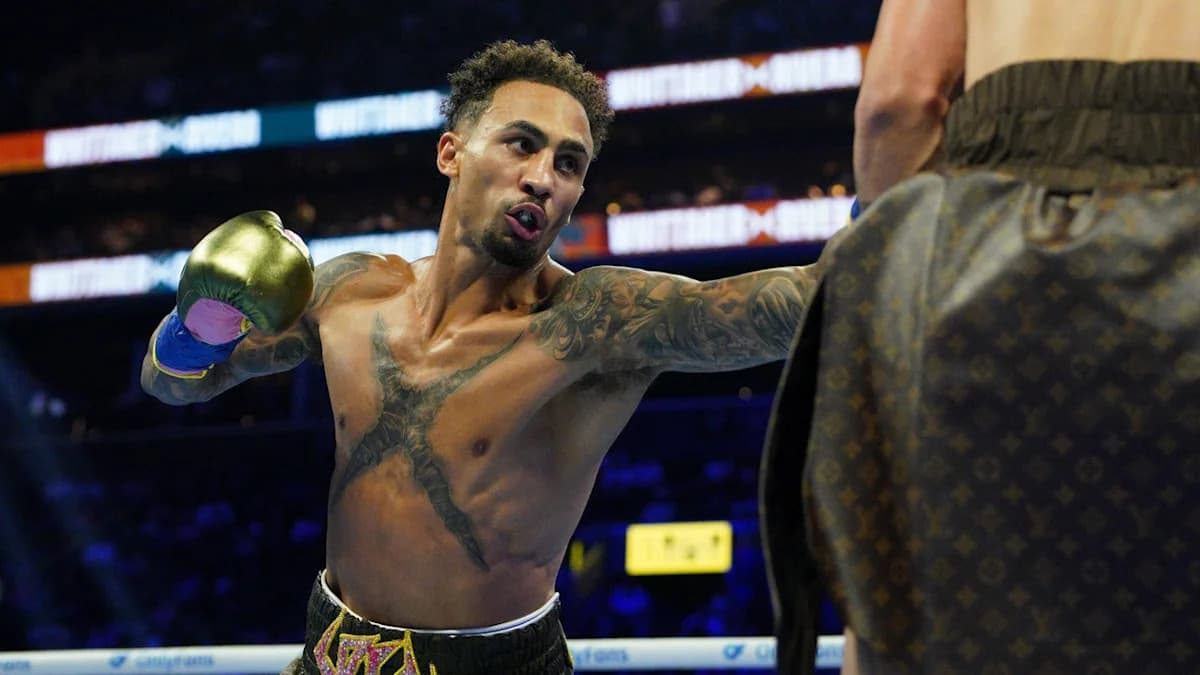
Ben Whittaker’s Challenge to Prove Eddie Hearn’s Bold British Boxing Bet
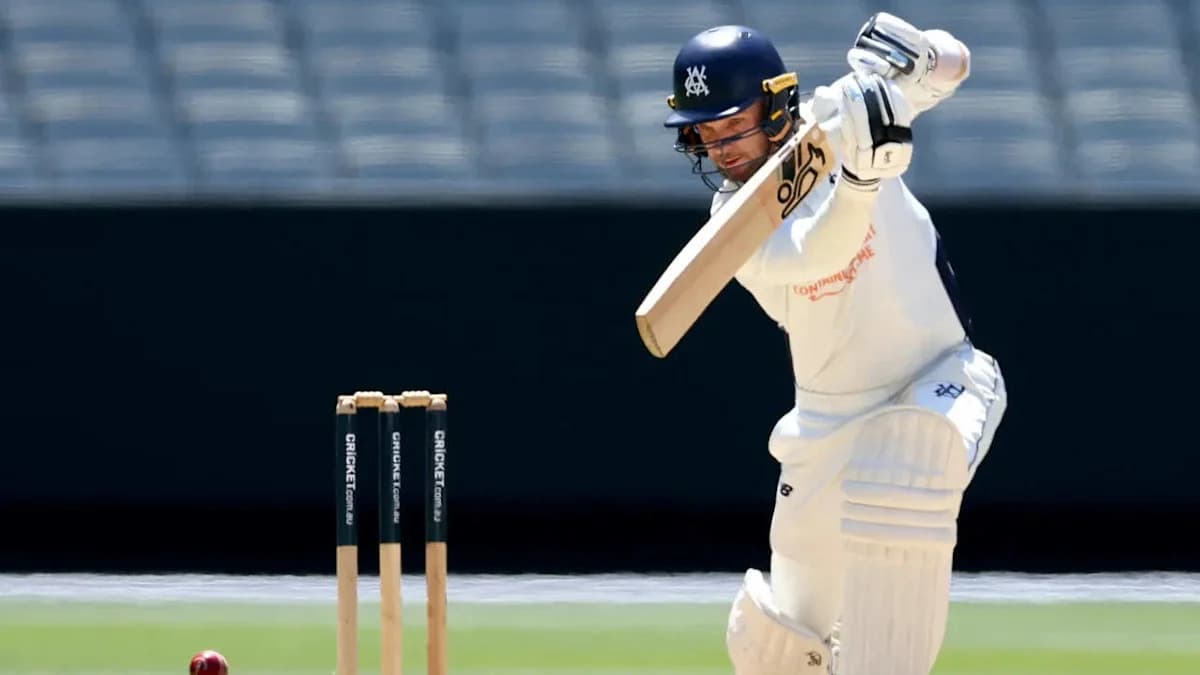
Peter Handscomb on the Challenge of Facing Indian Bowlers
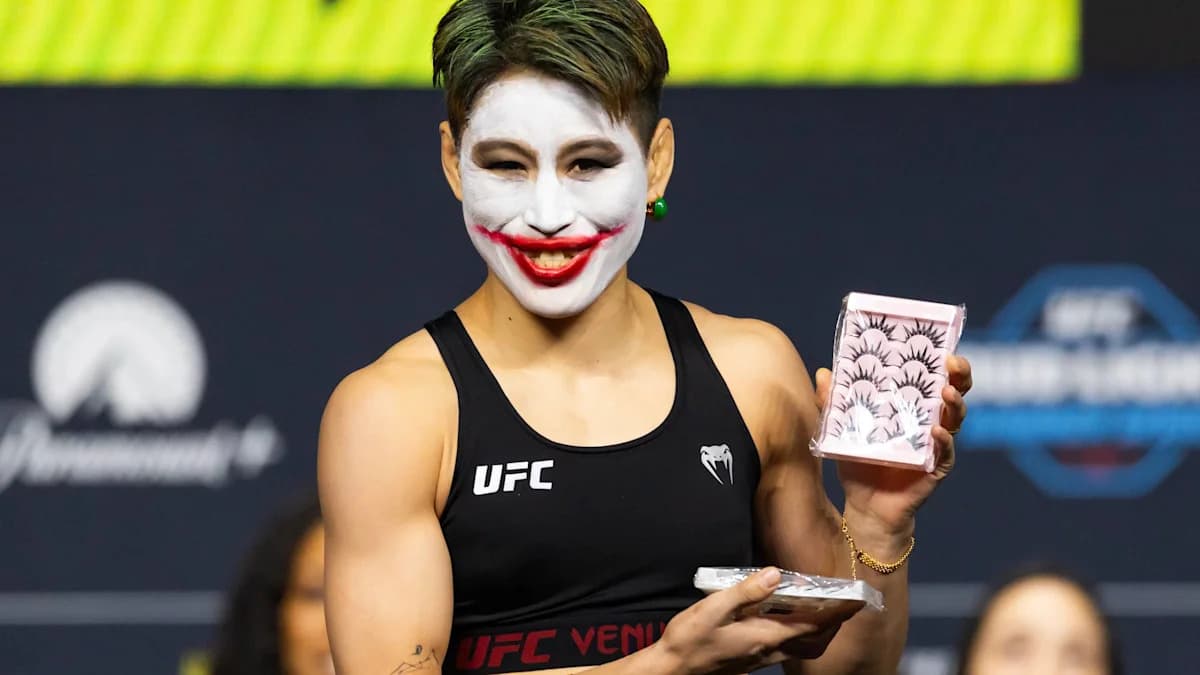
How to Watch UFC 332: Silva vs. Wang Live on CBS and Paramount+ This Saturday
Raul Rosas Jr. Shares His Thoughts on the Shocking UFC Vegas 121 Finish Against Raoni Barcelos