
Real Madrid's Revolution: The Role of Rodri
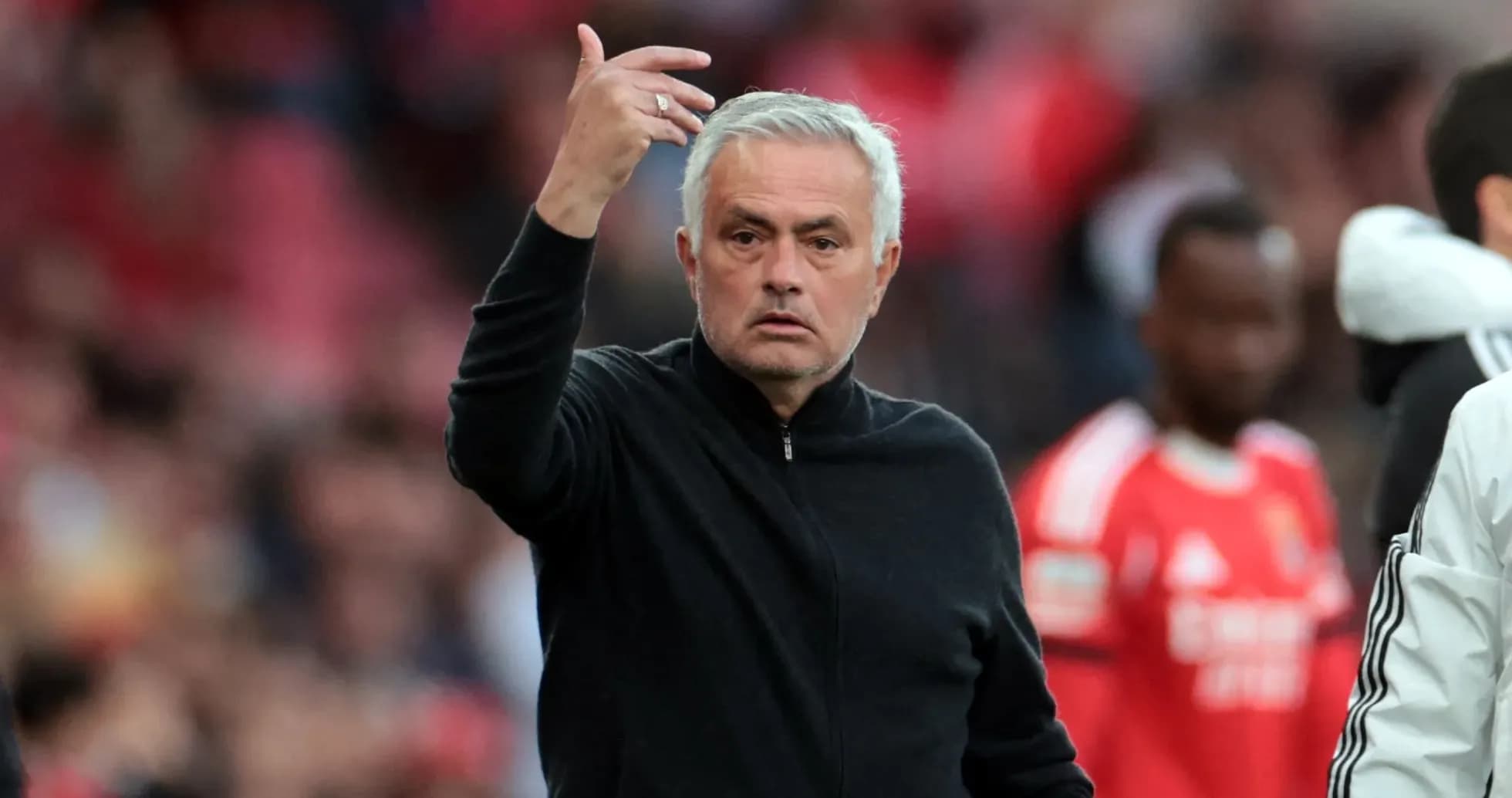
At Valdebebas, the revolution is already on the whiteboard.
Cucurella, Bernardo Silva, Dumfries, Diomande, Carlos Espi. Names ring around the training ground offices as the Portuguese coach and his staff work through scenario after scenario, line after line, trying to piece together a new version of the team without losing its spine. They are not just signing players; they are trying to redraw the map.
They all agree on one non‑negotiable: this overhaul only makes sense if there is a footballer capable of stitching every line together. Someone who links the centre-backs with the midfield, the midfield with the forwards, and the team’s ideas with its execution. A reference point when the game is calm, and a compass when it turns chaotic.
That is where Rodri comes in.
Real Madrid could have tied up his transfer long ago. The path was clear, the intention obvious. Inside the club, people spoke of it as “a matter of time”, a deal parked rather than doubted. Yet the file sat untouched, waiting for one signature, one decision. Nothing moved until Florentino Perez finally gave the green light.
The delay did not change the conviction. Madrid see Rodri as the player who can truly transform the team’s football. Not just a high-level midfielder, but a footballer who can tilt the pitch by himself, bend the rhythm of a match to his will and, crucially, drag the opposition down with him. That was his calling card at the World Cup, where his performances for Spain left no doubt about his capacity to dominate the biggest stage.
There is symbolism here that Madrid understand instinctively. Rodri arrives as one of the standout figures of a Spain side crowned world champions. That kind of status carries weight at the Bernabéu. It lifts a player’s profile, his dressing-room authority, and, inevitably, his price.
Price is the word that has made people frown in the boardroom.
Age was never an issue. This is not a long-term bet or a speculative project. Madrid want a player who can deliver from day one, who walks into the dressing room and raises the level of those around him immediately. In that sense, Rodri fits perfectly with the club’s current demands: instant impact, proven pedigree, no time wasted on adaptation curves.
The market, though, has turned ruthless. Young talent now moves for staggering sums, and every negotiation starts at the ceiling. The Diomande case is still fresh in everyone’s mind. Leipzig forced through the maximum fixed fee they could, stretching the limits before finally letting him go. That operation set a tone, a benchmark other selling clubs are in no hurry to undercut.
Around this, the rest of the puzzle must fall into place. Outgoings will dictate just how radical this new Madrid looks. The players who leave will, in the end, define the group that the Portuguese coach takes into battle. His idea of football leans heavily on building from the back, on using the first pass to control the entire move. He has always considered that one of his great strengths, and the squad must mirror that belief.
So the technical staff keep working, lists in hand, phones never far from reach. Cucurella, Bernardo Silva, Dumfries, Diomande, Carlos Espi: options, alternatives, potential pieces of a new structure. All of them interesting. None of them, though, as central to the plan as Rodri.
Because amid all the movement, one truth cuts through the noise: Madrid’s revolution needs a conductor. And they have already decided who they want holding the baton.
Related News
Carlos Alcaraz Calls for Change After Laver Cup Court Conditions
Alexander Zverev Secures Laver Cup Victory for Team Europe with Straight-Set Win Over Learner Tien
Novak Djokovic Shares Fitness Update Before China Open Return After US Open Upset
Shubman Gill's Captaincy Record Across All Formats: Tests, ODIs, T20Is, and IPL
Kuldeep Yadav Named Player of the Match Over Virat Kohli Despite Century in IND vs WI 1st ODI
India Advances to Asian Games 2026 Cricket Semi-Finals After Rain Washout Against Afghanistan