
The Return of Fallen Football Clubs in Europe
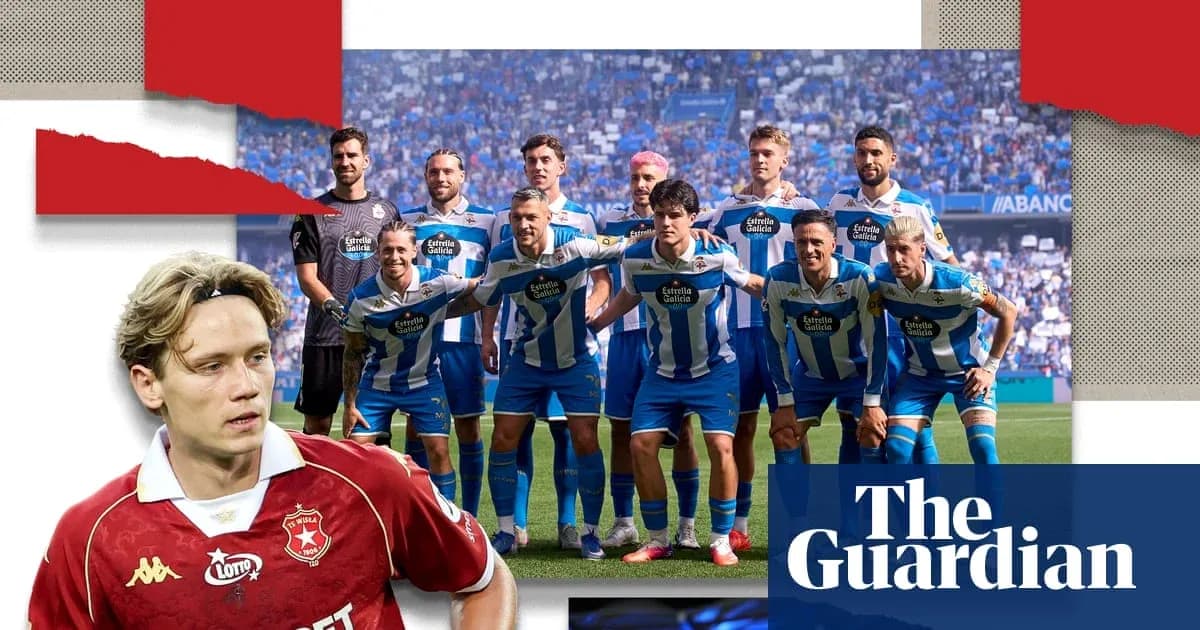
The new season across Europe does not just bring fresh title races. It brings ghosts. Old powers, forgotten names, clubs that slid off the map and have clawed their way back with scar tissue and stories to tell.
This is not a promotion round-up. It is a roll call of resurrections.
Deportivo La Coruña: Back From the Edge
There was a time when Deportivo La Coruña sat at the main table of Spanish football and refused to move. Between 1993 and 2004 they finished in La Liga’s top three nine times, harassing Barcelona, Valencia and Real Madrid so persistently that Spain briefly had a “big four”. They even took the title in 1999, the peak of a golden age that carried them to a Champions League semi-final in 2004.
Had they not run into José Mourinho’s Porto, history might read very differently. European champions. A dynasty, perhaps. Instead, the established order reasserted itself. Dépor drifted into mid-table, then out of the conversation entirely.
The fall was brutal. By 2020, the club that once terrified Europe had dropped into the regional third tier. Not just relegated. Marooned.
It took four years to fight their way back to the second division. The first season back was forgettable, a 15th-place finish in 2024-25 that suggested a long, slow rebuild. Then something shifted. Last term, Deportivo surged from also-rans to automatic promotion, muscling their way back into La Liga.
This is not the Deportivo of Juan Carlos Valerón and Diego Tristán, weaving patterns and breaking hearts. That era is gone. But the intent is familiar. The club are moving with purpose, bringing in Mallorca goalkeeper Leo Román and veteran striker Pierre-Emerick Aubameyang to give their return some teeth and experience.
Survival is the word now, not titles. Yet for a fanbase that has stared into the abyss, simply hearing the Champions League anthem in the distance again, even from the outside, will feel like a small victory.
They are not alone on the comeback trail. Racing Santander, champions of the Segunda, return to the top flight after 15 years away. Málaga, who tumbled out of La Liga in 2018 and even spent 2023-24 in the third tier, are back as well. Spanish football is welcoming back its lost cities.
Elversberg: Small Town, Giant Leap
The Bundesliga has a habit of throwing together heavyweights and upstarts in its promotion races. Last season was no different. Schalke, a club with a fanbase and history to dwarf most in Germany, finally clambered out of the second tier after spending four of the previous five campaigns there. They took the title and escaped.
Behind them, in second, came something altogether different.
Elversberg. A club from a Saarland town whose entire population could fit into Schalke’s Veltins Arena four times over. A name that, not long ago, barely registered beyond regional boundaries.
In 2021-22 they were still playing in the regional leagues. From there, the rise has been startling. Under coach Horst Steffen, Elversberg climbed rapidly and reached the promotion playoff last season, only to fall short. Steffen’s work did not go unnoticed. Werder Bremen came calling last summer and took him away.
His move looked like a step up. It did not last. Nine months later, Steffen was out at Bremen, while the club he left behind simply carried on climbing.
Elversberg turned to Vincent Wagner, brought in from Hoffenheim’s second team. It could have been a pause, a reset. Instead, Wagner kept the momentum rolling and delivered promotion.
Off the pitch, the club are scrambling to keep pace with their own success. The stadium will be expanded during the season to hit the 15,000-capacity threshold required at this level. The construction work will be gradual. The football will not be allowed to be.
There is no gentle easing-in period. Their first two visitors in the Bundesliga will be Leverkusen and Bayern Munich. Two of the most ruthless attacking sides in the country, arriving in a ground that, until recently, hosted regional fixtures.
Elversberg have forced their way into the big time. Now they have to learn how to live there, quickly.
Le Mans: From Bankruptcy to a New Blueprint
In France, the top flight has become a magnet for money. Paris FC boast billionaire backing. Strasbourg sit under the BlueCo umbrella. City Football Group have added promoted Troyes to their growing stable, while another of their “partner clubs”, Lommel, step into Belgium’s top tier this season.
Le Mans arrive with a similar investment story, but with a twist of glamour.
The town is famous long before you mention football. The Circuit de la Sarthe, the roar of engines, the 24-hour race that defines endurance motorsport. The club’s stadium sits inside that iconic track, a reminder that this is a place used to speed, spectacle and risk.
On the pitch, Le Mans enjoyed a brief spell in Ligue 1 during the 2010s, then spiralled. Financial ruin dragged them down the divisions. They clawed their way back to Ligue 2 and then, last August, everything changed.
OutField, a Brazilian consortium, took control. They did not arrive quietly. Novak Djokovic, Thibaut Courtois and F1 drivers Felipe Massa and Kevin Magnussen joined the project, adding star power to the boardroom and headlines to the takeover.
The temptation might have been to spend wildly and chase instant glory. Le Mans have chosen a different lane. After accelerating back to the top, they are planning a measured, youth-driven future. The club academy has been reopened. Money is going into potential, not vanity signings.
They have already moved quickly through the gears to reach Ligue 1 again. Now comes the harder part: staying there without losing their head.
Amedspor: Football on the Faultline
Some promotions are sporting achievements. Amedspor’s is something else entirely.
Based in Diyarbakir, a Kurdish-majority city in south-eastern Turkey, Amed SK – widely known as Amedspor – will play in the Turkish Super Lig for the first time this season. On a map, they sit far closer to Iraq and Syria than to Istanbul. On an emotional landscape, they occupy an even more charged space.
For years, the club drifted between Turkey’s third and fourth tiers. In 2014, they added “Amed” – the Kurdish name for Diyarbakir – to their title. That single act changed everything.
It was an open embrace of Kurdish identity. Amedspor became a symbol, a focal point for a diverse Kurdish-supporting fanbase that had long felt marginalised. The stands grew louder, more colourful, more defiant.
The backlash came quickly. Opposing fans targeted Amedspor followers with abuse, intimidation and, at times, physical attacks. The atmosphere around their away games turned toxic. The Turkish FA stepped in, not by confronting the hostility, but by banning Amedspor fans from travelling to away matches until 2020.
The club kept climbing regardless. Their promotion to the Super Lig is a landmark moment, loaded with political and social weight as well as sporting significance. It raises immediate questions: security, policing, the potential for violence, and whether Turkish football is ready – or willing – to handle all of it.
There are, tentatively, signs of change. When Amedspor sealed promotion, Turkey’s president, Recep Tayyip Erdogan, publicly congratulated them. This is the same president who has long refused to acknowledge Diyarbakir’s Kurdish name. His message sparked debate and surprise across social media.
Symbolic or sincere, it underlined the scale of what Amedspor have done. They have not just reached the top division. They have forced the country’s most powerful figure to say their name.
Wisla Krakow: The White Star Rises Again
In Poland, the return of Wisla Krakow feels less like a promotion and more like a correction.
Founded 120 years ago, Wisla are one of the nation’s great institutions. Fourteen league titles. Decades in the top division. A club that helped define the Ekstraklasa. They were ever-present in the elite until 2022, when years of mismanagement and decline finally caught up with them.
Relegation hurt. Staying down hurt more. Wisla spent four seasons outside the top flight, a fallen giant forced to confront its own reflection. Yet those years were not wasted.
Former player Jakub Blaszczykowski stepped in as a minority investor, lending not just money but credibility and emotional weight. The club turned inward, focusing on smarter recruitment, better use of analytics and a renewed trust in their academy.
The first major sign that something was changing came last year. As a second-tier side, Wisla lifted the Polish Cup in 2024, their fifth in history. A trophy from the shadows.
Promotion followed, and with it, an eruption. Their first game back in the Ekstraklasa, a 2-1 win over Katowice last month, felt like a release. The stands became a sea of red and white, lit by a relentless pyro show that did not let up. It was not subtle. It was not meant to be.
Krakow’s football map has been redrawn as well. The city’s most notorious fixture, the derby between Wisla and Cracovia – the “Holy War” – returns to the calendar. Only this time, it will not be a two-club city at the top level.
Wieczysta Krakow have climbed through the playoffs to reach the Ekstraklasa for the first time. Their home ground does not meet league standards, so they will ground-share with Wisla. Three top-tier clubs, one city, one stadium shared by two of them. The rivalries will write themselves.
Wisla have their place back. Now they must decide what to do with it.
Across Spain, Germany, France, Turkey and Poland, these clubs carry very different histories and ambitions. One thing unites them: they have all been to places their supporters never wanted to see, and they have all found a way back.
The question now is not whether they belong. It is how long they can stay, and how much of the future they can bend in their direction.
Related News
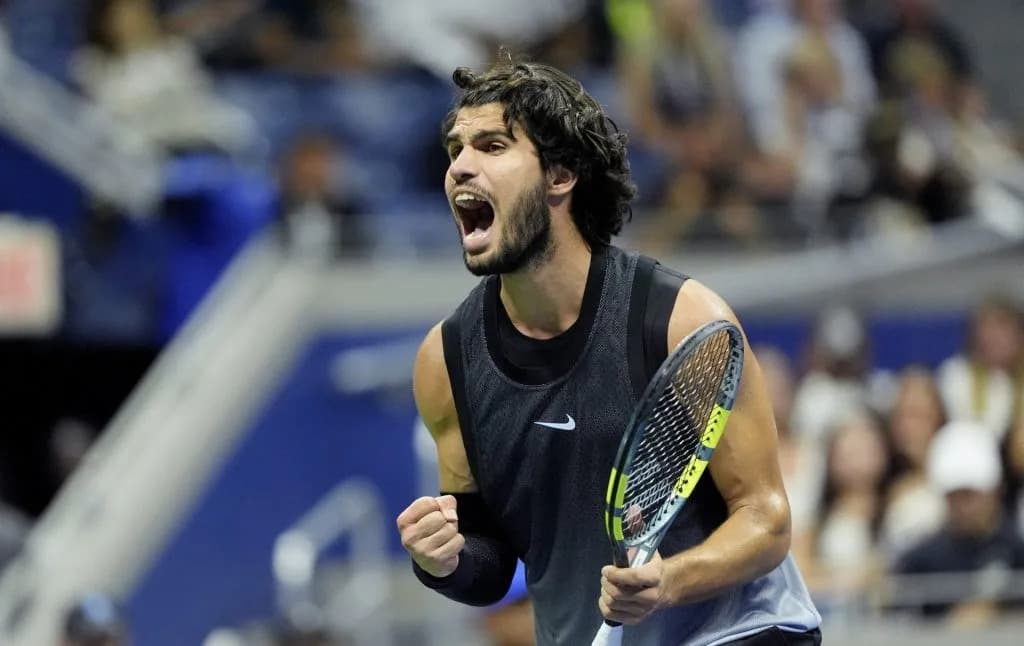
Carlos Alcaraz Urges an End to Matches Ending in the Early Hours
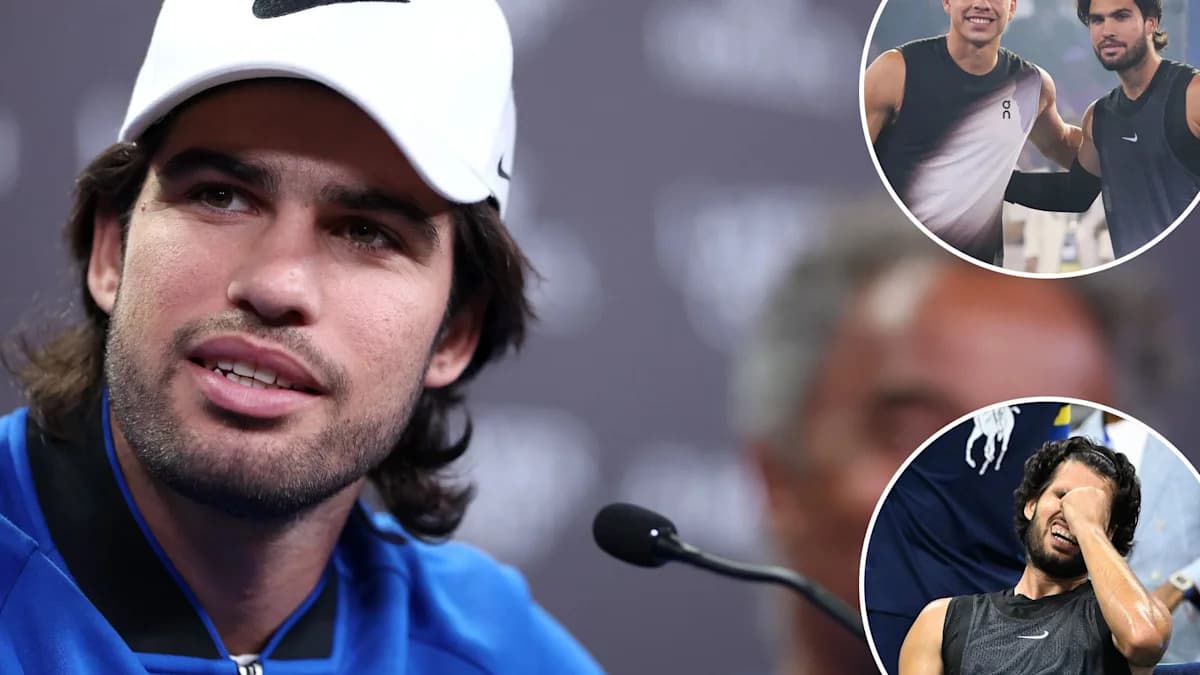
Carlos Alcaraz Criticizes Late US Open Finish After 3:30 a.m. Match
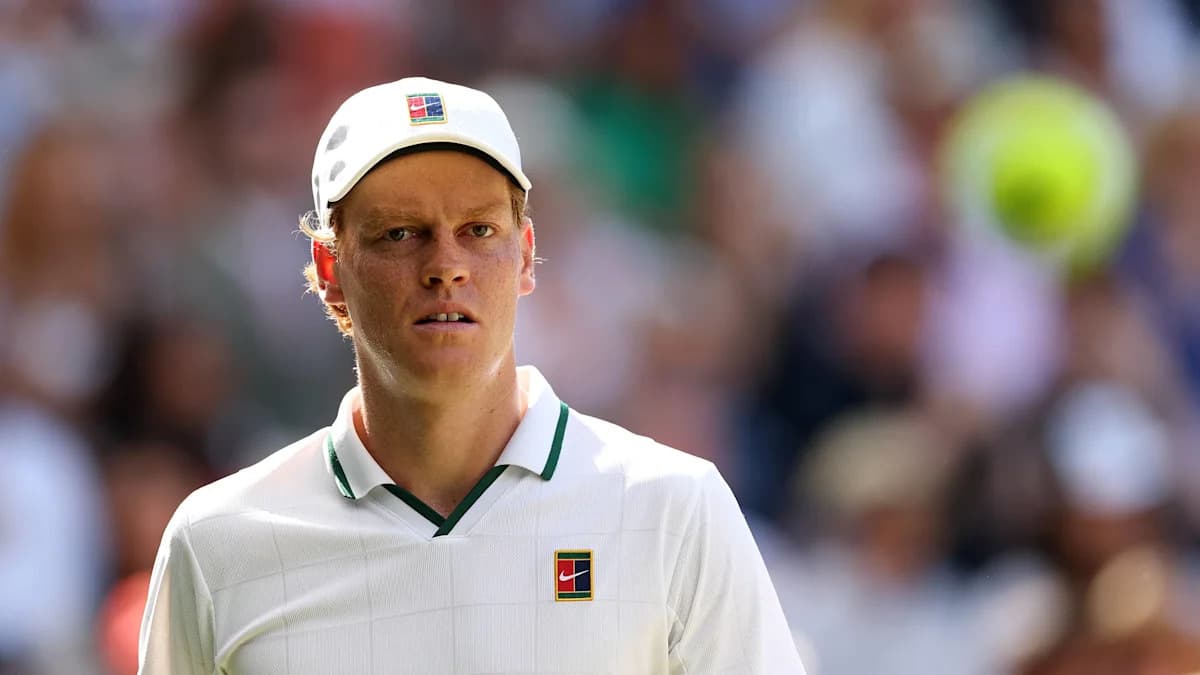
Jannik Sinner Set for ATP 500 Return in Beijing with Novak Djokovic Also Competing
Meet Iva Jovic: The American Tennis Prospect Making Waves
Flavio Cobolli Shares Insights on Practice Session with Jannik Sinner Ahead of Comeback
Till vs Romero: Fight Details, Undercard, and Viewing Info for This Weekend