
Ronaldinho Joins Ravenna: A Historic Football Story
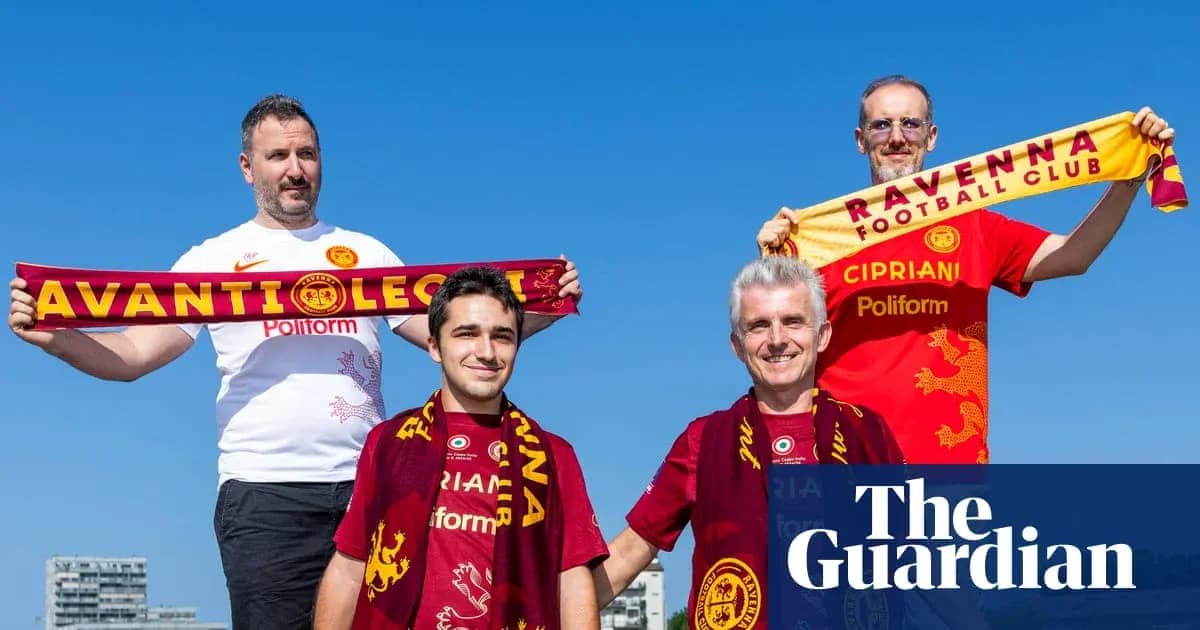
On a blistering afternoon in Ravenna, the heat clings to the cobbled streets and the tourists drift between mosaics and museums, unaware that this quiet city has just thrown itself into one of the wildest football stories of the summer.
In the historic centre, four Ravenna fans sit outside a cafe, La Gazzetta dello Sport spread across the table like a prop in a scene they still don’t quite believe. They joke that they haven’t seen him yet, but the punchline is fragile. Because somewhere between the pink pages and the espresso cups lies a sentence that has turned their modest club into a global headline: Ronaldinho is coming to play for Ravenna.
Not for a testimonial. Not for a charity five-a-side. As a registered player.
A Venetian heir, a fallen club and an outrageous idea
To understand how a two-time World Player of the Year and 2005 Ballon d’Or winner ends up linked to a club that has spent most of its life in the Italian backwaters, you have to start with Ignazio Cipriani.
Heir to the Venetian hospitality empire behind Harry’s Bar, grandson of industrialist and America’s Cup challenger Raul Gardini, Cipriani took over Ravenna in 2024 when the club was in Serie D, the fourth tier. This was not some sleeping giant. This was a club scarred by bankruptcies in 2001 and 2012, a team more familiar with bus trips to tiny provincial grounds than nights under the lights of Serie A.
In his first season, Cipriani delivered the Serie D Cup and promotion to Serie C. That alone would have been enough to earn him a warm place in local folklore. He has no intention of stopping there.
“Serie A is the goal I declared from day one because I intend to reach it,” he says. Champions League is the “ultimate horizon”. He talks like a man who has deliberately painted himself into a corner. No escape routes, no alibis. Work with your back against the wall, or don’t bother.
Then he went and called Ronaldinho.
From Milan memories to a surreal pact
The bridge between Ravenna and one of football’s great entertainers came through familiar names. Lorenzo Tonetti and Ariedo Braida, long-time AC Milan operators and men who once managed Ronaldinho’s Milan years, opened the door.
Cipriani had been nursing the idea almost from the moment he bought the club. A fantasy at first. Then a conversation. Then, somehow, a friendship.
“We met, started talking, and a genuine friendship grew,” Cipriani explains. Out of that came a series of ideas for the club’s growth. Then the question everybody wanted answered: would Ronaldinho actually play?
Cipriani’s reply is unflinching. Ronaldinho will wear the Ravenna shirt as a player, he insists, and may even score the last goal of his career in yellow and red.
The football world did a double take. Headlines pinged around the globe. For one night, a club that usually lives in the small print of results pages sat in 72-point font: Ronaldinho to Ravenna.
“If someone had told me three years ago that Ronaldinho was coming to Ravenna, I would have sent them straight to the psychiatric ward,” laughs Fabio, a lifelong supporter. He remembers scrolling through international news as the story exploded. “It was an extraordinary operation.”
The “R10” effect hits a provincial ground
The impact was instant. A dedicated website launched a special-edition shirt bearing Ronaldinho’s “R10” logo, his personal brand stamped across Ravenna’s colours. The shirts vanished within hours.
It felt like a collision of worlds: high-end global branding dropping into a stadium that, until recently, hosted fourth-tier football and local derbies. For Ravenna, historically more of a volleyball town than a football fortress, this is uncharted territory.
The club’s peak remains seven seasons in Serie B. Now, thanks to a 46-year-old Brazilian magician, it is suddenly part of a global conversation.
“Ronaldinho is a unique icon,” Cipriani says. “His way of playing made my generation fall in love with the game. We want him today to make the next generation of fans, in Italy and around the world, fall in love with Ravenna.”
This, he insists, is not just a publicity stunt. He talks about a bridge between eras, about harnessing nostalgia to build a modern, worldwide fanbase around a club that once struggled to fill its modest stands.
A city rebrands itself through football
Ravenna’s ambitions stretch beyond the pitch. The club is working with the municipality on upgrading the Stadio Bruno Benelli, looking to push its capacity beyond 6,300. Cipriani’s long-term dream is bolder still: a new multi-purpose arena open every day of the week, with retail spaces, concert venues and a Hotel Cipriani integrated into the city’s growing tourism scene.
For mayor Alessandro Barattoni, Ronaldinho’s arrival dovetails neatly with a broader civic project. Ravenna has been trying to step out of the shadow of its beaches and ports, presenting itself as a cultural and international destination. Recent visits from the British royal family and the opening of the Lord Byron Museum are part of that strategy.
“Ronaldinho brings a whole new level of global fame,” Barattoni says. The morning the news broke, his phone lit up with messages from old school friends. For kids who know Ronaldinho mainly from YouTube compilations, the magic still resonates.
The mayor even jokes that, diary permitting, he would happily take the Brazilian on a tour of the city’s artistic treasures. But he is keen to draw a line too. The municipality’s shared ground with the club, he stresses, is “internationalisation”: using football’s reach to project Ravenna’s image worldwide.
Ronaldinho has fronted countless brands; now that star power is being hitched to a city looking to leap beyond its traditional routes. Yet Barattoni is quick to praise the club’s work even before the Brazilian’s name appeared on the horizon. The stands, he says, are younger, louder, more engaged. A new community is forming.
Tradition, tickets and the unease of modern football
Not everyone is swept away by the glamour. In the Curva Mero, where the hardcore gather, there is excitement, yes, but also suspicion.
“Modern football pushes values that many don’t share,” Fabio admits. Rising ticket prices, the feeling that families on tighter budgets are being squeezed out. Visibility and marketing, in that context, can look less like opportunity and more like a warning sign.
Cipriani does not duck the issue. “Without roots, no global project makes sense,” he says. Ravenna, for him, is not a logo to be invented but a history to be amplified. Tradition is not a brake on ambition; it is the platform. “A club without its people is worth nothing.”
In the stands, that message matters. Giovanni, another long-time fan, has been coming to games since his school days. He is 50 now. He can feel something stirring again.
“I’m rediscovering the enthusiasm of the past,” he says. If it takes a global icon and a local entrepreneur to make the city dream of Serie A, he is prepared to embrace it – with one condition: never forget the people in the stands.
Season tickets, rising prices and a date on the calendar
The “Ronaldinho Effect” has already shaped the club’s business plan. The new season-ticket campaign has launched with a target of 2,800 sales. Prices have gone up by around 12% on average, varying by section. It is a delicate balance: leveraging the new attention without alienating the core support that kept coming when Ravenna were a punchline, not a headline.
On the pitch, the club is building a squad designed not to survive in Serie C but to win it. Off it, the city is counting down to 20 August. That is when Ronaldinho is expected to appear at a three-day summer festival in Marina di Ravenna, an event choreographed very much in Cipriani style.
By then, the shirts will have sold out again. The cameras will be back. The world will check in on this unlikely alliance between a global superstar and a club still dusting off the scars of bankruptcy.
What happens after the festival, after the selfies, after the first touch of the ball in yellow and red? That is the real story Ravenna is about to write.
Related News
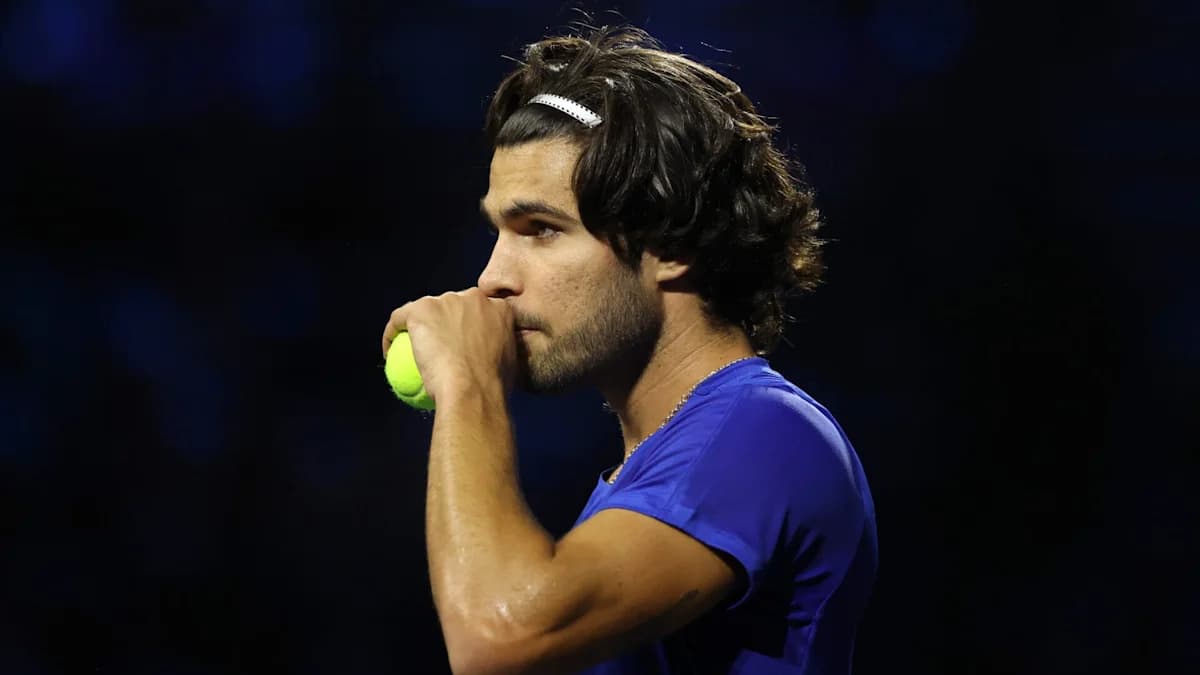
Carlos Alcaraz Calls for Change After Laver Cup Court Conditions
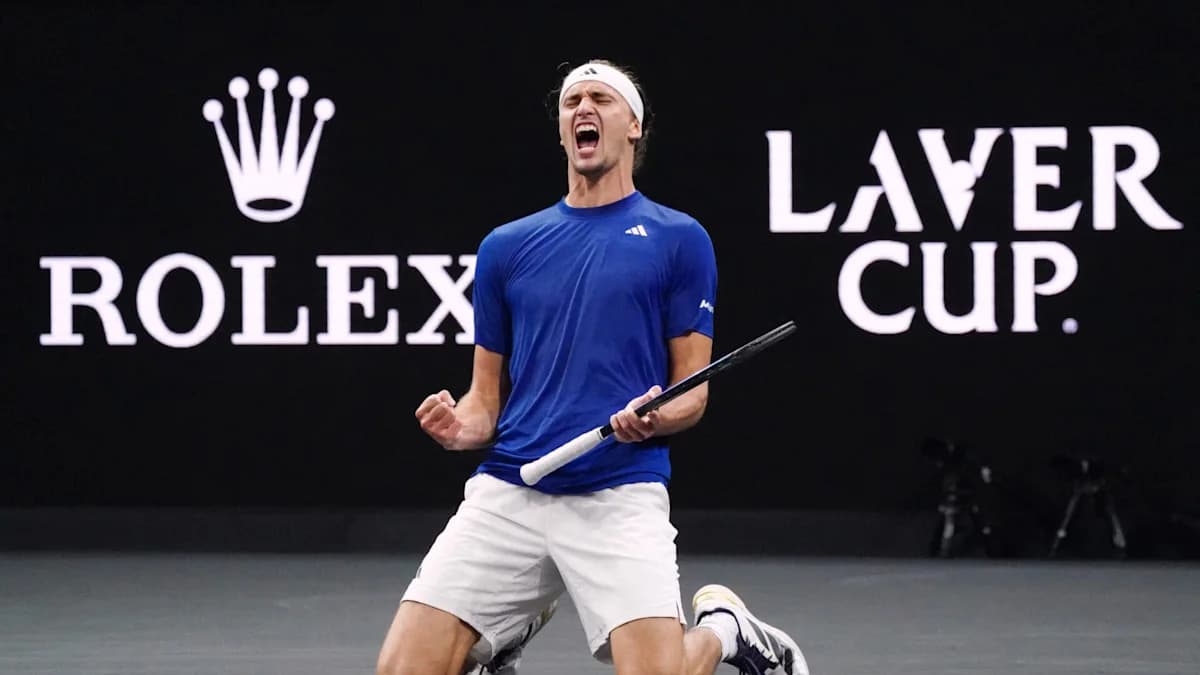
Alexander Zverev Secures Laver Cup Victory for Team Europe with Straight-Set Win Over Learner Tien
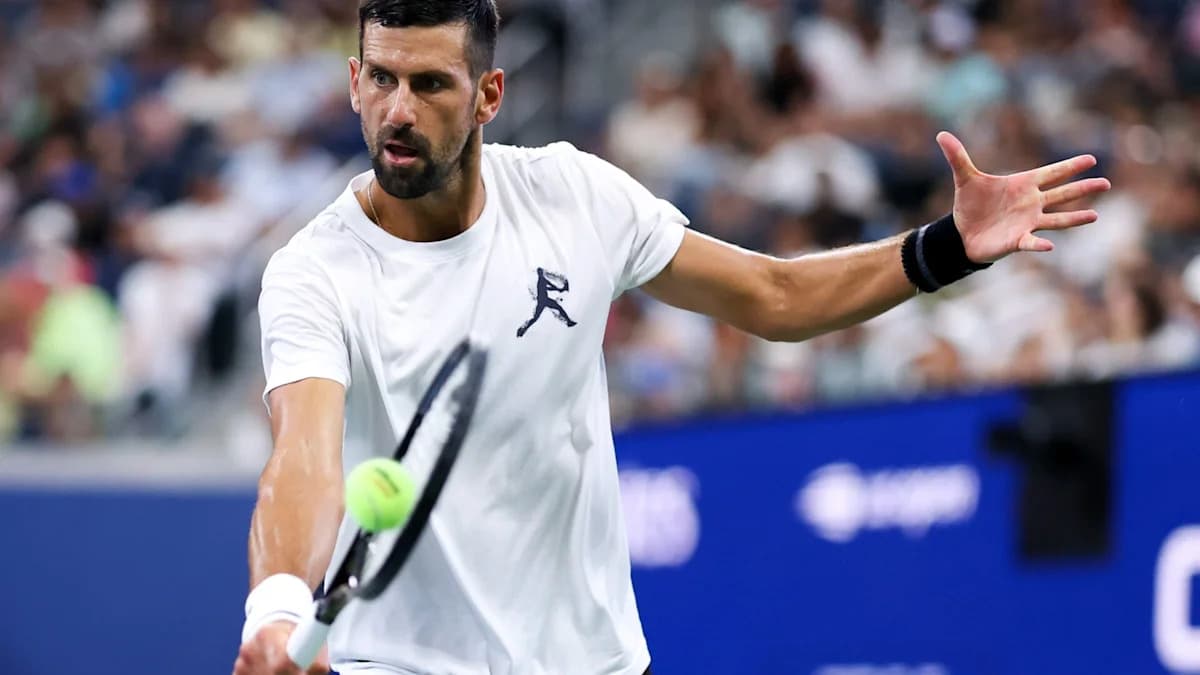
Novak Djokovic Shares Fitness Update Before China Open Return After US Open Upset
Shubman Gill's Captaincy Record Across All Formats: Tests, ODIs, T20Is, and IPL
Kuldeep Yadav Named Player of the Match Over Virat Kohli Despite Century in IND vs WI 1st ODI
India Advances to Asian Games 2026 Cricket Semi-Finals After Rain Washout Against Afghanistan