
Sevilla Defeats Real Sociedad 1–0 in Tactical La Liga Battle
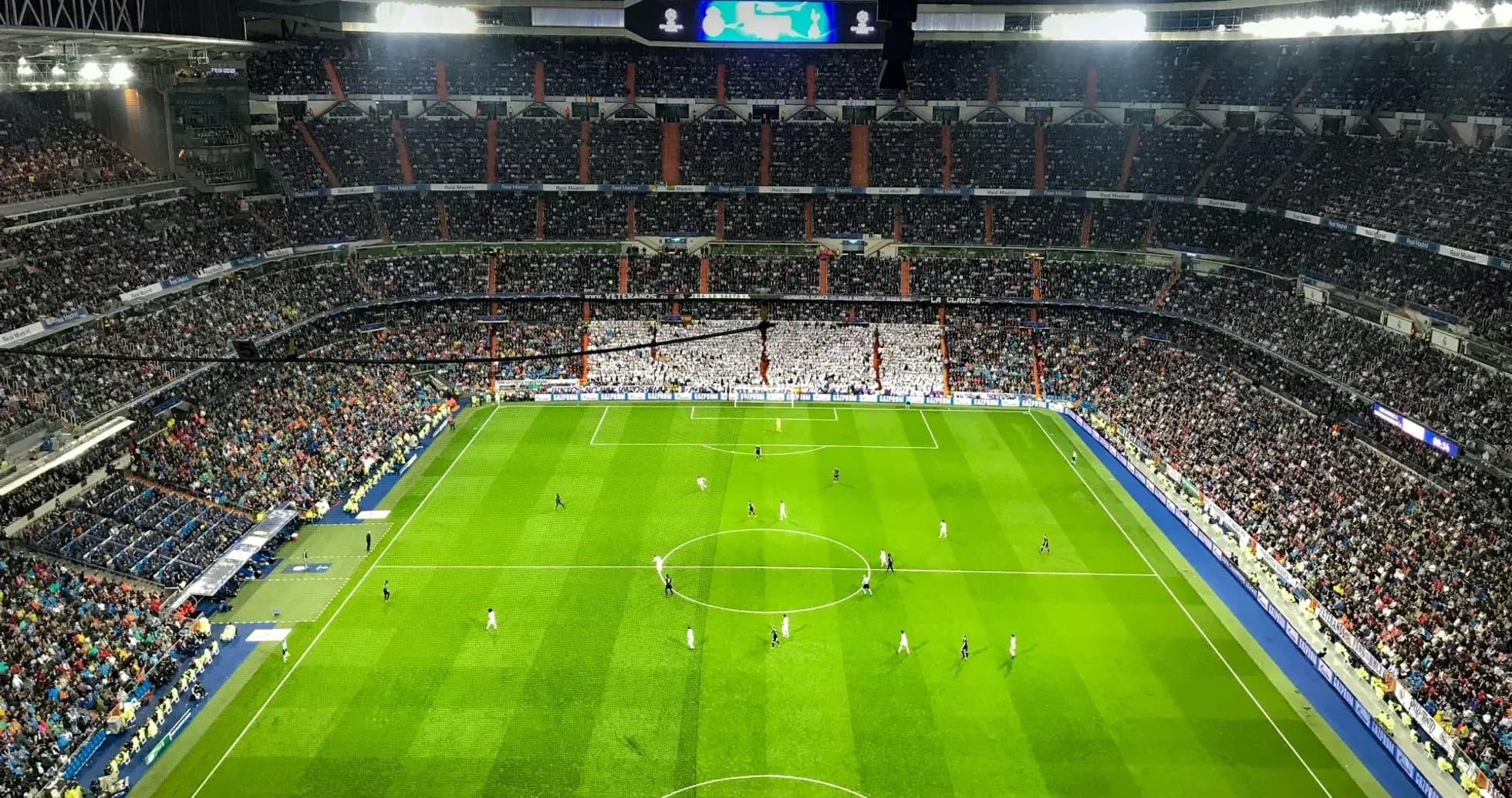
Sevilla edged a cagey La Liga contest 1–0 over Real Sociedad at Estadio Ramón Sánchez Pizjuán in Round 34, decided by a second‑half strike from Alexis Sánchez. In a match where Real Sociedad controlled more of the ball but never registered a shot on target, Sevilla’s more direct, vertical approach and superior penalty‑box occupation ultimately produced both the higher xG (1.39 to 0.16) and the decisive goal. Luis Garcia Plaza’s 4‑4‑2 out‑punched Pellegrino Matarazzo’s 4‑2‑3‑1 in the key zones, with the home side accepting long defensive phases without panic and then striking quickly in transition and early crosses to their front two.
In the first half, Sevilla’s plan without the ball was clear: the front pair of I. Romero (7) and N. Maupay (17) screened Real Sociedad’s double pivot of B. Turrientes (8) and J. Gorrotxategi (4), forcing the visitors to build wide through full‑backs J. Aramburu (2) and S. Gomez (17). The 4‑4‑2 mid‑block, with R. Vargas (11) and C. Ejuke (21) tucked in narrow, restricted central access into C. Soler (18) and P. Marin (15). Real Sociedad enjoyed 58% possession and completed more passes (481 at 84%), but most of it was sterile circulation in front of Sevilla’s compact lines.
The defensive spine of Castrin (32) and K. Salas (4) held an aggressive starting position, allowing Sevilla to keep the team short and contest second balls around L. Agoume (18) and N. Gudelj (6). With G. Suazo (12) and J. A. Carmona (2) ready to jump to the wingers A. Barrenetxea (7) and P. Marin (15), Sevilla repeatedly funneled Real Sociedad into congested half‑spaces, where Gudelj’s screening and timely stepping out disrupted any attempt to find M. Oyarzabal (10) between the lines.
Offensively, Sevilla were more direct and purposeful. Their 19 total shots, with 10 from inside the box, came largely from early deliveries and quick combinations once they broke the first line. Maupay’s movement was central: he frequently dropped off the last line to connect with Agoume and Ejuke, then spun in behind the Real Sociedad centre‑backs J. Martin (31) and D. Caleta‑Car (16). This forced the away defence to constantly adjust their line, opening channels for late runs from wide midfielders.
Turning Point
The turning point came with the half‑time adjustment. At 46', A. Sánchez (10) (IN) came on for I. Romero (7) (OUT), giving Sevilla a more fluid second striker who could drift into pockets and pin Turrientes. Simultaneously, Real Sociedad changed their reference point, with O. Oskarsson (9) (IN) coming on for J. Gorrotxategi (4) (OUT), shifting some responsibility for linking play higher up the pitch. Sevilla’s change had the more immediate tactical payoff.
On 50', the only goal encapsulated the home side’s plan. A. Sánchez attacked the spaces created by Maupay’s movement, combining directly with the Frenchman before finishing for 1–0. Maupay’s assist underlined his role as a connector between the lines, dragging Caleta‑Car out and creating the channel Sánchez exploited. The goal was fully consistent with the shot profile: Sevilla had been more willing to commit numbers into the box, and the xG of 1.39 reflects repeated high‑value positions rather than speculative efforts.
Real Sociedad’s response was to add more technical quality and vertical threat. At 58', T. Kubo (14) (IN) came on for P. Marin (15) (OUT), introducing a left‑footed dribbler who could attack the inside channels from the right. At 69', Y. Herrera (12) (IN) replaced B. Turrientes (8) (OUT), giving more forward thrust from the double pivot. Later, at 82', L. Sucic (24) (IN) replaced A. Barrenetxea (7) (OUT), and Wesley (22) (IN) came on for J. Aramburu (2) (OUT), effectively turning the structure into a more aggressive, asymmetrical shape with multiple forwards and attacking midfielders.
Yet the structural issue remained: Real Sociedad could not disorganize Sevilla’s back four. Despite their territorial control, they managed only 6 total shots, just 2 inside the box, and crucially 0 on target. Sevilla’s back line, with Suazo and Carmona disciplined about when to advance, held their box well and avoided being pulled into reckless duels. The Defensive Index, reflected by Real Sociedad’s meagre 0.16 xG and 0 shots on goal, highlights how rarely they generated clear shooting windows.
Game Management
Sevilla’s game management in the final quarter‑hour was built around fresh legs and control of wide spaces. At 75', after Alexis Sánchez had been booked for a foul, J. Sanchez (16) (IN) came on for R. Vargas (11) (OUT), adding energy and defensive balance on the flank. At 82', B. Mendy (19) (IN) replaced N. Gudelj (6) (OUT), injecting mobility into central midfield to cope with Real Sociedad’s extra attackers. For the visitors, the late attacking wave at 82' could not translate into penalty‑box presence, as Sevilla remained compact and denied crossing lanes.
Luis Garcia Plaza then closed the game with time‑management substitutions at 90+1', bringing on Peque (14) (IN) for Maupay (17) (OUT) and Oso (36) (IN) for Ejuke (21) (OUT), ensuring fresh legs in the first line of pressure and extra height for defending any final deliveries. The booking for José Ángel Carmona at 88' for a foul was a by‑product of Sevilla’s aggressive edge in duels, but did not destabilize their block.
From a statistical verdict, Sevilla’s 42% possession but 19 shots (5 on target) against Real Sociedad’s 58% possession and 6 shots (0 on target) tells the tactical story: efficiency over control. The home side’s passing volume (346 at 79% accuracy) was modest but vertical, and their xG of 1.39 accurately reflects a strategy built around creating a few high‑quality chances rather than many low‑value attempts. Real Sociedad’s higher pass count and accuracy (481 at 84%) did not translate into threat, underscoring a gap between Overall Form in possession and their Defensive Index in the final third. With 19 fouls to Real Sociedad’s 11 and two yellow cards to one, Sevilla accepted a more combative, disruptive game, and their structure ensured that this aggression served the game plan rather than undermined it.
Related News

Barcelona Dominates Sevilla in Tactical Showdown
Atletico Madrid vs Real Madrid: A Tactical Derby Analysis
La Liga Officials Admit Refereeing Mistake in Madrid Derby Over Lee Kang-in's Tackle on Federico Valverde
Elche vs Real Madrid: A Clash of Opposites in La Liga
Atletico Madrid Dominates Osasuna 4-0 in La Liga Showdown

Barcelona's Dominance: 7-2 Triumph Over Racing Santander